
Can dogs have peaches? It’s a question many pet owners ask when they’re enjoying this sweet, juicy fruit and their pup is giving them those big, hopeful eyes. Peaches are packed with vitamins and fiber, but not all human foods are safe for dogs. Knowing which parts are okay and how to serve them can make a big difference in keeping your furry friend happy and healthy without any risks.
I remember the first time I gave my golden retriever a tiny piece of peach: she devoured it in seconds, tail wagging like crazy. But after some research, I realized I had to be careful about the pit and the leaves. It’s those small details that make all the difference.
Key Things to Understand
- Peaches are safe for dogs in moderation: but only the flesh, not the pit, leaves, or stem.
- The pit is dangerous: because it contains cyanide and can cause choking or intestinal blockages.
- Too much peach can lead to stomach upset: due to the natural sugars and fiber.
- Always wash the peach thoroughly: to remove pesticides or dirt before serving.
- Introduce peaches slowly: to see if your dog tolerates them well.
What to Look For
When choosing peaches for your dog, look for ripe but firm fruit without any bruises or mold. The flesh should be soft enough to chew easily but not mushy. Avoid peaches that have been treated with preservatives or wax coatings, as these can be harmful. If your dog has never eaten peaches before, watch for signs of allergies like itching, swelling, or digestive upset. Some dogs may also have trouble digesting the skin, so peeling it first can help prevent any issues. Pay attention to how your dog reacts after eating peaches: if they seem lethargic or uncomfortable, it’s best to avoid giving it to them in the future.
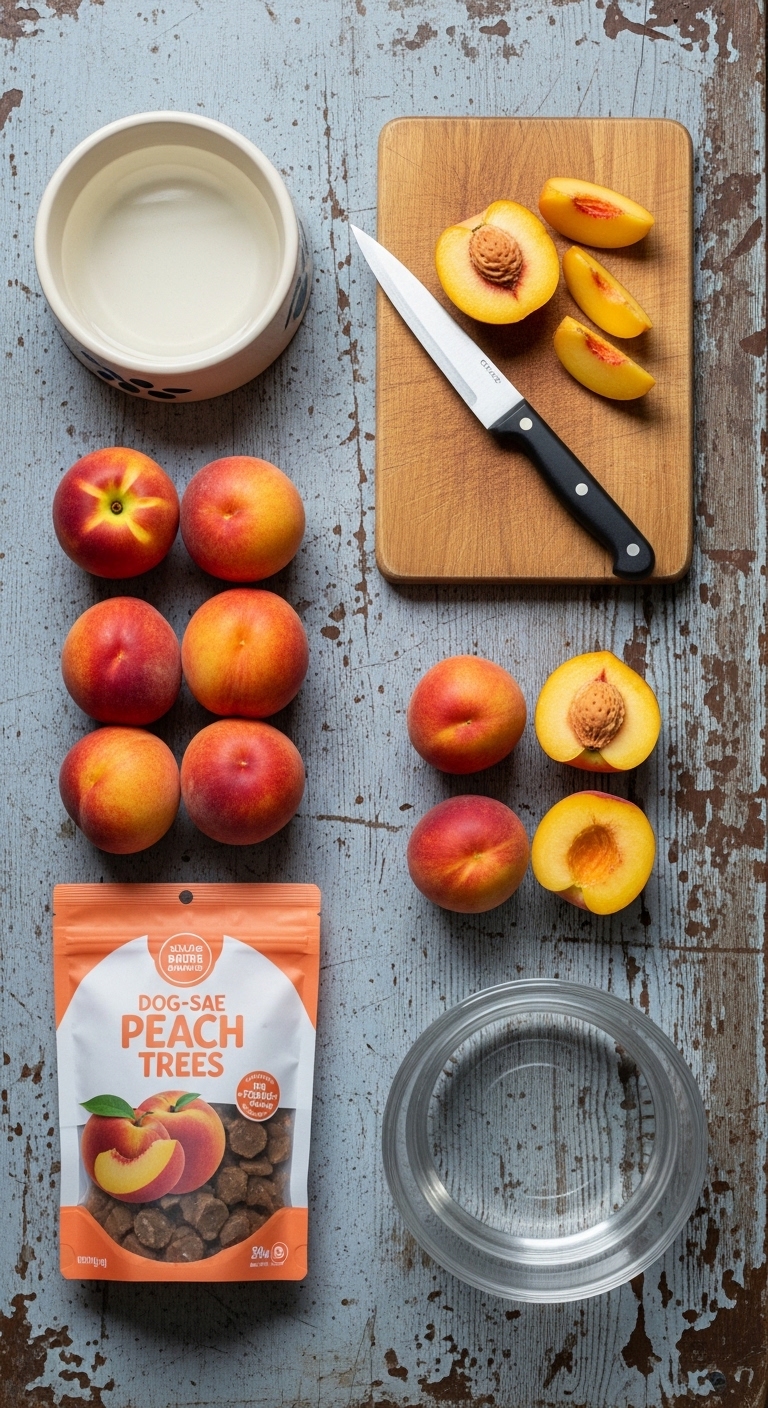
I once made the mistake of giving my dog a whole peach slice, including the pit, thinking she’d be fine. Within hours, she was vomiting and lethargic. It was a scary lesson, but it taught me to always double-check before sharing human food. Even something as simple as a peach can pose risks if you’re not careful.
Daily care habits
If you’re incorporating peaches into your dog’s diet, do it gradually. Start with a tiny piece and monitor their reaction over the next 24 hours. If they tolerate it well, you can offer it as an occasional treat. Remember that treats should make up no more than 10% of your dog’s daily calorie intake. If your dog has a sensitive stomach or a history of digestive issues, it’s best to avoid peaches altogether.
Choosing the right product
When buying peaches for your dog, opt for organic whenever possible to minimize pesticide exposure. If organic isn’t available, wash the peach thoroughly under running water and consider peeling it to remove any residue. Avoid peaches that are overly soft or have a fermented smell, as these can cause stomach upset. Frozen peach slices can also be a great treat, especially in the summer, but make sure they’re plain with no added sugars or preservatives.
Safety and comfort
Always supervise your dog when they’re eating peaches to prevent choking. Cut the flesh into small, bite-sized pieces that are easy for your dog to swallow. If your dog is small or a fast eater, consider mashing the peach slightly to make it safer. Avoid giving peaches to dogs with diabetes or weight issues, as the natural sugars can cause problems. If you’re unsure whether peaches are safe for your dog, consult your vet before introducing them.

Peaches can be a refreshing treat for your dog, but safety and moderation are key. Always prioritize your dog’s health by following these guidelines.
Frequently Asked Questions
- → Are peaches safe for all dogs?
Peaches are generally safe for most dogs when served in moderation and prepared correctly. However, dogs with diabetes, obesity, or sensitive stomachs should avoid them due to natural sugars and fiber content. Always consult your vet before introducing new foods.
- → How should I prepare peaches for my dog?
Wash the peach thoroughly, remove the pit, stem, and leaves, then cut into small, bite-sized pieces. Avoid canned or processed peaches with added sugars or preservatives. Serve fresh or frozen for a refreshing treat.
- → Can dogs eat peach pits?
No, peach pits should never be given to dogs. They contain cyanide, which is toxic, and pose a choking or intestinal blockage risk. Always discard pits and serve only the fleshy part of the fruit.
- → What are the benefits of peaches for dogs?
Peaches provide vitamins A and C, fiber, and antioxidants, which support immune health, digestion, and skin condition. They can also be a low-calorie treat option when served in moderation.
- → How much peach can I give my dog?
Peaches should make up no more than 10% of your dog’s daily diet. For small dogs, 1-2 small pieces are enough, while larger breeds can have up to 4-5 pieces. Always introduce new foods slowly to monitor for adverse reactions.
- → What should I do if my dog eats a peach pit?
If your dog ingests a peach pit, monitor for symptoms like vomiting, diarrhea, lethargy, or difficulty breathing. Contact your vet or an emergency pet poison hotline immediately, as pits can cause poisoning or blockages.