Many pet owners wonder about sharing human foods with their furry friends, and bananas often come up in these conversations. While dogs can eat bananas in moderation, it’s important to understand how to offer them safely and what benefits or risks they might bring.
I once gave my neighbor’s dog a small piece of banana as a treat, and it became his favorite proof that not all human foods are off-limits for pups.
Key Things to Understand
- Safety in moderation: Bananas are safe for dogs in small amounts but should not replace their regular diet
- Digestive risks: Too much banana can cause digestive upset due to the high sugar content
- Preparation: Always remove the peel before offering bananas to your dog
- Gradual introduction: Introduce bananas slowly to see how your dog reacts, especially if they have sensitive stomachs
- Health conditions: Avoid giving bananas to dogs with diabetes or weight issues without consulting a vet
What to Look For
When deciding whether bananas are a good treat for your dog, pay attention to their reaction after eating a small piece. Most dogs tolerate bananas well, but some may experience mild stomach upset if they eat too much at once. Watch for signs like vomiting or diarrhea, which could mean the banana didn’t agree with them. Also, check the ripeness of the banana: overripe bananas are softer and easier to digest, while green ones might be harder on their stomach. If your dog has never had bananas before, start with a tiny piece and observe for 24 hours before offering more. This way, you can gauge their tolerance without risking discomfort.
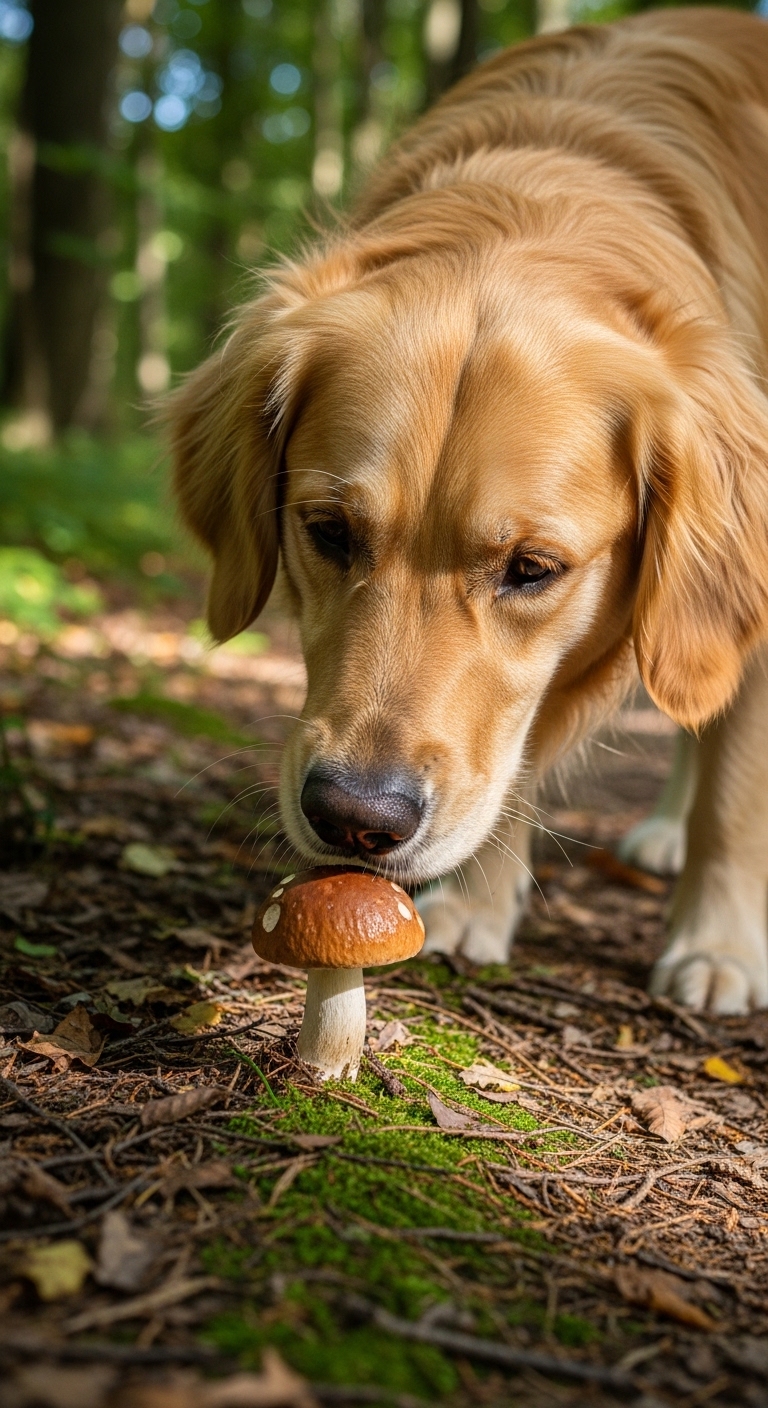
A common mistake is assuming all fruits are safe for dogs just because bananas are. Some fruits, like grapes, are toxic and can cause serious health issues. Another oversight is not accounting for the sugar content in bananas, which can add up quickly if given too often. Always introduce new foods gradually and in moderation to keep your dog healthy and happy.
Daily Care Habits
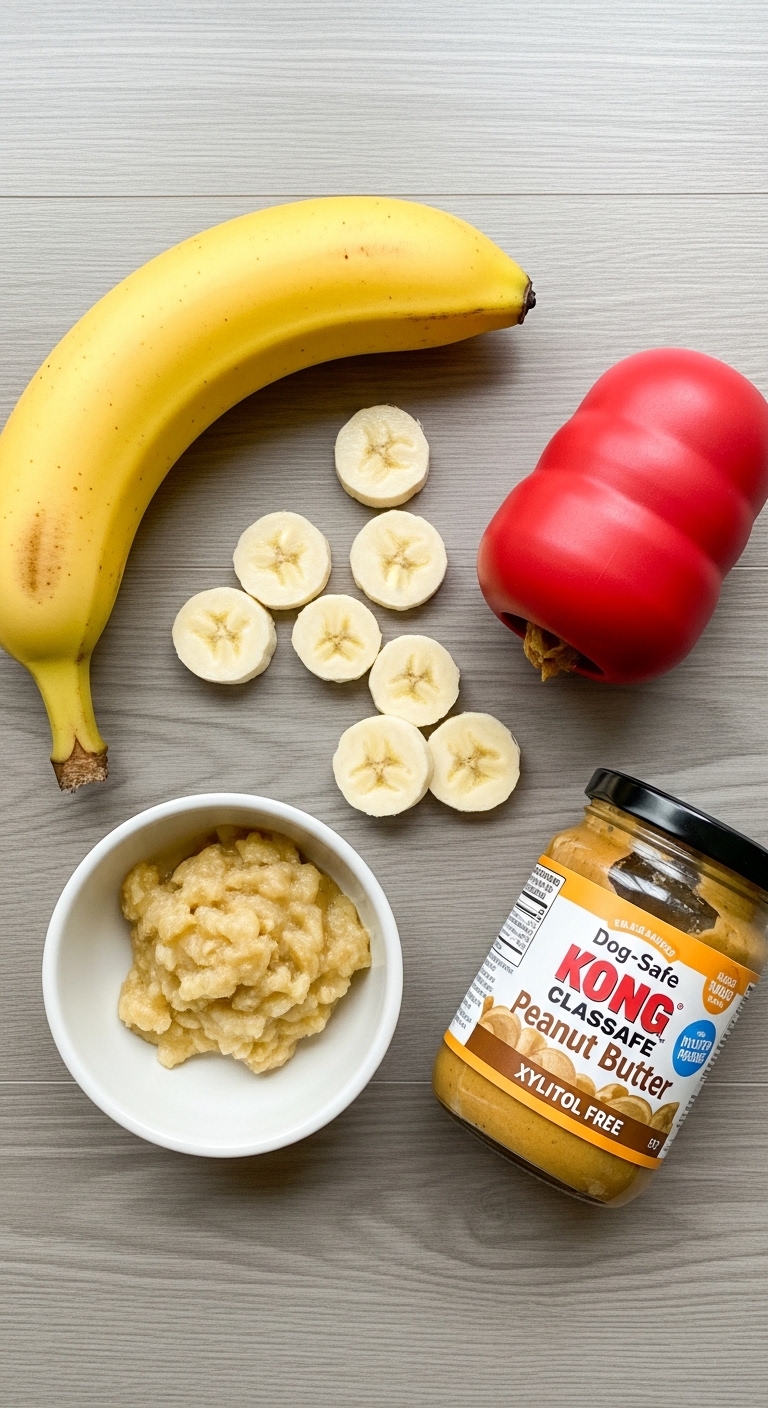
Incorporating bananas into your dog’s routine can be a simple way to add variety to their treats. Try offering a small slice as a reward during training sessions or mix mashed banana into their regular food for a natural sweetness boost. Just remember to adjust their meal portions slightly to account for the extra calories from the banana. If your dog is used to a strict diet, a sudden addition of banana could disrupt their digestion, so start slow.
Choosing the Right Product
If you’re buying banana-flavored dog treats from the store, read the ingredient list carefully. Some products contain added sugars, artificial flavors, or fillers that aren’t necessary. Look for treats where banana is one of the first ingredients and avoid anything with xylitol, a sweetener that’s toxic to dogs. Homemade banana treats are another great option: blend ripe bananas with oat flour or peanut butter (xylitol-free) and bake into small, bite-sized pieces.
Safety and Comfort
While bananas are generally safe, always prioritize your dog’s comfort. If your dog has a sensitive stomach or a history of digestive issues, introduce bananas even more cautiously. Watch for signs of discomfort like bloating or excessive gas, which could indicate they’re not tolerating the fruit well. Also, avoid giving bananas to dogs who are prone to obesity, as the sugar content can contribute to weight gain over time.
Cleaning and Hygiene
If you’re using bananas as a treat, make sure to wash the banana thoroughly before peeling it to remove any pesticides or dirt. Store bananas in a cool, dry place to prevent them from spoiling too quickly. If you’re making homemade banana treats, keep them refrigerated and use them within a few days to ensure freshness. This prevents any risk of mold or bacteria that could harm your dog.
Indoor Routines
Bananas can be a great indoor treat option, especially during rainy days or when outdoor activities are limited. Keep a few ripe bananas on hand for quick, mess-free treats that don’t require any prep. You can even freeze banana slices in advance for a cool, crunchy snack that doubles as a way to soothe teething puppies. Just be mindful of where you store them: dogs are notorious for sniffing out food, so keep bananas out of reach when not in use.
Outdoor Routines
If you’re hiking or spending time outdoors with your dog, bananas can be a convenient and portable treat. Their natural packaging makes them easy to carry, and they won’t spoil as quickly as some other human foods. Just remember to pack out any peels or leftovers to keep the environment clean and safe for wildlife. Offering a banana slice after a long walk can be a great way to rehydrate and refuel your dog naturally.

Patience is key when introducing any new food to your pet’s diet.
Frequently Asked Questions
- → Can dogs eat bananas?
Yes, dogs can eat bananas in moderation. Bananas are non-toxic and provide essential nutrients like potassium and vitamin B6. However, they should be given as an occasional treat due to their sugar content.
- → How much banana can I give my dog?
For most dogs, a few small slices (about 1-2 inches) are sufficient. Larger dogs can have slightly more, but always introduce bananas gradually to monitor for any digestive issues.
- → Are banana peels safe for dogs?
No, banana peels are not safe for dogs. They are difficult to digest and may cause intestinal blockages. Always remove the peel before feeding bananas to your dog.
- → Can diabetic dogs eat bananas?
Diabetic dogs should avoid bananas due to their high sugar content. Consult your veterinarian before introducing any new food to a diabetic dog's diet.
- → What are the benefits of bananas for dogs?
Bananas offer several health benefits for dogs, including improved digestion, boosted energy levels, and enhanced immune function. They are also a good source of fiber and natural sugars for quick energy.
- → How should I prepare bananas for my dog?
Peel the banana and cut it into small, bite-sized pieces. Remove any seeds, as they can pose a choking hazard. Serve as a standalone treat or mix with your dog's regular food for added flavor.