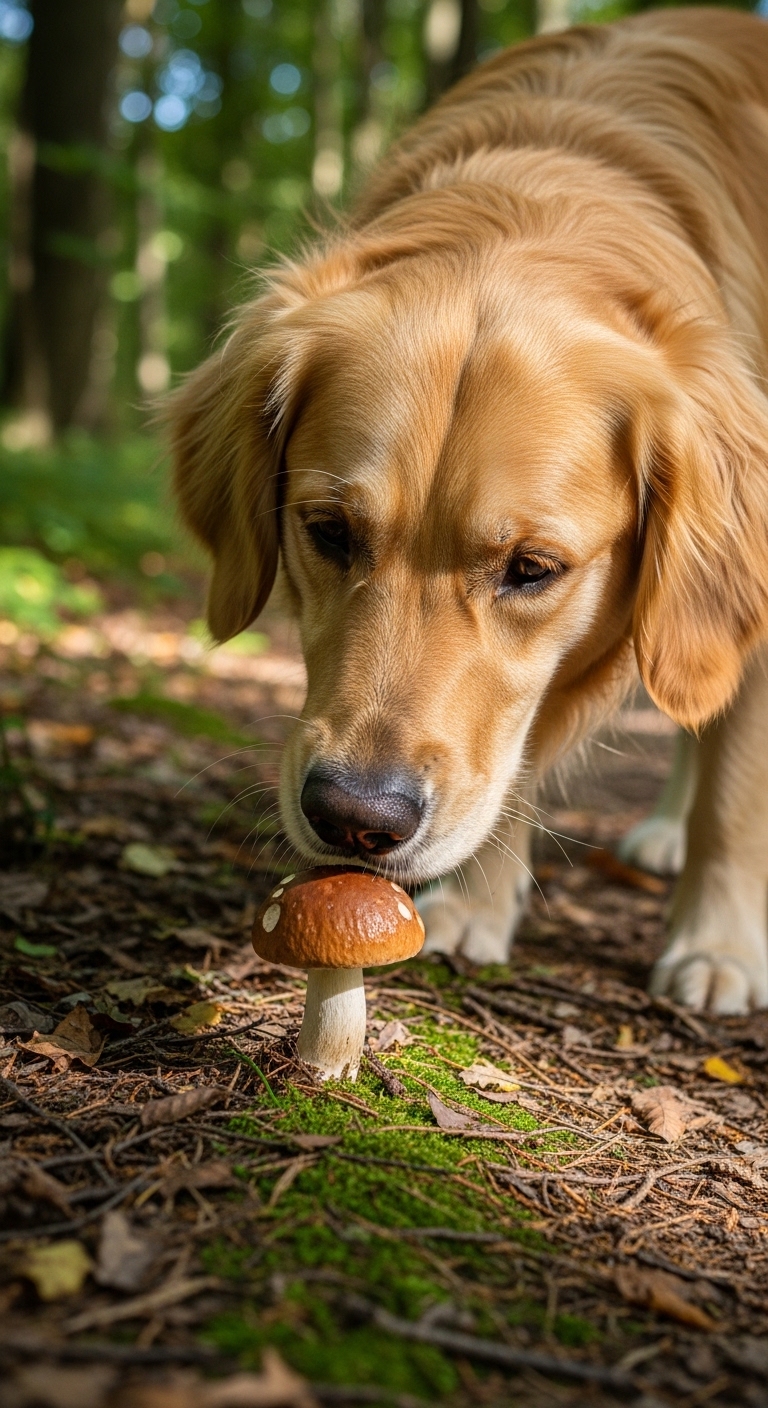
Can dogs have blackberries? It’s a question many pet owners ask when looking for healthy treats to share with their furry friends. Blackberries are packed with vitamins and fiber, making them a tempting option, but not all human foods are safe for dogs. Knowing which fruits are safe and how to serve them can make snack time both enjoyable and worry-free for your pup.
I remember the first time I gave my dog a blackberry: she sniffed it cautiously before gobbling it up. It was a hit, but I had to double-check if they were safe. That’s why this guide exists: to save you the guesswork.
Key Things to Understand
- Safety in moderation: Blackberries are safe for dogs in moderation because they’re low in sugar and high in fiber and vitamins.
- Seed caution: The seeds are small and generally safe, but too many can cause mild digestive upset.
- Best types: Fresh or frozen blackberries are best; avoid canned or sugary versions.
- Allergy watch: Watch for allergic reactions, especially the first time you introduce them.
- Portion control: Overfeeding can lead to diarrhea or an upset stomach due to the fiber content.
What to Look For
When picking blackberries for your dog, choose fresh, ripe berries without mold or mushiness. The color should be deep purple-black, not red or green, as unripe berries can be harder to digest. If you’re using frozen blackberries, thaw them first to prevent choking hazards. Always wash them thoroughly to remove pesticides or dirt that could irritate your dog’s stomach. Start with just one or two berries to see how your dog reacts before making them a regular treat.
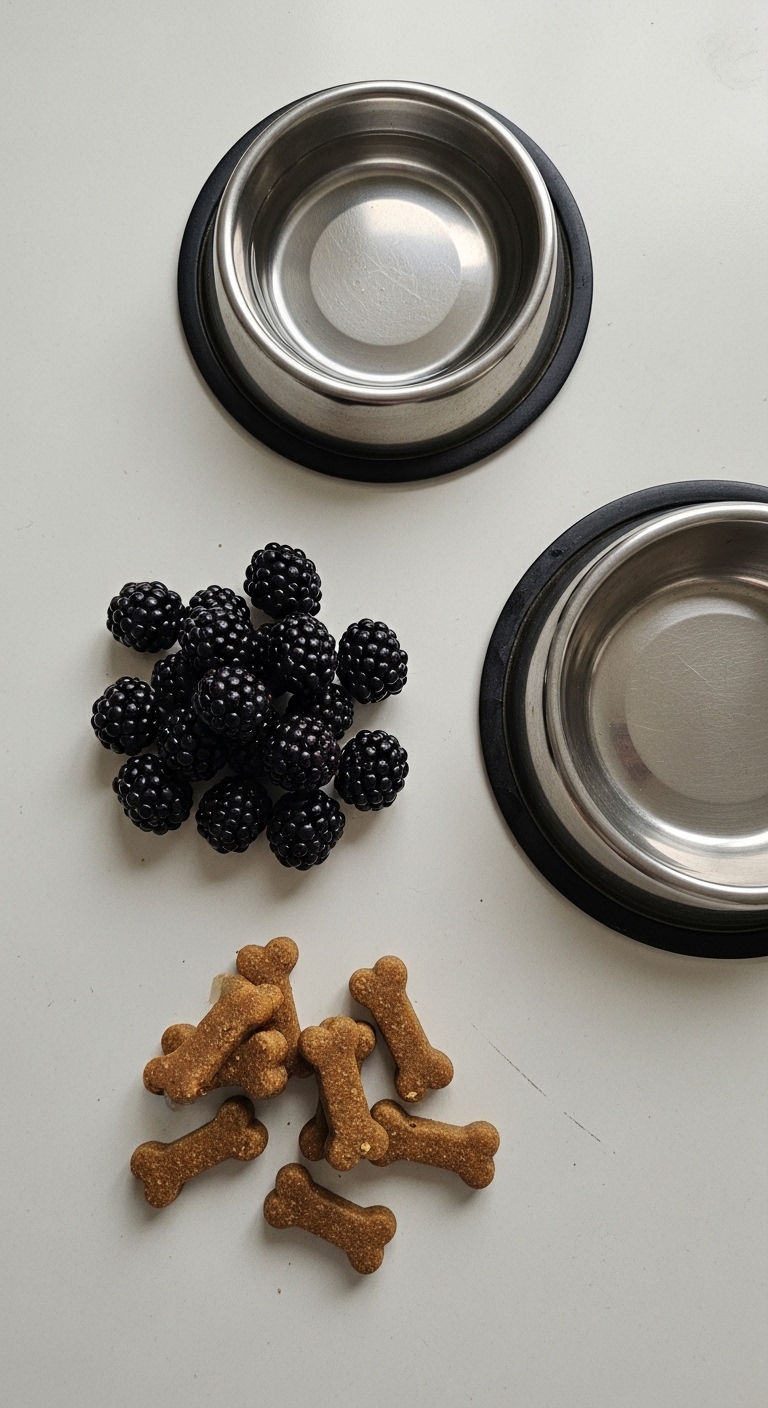
I once saw a dog owner give their pup a whole handful of blackberries, thinking they were a great snack. By the next morning, the dog had a mild bout of diarrhea. A little goes a long way: treat blackberries as an occasional reward, not a meal replacement.
Daily Care Habits
Blackberries can be a great addition to your dog’s treat rotation, but they shouldn’t replace their regular diet. Think of them as a supplement, not a staple. If your dog isn’t used to high-fiber foods, start with a single berry and monitor their reaction for 24 hours. Some dogs might love the taste, while others could turn their nose up at it. Either way, it’s a fun way to add variety to their routine.
Choosing the Right Product
When buying blackberries for your dog, opt for organic when possible to avoid pesticide residue. If organic isn’t available, wash them thoroughly under running water. Avoid pre-packaged mixes that might include other fruits or additives. Frozen blackberries are a convenient option, but always thaw them before serving to prevent any choking risks. If you’re unsure about the source, stick to fresh berries from a trusted grocery store.
Safety and Comfort
While blackberries are generally safe, always remove any stems or leaves before serving. These parts can be tough to digest and might cause minor stomach upset. If your dog has a history of allergies or sensitive digestion, introduce blackberries slowly and in tiny amounts. Watch for signs of discomfort like vomiting, diarrhea, or excessive gas. If any of these occur, discontinue use and consult your vet.

Blackberries are a great way to add a nutritional boost to your dog’s diet, but they’re not a magic health food. They’re low in calories and high in antioxidants, which can support your dog’s immune system.
Frequently Asked Questions
- → Can dogs eat blackberries safely?
Yes, dogs can eat blackberries in moderation. They are non-toxic and offer health benefits like fiber and antioxidants, but should be given as an occasional treat rather than a staple food.
- → How many blackberries can I give my dog?
Start with one or two blackberries per 10 pounds of your dog’s body weight. Too many can cause digestive upset due to their fiber content.
- → Are blackberry seeds harmful to dogs?
Blackberry seeds are not toxic but can pose a choking hazard or cause minor digestive irritation. It’s best to remove them before serving.
- → What are the benefits of blackberries for dogs?
Blackberries provide vitamins C and K, fiber, and antioxidants that support immune health, digestion, and reduce inflammation. They are also low in calories, making them a great snack option.
- → Can blackberries cause allergies in dogs?
While rare, some dogs may be allergic to blackberries. Watch for signs like itching, swelling, or digestive issues after feeding. Discontinue use if any symptoms appear and consult your vet.
- → Should I wash blackberries before giving them to my dog?
Yes, always wash blackberries thoroughly to remove pesticides, dirt, or bacteria that could harm your dog. Organic berries are a safer choice if available.
- → Can puppies eat blackberries?
Puppies can eat blackberries in small amounts, but introduce them gradually. Their digestive systems are sensitive, so monitor for any adverse reactions after the first few berries.