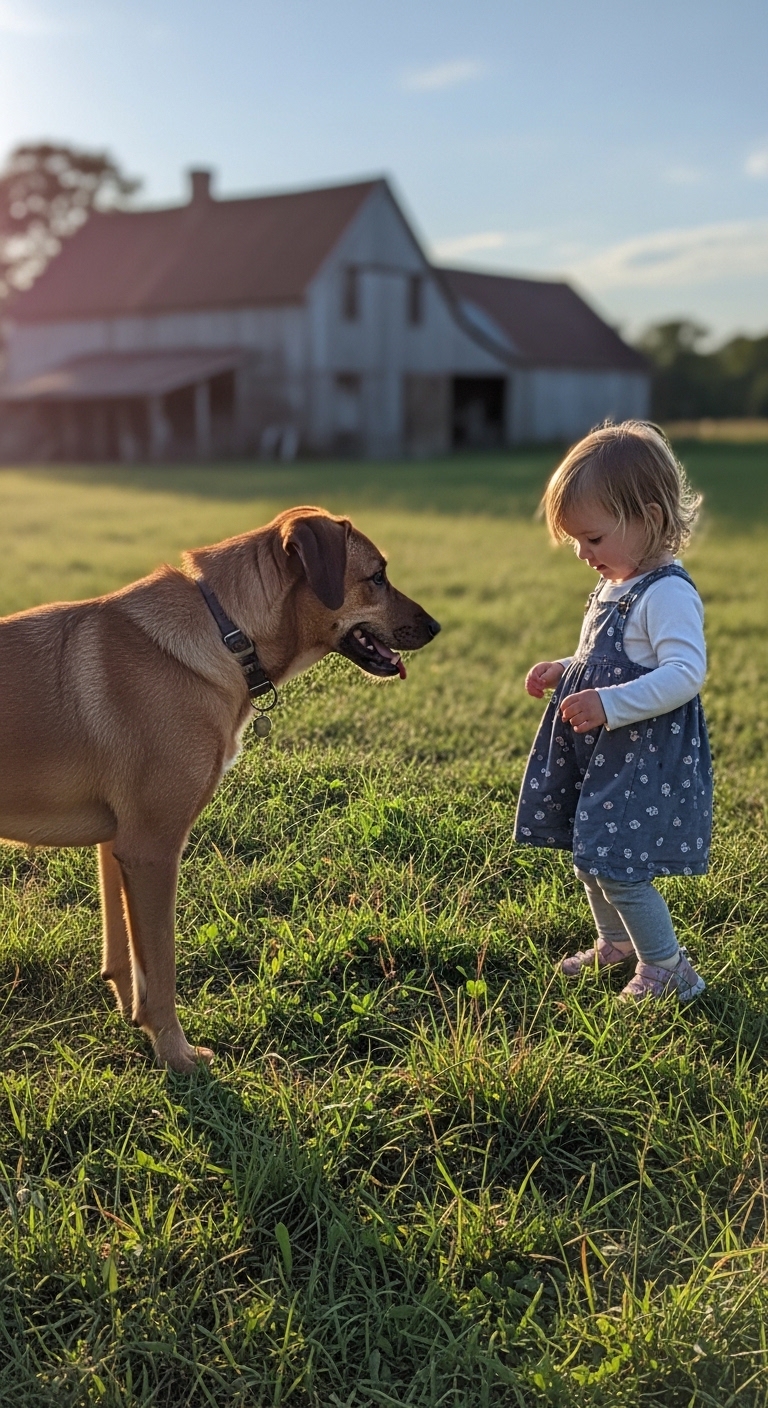
Can dogs eat cashews? It’s a question many pet owners ask when they’re snacking and their pup gives them that hopeful, tail-wagging look. Cashews aren’t toxic to dogs like some other nuts, but that doesn’t mean they’re always safe. Knowing the right way to offer them or when to skip them entirely can make a big difference in keeping your dog healthy and happy.
I’ve seen dogs get into trouble after eating too many cashews because owners assumed they were harmless. A little knowledge goes a long way in keeping those tail wags coming safely.
Key Things to Understand
- Cashews are not toxic to dogs but should only be given in very small amounts: Moderation is key to avoiding health risks.
- Raw or roasted cashews without salt or seasoning are the safest options: Added ingredients can cause serious issues.
- Salted or flavored cashews can cause sodium poisoning or other health problems: Always check for added salt or spices.
- Some dogs may have allergies to nuts, including cashews, so watch for reactions: Allergic responses can range from mild to severe.
- Overfeeding cashews can lead to stomach upset, vomiting, or diarrhea: Portion control is critical.
What to Look For
When deciding whether to give your dog cashews, pay attention to how they’re prepared. Plain, unsalted cashews are the best choice because added flavors, oils, or salt can upset your dog’s stomach or even cause more serious issues like sodium ion poisoning. If you’re offering cashews for the first time, watch your dog closely for any signs of discomfort or allergic reaction, such as itching, swelling, or difficulty breathing. Even a small amount could trigger an issue if your dog is sensitive.
Another thing to consider is your dog’s size and overall diet. Smaller dogs or those prone to weight gain should get even smaller portions, if any at all. If your dog has never had nuts before, start with a tiny piece and monitor them for 24 hours before giving more. This cautious approach helps you avoid unnecessary vet visits and keeps snack time safe.
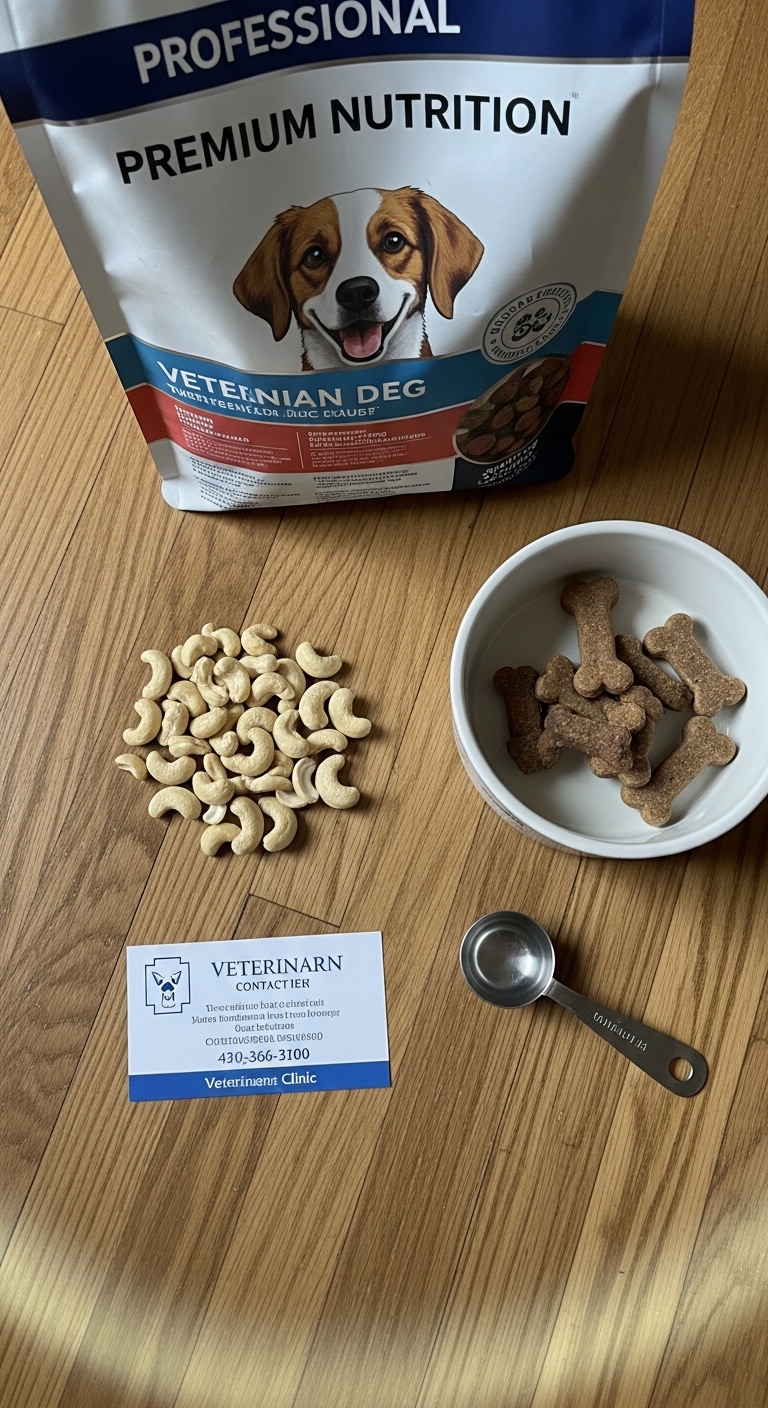
I once knew a dog owner who gave their pup a handful of salted cashews as a treat, only to end up at the emergency vet that night. A little goes a long way, and plain is always better. If you’re unsure, stick to dog-safe treats instead—your dog won’t know the difference, but their stomach will thank you.
Cashews and Other Nuts in Moderation
Cashews should be treated as an occasional indulgence rather than a regular part of your dog’s diet. While they aren’t inherently dangerous in small amounts, their high fat content can contribute to weight gain or digestive issues over time. If you’re looking for a crunchy, low-risk alternative, consider dog-friendly options like carrots or apple slices, which provide similar texture without the potential downsides.
Portion Control for Dogs
The right portion size depends on your dog’s size, weight, and overall health. As a general rule, treats—including cashews—should make up no more than 10% of their daily calories. For small breeds, even a single cashew may be too much, while larger dogs might tolerate a few pieces occasionally. Always introduce new foods gradually and consult your vet if you’re unsure about appropriate amounts for your pet.
Signs Your Dog Shouldn’t Have Cashews
Not all dogs can safely eat cashews. Avoid giving them to pets with a history of pancreatitis, obesity, or food sensitivities. Watch for signs of an adverse reaction, such as vomiting, diarrhea, lethargy, or skin irritation. If your dog shows any of these symptoms after eating cashews, discontinue immediately and contact your veterinarian. Some dogs may also have difficulty digesting high-fat foods, making cashews a poor choice regardless of preparation.
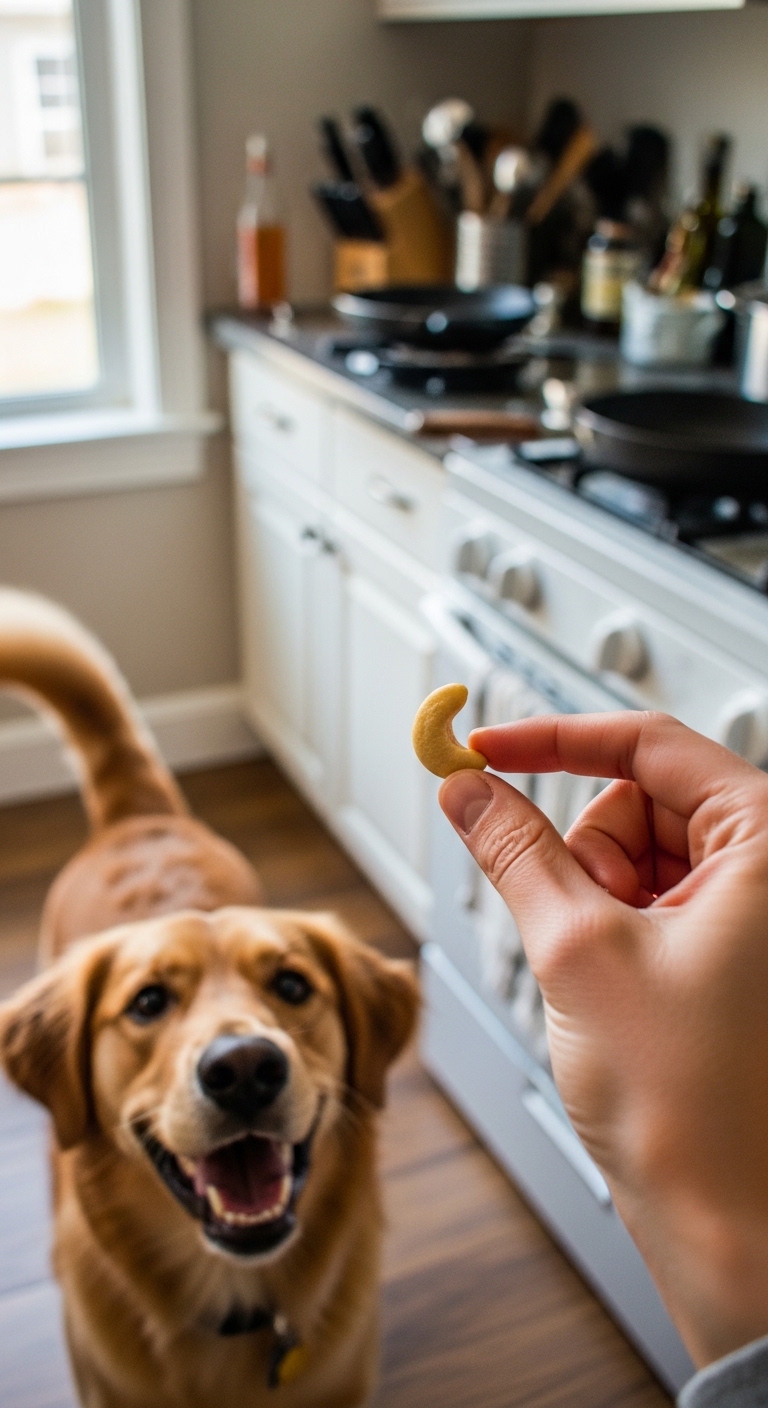
It’s easy to want to share everything with your dog, especially when they give you those big, pleading eyes. But when it comes to cashews, a little restraint now can prevent a lot of trouble later.
Frequently Asked Questions
- → Can dogs safely eat cashews?
Yes, dogs can safely eat cashews in moderation. Unlike some nuts, cashews are not toxic to dogs, but they should be given as an occasional treat rather than a regular part of their diet.
- → How many cashews can I give my dog?
For small dogs, one or two cashews per week is sufficient. Larger dogs can have up to four or five cashews per week, but always start with a small amount to monitor for any adverse reactions.
- → Are salted or flavored cashews safe for dogs?
No, salted, flavored, or roasted cashews with additives are not safe for dogs. Always offer plain, unsalted, and unflavored cashews to avoid sodium toxicity or other harmful ingredients.
- → What are the risks of feeding cashews to dogs?
The main risks include weight gain due to high fat content, potential choking hazards if not chopped properly, and possible allergic reactions. Dogs with pancreatitis or obesity should avoid cashews entirely.
- → Can puppies eat cashews?
It’s best to avoid giving cashews to puppies. Their digestive systems are still developing, and high-fat foods can cause stomach upset. Stick to puppy-specific treats instead.
- → What should I do if my dog eats too many cashews?
If your dog consumes a large amount of cashews, monitor for symptoms like vomiting, diarrhea, or lethargy. Contact your veterinarian if these symptoms occur or if you suspect an allergic reaction.