Can dogs eat mushrooms? It’s a question many pet owners ask, especially when they spot their pup sniffing around the forest floor or eyeing a stray mushroom in the yard. While some mushrooms are safe in small amounts, others can be deadly. Knowing which is which could save your dog’s life.
I once saw a neighbor’s dog gobble up a wild mushroom during a walk. The owner panicked but didn’t know what kind it was. Luckily, it turned out to be harmless, but it made me realize how little most people know about this topic.
Key Things to Understand
- Safe mushrooms: Some store-bought mushrooms like white button or shiitake are safe for dogs in small amounts but should never be seasoned or cooked with harmful ingredients
- Wild mushrooms: Wild mushrooms can be extremely dangerous. Many toxic varieties look just like edible ones, so it’s best to keep your dog away from them entirely
- Symptoms: Symptoms of mushroom poisoning include vomiting, diarrhea, drooling, lethargy, or tremors, and they can appear within hours
- Emergency action: If you suspect your dog has eaten a wild mushroom, contact your vet or an emergency pet poison hotline immediately
- Sensitivity: Certain breeds or dogs with pre-existing health conditions may be more sensitive to mushrooms, even safe ones
What to Look For
Pay attention to where your dog sniffs or digs, especially in wooded areas or parks where wild mushrooms grow. If you see your dog chewing on something unfamiliar, try to identify it quickly. Store-bought mushrooms are usually fine in small pieces, but avoid giving them raw or in large quantities. Watch for changes in behavior after your dog eats anything new: restlessness, whining, or loss of appetite can signal trouble. If you’re unsure about a mushroom your dog might have eaten, take a photo of it (from a safe distance) to show your vet. Also, check your yard regularly for mushrooms after rain, as they can pop up overnight.
I’ve noticed that dogs with curious noses often find mushrooms before their owners do. One friend’s terrier once dug up a patch of wild mushrooms and ate a few before she even realized what happened. She rushed him to the vet, and thankfully, he was fine, but it was a close call. Always keep an eye on your dog’s outdoor adventures.
Daily care habits
If your dog spends time in the yard, make it a habit to scan for mushrooms after rain or in damp shaded areas. Remove any you find to prevent accidental ingestion. Keep your dog on a leash in wooded areas where wild mushrooms are common. If you grow mushrooms at home for cooking, store them securely out of reach. Even safe mushrooms can cause digestive upset if given in large amounts, so treat them like any new food: start with tiny portions.
Choosing the right product
When buying store-bought mushrooms for your dog, opt for plain, unseasoned varieties like white button or portobello. Avoid canned mushrooms, which often contain high sodium levels. If you’re buying mushroom-based dog treats, check the label for added ingredients like garlic or onion, which are toxic. Look for products labeled specifically for dogs, as human-grade mushrooms may still be too rich for some pets.
Safety and comfort
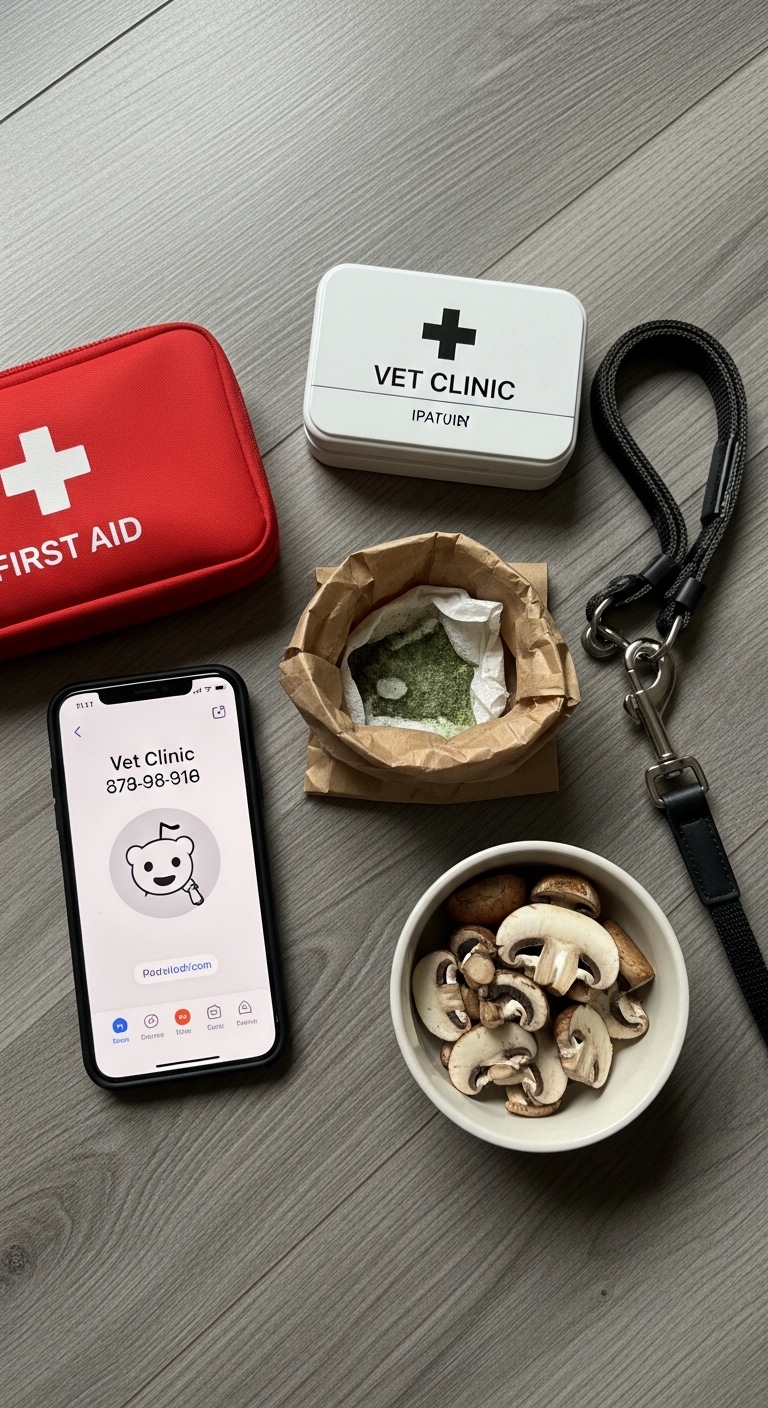
If your dog accidentally eats a wild mushroom, don’t wait for symptoms to appear: call your vet or a pet poison control line right away. Keep the ASPCA Animal Poison Control Center number (888-426-4435) saved in your phone for emergencies. If your dog vomits or seems unwell after eating mushrooms, collect a sample of the vomit or any remaining mushroom pieces to show the vet. Even if your dog seems fine, monitor them closely for 24 hours, as some toxins take time to show effects.
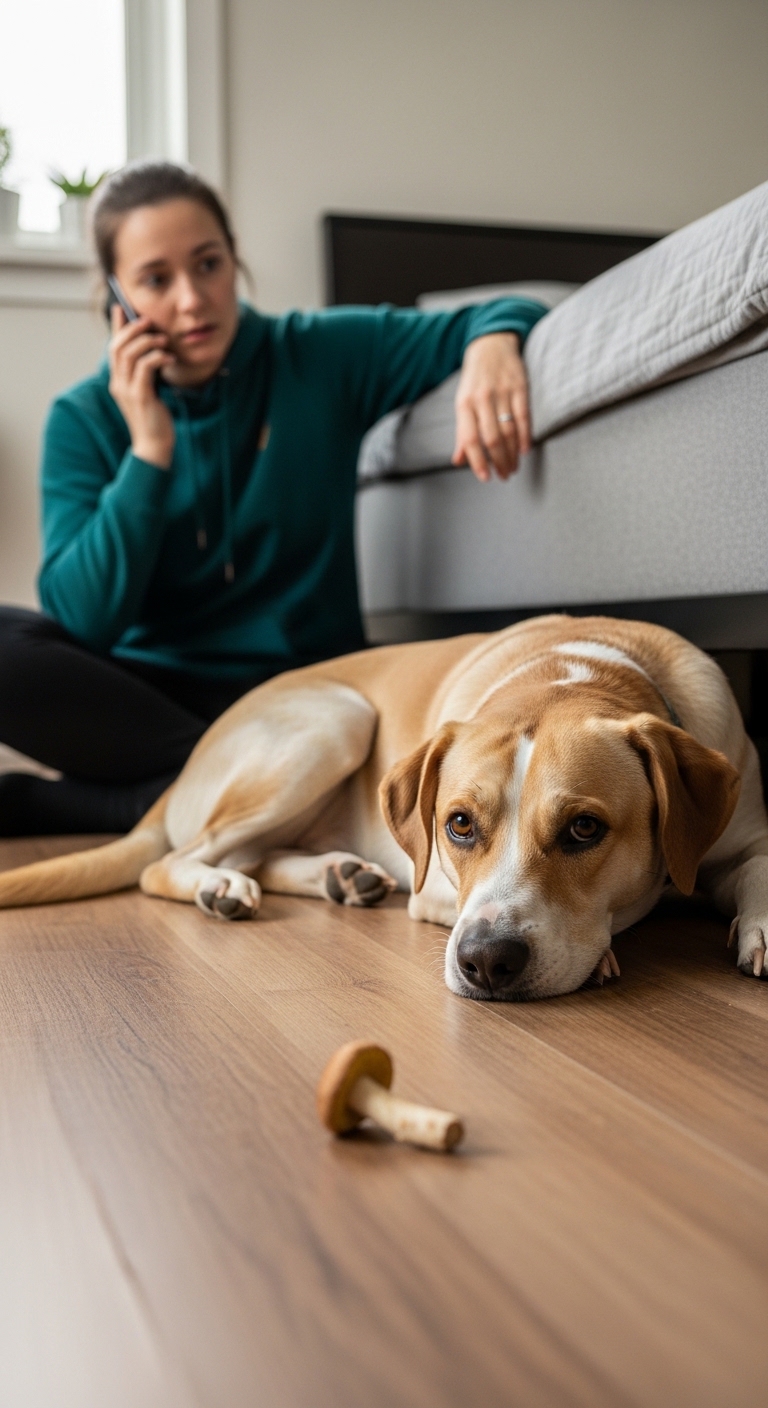
Understanding mushroom safety helps you protect your dog from accidental poisoning. Stay informed and cautious to keep your pet healthy.
Frequently Asked Questions
- → Are all mushrooms safe for dogs?
No, only certain store-bought mushrooms like white button or portobello are generally safe. Wild mushrooms can be highly toxic and should never be fed to dogs.
- → How should I prepare mushrooms for my dog?
Wash mushrooms thoroughly, remove stems, and cook them plain without seasoning, garlic, or onions. Cooking helps break down potential toxins and aids digestion.
- → Can dogs eat raw mushrooms?
Raw mushrooms are harder to digest and may contain more toxins. Cooking them is safer and reduces the risk of digestive upset or poisoning.
- → What are the signs of mushroom poisoning in dogs?
Symptoms include vomiting, diarrhea, lethargy, tremors, seizures, or excessive drooling. If you suspect poisoning, contact your vet immediately.
- → How much mushroom can I give my dog?
Start with small amounts, like a teaspoon for small dogs or a tablespoon for larger breeds. Monitor your dog for any adverse reactions before offering more.
- → Are canned mushrooms safe for dogs?
Canned mushrooms often contain added salt or preservatives, which aren’t ideal for dogs. Fresh, plain-cooked mushrooms are the best option.
- → Can puppies eat mushrooms?
Puppies have sensitive digestive systems. Introduce mushrooms cautiously and in tiny amounts, or consult your vet first to avoid potential issues.