
Fruits can be a tasty and healthy treat for dogs, adding variety to their diet while providing essential vitamins and fiber. Many pet owners wonder which fruits are safe and which should be avoided, making this a practical topic for everyday pet care. Knowing the right choices can boost your dog’s nutrition, support their immune system, and even freshen their breath naturally.
I once gave my neighbor’s dog a slice of watermelon on a hot day, and it became their go-to treat afterward: proof that dogs love the right fruits just as much as we do.
Key Things to Understand
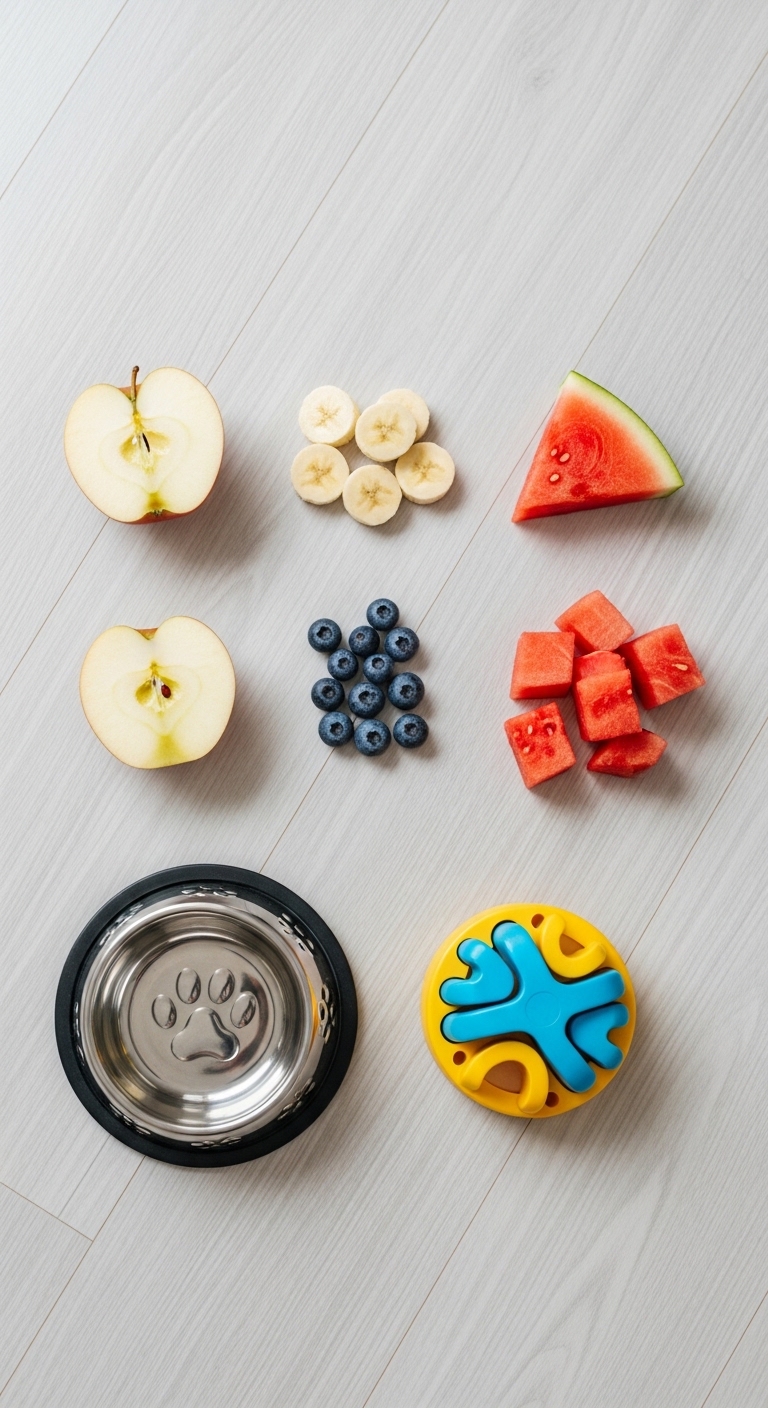
- Apples: A great choice because they’re low in calories and high in fiber and vitamin A, but always remove the seeds and core to prevent choking or cyanide exposure
- Blueberries: Packed with antioxidants and can be served frozen as a crunchy summer snack that dogs love
- Bananas: Safe in moderation due to their sugar content, but best for an energy boost rather than daily feeding
- Strawberries: Can be given whole or sliced, and their enzymes may help whiten your dog’s teeth over time
- Watermelon: Hydrating and seedless varieties are easiest to serve, but avoid the rind as it can cause blockages
What to Look For
When introducing fruit to your dog, start with small pieces to see how they react. Some dogs tolerate apples well but get an upset stomach from too much banana. Watch for signs like vomiting, diarrhea, or excessive gas, which could mean the fruit doesn’t agree with them. Freshness matters: overripe fruit can ferment in their stomach, leading to discomfort. If your dog has diabetes or weight issues, stick to lower-sugar options like raspberries or blackberries. Always wash fruit thoroughly to remove pesticides, especially for fruits with thin skins like strawberries.
I once saw a dog owner give their pup a whole grape as a treat, not realizing the danger. Within hours, the dog was lethargic and vomiting, a scary reminder that even small amounts of the wrong fruit can cause big problems. Always double-check before sharing human snacks.
Daily Care Habits
Incorporate fruit into your dog’s routine as an occasional reward rather than a meal replacement. A few blueberries mixed into their kibble can make breakfast more exciting without adding too many calories. If your dog is new to fruit, try offering a tiny piece during training sessions as a high-value treat. For senior dogs, softer fruits like ripe pear slices can be easier to chew than crunchy apples. Keep a fruit bowl in the fridge with dog-safe options pre-cut and ready to go for quick snacking.
Choosing the Right Product
When buying fruit for your dog, opt for organic when possible to minimize pesticide exposure. Avoid canned fruits packed in syrup, as the added sugar isn’t healthy for pets. Frozen fruit is a convenient backup for busy days, but thaw it first to prevent choking. If you’re unsure about a fruit’s safety, check with your vet before offering it. Some pet stores sell freeze-dried fruit treats made specifically for dogs, which can be a safer alternative to fresh options if you’re worried about portion control.
Safety and Comfort
Always supervise your dog when they’re eating fruit to prevent choking on large chunks. For small breeds or dogs with dental issues, mash soft fruits like banana or mango to make them easier to eat. Avoid giving fruit with tough skins or pits, as these can get lodged in their throat or intestines. If your dog has a sensitive stomach, introduce fruit slowly and stick to low-acid options like cantaloupe. Watch for signs of discomfort like drooling or pawing at the mouth, which could mean a piece is stuck.

Fruit can be a fun, nutritious addition to your dog’s diet when chosen and served carefully. Always prioritize safety and moderation.
Frequently Asked Questions
- → Can dogs eat apples?
Yes, dogs can eat apples in moderation. Remove the seeds and core first, as apple seeds contain cyanide, which is toxic to dogs. The flesh is safe and provides fiber and vitamins A and C.
- → Is watermelon safe for dogs?
Yes, seedless watermelon is safe for dogs and hydrating. Remove the rind and seeds to prevent choking or digestive issues. Serve in small, bite-sized pieces.
- → What fruits should dogs avoid?
Dogs should avoid grapes, raisins, cherries, citrus fruits, and fruits with pits like peaches and plums. These can cause toxicity, choking, or digestive problems.
- → How much fruit can I give my dog?
Fruits should make up no more than 10% of your dog’s daily diet. Too much fruit can lead to digestive upset or sugar-related issues. Always introduce new fruits slowly.
- → Can diabetic dogs eat fruit?
Diabetic dogs should avoid high-sugar fruits like grapes and bananas. Stick to low-sugar options like blueberries or strawberries in tiny amounts, and consult your vet for portion guidance.
- → Are bananas safe for dogs?
Yes, bananas are safe for dogs in moderation. They are high in potassium and fiber but also sugar, so offer them as an occasional treat only.