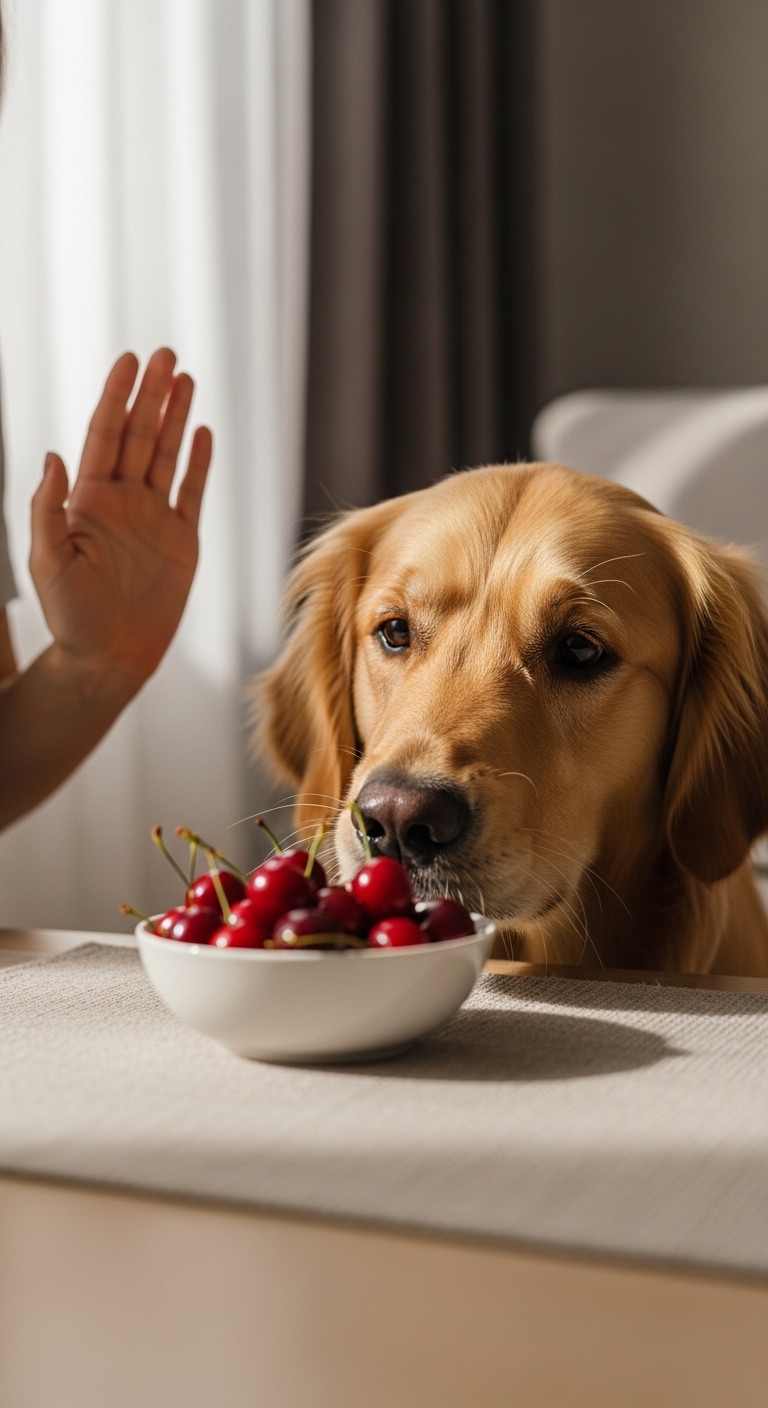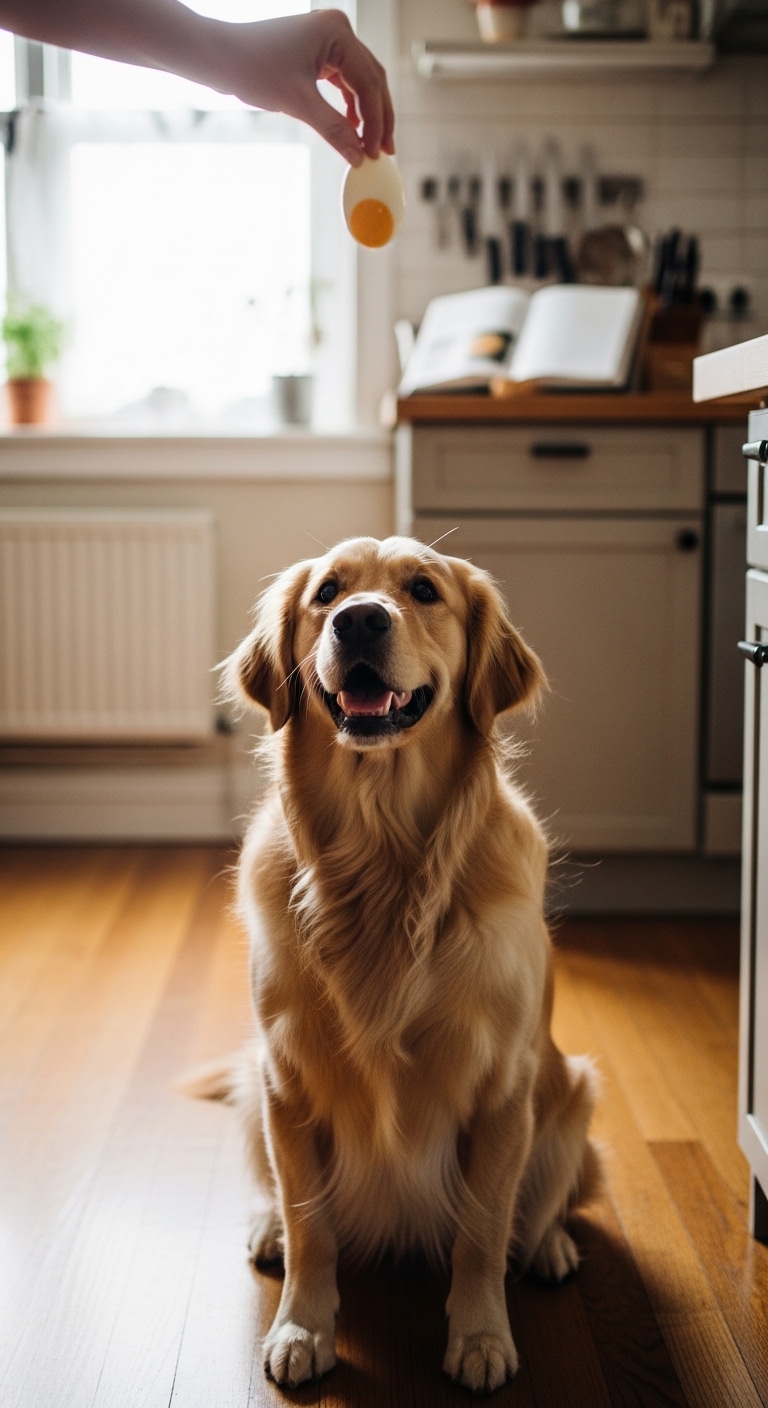
Can dogs eat carrots? It’s a question many pet owners ask, especially when looking for healthy, crunchy snacks to share with their furry friends. Carrots are often touted as a nutritious treat, but is it really safe for dogs to eat them? Understanding the benefits and potential risks can help you make informed decisions about your dog’s diet.
Avoid overfeeding carrots, as too much can lead to an upset stomach or weight gain.
Key Things to Understand
- Moderation is key: Carrots are safe for dogs in moderation, but they should be given as a treat, not a meal replacement
- Raw vs. cooked: Raw carrots are the best option because they provide a satisfying crunch that helps clean teeth. Cooked carrots are easier to digest but should be served plain without butter, salt, or seasoning
- Choking hazard: Large chunks of carrots can pose a choking risk, especially for small dogs
- Sugar content: Carrots are high in sugar, so diabetic dogs should eat them sparingly
- Digestive upset: Too many carrots can cause digestive upset, including diarrhea or constipation
What to Look For
Pay attention to how your dog reacts after eating carrots for the first time. Some dogs may have allergies or sensitivities, so watch for signs like itching, vomiting, or diarrhea. If your dog shows any unusual symptoms, stop feeding carrots and consult your vet. Also, observe your dog’s chewing habits: small dogs or those with dental issues may struggle with large carrot pieces, so cutting them into smaller, bite-sized pieces is a good idea. Freshness matters too; stale or wilted carrots can lose their nutritional value and may not be as appealing to your dog.
Daily Care Habits
Incorporating carrots into your dog’s routine can be a simple way to add variety to their diet. Try offering a small carrot stick as a reward during training sessions or as a distraction when you’re busy. If your dog isn’t used to chewing on hard vegetables, start with thin slices or grated carrots mixed into their regular food. This gradual introduction helps prevent digestive upset while allowing them to get used to the texture.
Choosing the Right Product
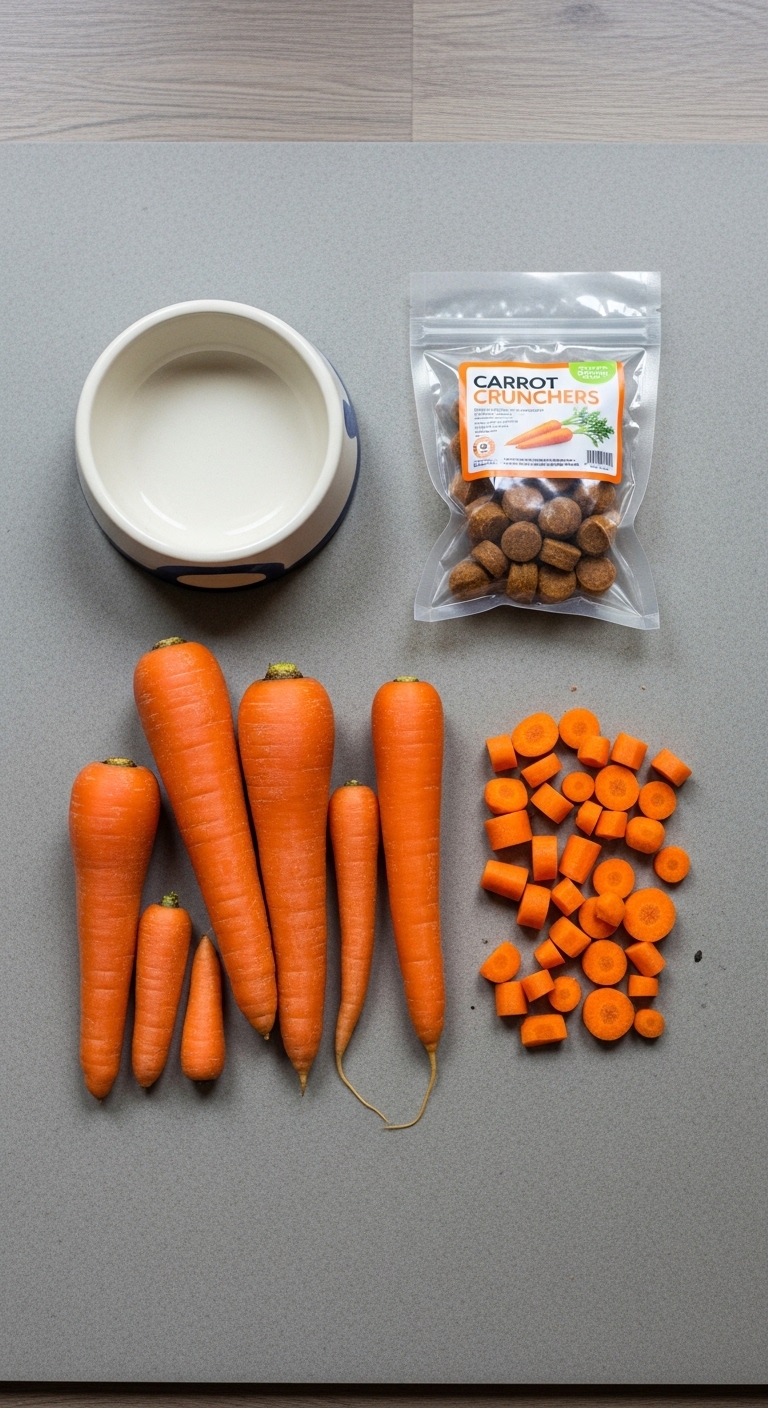
When buying carrots for your dog, opt for organic whenever possible to avoid pesticide residues. Look for firm, bright-colored carrots without any soft spots or mold. Baby carrots are a convenient choice, but they’re often pre-cut and may contain added preservatives: always check the label. If you’re unsure, whole carrots from a trusted source are the safest bet.
Safety and Comfort
Always supervise your dog when they’re eating carrots, especially if it’s their first time. Large pieces can be a choking hazard, so cut them into manageable sizes based on your dog’s breed and size. If your dog gulps food without chewing, consider steaming or boiling the carrots to soften them. This makes them easier to swallow while still providing the same nutritional benefits.
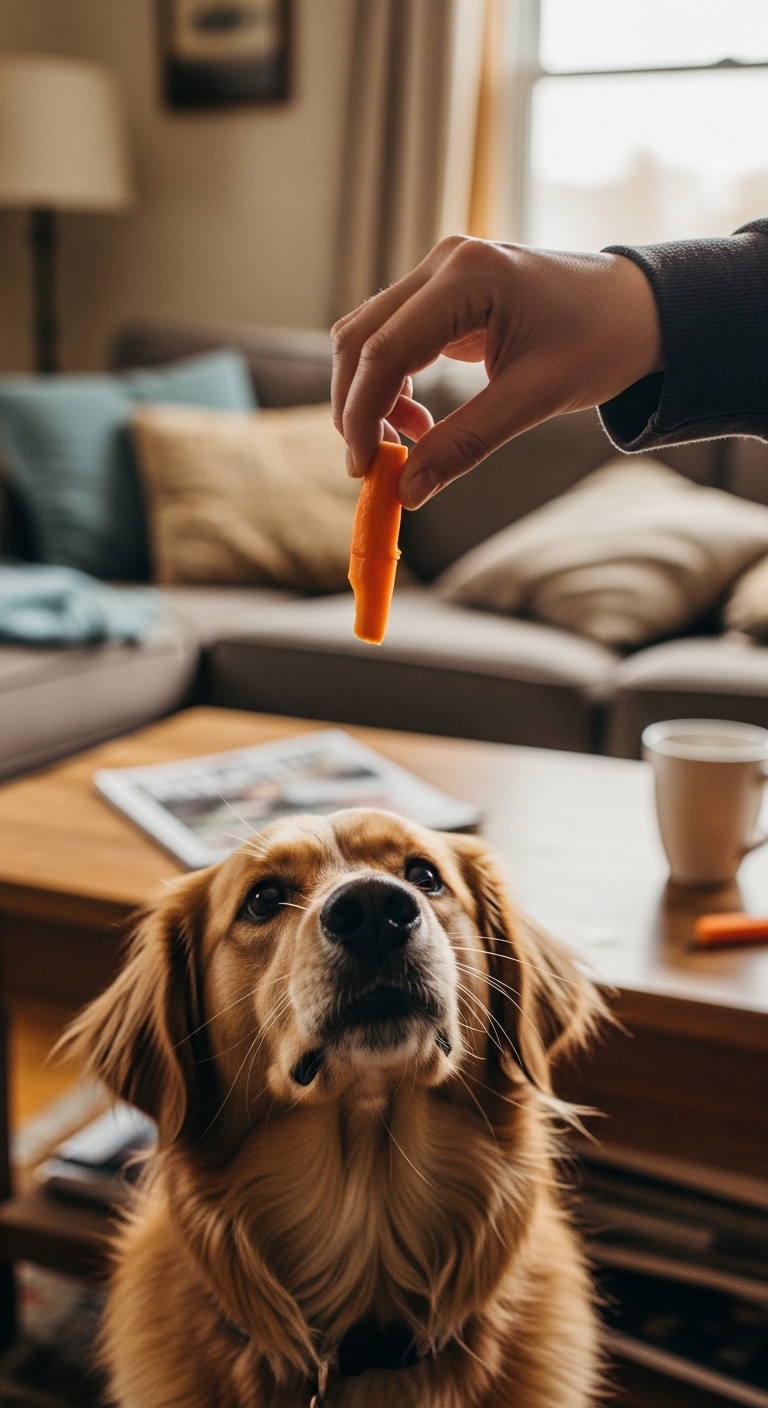
Carrots can be a healthy, enjoyable treat for your dog when given the right way. Always prioritize safety and moderation.
Frequently Asked Questions
- → Are carrots safe for all dog breeds?
Yes, carrots are generally safe for all dog breeds when served in appropriate portions. Small dogs should have smaller pieces to prevent choking hazards, while larger breeds can handle whole baby carrots or larger chunks.
- → How many carrots can I give my dog daily?
Carrots should make up no more than 10% of your dog's daily caloric intake. For most dogs, 1-2 baby carrots or ½ cup of chopped carrots per day is sufficient as a treat. Always adjust based on your dog's size and dietary needs.
- → Can puppies eat carrots?
Yes, puppies can eat carrots, but they should be served in very small, soft pieces to avoid choking. Start with tiny amounts to ensure your puppy tolerates them well before making them a regular treat.
- → Do carrots help clean dogs' teeth?
Chewing carrots can help scrape away plaque and tartar buildup on your dog's teeth, acting as a natural toothbrush. However, they should not replace regular dental care like brushing or professional cleanings.
- → What are the signs of carrot allergies in dogs?
While rare, some dogs may experience mild allergic reactions to carrots, such as itching, swelling, or digestive upset. If you notice any unusual symptoms after feeding carrots, discontinue use and consult your veterinarian.
- → Can diabetic dogs eat carrots?
Carrots have a moderate glycemic index, so they should be given in very small amounts to diabetic dogs. Always consult your vet before introducing new foods to a diabetic pet to ensure it fits into their dietary plan.