Can dogs eat cantaloupe? It’s a question many pet owners ask when looking for healthy, hydrating treats for their furry friends. Cantaloupe is packed with vitamins and water, making it a tempting snack, but is it safe for dogs? Before you share a slice, it’s important to understand the benefits and potential risks. This guide breaks down everything you need to know to make the best choice for your pup’s diet.
I remember the first time I gave my dog a small piece of cantaloupe. He loved the sweet taste, but I had to watch closely to make sure he didn’t gulp down too much at once. It’s those little real-life moments that help you adjust how you introduce new foods to your pet.
Key Things to Understand
- Cantaloupe is safe for dogs in moderation: but should never replace their regular diet
- The rind and seeds are dangerous: and can cause choking or digestive blockages
- Too much cantaloupe can lead to stomach upset: due to its natural sugars and fiber
- Always introduce new foods slowly: to monitor for allergies or sensitivities
What to Look For
When choosing cantaloupe for your dog, opt for ripe pieces with a sweet aroma and soft flesh. Avoid any fruit that smells fermented or has mold, as these can cause stomach issues. The flesh should be cut into small, bite-sized pieces to prevent choking, especially for smaller breeds. If your dog has never tried cantaloupe before, start with a tiny amount and observe their reaction over the next 24 hours. Watch for signs of discomfort like vomiting, diarrhea, or lethargy, which could indicate they’re not tolerating it well. Freshness matters too: serve cantaloupe at room temperature for the best taste and digestion.
A common mistake is assuming all fruits are safe for dogs just because they’re natural. While cantaloupe is generally fine, other fruits like grapes or cherries can be toxic. I once saw a friend’s dog get sick after eating a handful of grapes at a picnic: it was a harsh reminder that not all human foods are pet-friendly. Always double-check before sharing a new treat.
Daily Care Habits
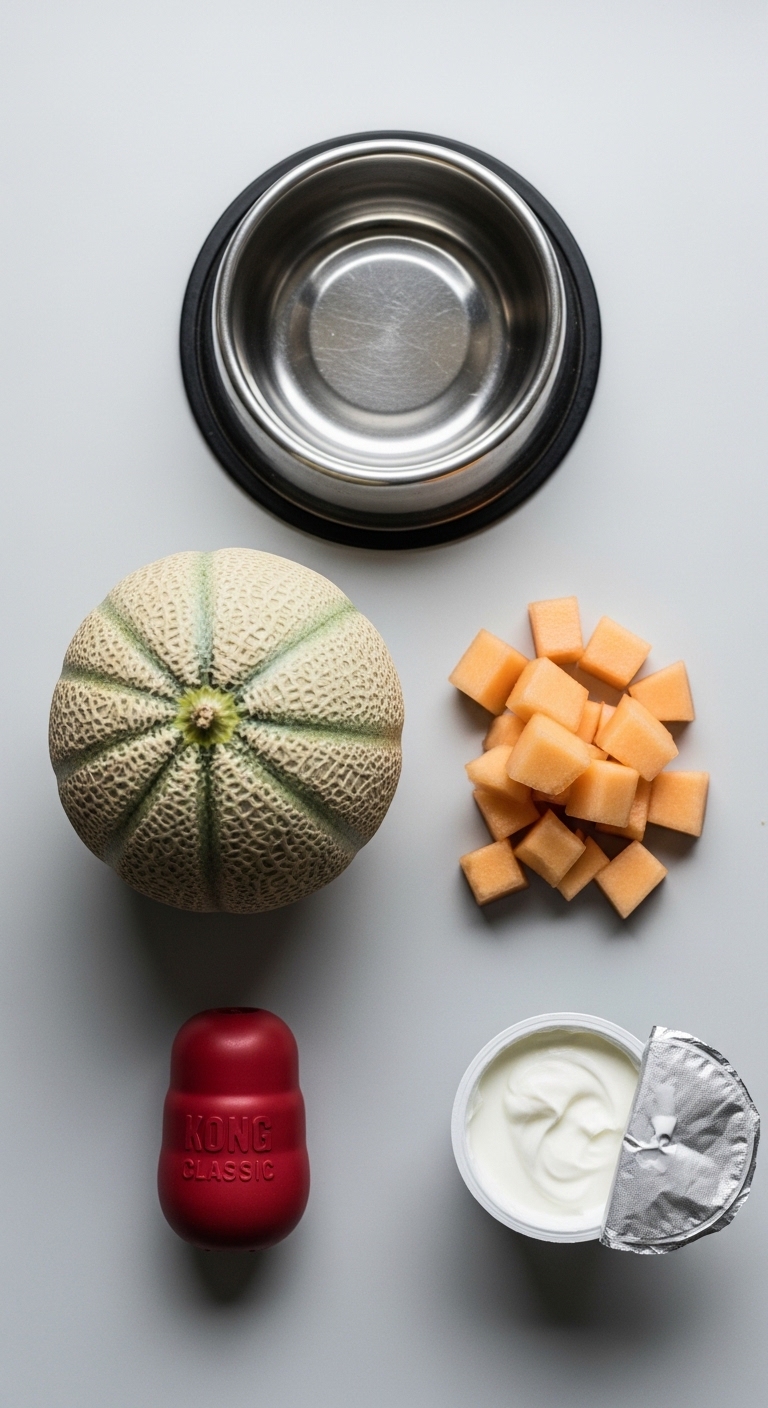
Incorporating cantaloupe into your dog’s routine can be a fun way to keep them cool in summer. Try freezing small cubes as a refreshing snack or mixing diced pieces into their regular food for added flavor. If your dog is picky about new foods, mix cantaloupe with a spoon of plain yogurt to make it more appealing. Just be mindful of portion sizes: too much fruit at once can lead to an upset stomach.
Choosing the Right Product
When buying cantaloupe for your dog, look for organic options whenever possible to avoid pesticide residues. The fruit should feel heavy for its size, indicating juiciness, and the stem end should give slightly when pressed. Avoid pre-cut cantaloupe from the store unless it’s labeled as organic, as non-organic options may contain preservatives or chemicals that aren’t safe for pets.
Safety and Comfort
Always remove the rind and seeds before serving cantaloupe to your dog. The rind is tough to digest and can cause choking or intestinal blockages, while the seeds may contain traces of cyanide, which is toxic in large amounts. If your dog has a sensitive stomach, introduce cantaloupe slowly and in small quantities to avoid digestive upset. Some dogs may also have allergies to certain fruits, so monitor their reaction closely after the first few servings.
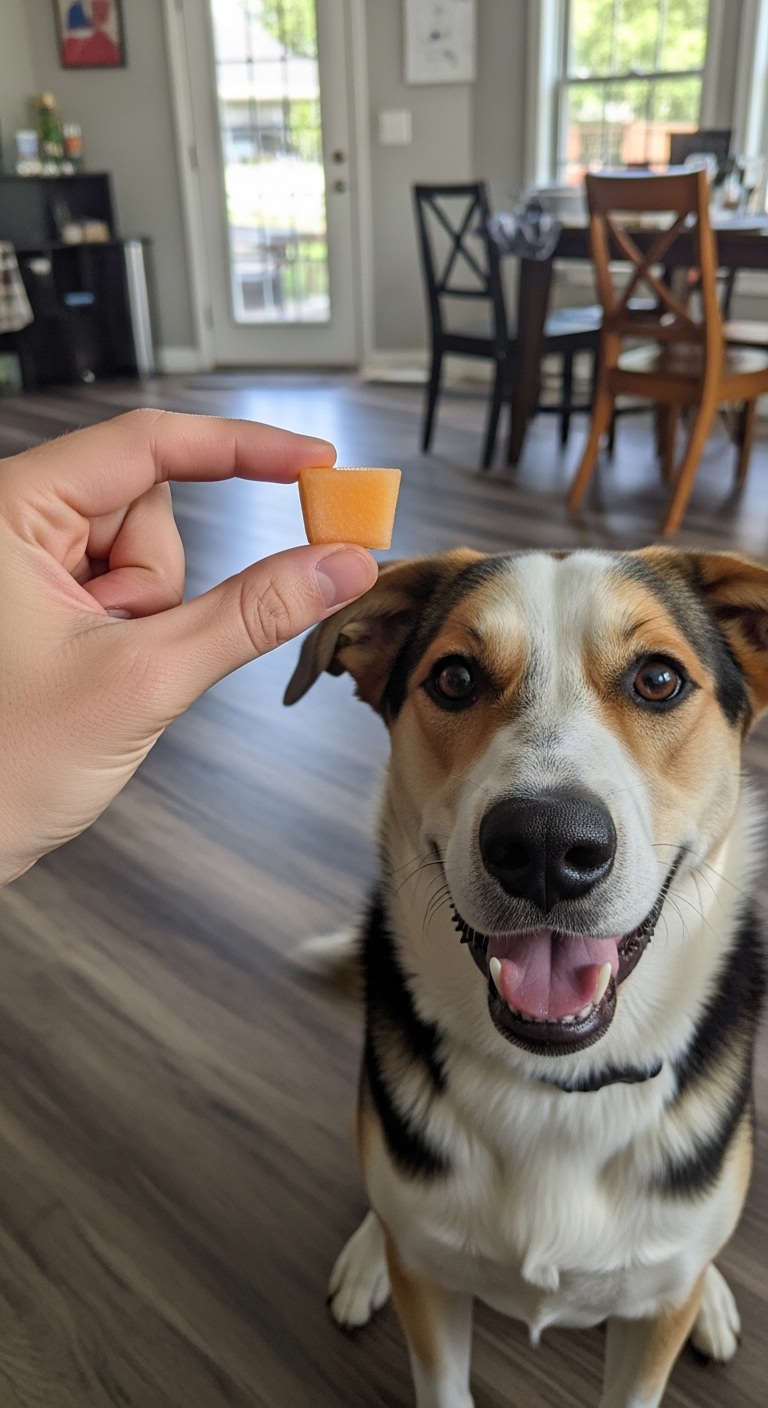
Cantaloupe can be a refreshing and nutritious treat for your dog when served safely. Always prioritize moderation and preparation to keep your pup happy and healthy.
Frequently Asked Questions
- → Is cantaloupe safe for all dogs?
Most dogs can safely eat cantaloupe, but moderation is key. Puppies, senior dogs, or those with sensitive stomachs should try small amounts first. Avoid giving it to dogs with diabetes or obesity due to the natural sugars.
- → How much cantaloupe can I give my dog?
Treats, including cantaloupe, should make up no more than 10% of your dog’s daily diet. For a medium-sized dog, 2-3 small cubes (about 1/4 cup) is a safe serving size as an occasional treat.
- → Can dogs eat cantaloupe rind or seeds?
No. The rind is tough and difficult to digest, posing a choking hazard or causing intestinal blockages. The seeds can also be a risk, so always remove them before offering cantaloupe to your dog.
- → What are the benefits of cantaloupe for dogs?
Cantaloupe is rich in vitamins A, B6, and C, which support immune health, skin, and vision. Its high water content (90%) helps with hydration, and fiber aids digestion. However, these benefits are only realized when fed in moderation.
- → Can cantaloupe cause allergies in dogs?
While rare, some dogs may have an allergic reaction to cantaloupe. Signs include itching, swelling, or digestive upset. If you notice any unusual symptoms after feeding, discontinue use and consult your vet.
- → How should I prepare cantaloupe for my dog?
Wash the cantaloupe thoroughly to remove pesticides. Cut it into small, bite-sized pieces, removing all rind and seeds. Serve fresh or frozen (as a cool treat) but avoid canned or sweetened varieties.