
If you're a pet owner who loves snacking on blueberries, you’ve probably wondered if sharing them with your furry friend is safe. Blueberries are packed with antioxidants, fiber, and vitamins, making them a healthy treat for humans. For dogs, the answer depends on moderation and individual tolerance. Some dogs can enjoy blueberries without issues, while others may experience digestive upset or allergic reactions. Knowing how to introduce this fruit safely can help keep your dog happy and healthy.
I once gave my neighbor’s dog a handful of blueberries as a treat, only to find out later that the dog was sensitive to them. The pup spent hours looking miserable, and I felt awful for not checking first. That experience taught me how crucial it is to introduce new foods slowly and watch for reactions.
Key Things to Understand
- Moderation is essential: Too many blueberries can cause digestive issues like diarrhea or vomiting due to natural sugars and fiber.
- Fresh or frozen is best: Avoid canned varieties, which often contain added sugars or syrups harmful to dogs.
- Avoid pesticides: Chemicals on non-organic blueberries can be toxic, so always wash them thoroughly.
- Watch for diabetes or weight issues: Blueberries contain natural sugars, so limit portions for overweight or diabetic dogs.
- Remove stems and leaves: These can pose choking hazards or cause intestinal blockages.
What to Look For
Start with just one or two berries to test your dog’s reaction. Monitor for signs of upset stomach, such as vomiting, diarrhea, or excessive gas within 24 hours. If no issues arise, gradually increase portions, but keep them under 10% of daily calorie intake. Choose firm, plump, deep-blue berries and avoid mushy, moldy, or foul-smelling ones. Thaw frozen blueberries first to prevent choking or dental damage. Observe your dog’s energy levels and stool consistency afterward to gauge tolerance.
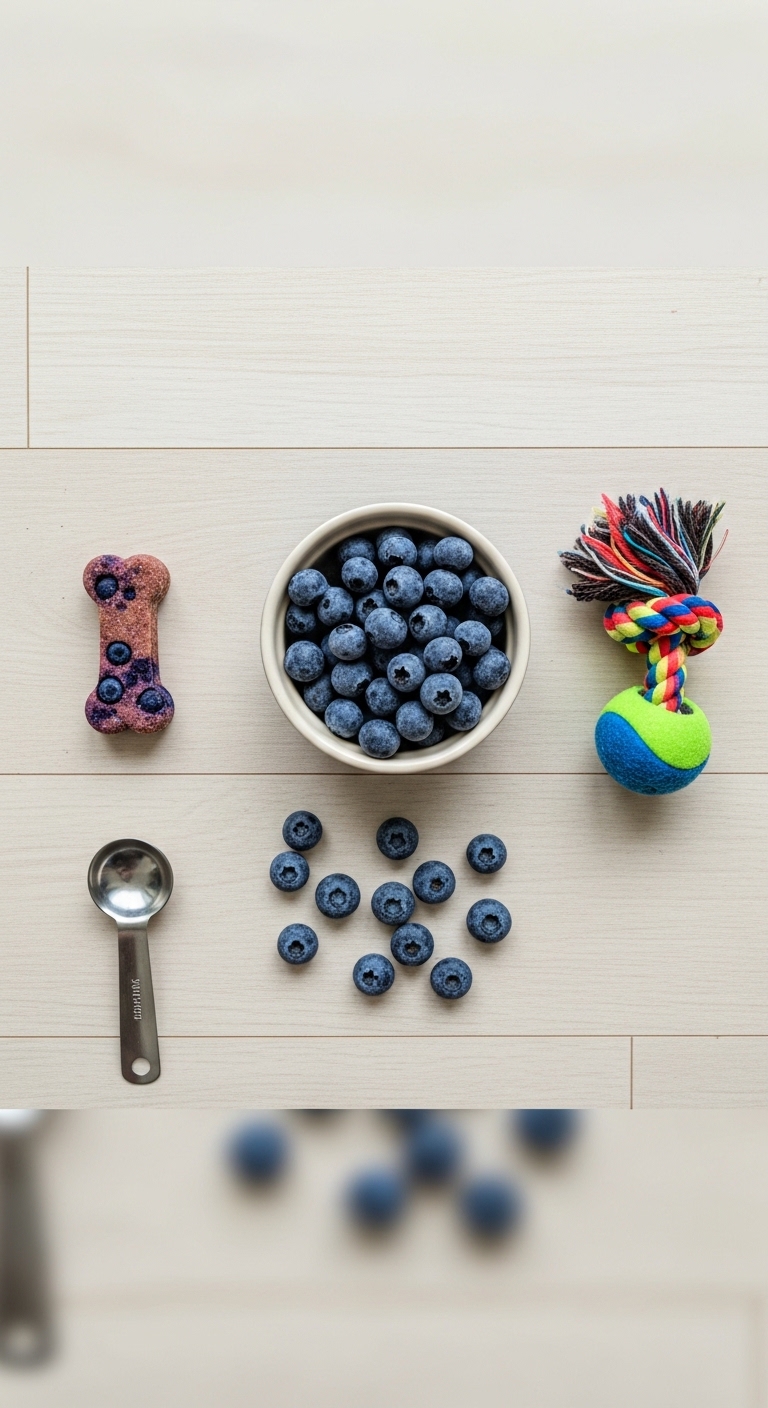
I once saw a dog owner feed their large breed an entire pint of blueberries as a "healthy snack," only to deal with a messy cleanup later. It’s a reminder that even safe foods require moderation. Start small, observe your dog’s reaction, and adjust portions accordingly.
Serving Suggestions
Blueberries can be served fresh, frozen (thawed), or mashed into your dog’s regular food. For picky eaters, try using them as a training reward or mixing them with plain yogurt (unsweetened) for added appeal. Avoid adding sugar, syrup, or other toppings, as these can harm your dog’s health.
When to Avoid Blueberries
Avoid giving blueberries to dogs with known fruit allergies or those prone to digestive sensitivity. If your dog is on a strict prescription diet, consult your vet before introducing any new treats. Puppies and senior dogs may also need smaller portions or special preparation (e.g., mashed) to prevent choking.
Alternatives to Blueberries
If your dog doesn’t tolerate blueberries, other safe fruit options include apples (seedless), bananas (in moderation), and watermelon (seedless, rind removed). Always introduce new fruits one at a time and in small amounts to check for adverse reactions.

Blueberries can be a fun, nutritious treat for dogs, but they’re best enjoyed in moderation. Always prioritize your dog’s balanced diet and consult your vet for personalized advice.
Frequently Asked Questions
- → Are blueberries safe for all dogs?
Most dogs can safely eat blueberries, but individual tolerance varies. Always introduce them slowly and watch for signs of allergies like itching, swelling, or digestive upset. Puppies, senior dogs, and those with health conditions should consult a vet first.
- → How many blueberries can I give my dog?
Portion size depends on your dog’s weight. A general rule is 1-2 blueberries per 10 pounds of body weight, given as an occasional treat. Too many can cause stomach upset due to the natural sugars and fiber.
- → Can blueberries replace my dog’s regular treats?
Blueberries can be a healthy alternative to processed treats, but they shouldn’t replace a balanced diet. Use them as a supplement or occasional reward, not a primary food source. Always prioritize high-quality commercial dog food for complete nutrition.
- → What’s the best way to serve blueberries to dogs?
Wash blueberries thoroughly to remove pesticides. Serve them fresh, frozen, or mashed. For small dogs, cut them in half to prevent choking. Avoid canned or sugary blueberry products, as added ingredients can be harmful.
- → Do blueberries help with my dog’s health?
Yes! Blueberries are rich in antioxidants that fight inflammation, support brain health, and boost immunity. Their fiber content aids digestion, and vitamins C and K contribute to overall wellness. They’re also a hydrating snack due to their high water content.
- → Can diabetic dogs eat blueberries?
Blueberries have a low glycemic index, making them a safer fruit option for diabetic dogs compared to high-sugar treats. However, portion control is crucial. Always consult your vet to determine the right amount and monitor your dog’s blood sugar levels after feeding.