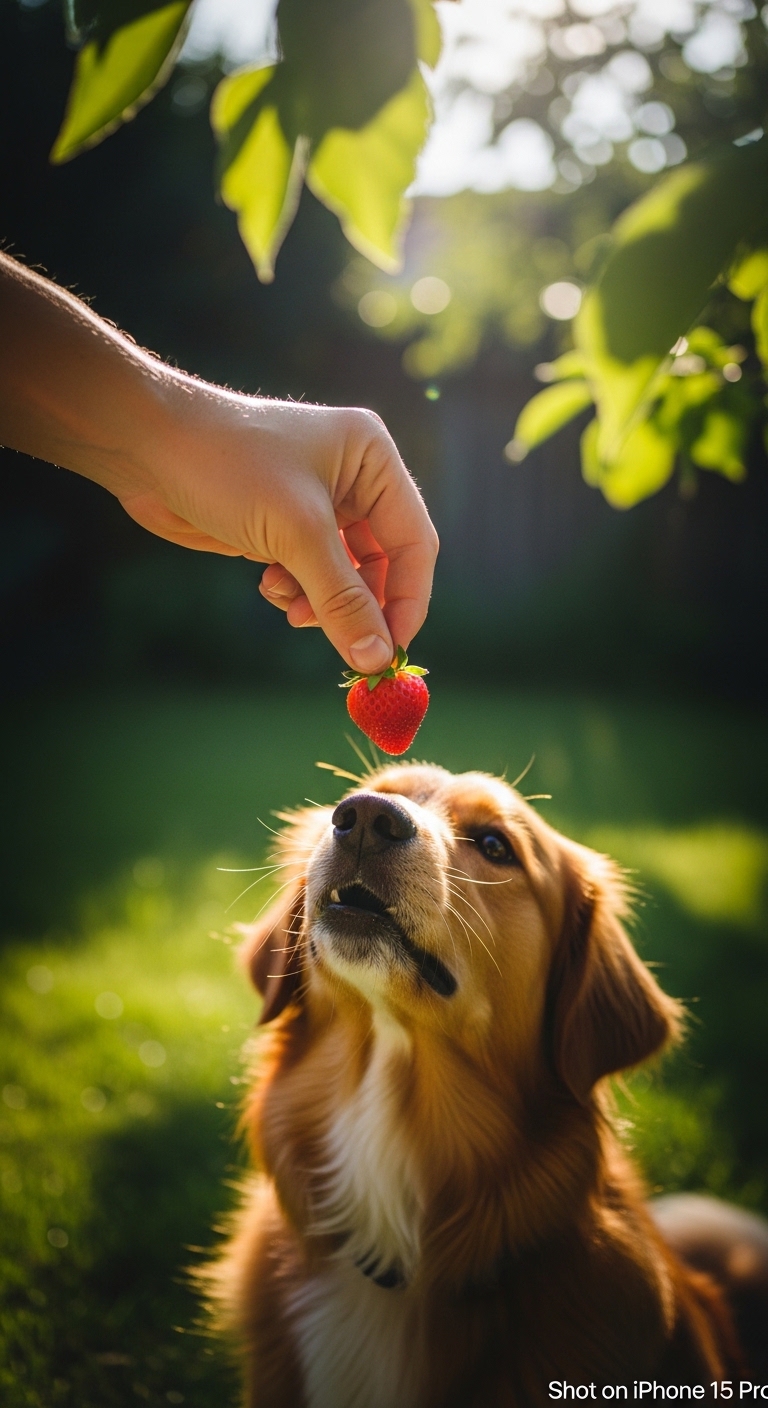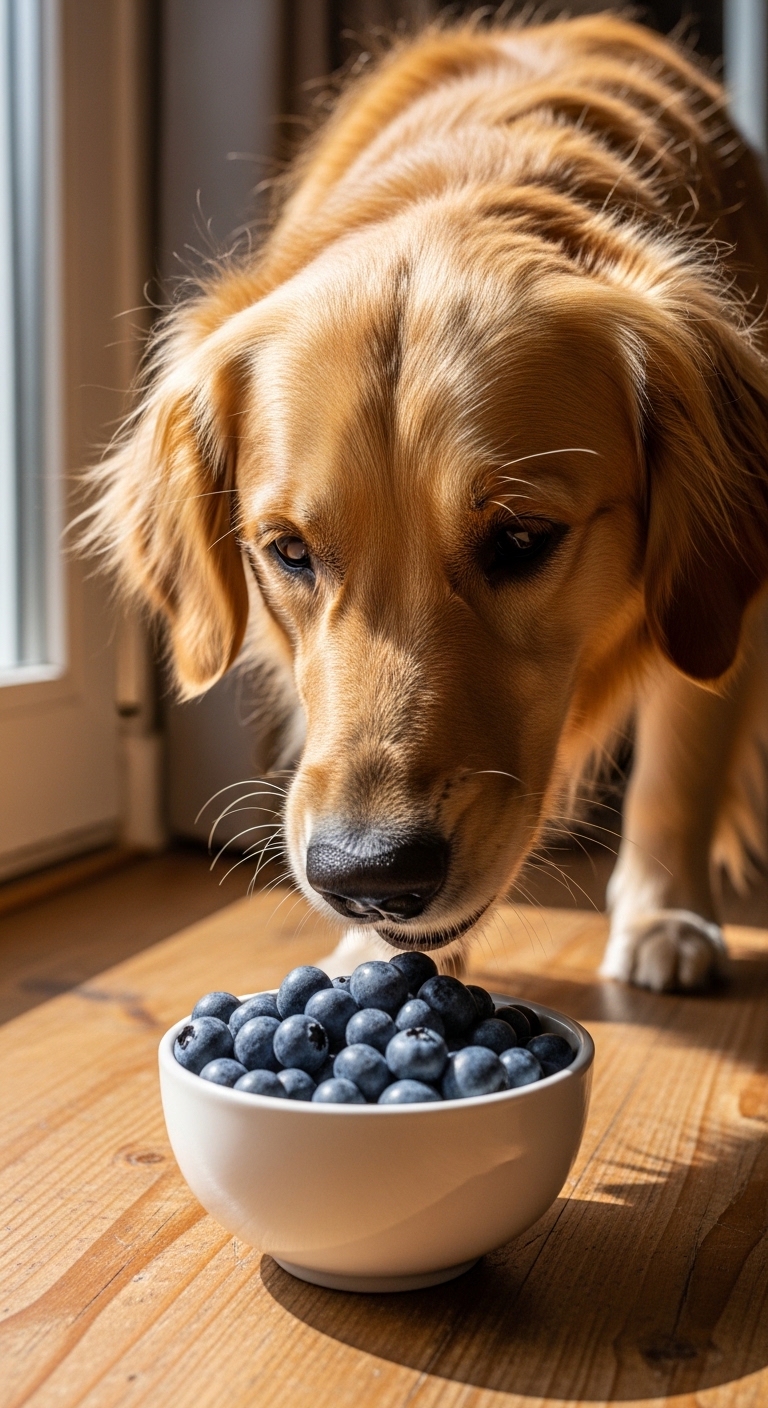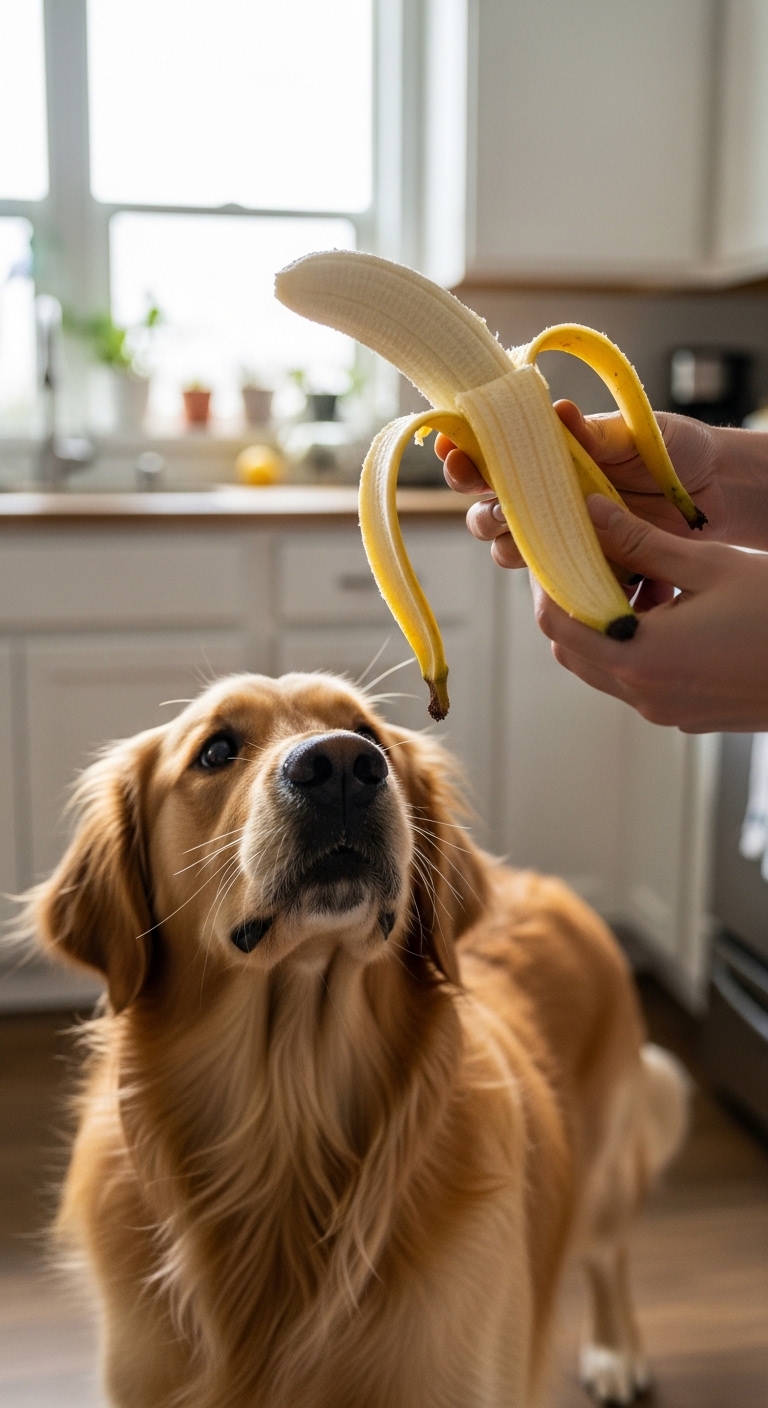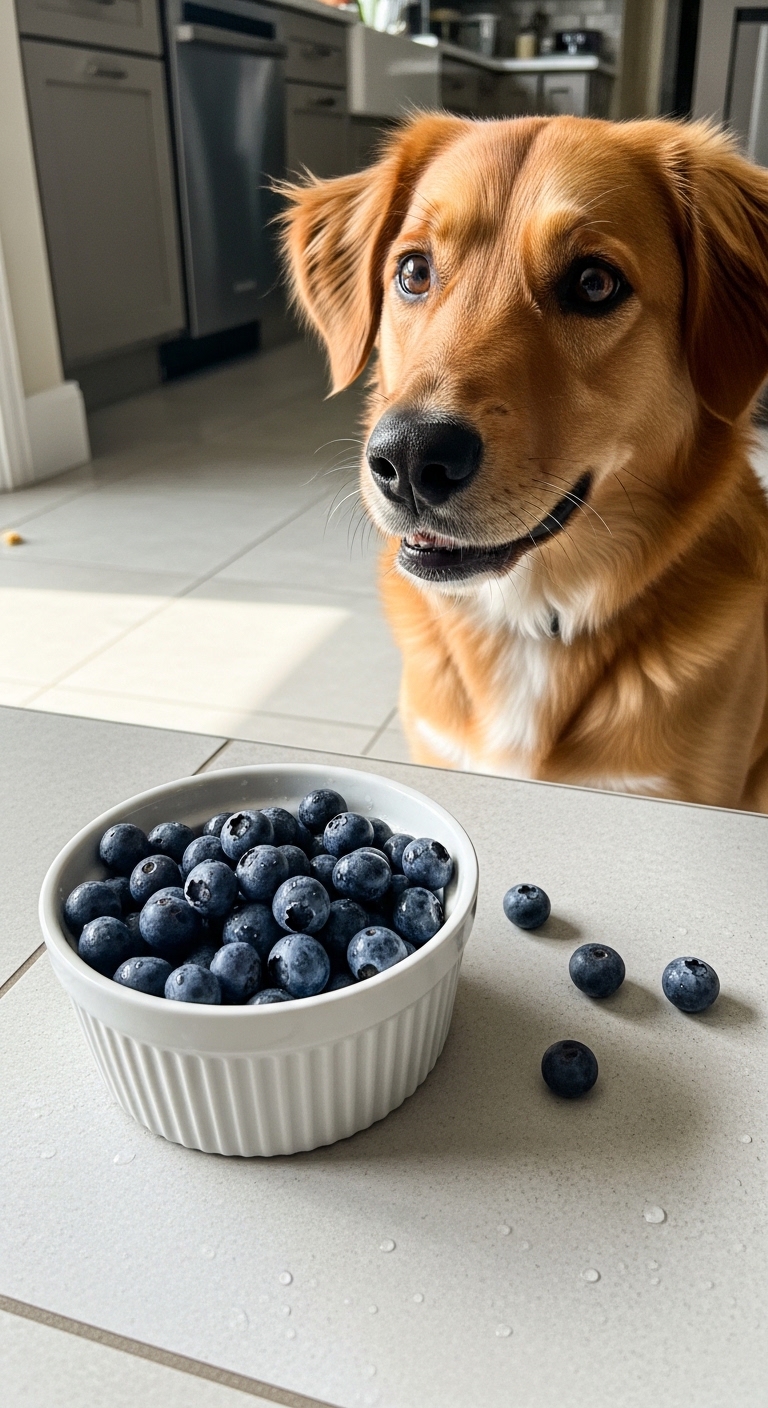
Apples can be a great snack for dogs when given the right way. Many pet owners wonder if this crunchy, sweet fruit is safe for their furry friends, and the answer isn’t as simple as yes or no. Knowing how to serve apples properly can make a big difference in keeping your dog healthy and happy while avoiding any risks.
I remember the first time I gave my dog a slice of apple, he went crazy for it, but I had to double-check if the seeds were okay. That little moment taught me how important it is to be informed before sharing human food with pets.
Key Things to Understand
- Apples are safe for dogs in moderation: they’re low in fat and high in fiber and vitamins
- The flesh of the apple is the safest part: the seeds and core contain cyanide and should never be eaten
- Apple skins can be tough: especially for smaller breeds, so peeling them might help
- Too much apple can cause digestive upset: due to natural sugars, so small portions are key
- Always introduce apples slowly: to see how your dog reacts before making it a regular treat
What to Look For
When choosing apples for your dog, pick fresh, firm ones without any bruises or soft spots. Organic apples are a good option if you’re concerned about pesticides, but washing any apple thoroughly before serving is important. Watch your dog’s reaction the first few times they try apple: some dogs gobble it up right away, while others might sniff it cautiously. If your dog has a sensitive stomach, start with a tiny piece to see how they handle it. Also, pay attention to how they chew; large chunks can be a choking hazard, so cutting the apple into small, bite-sized pieces is always the safest approach.
I once saw a friend’s dog get sick after eating a whole apple core: it was a scary lesson in how easily a simple snack can turn into a vet visit. Always supervise your dog when they’re trying something new, and when in doubt, ask your vet before introducing human foods.
Daily care habits
Adding apples to your dog’s routine can be a fun way to mix up their treats. Try giving a few slices as a reward during training sessions or mixing diced apple into their regular food for extra flavor. If your dog isn’t used to apples, start with just one or two small pieces and wait a day to see how they react. Some dogs might love the crunch, while others could turn their nose up at it: just like people, dogs have their own preferences.
Safety and comfort
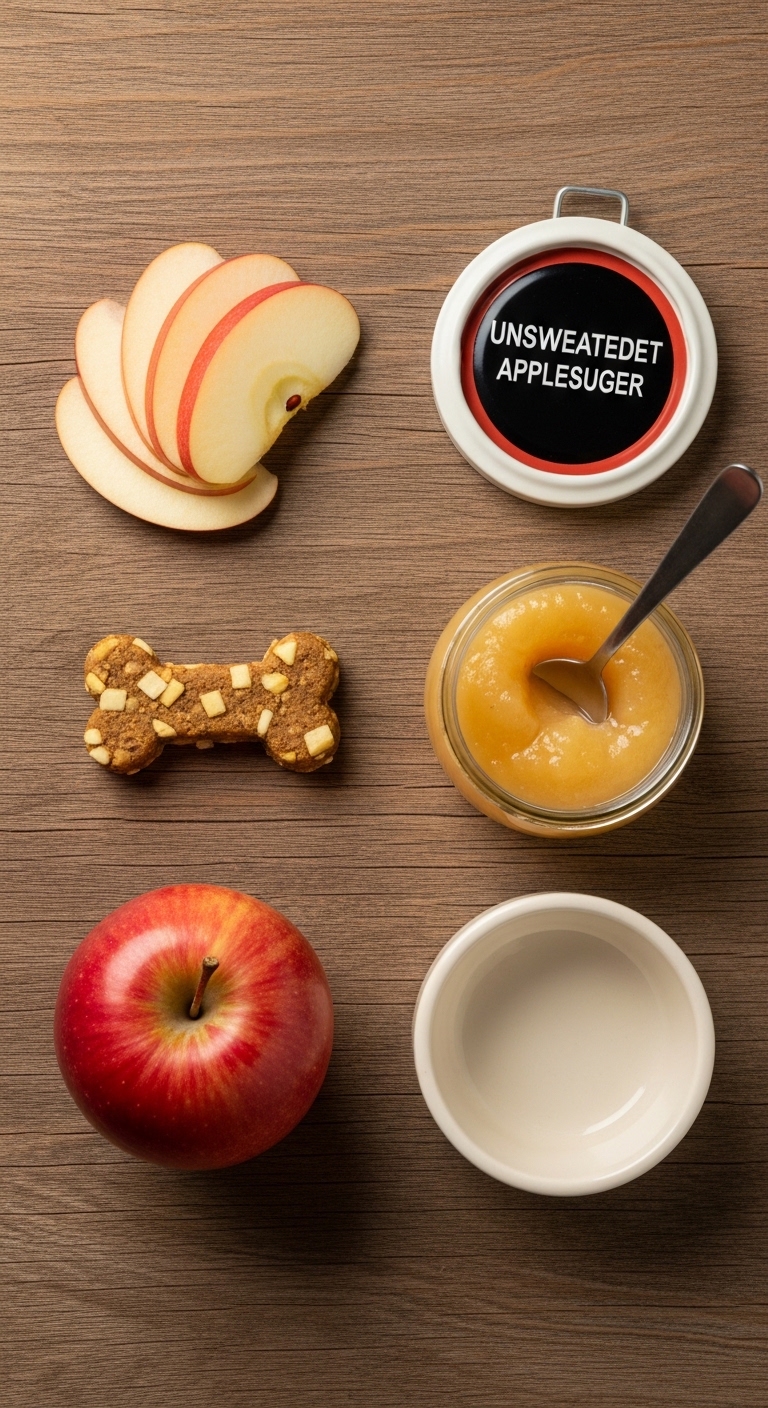
Always remove the seeds, core, and stem before giving apples to your dog. These parts can cause choking or digestive issues, and the seeds contain small amounts of cyanide, which is harmful in large quantities. If your dog has diabetes or is overweight, be extra cautious with apple portions because of the natural sugars. For puppies or senior dogs, softer apple slices or even applesauce (without added sugar) can be easier to eat.
Cleaning and hygiene
Wash apples thoroughly before serving to remove any dirt, pesticides, or wax coatings. If you’re using apple peels, make sure they’re clean and free of chemicals. After giving your dog apple slices, check their bowl and eating area to clean up any leftovers: this prevents pests and keeps their space tidy. If your dog has a habit of stealing food off counters, store apples out of reach to avoid accidental overfeeding.

When in doubt, your vet is the best resource for questions about your dog’s diet. Every dog is different, and what works for one might not work for another.
Frequently Asked Questions
- → Are apple seeds toxic to dogs?
Yes, apple seeds contain amygdalin, which releases cyanide when chewed. Always remove seeds before giving apples to your dog.
- → How much apple can I give my dog?
Start with small amounts—about 1-2 slices for small dogs or a few chunks for larger breeds. Monitor for digestive issues.
- → Can dogs eat apple cores?
No, the core is a choking hazard and difficult to digest. Always remove the core before serving apples to your dog.
- → Do apples help clean a dog’s teeth?
The crunchy texture can help reduce plaque buildup, but apples shouldn’t replace regular tooth brushing. Use as an occasional treat.
- → What are the signs of apple poisoning in dogs?
Symptoms include vomiting, diarrhea, lethargy, or difficulty breathing. Seek veterinary care if you suspect poisoning from seeds or excessive consumption.
- → Can diabetic dogs eat apples?
Apples contain natural sugars, so diabetic dogs should only have them in very small amounts and under veterinary supervision.