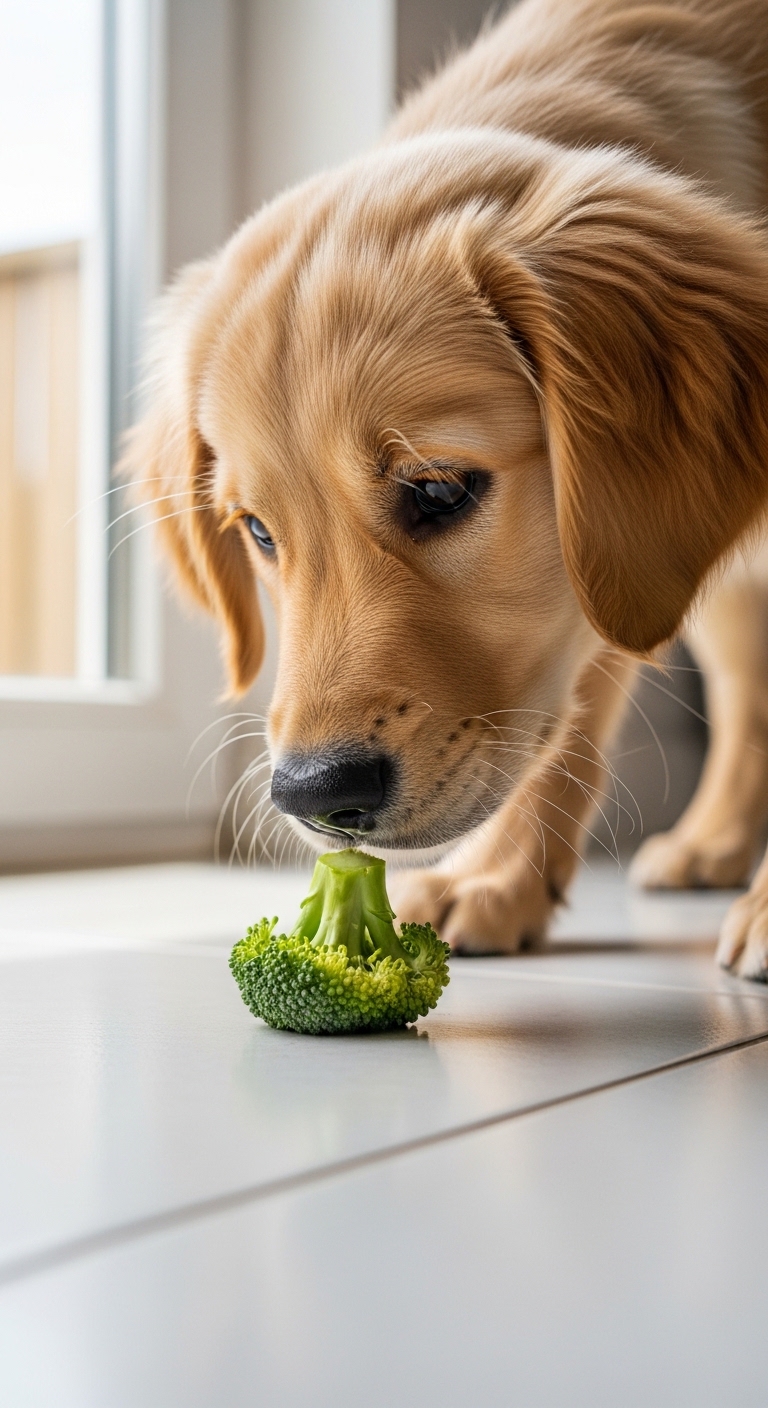
Can dogs have pineapple? It’s a question many pet owners ask when looking for healthy treats to share with their furry friends. Pineapple isn’t just a sweet, juicy snack for humans: it can be a tasty and nutritious option for dogs too, as long as it’s given in the right way. Many pet owners worry about which human foods are safe, and pineapple often comes up as a confusing one. The good news is that pineapple can be a great occasional treat, packed with vitamins and fiber, but there are a few key things to keep in mind before serving it.
I remember the first time I gave my golden retriever a small piece of pineapple. His tail wagged nonstop, and he seemed to love the taste. But I also noticed he got a little gassy afterward, which taught me that moderation is key even with healthy treats.
Key Things to Understand
- Pineapple is safe for dogs in moderation: but should never replace their regular diet.
- The core and leaves are tough: and can cause choking or digestive blockages, so always remove them before serving.
- Fresh pineapple is the best option: because canned versions often contain added sugars or syrups that aren’t good for pets.
- Small pieces are easier for dogs to eat and digest: especially for smaller breeds.
- Some dogs may have mild stomach upset: like diarrhea or vomiting, if they eat too much or are sensitive to new foods. Always introduce pineapple slowly to see how your dog reacts before making it a regular treat.
What to Look For
When choosing pineapple for your dog, fresh is always the safest bet. Look for ripe pineapples with a sweet smell and slightly soft flesh: these are easier to digest and more appealing to your pet. Avoid any pineapple that smells fermented or has mold, as these can cause stomach issues. If you’re using canned pineapple, check the label for added sugars or artificial sweeteners like xylitol, which is toxic to dogs. Even natural pineapple juice can be too acidic for some dogs, so it’s best to stick with small pieces of the fruit itself. Watch your dog’s reaction after the first few bites. If they seem extra thirsty, have loose stools, or show signs of discomfort, it’s a sign they might not tolerate it well.
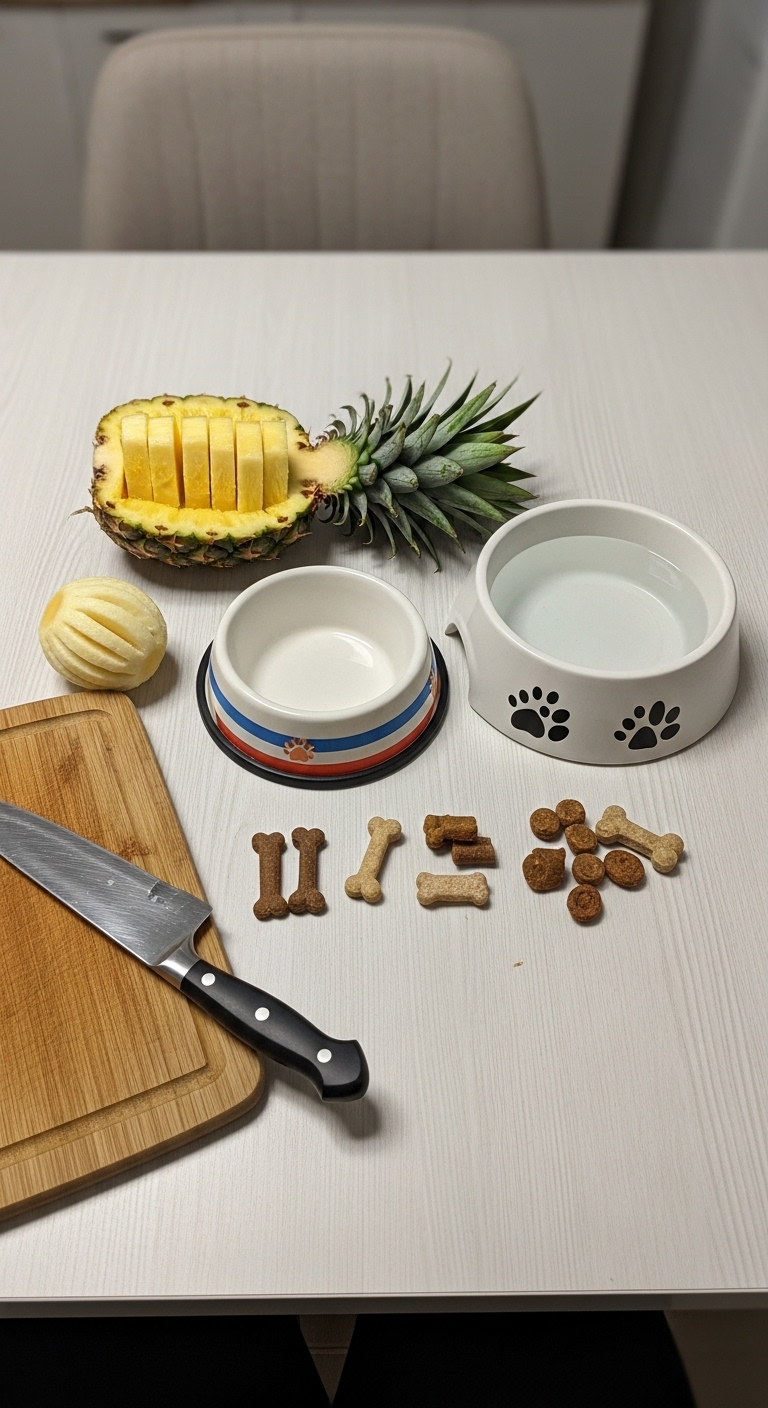
Start with a small piece, about the size of a pea, and watch for any adverse reactions over the next 24 hours. If your dog enjoys it and doesn’t show signs of discomfort, you can gradually increase the portion to a few small chunks, depending on their size.
Feeding Pineapple Safely
For a medium-sized dog, a couple of small pieces once or twice a week is plenty. Larger breeds can handle slightly more, but it’s still important not to overdo it. Mixing pineapple into their regular food can be a fun way to add variety, but avoid making it a daily habit to prevent digestive upset or weight gain.
Alternatives to Fresh Pineapple
If fresh pineapple isn’t available, frozen pineapple can be a good substitute, but thaw it first to make it easier for your dog to chew. Dehydrated pineapple without added sugars is another option, though it’s more concentrated, so you’ll need to give even smaller amounts. Avoid pineapple-flavored snacks or treats made for humans, as these often contain ingredients that aren’t safe for dogs. Always check with your vet if you’re unsure about introducing new foods, especially if your dog has health conditions like kidney disease or allergies.

Pineapple can be a fun and healthy treat for dogs when given in moderation. Always prioritize safety and consult your vet if you’re unsure.
Frequently Asked Questions
- → Is pineapple safe for all dogs?
Most dogs can safely eat pineapple in small amounts, but individual tolerance varies. Puppies, senior dogs, or those with sensitive stomachs should try tiny portions first. Dogs with diabetes or obesity should avoid pineapple due to its sugar content.
- → How much pineapple can I give my dog?
Start with a few small cubes (about 1-2 teaspoons for small dogs, 1-2 tablespoons for larger breeds) as an occasional treat. Overfeeding can cause diarrhea or vomiting due to the fruit’s natural sugars and fiber.
- → Can dogs eat canned pineapple?
No. Canned pineapple often contains added sugars, syrups, or preservatives that are unhealthy for dogs. Stick to fresh, raw pineapple without the core or rind for safety.
- → What parts of pineapple should I avoid?
Avoid the tough core, spiky skin, and leaves, as these can pose choking hazards or cause intestinal blockages. Only feed the soft, fleshy fruit in small, bite-sized pieces.
- → Can pineapple help freshen my dog’s breath?
Yes! Pineapple contains natural enzymes that may help reduce bad breath when given in moderation. However, it’s not a substitute for proper dental care like brushing or vet cleanings.
- → What should I do if my dog eats too much pineapple?
Monitor for signs of stomach upset like vomiting, diarrhea, or lethargy. Offer plenty of water and contact your vet if symptoms persist or worsen. Severe cases may require medical attention.