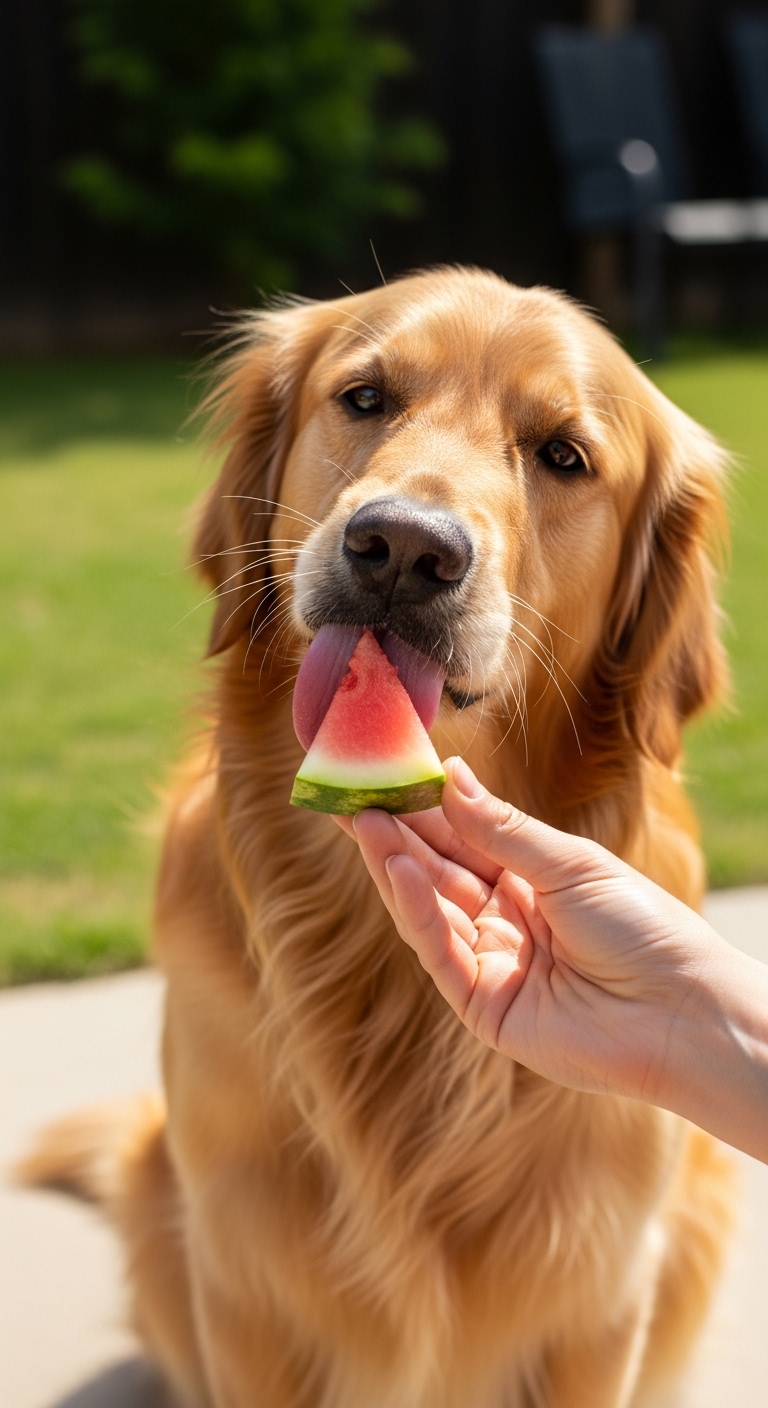
Can dogs eat oranges? It’s a question many pet owners wonder about when sharing healthy snacks with their furry friends. Oranges are packed with vitamin C and fiber, which can benefit humans, but dogs have different nutritional needs. While a small piece of orange isn’t toxic, it’s important to understand how to safely introduce this fruit to your dog’s diet without causing digestive upset or other issues.
I once gave my neighbor’s dog a slice of orange as a treat, only to find out later that the dog had a sensitive stomach. That moment taught me how important it is to introduce new foods slowly and in tiny amounts.
Key Things to Understand
- Oranges are not toxic to dogs: but should be given in moderation due to their sugar content.
- The flesh is the safest part: to offer, while the peel, seeds, and pith can cause digestive issues or even blockages.
- Some dogs may experience stomach upset: or diarrhea from the acidity in oranges.
- Always remove all seeds and membranes: before offering a piece.
- Watch for signs of discomfort: like vomiting or lethargy after eating oranges.
What to Look For
Pay attention to how your dog reacts after eating a small piece of orange. Some dogs may enjoy the taste and tolerate it well, while others might show signs of discomfort like excessive drooling, vomiting, or changes in bowel movements. If your dog has never eaten citrus before, start with a tiny amount and observe their reaction for at least 24 hours. Also, check for any allergic reactions, such as itching or swelling, which are rare but possible. If your dog has diabetes or is overweight, avoid giving them oranges due to the natural sugars.
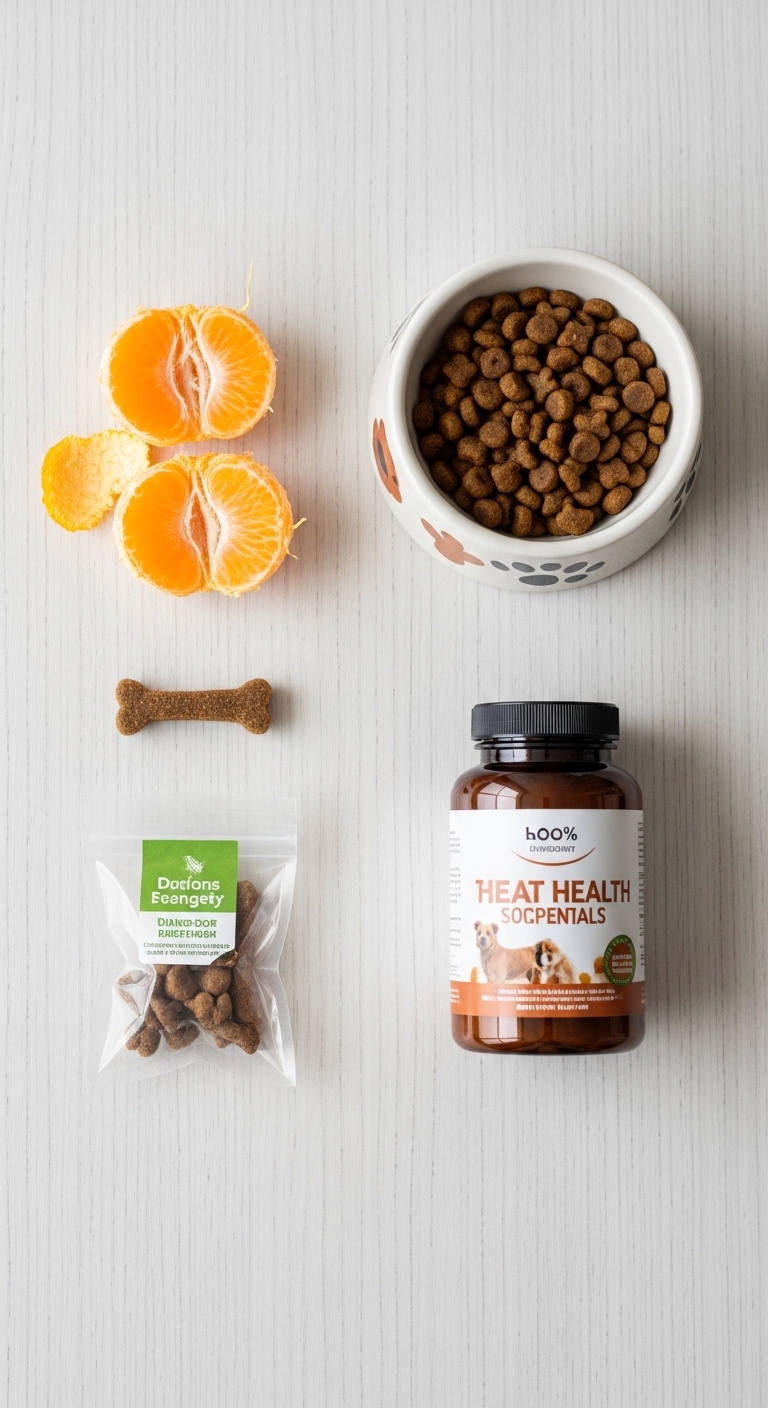
Always err on the side of caution and introduce new foods gradually.
Daily Care Habits
If you decide to give your dog oranges, make it a rare treat rather than a regular part of their diet. Too much fruit can lead to an upset stomach or weight gain over time. Stick to small, bite-sized pieces and avoid feeding them during mealtime to prevent disrupting their balanced diet. Always supervise your dog when introducing new foods to catch any adverse reactions early.
Choosing the Right Product
When picking oranges for your dog, opt for fresh, ripe fruits without any pesticides or chemicals. Organic oranges are a safer choice if available. Avoid canned or processed orange products, as they often contain added sugars or preservatives that aren’t healthy for dogs. Wash the orange thoroughly before peeling to remove any residue that could irritate your dog’s stomach.
Safety and Comfort
Always remove all seeds and membranes from the orange before offering it to your dog, as these can pose a choking hazard or cause digestive blockages. If your dog shows signs of discomfort, such as vomiting or diarrhea, discontinue feeding oranges immediately. Keep oranges out of reach to prevent your dog from eating too much at once, which could lead to an upset stomach or more serious issues.
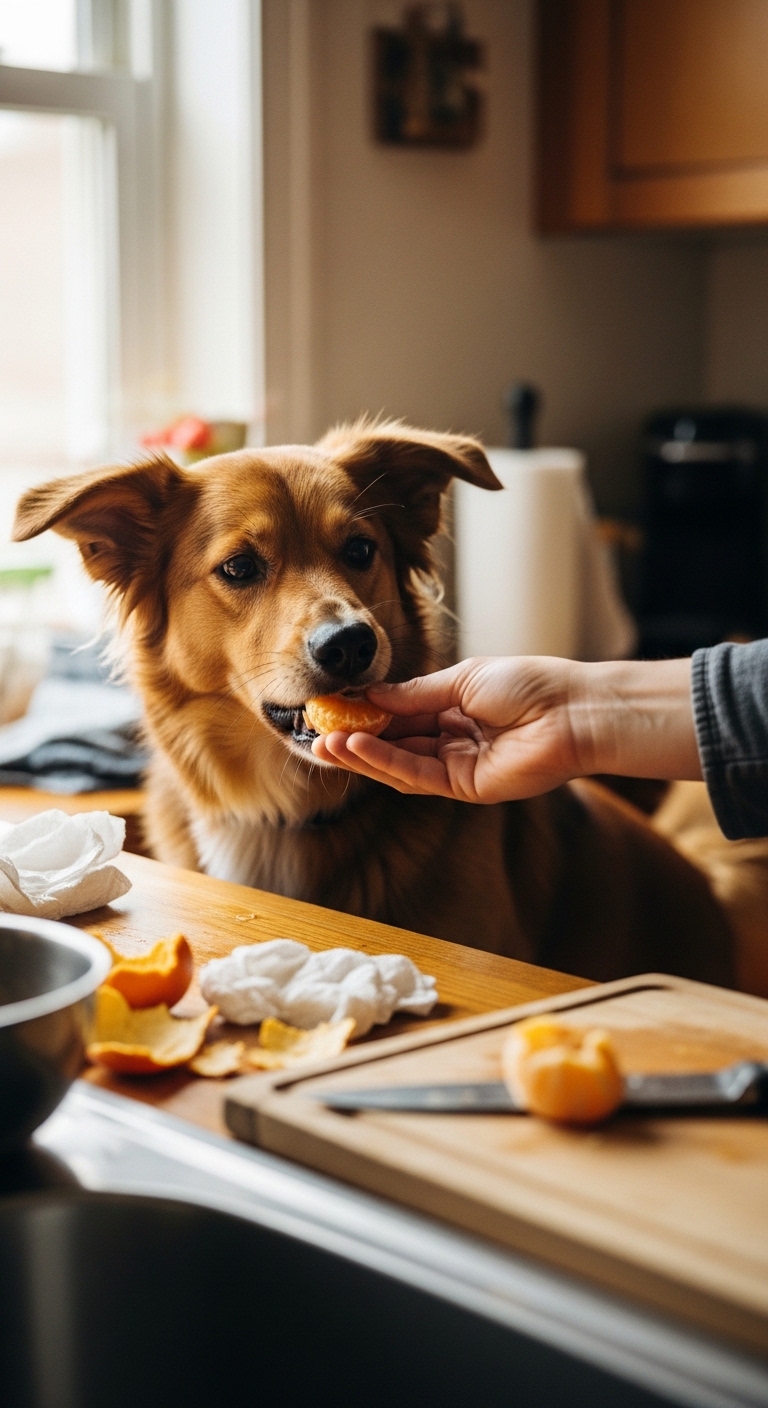
Oranges can be a refreshing treat for some dogs, but moderation and careful preparation are key to keeping them safe and healthy.
Frequently Asked Questions
- → Are oranges safe for all dogs?
Most dogs can safely eat oranges in small amounts, but some may have sensitivities. Always introduce new foods gradually and watch for signs of digestive upset or allergic reactions.
- → How much orange can I give my dog?
Start with a small piece or two, depending on your dog's size. For small breeds, a few tiny segments are sufficient, while larger dogs can have up to a quarter of an orange occasionally.
- → Can dogs eat orange peels or seeds?
No, orange peels and seeds should never be given to dogs. Peels are difficult to digest and may cause blockages, while seeds contain small amounts of cyanide, which is toxic.
- → What are the benefits of feeding oranges to dogs?
Oranges provide vitamin C for immune support, fiber for digestion, and hydration from their water content. They can also be a low-calorie alternative to commercial treats.
- → What should I do if my dog eats too many oranges?
Monitor for symptoms like vomiting, diarrhea, or lethargy. Contact your vet if symptoms persist or if your dog shows signs of distress. Keep oranges out of reach to prevent overconsumption.
- → Can diabetic dogs eat oranges?
Oranges contain natural sugars, so diabetic dogs should only have them in very small amounts and under veterinary supervision. Monitor blood sugar levels closely after feeding.