 Pin
Pin
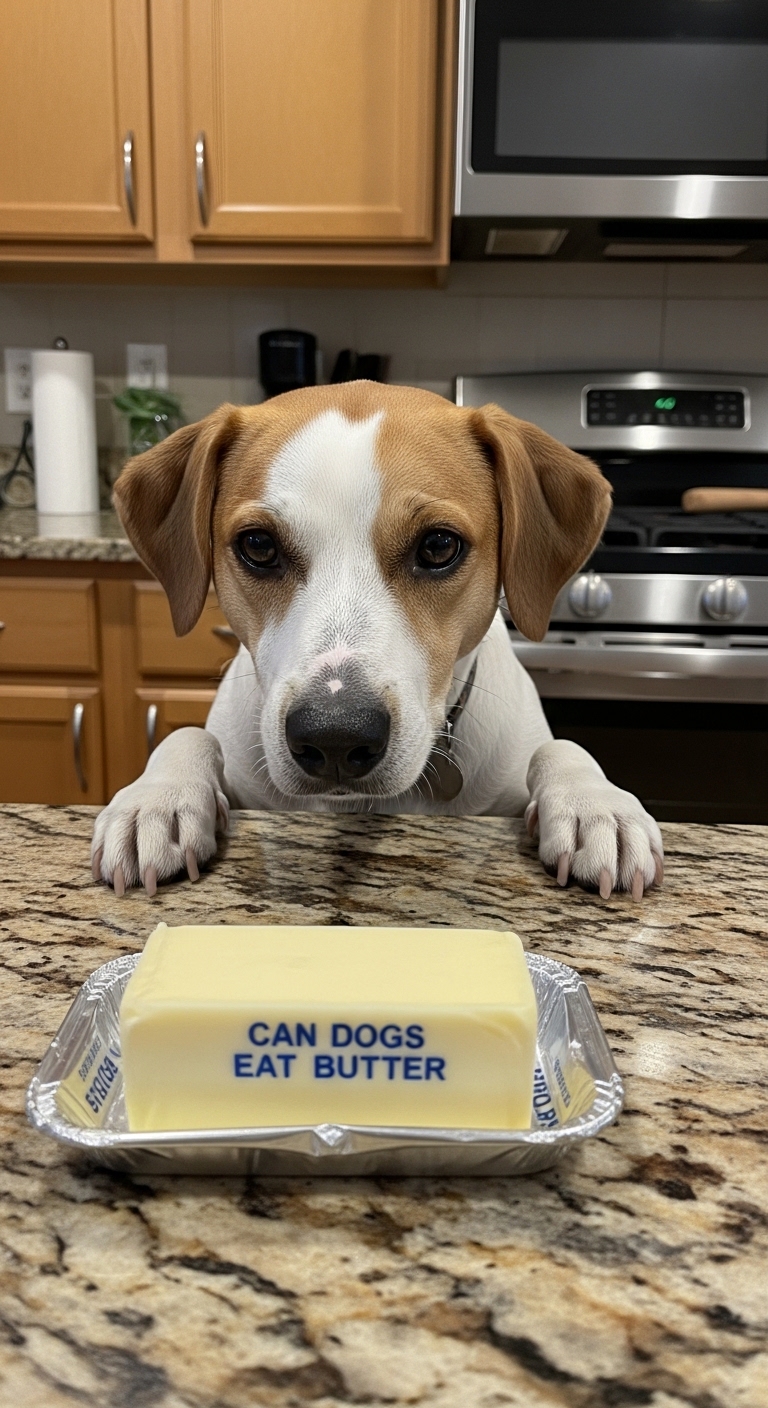
Butter is a common kitchen staple, and many dog owners wonder if it’s safe to share with their pets. While small amounts of plain, unsalted butter aren’t toxic to dogs, it’s not an ideal treat due to its high fat content and potential to cause digestive upset. Understanding the risks and benefits helps you make informed decisions about what your dog eats.
Small amounts of butter won’t harm most healthy dogs, but it’s not a nutritious choice. Always prioritize dog-safe treats over human foods.
Key Things to Understand
- Butter is high in fat: which can lead to pancreatitis in dogs if consumed in large quantities
- Lactose intolerance is common in dogs: and butter contains small amounts of lactose
- Salted butter or flavored varieties: can contain additives that are unsafe for dogs
- Even unsalted butter: should only be given in very small amounts as an occasional treat
- Overfeeding butter: can contribute to obesity and other health issues over time
What to Look For
Watch for signs of digestive upset such as vomiting, diarrhea, or lethargy after your dog consumes butter. These symptoms can appear within a few hours and may indicate that the fat content was too much for their system. Pay attention to your dog’s reaction the first time they try butter, as some dogs may be more sensitive than others. If your dog has a history of pancreatitis or other digestive issues, it’s best to avoid butter altogether. Also, check the ingredients of any butter you consider sharing, as additives like garlic or herbs can be toxic to dogs.
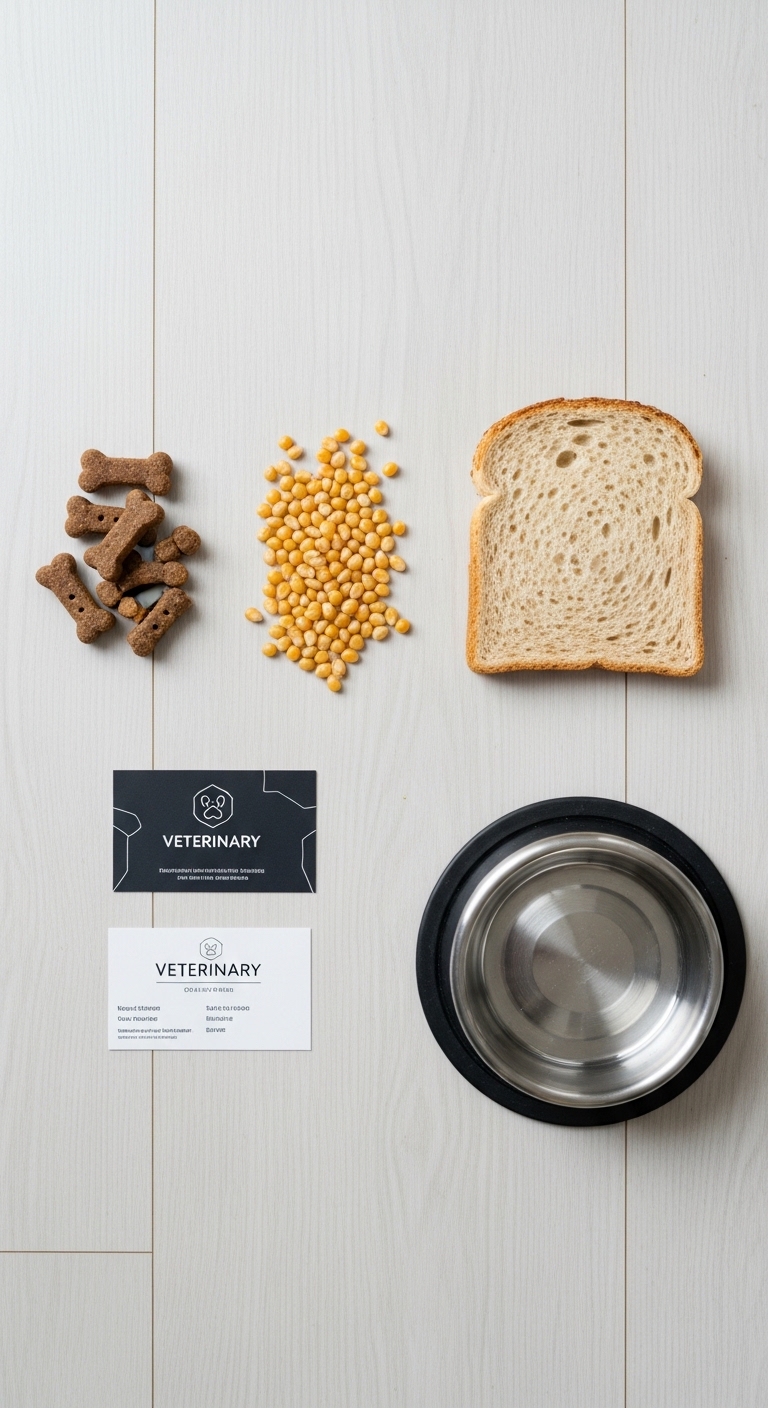
Many dog owners assume that because butter is dairy, it’s automatically unsafe, but the real concern is the fat content rather than the lactose. Still, it’s always better to err on the side of caution and choose treats made specifically for dogs.
Daily care habits
Monitor your dog’s weight and overall health if you occasionally give them butter. High-fat treats can add up quickly, especially for smaller breeds. Regular exercise and a balanced diet are the best ways to keep your dog healthy and happy.
Choosing the right product
If you’re looking for a butter-like treat for your dog, consider dog-safe alternatives such as plain, unsweetened pumpkin puree or small pieces of cooked lean meat. These options provide flavor without the risks associated with butter.
Safety and comfort
Always introduce new foods slowly and in tiny amounts to see how your dog reacts. If you notice any adverse effects, discontinue the treat immediately and consult your vet if symptoms persist.
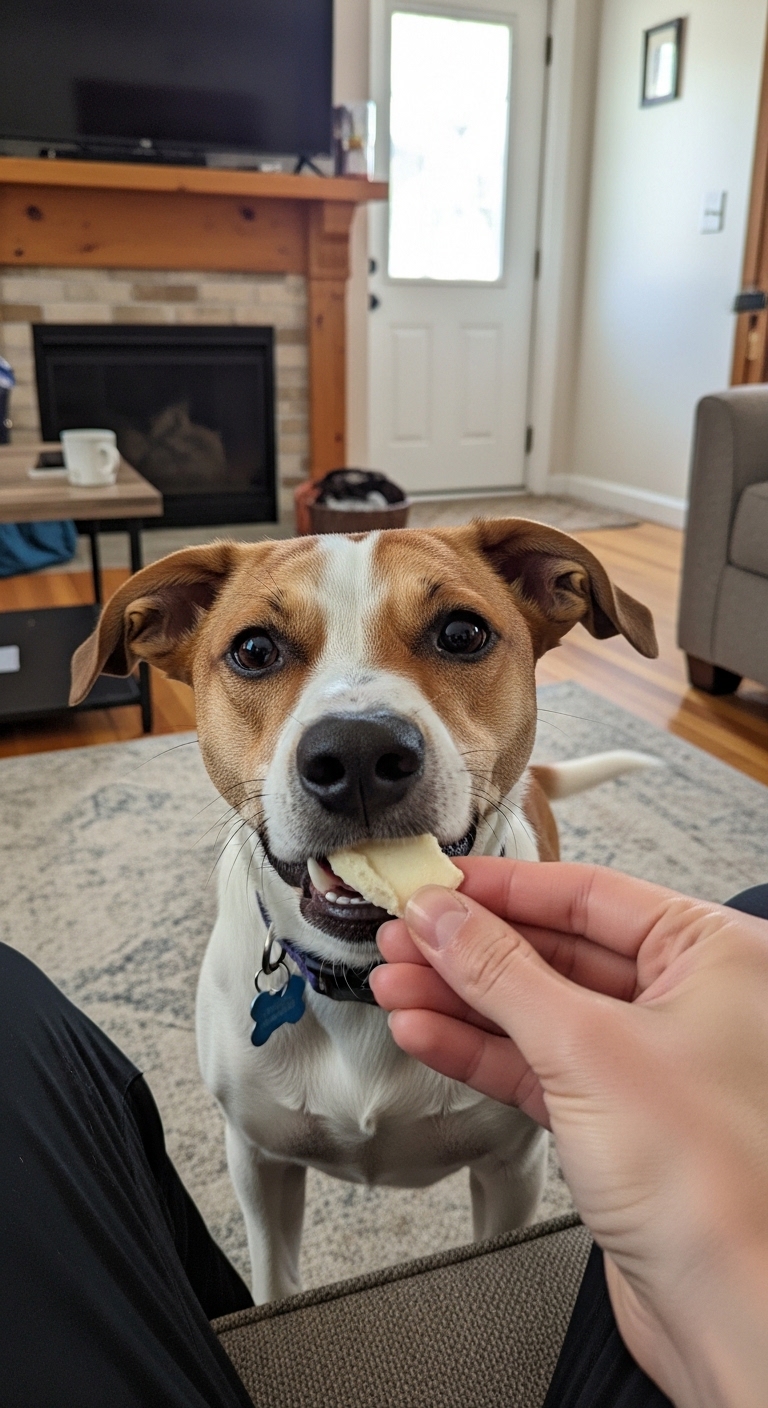
Butter is not an ideal treat for dogs, but knowing the risks helps you make safer choices.
Frequently Asked Questions
- → Is butter toxic to dogs?
Butter is not toxic to dogs, but it is not recommended due to its high fat content and lack of nutritional value. Small amounts may not cause immediate harm, but regular consumption can lead to health issues like pancreatitis or obesity.
- → Can dogs eat butter in small amounts?
While a tiny amount of butter is unlikely to harm most dogs, it is best avoided. Butter provides empty calories and can contribute to weight gain and digestive problems. Stick to dog-safe treats instead.
- → What happens if a dog eats butter?
If a dog eats butter, they may experience mild digestive upset, such as vomiting or diarrhea, especially if they are lactose intolerant. Larger amounts can lead to more serious issues like pancreatitis due to the high fat content.
- → Are there any safe alternatives to butter for dogs?
Yes, safer alternatives include plain cooked pumpkin, small pieces of apple (without seeds), or dog-specific treats. Always check with your vet before introducing new foods to your pet's diet.
- → How much butter can a dog safely eat?
Ideally, dogs should not eat butter at all. If accidental ingestion occurs, monitor your dog for signs of distress like vomiting or lethargy. Contact your vet if symptoms persist or if your dog consumes a large amount.
- → Can butter cause pancreatitis in dogs?
Yes, butter’s high fat content can contribute to pancreatitis, a painful and potentially serious condition. Symptoms include vomiting, diarrhea, abdominal pain, and lethargy. A low-fat diet is crucial for dogs prone to this issue.