 Pin
Pin
Coconut oil has become a popular natural remedy for pets, and many dog owners wonder if it’s safe and beneficial for their furry friends. The truth is, when used correctly, coconut oil can support skin health, digestion, and even energy levels in dogs. But there are important details to consider before adding it to their routine.
Not every dog reacts the same way to coconut oil, so starting with small amounts and watching for changes is key.
Key Things to Understand
- Coconut oil contains medium-chain triglycerides: which can boost energy and support metabolism in dogs
- It has natural antimicrobial properties: that may help with skin irritations or minor infections
- Too much coconut oil can cause diarrhea or stomach discomfort: due to its high fat content
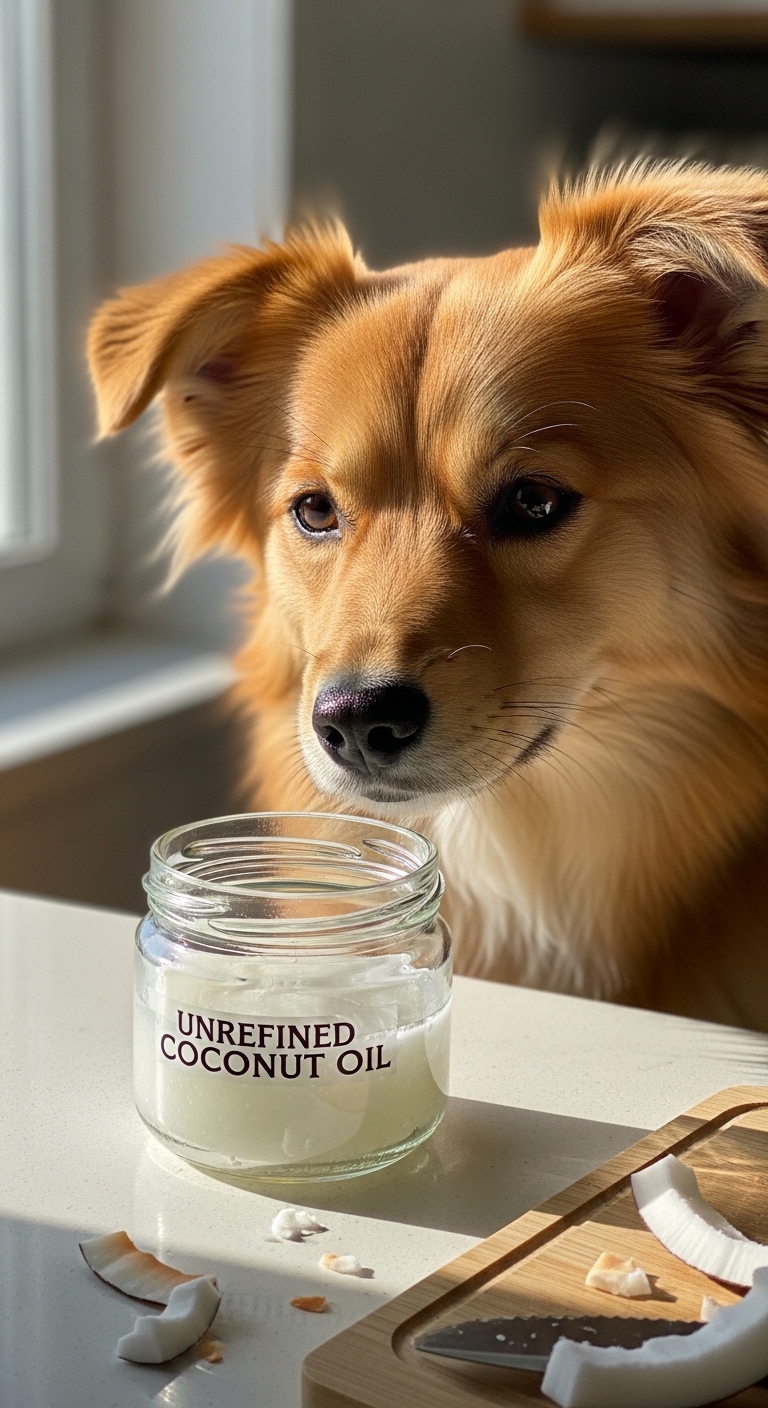
- Always choose unrefined, virgin coconut oil: to avoid additives that could harm your pet
- Dogs with pancreatitis or a history of fat sensitivity should avoid coconut oil:
What to Look For
When introducing coconut oil, observe your dog’s reaction closely. Look for signs of digestive upset like loose stools or vomiting, which may mean the portion is too large. Check their skin and coat for improvements in shine or reduced itching, as these are positive indicators. Also, monitor their energy levels—some dogs show increased vitality with regular, moderate use. If your dog has a sensitive stomach, start with a tiny amount, about a quarter teaspoon for small dogs, and gradually increase if they tolerate it well.
Many owners make the mistake of giving coconut oil too quickly or in large amounts, which can lead to an upset stomach. It’s always better to introduce it slowly and adjust based on your dog’s response.
Daily care habits
Adding coconut oil to your dog’s food can be as simple as mixing it into their regular meals. For picky eaters, try melting it slightly and drizzling it over kibble to enhance flavor. Consistency matters, so if you decide to use it regularly, make it part of their daily routine rather than an occasional treat.
Choosing the right product
Not all coconut oils are created equal. Avoid refined or processed versions, as they may contain chemicals or lose beneficial properties. Cold-pressed, unrefined coconut oil is the best choice for dogs because it retains its natural nutrients and is free from additives.
Safety and comfort
While coconut oil is generally safe, it’s high in calories, so overuse can contribute to weight gain. If your dog is overweight or prone to pancreatitis, it’s best to avoid it or use it sparingly under veterinary guidance.

Seasonal adjustments can make a difference. In colder months, coconut oil can help maintain healthy skin and prevent dryness, especially for dogs with thick coats. During summer, its antimicrobial properties may support skin health if your dog spends a lot of time outdoors.
Frequently Asked Questions
- → Is coconut oil safe for all dogs?
While coconut oil is generally safe for most dogs, it may not be suitable for those with certain health conditions like pancreatitis or obesity. Always consult your vet before introducing new foods to your dog's diet.
- → How much coconut oil can I give my dog?
Start with a small amount—about 1/4 teaspoon per 10 pounds of body weight—and gradually increase. Too much coconut oil can cause digestive upset or weight gain, so moderation is key.
- → What are the benefits of coconut oil for dogs?
Coconut oil is rich in medium-chain triglycerides (MCTs), which support skin and coat health, boost energy, and aid digestion. It can also help reduce inflammation and improve immune function.
- → Can I apply coconut oil directly to my dog's skin?
Yes, coconut oil can be applied topically to soothe dry skin, reduce itching, and improve coat shine. Use a small amount and massage it into your dog's fur, avoiding the eyes and mouth.
- → Are there any risks of giving coconut oil to dogs?
While coconut oil is generally safe, overconsumption can lead to digestive issues like diarrhea or vomiting. Some dogs may also be allergic to coconut oil, so introduce it slowly and monitor for adverse reactions.
- → Can puppies eat coconut oil?
Yes, puppies can safely eat coconut oil in small amounts. It can support their growth and development, but always consult your vet before introducing new foods to a puppy's diet.