Can dogs have potatoes? It’s a question many pet owners ask when looking for safe, healthy treats or meal additions for their furry friends. Potatoes are a common staple in human diets, but their suitability for dogs isn’t always straightforward. Understanding the right way to include them in your dog’s diet can make a big difference in their nutrition and overall well-being.
I’ve seen too many pet owners accidentally give their dogs buttery, seasoned potatoes meant for humans, only to deal with digestive upset later. Simple changes in how you prepare potatoes can make them a safe and enjoyable snack.
Key Things to Understand
- Potatoes are safe for dogs in moderation: but only when prepared plain and cooked thoroughly
- Raw potatoes contain solanine: a toxin that can harm dogs, so they should never be fed raw
- Green spots or sprouts on potatoes: indicate higher solanine levels, making them unsafe
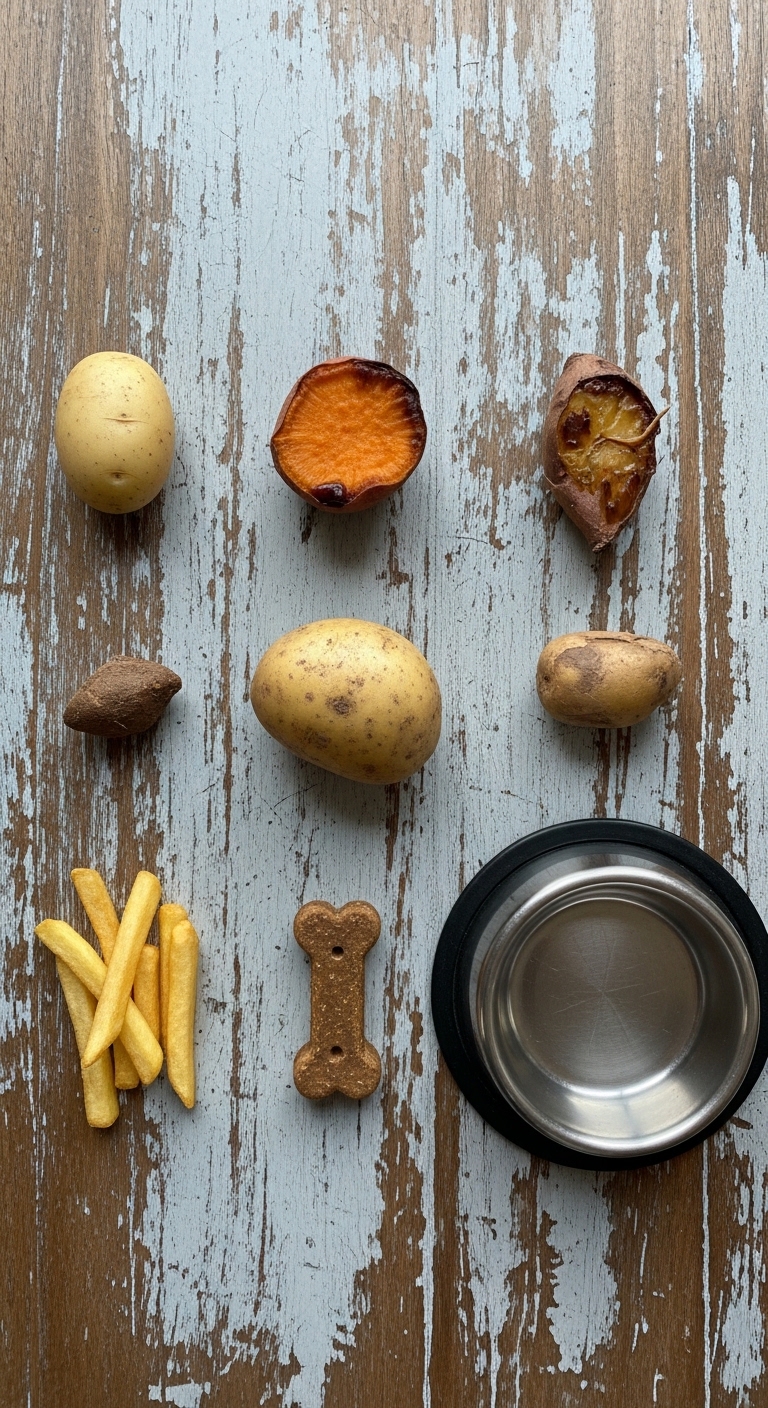
- Sweet potatoes are different: from regular potatoes and are often a better option for dogs due to higher fiber and vitamin content
- Mashed or boiled potatoes: without butter, salt, or seasoning are the safest ways to serve them
- Portion size matters: too much potato can lead to weight gain or digestive issues
What to Look For
Watch for signs that your dog enjoys potatoes without any adverse reactions. A happy dog will eagerly eat plain, cooked potatoes, showing no signs of stomach discomfort afterward. If your dog gags, vomits, or has loose stools after eating potatoes, it’s a clear sign they may not tolerate them well. Pay attention to how your dog’s body responds the first few times you introduce potatoes, as individual tolerance varies. When choosing potatoes for your dog, opt for organic or thoroughly washed ones to avoid pesticide residues. Avoid any potatoes that have turned green or started to sprout, as these contain higher levels of solanine. If you’re unsure, sweet potatoes are a safer alternative since they’re less likely to cause issues and offer more nutritional benefits.
Many pet owners don’t realize that even plain potatoes can cause issues if given in large amounts. I once saw a dog develop pancreatitis after eating a whole bowl of mashed potatoes at a family gathering. Moderation is key, and it’s always best to consult your vet before adding new foods to your dog’s diet.
Daily care habits
Incorporating small amounts of plain, cooked potatoes into your dog’s meals can be a simple way to add variety. Try mixing a spoonful into their regular food to see how they react. If your dog enjoys it and shows no digestive issues, you can occasionally use it as a high-value treat during training sessions.
Choosing the right product
If you prefer convenience, look for dog treats that include sweet potato as a main ingredient. These are formulated to be safe and nutritious for dogs, avoiding the risks associated with raw or seasoned potatoes. Always check the ingredient list to ensure there are no added sugars or artificial flavors.
Safety and comfort
Never feed your dog potatoes that have been fried, like french fries or potato chips, as the high fat and salt content can lead to serious health problems. Also, avoid adding any seasonings, butter, or oils, as these can cause stomach upset or long-term issues like obesity.
Common mistakes to avoid
One of the biggest mistakes is assuming all potatoes are safe for dogs without considering preparation. Even small amounts of seasoning or cooking oil can be harmful. Another common error is giving potatoes to dogs with conditions like diabetes, where the high carb content can spike blood sugar levels.
Cleaning and hygiene
If you’re using potatoes as a treat, make sure to wash them thoroughly to remove any dirt or pesticides. Store potatoes in a cool, dark place to prevent them from sprouting or turning green, which increases solanine levels.
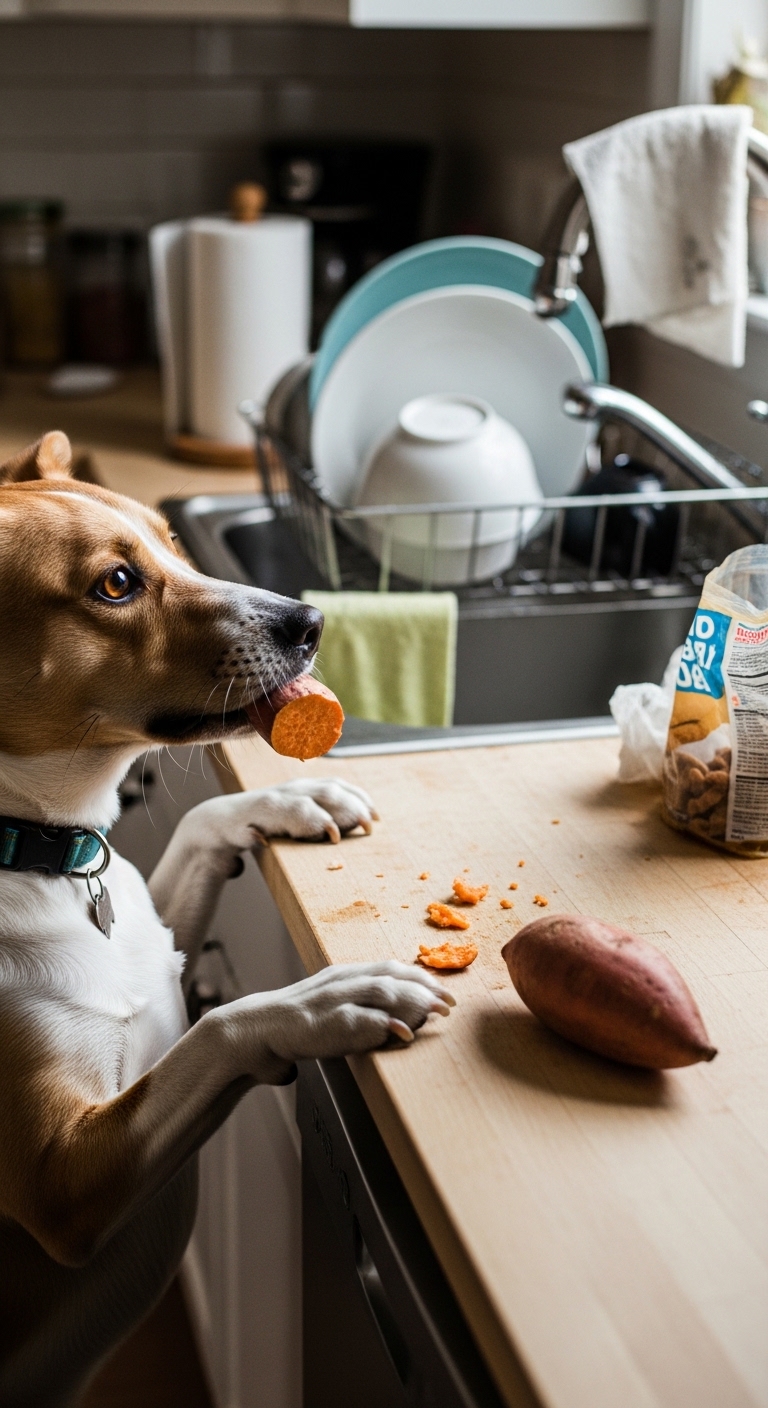
Moderation and proper preparation are essential when feeding potatoes to dogs. Always prioritize your dog’s health by choosing the safest options.
Frequently Asked Questions
- → Can dogs eat raw potatoes?
No, dogs should never eat raw potatoes. Raw potatoes contain solanine, a toxic compound that can cause digestive upset, lethargy, and in severe cases, neurological issues. Always cook potatoes thoroughly before feeding them to your dog.
- → Are sweet potatoes safer than white potatoes for dogs?
Yes, sweet potatoes are generally safer and healthier for dogs. They have a lower glycemic index, higher fiber content, and more vitamins A and C compared to white potatoes. Sweet potatoes are also less likely to cause blood sugar spikes.
- → How much potato can I give my dog?
Potatoes should be given in moderation as an occasional treat, making up no more than 10% of your dog's daily diet. For small dogs, start with a teaspoon of cooked potato, while larger dogs can have up to a tablespoon. Always consult your vet for portion sizes based on your dog's weight and health condition.
- → Can dogs with diabetes eat potatoes?
Dogs with diabetes should avoid white potatoes due to their high carbohydrate content, which can cause blood sugar spikes. Sweet potatoes may be a better option in very small amounts, but it's crucial to consult your veterinarian before introducing any new food to a diabetic dog's diet.
- → What are the signs of potato toxicity in dogs?
Signs of potato toxicity include vomiting, diarrhea, lethargy, tremors, seizures, or difficulty breathing. If you suspect your dog has ingested raw or spoiled potatoes, contact your vet immediately. Keep potatoes stored safely out of your dog's reach to prevent accidental ingestion.
- → How should I prepare potatoes for my dog?
Boil or bake potatoes without any seasoning, butter, oil, or additives. Remove any green spots or sprouts, and avoid feeding the skin if it's green or sprouted. Plain, cooked potatoes can be mashed or cut into small pieces as a treat or mixed with your dog's regular food.