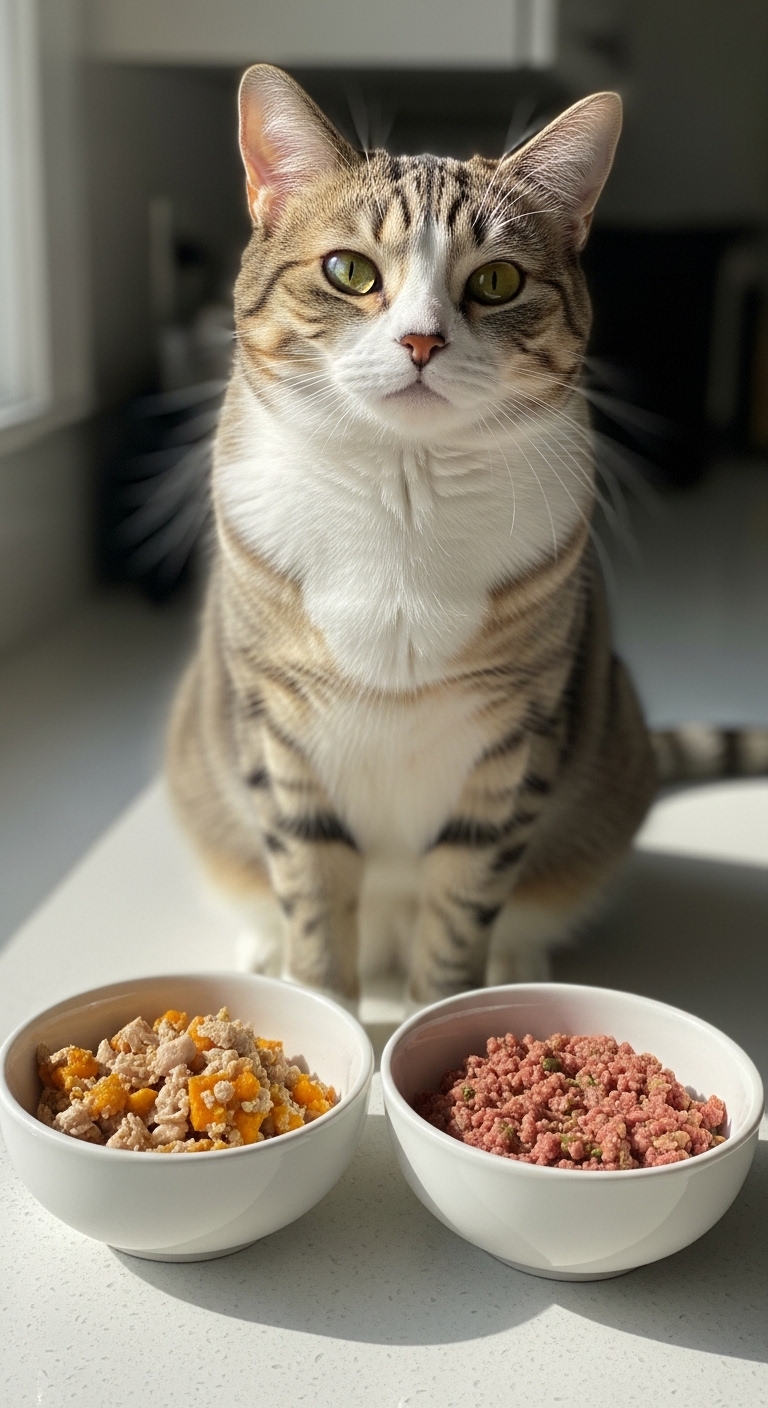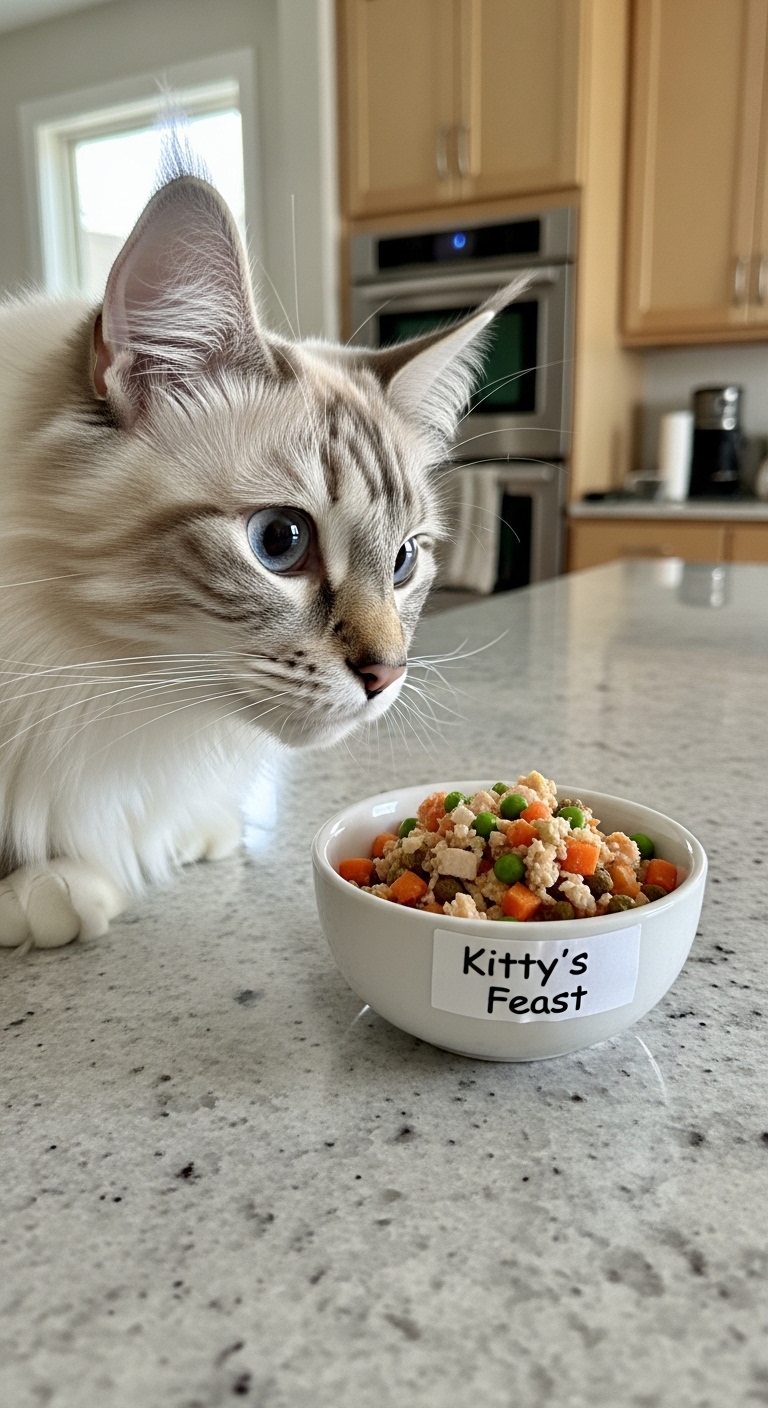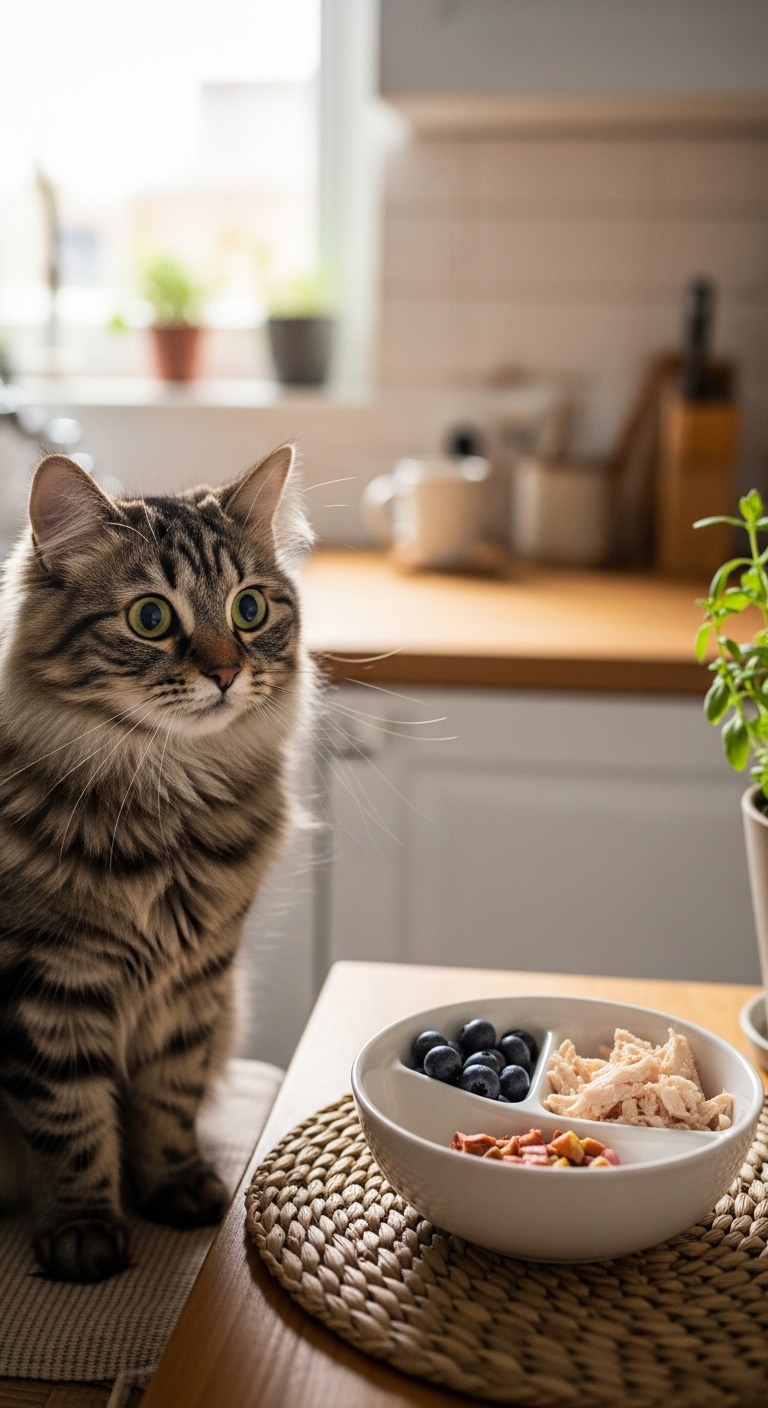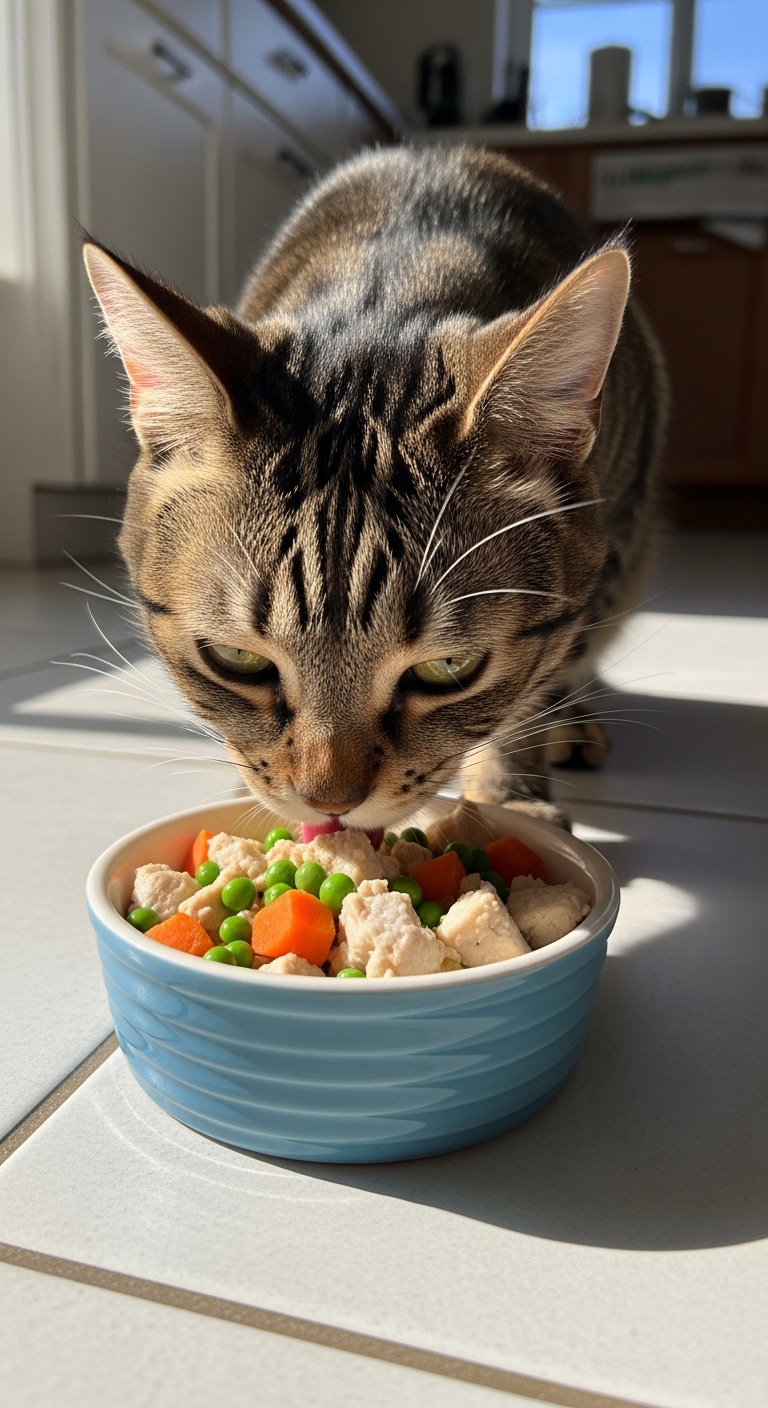
Making homemade cat food is a way to take full control of your cat’s diet, especially when store-bought options don’t meet your standards. Many commercial cat foods contain fillers, artificial additives, or inconsistent protein sources that may not align with your cat’s nutritional needs. By preparing meals at home, you can use high-quality ingredients tailored to their health, whether they need a sensitive stomach formula, weight management, or better hydration. This approach also helps avoid common allergens or ingredients that might upset your cat’s system, giving you confidence in every meal they eat.
I still recall switching my senior cat, Miso, to a homemade diet. Within weeks, his dull fur became glossy, and his playful energy returned—changes his vet praised during a checkup. That experience showed me how impactful fresh, tailored meals can be for a cat’s well-being.
Key Things to Understand
- Veterinary guidance is essential: Always consult your vet before changing your cat’s diet to ensure homemade meals meet their nutritional requirements.
- Animal protein is non-negotiable: Cats are obligate carnivores, so their meals must prioritize high-quality animal protein as the primary ingredient.
- Avoid toxic ingredients: Never include onions, garlic, grapes, or excessive salt, as these are harmful to cats.
- Nutrient balance matters: Ensure meals contain essential nutrients like taurine, calcium, and fatty acids, which are often lacking in unbalanced homemade recipes.
- Portion control is critical: Adjust serving sizes based on your cat’s weight, age, and activity level to prevent overfeeding or underfeeding.
What to Look For
When preparing homemade cat food, focus on lean proteins like cooked chicken, turkey, or rabbit as the base, with small amounts of organ meats such as liver for vital vitamins. Monitor your cat’s reaction after eating: signs of digestive upset, itching, or lethargy may indicate an ingredient intolerance. Texture preferences vary—some cats like finely minced or pureed food, while others prefer small, soft chunks. For picky eaters, warming the food slightly can enhance its aroma and appeal. Over time, observe litter box habits: well-formed stools suggest a balanced diet, while loose or overly firm stools may require adjustments.
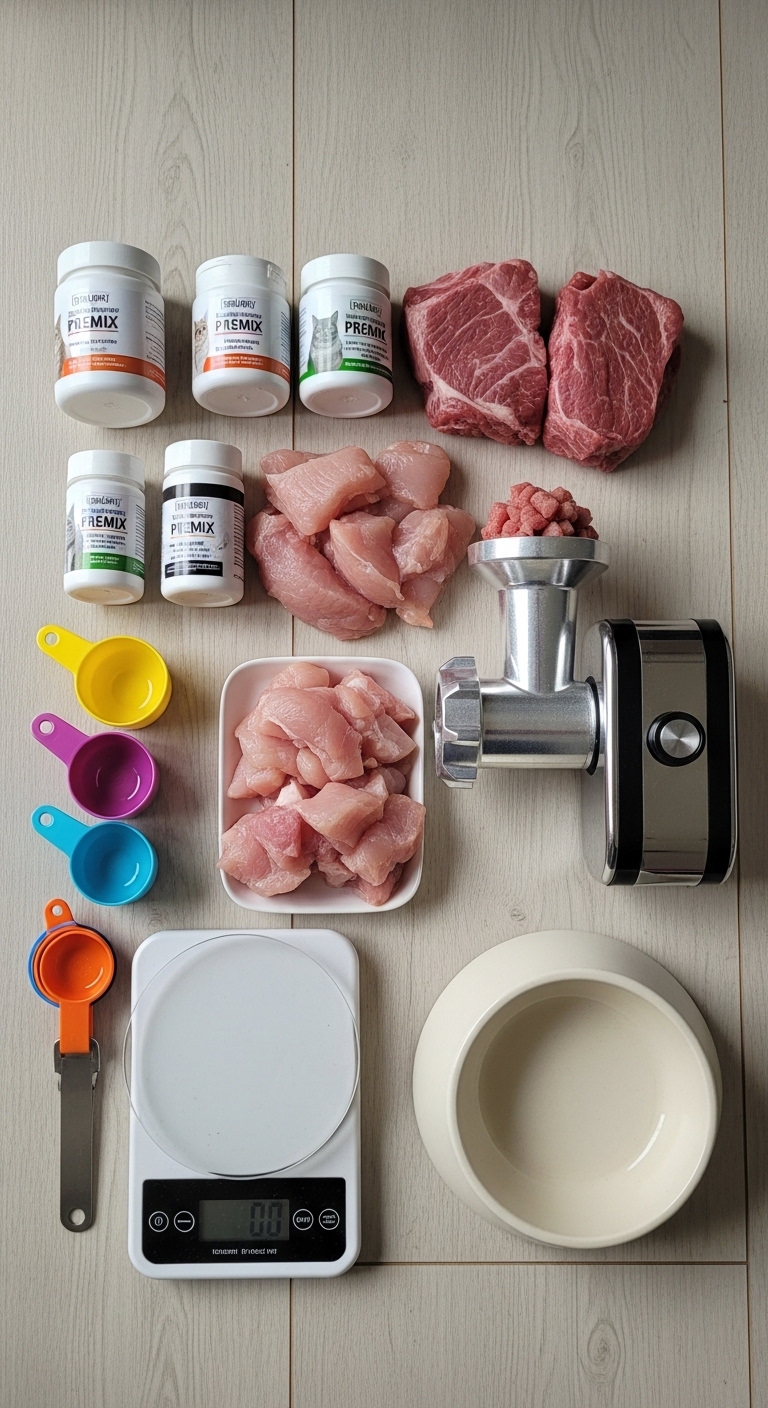
I once met a cat owner who switched to homemade food without realizing her cat needed supplements. After a few weeks, her cat developed a deficiency, proving that even well-intentioned changes require professional oversight. Always verify with a vet before making significant dietary adjustments.
Daily Care Habits
Introduce homemade food gradually by mixing it with your cat’s current diet over a week to prevent digestive issues. Keep a food journal to track ingredients and your cat’s reactions, noting changes in energy, coat condition, or litter box habits. Cats accustomed to dry kibble may need time to adjust to the moisture in homemade meals, so patience is essential. Adding a sprinkle of cat-safe herbs like catnip or parsley can make the food more enticing. For cats with dental problems, softer textures or bone broth can improve comfort and enjoyment during meals.
Choosing the Right Product
Prioritize human-grade meats and avoid processed or seasoned products when selecting ingredients. Opt for fresh, lean cuts with minimal fat to prevent obesity. Include organ meats in small quantities, as they’re nutrient-rich but can cause digestive upset if overfed. Local butchers or farmers’ markets often provide high-quality options if sourcing is a concern. For supplements, choose reputable brands formulated specifically for cats, as human supplements may contain unsafe ingredients.
Safety and Comfort
Always cook meats thoroughly to eliminate bacteria like salmonella, and avoid seasoning with salt, pepper, or spices. Store homemade cat food in airtight containers in the fridge for up to three days or freeze for longer storage. Thaw frozen meals in the refrigerator overnight, not at room temperature, to minimize bacterial growth. Introduce new ingredients one at a time for cats with sensitive stomachs to pinpoint any triggers. Keep the feeding area clean and distraction-free to ensure your cat feels secure during meals.
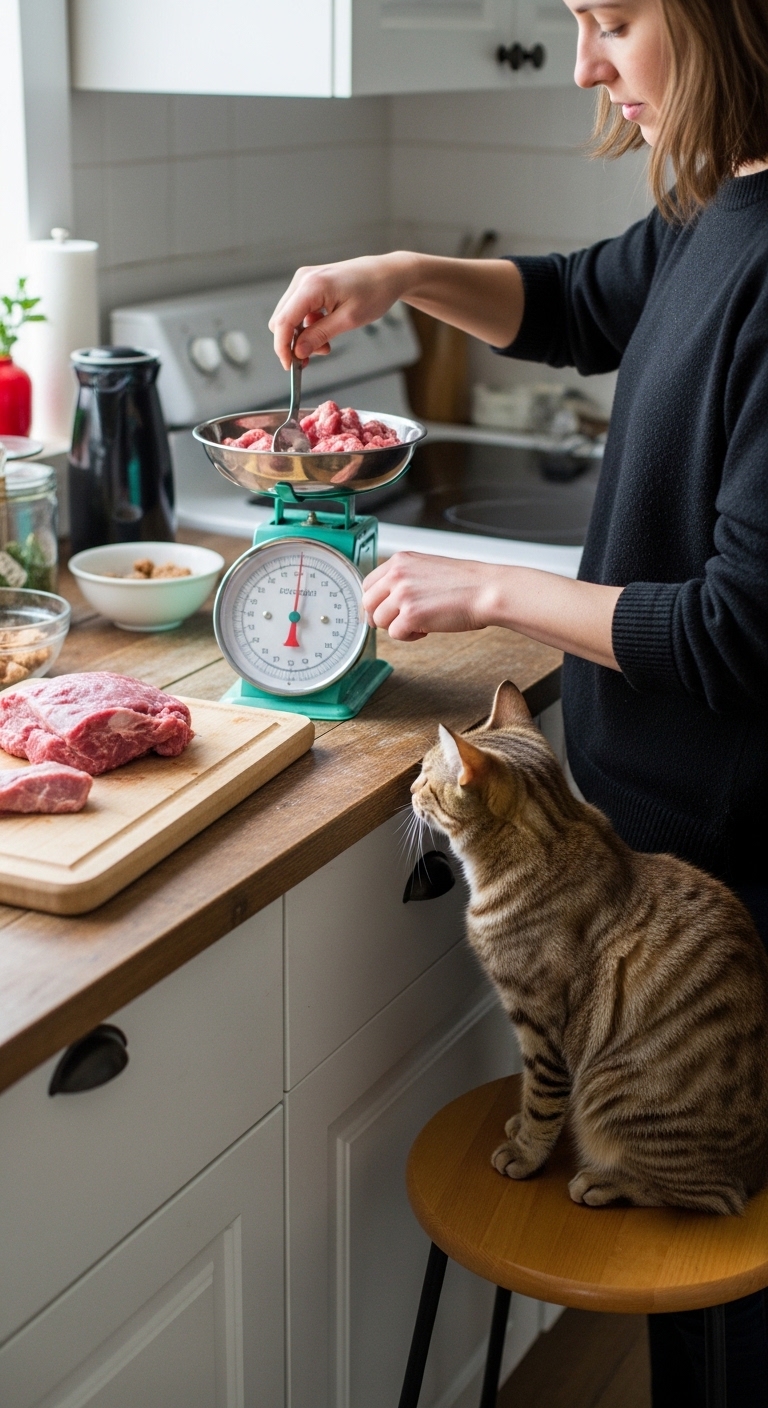
Homemade cat food can transform your pet’s health, but success depends on careful planning and veterinary guidance. The effort pays off in their vitality and your peace of mind.
Frequently Asked Questions
- → What are the best protein sources for homemade cat food?
Lean meats like chicken, turkey, and beef are excellent protein sources. Fish such as salmon or sardines can also be included, but ensure they are cooked and boneless. Organ meats like liver provide essential nutrients but should be fed in moderation.
- → Can I use vegetables in homemade cat food?
Yes, but sparingly. Cats are obligate carnivores, so vegetables should only make up a small portion of their diet. Safe options include cooked carrots, peas, or pumpkin. Avoid onions, garlic, and other toxic foods.
- → How do I ensure homemade cat food is balanced?
Consult your vet to create a balanced recipe tailored to your cat’s needs. Include essential nutrients like taurine, calcium, and vitamins. Commercial cat food often includes these, so homemade meals may require supplements unless carefully formulated.
- → Is homemade cat food better than store-bought?
Homemade cat food can offer fresher ingredients and fewer preservatives, but it requires careful planning to ensure nutritional completeness. Store-bought food is formulated to meet all of a cat’s dietary needs, so consult your vet before making the switch.
- → How should I store homemade cat food?
Store homemade cat food in airtight containers in the refrigerator for up to 3 days or freeze in portions for up to 3 months. Thaw frozen meals in the fridge before serving to maintain freshness and safety.
- → What supplements do cats need in homemade food?
Common supplements include taurine, calcium, and omega-3 fatty acids. Taurine is critical for heart and eye health, while calcium supports bone strength. Always consult your vet before adding supplements to your cat’s diet.