If you’ve ever found your couch covered in cat hair or your clothes clinging to every surface after a cuddle session, you know how frustrating shedding can be. Beyond the mess, excessive shedding can signal underlying health issues or just mean your cat isn’t getting the right grooming care. A good brush makes a noticeable difference not just in your home’s cleanliness but also in your cat’s comfort and coat health.
I’ve noticed that cats often resist brushing when they’re in a grumpy mood, so timing grooming sessions right after playtime or a nap usually works best.
Key Things to Understand
- A brush with fine, closely spaced bristles works best for short-haired cats: to remove loose fur without irritating their skin.
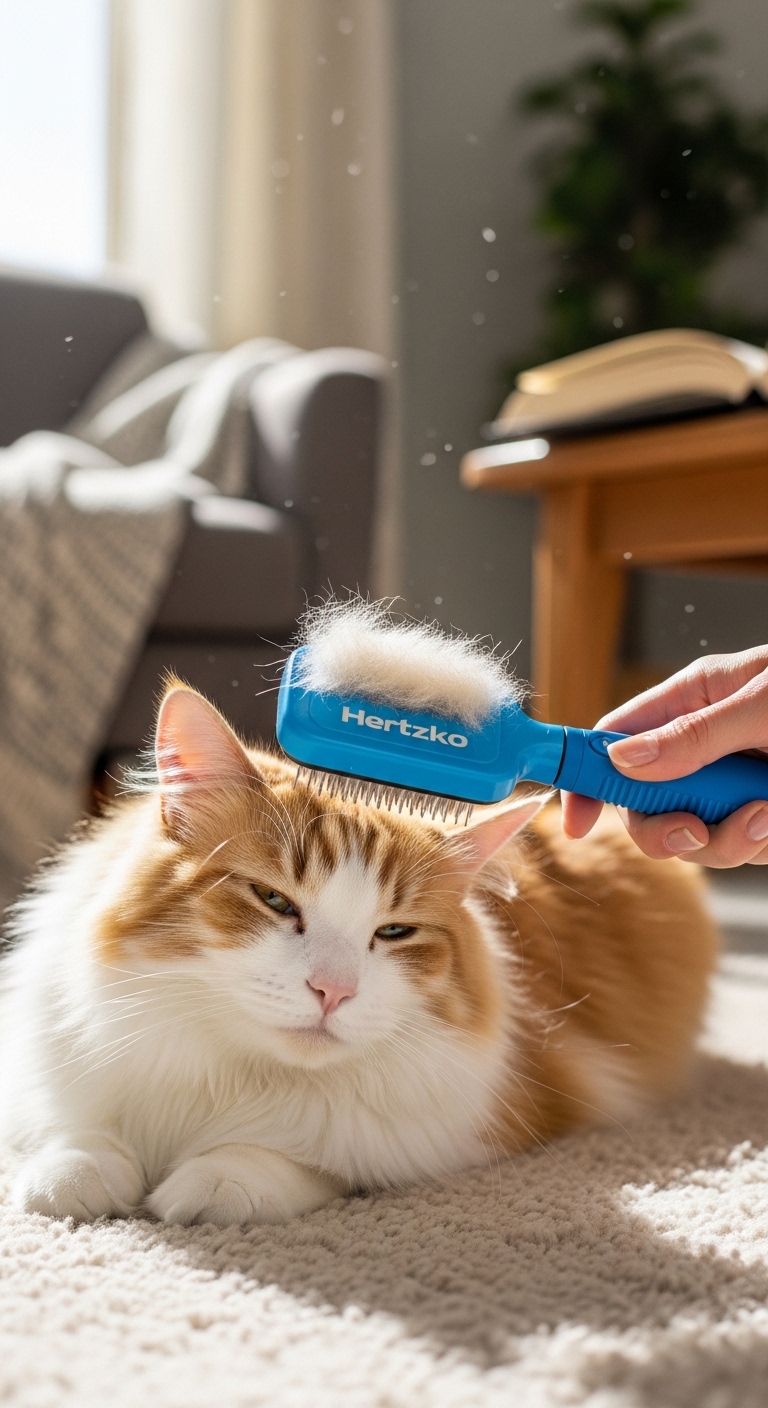
- Slicker brushes with long, bent wires are ideal for long-haired cats: because they penetrate deep into thick coats to prevent mats.
- Rubber brushes or grooming gloves are great for cats that dislike traditional brushes: as they mimic petting and feel less invasive.
- Self-cleaning brushes with retractable bristles: make cleanup easier and keep the tool hygienic between uses.
- Always check the brush’s material: avoid anything too sharp that could scratch your cat’s delicate skin.
What to Look For
When selecting a brush, pay attention to how your cat reacts during the first few strokes. If they flinch or try to pull away, the bristles might be too harsh or the brush too stiff. Look for a design that glides smoothly through their fur without tugging, especially around sensitive areas like the belly and tail base. The brush should also feel comfortable in your hand—ergonomic handles reduce fatigue during longer grooming sessions. Another clue is how much fur the brush collects. A good brush will gather a noticeable amount of loose hair in just a few passes, but it shouldn’t pull out healthy fur or cause redness on the skin.
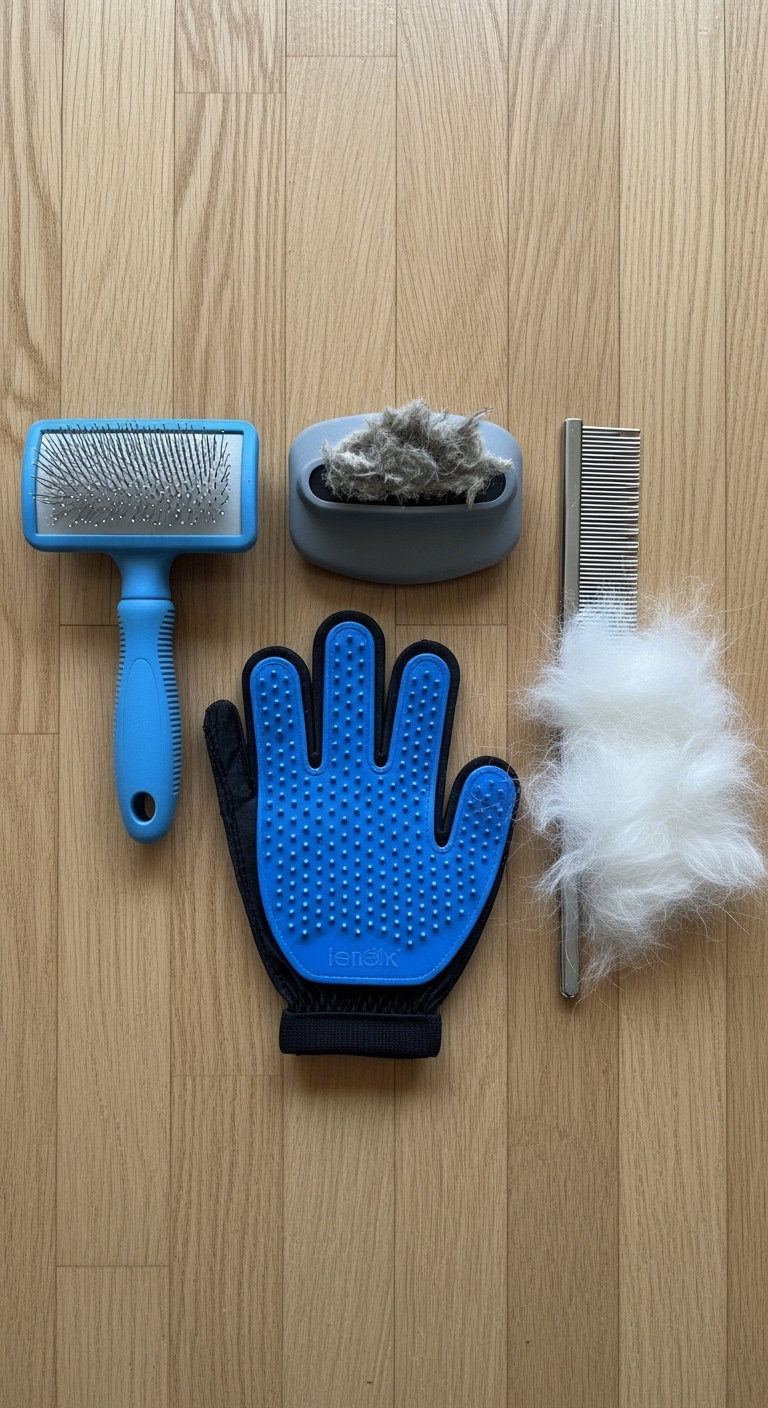
I’ve seen cats that absolutely hate brushes but tolerate grooming gloves surprisingly well, so it’s worth experimenting with different tools. One common mistake is assuming all brushes work the same—some are better for detangling, while others focus on removing loose fur, so matching the brush to your cat’s coat type is key.
Choosing the Right Brush for Your Cat’s Coat Type
Not all cat brushes are created equal, and what works for a fluffy Maine Coon might frustrate a sleek Siamese. For short-haired cats, a brush with soft rubber nubs or fine bristles gently removes dead fur without pulling on the skin. Long-haired breeds like Persians or Ragdolls need something with wider-spaced bristles or a slicker brush to work through tangles without causing discomfort. If your cat has a double coat, like a Norwegian Forest Cat, a rake-style brush helps reach the dense undercoat where most shedding happens. Always start with a gentle brush and observe your cat’s reaction—some cats prefer the sensation of a glove over a traditional brush, while others might tolerate a pin brush better than a slicker.
How Often Should You Brush Your Cat?
The frequency depends on your cat’s breed, coat length, and shedding season. Indoor cats with short coats may only need brushing once a week, while outdoor cats or those with long fur benefit from daily sessions. Pay attention to seasonal changes—cats typically shed more in spring and fall as their coats adjust to temperature shifts. If you notice clumps of fur coming out easily or bald patches, it could signal a health issue like allergies or skin infections, and a vet visit might be in order. Keeping a consistent brushing schedule also gives you a chance to check for fleas, bumps, or unusual skin texture that might need attention.
Signs Your Current Brush Isn’t Working
If you’re still finding fur everywhere after brushing, your tool might not be effective. Another red flag is if your cat’s fur looks dull or matted after grooming—this means the brush isn’t reaching the undercoat. Watch for signs of discomfort, like your cat avoiding you after brushing or excessively licking their fur afterward, which could mean the brush is irritating their skin. Sometimes the issue isn’t the brush itself but how you’re using it—applying too much pressure or missing certain areas can leave loose fur behind. If you’re unsure, try a different brush type or ask your vet for recommendations tailored to your cat’s specific needs.
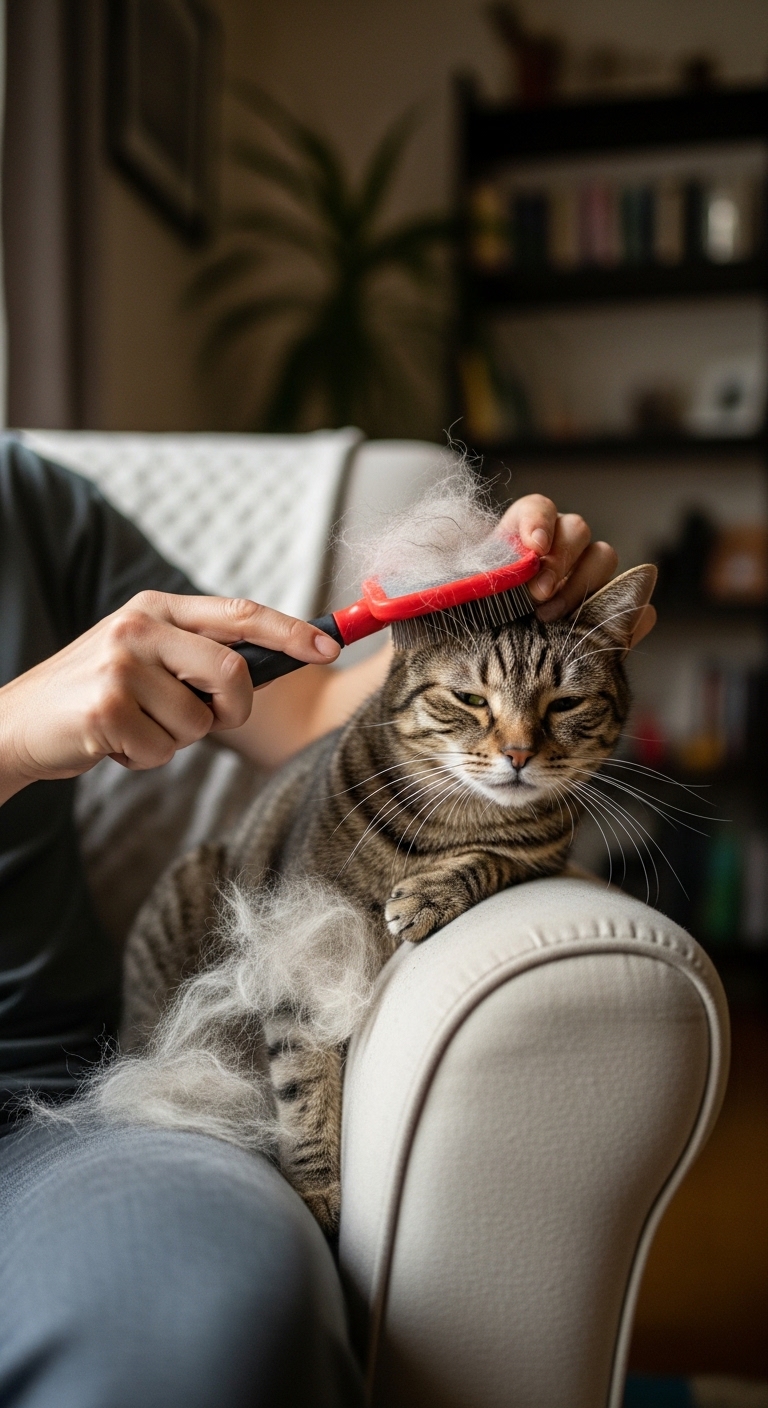
Beyond reducing fur around the house, consistent brushing helps distribute natural oils across your cat’s coat, keeping their skin healthy and their fur shiny.
Frequently Asked Questions
- → How often should I brush my cat to reduce shedding?
For short-haired cats, brushing 2-3 times a week is ideal. Long-haired breeds may need daily grooming to prevent mats and excessive shedding. Consistency is key to managing fur buildup and keeping your home cleaner.
- → What’s the difference between a slicker brush and a deshedding tool?
A slicker brush has fine, bent wires to remove loose fur and detangle, while a deshedding tool has specialized blades to reach the undercoat. Deshedding tools are more effective for heavy shedders but should be used gently to avoid irritating the skin.
- → Can brushing reduce hairballs in cats?
Yes! Regular brushing removes loose fur before your cat ingests it while self-grooming, reducing the formation of hairballs. This is especially helpful for long-haired cats prone to excessive fur ingestion.
- → Are there brushes for cats with sensitive skin?
Absolutely. Look for brushes with soft, rounded bristles or silicone tips to avoid scratching sensitive skin. Brushes labeled for sensitive skin or those with gentle, fine teeth are great options for cats prone to irritation.
- → Do cat brushes help with allergies?
Brushing your cat regularly can reduce airborne allergens by removing loose fur and dander. While it won’t eliminate allergies entirely, it significantly lowers the amount of fur and dander in your home, making it easier for allergy sufferers.
- → How do I choose the right brush for my cat’s fur type?
For short-haired cats, a rubber brush or grooming glove works well. Long-haired breeds benefit from slicker brushes or wide-toothed combs. If your cat sheds heavily, a deshedding tool with a fine edge is best. Always check reviews and consider your cat’s comfort during grooming.