Bathing your dog at home doesn’t have to be a challenge. With the right supplies—like dog-friendly shampoo, a non-slip mat, and lukewarm water—you can make bath time a positive experience for both you and your pup.
Start by brushing their coat to remove tangles, then wet them gently, avoiding the face. Apply shampoo, lather carefully, and rinse thoroughly to prevent skin irritation. Reward your dog with treats and praise to build a routine they’ll tolerate—or even enjoy!
Regular baths (every 4-6 weeks, depending on breed) help maintain skin health, reduce odors, and keep their fur soft. Always dry them properly, especially in colder weather, to prevent chilling.
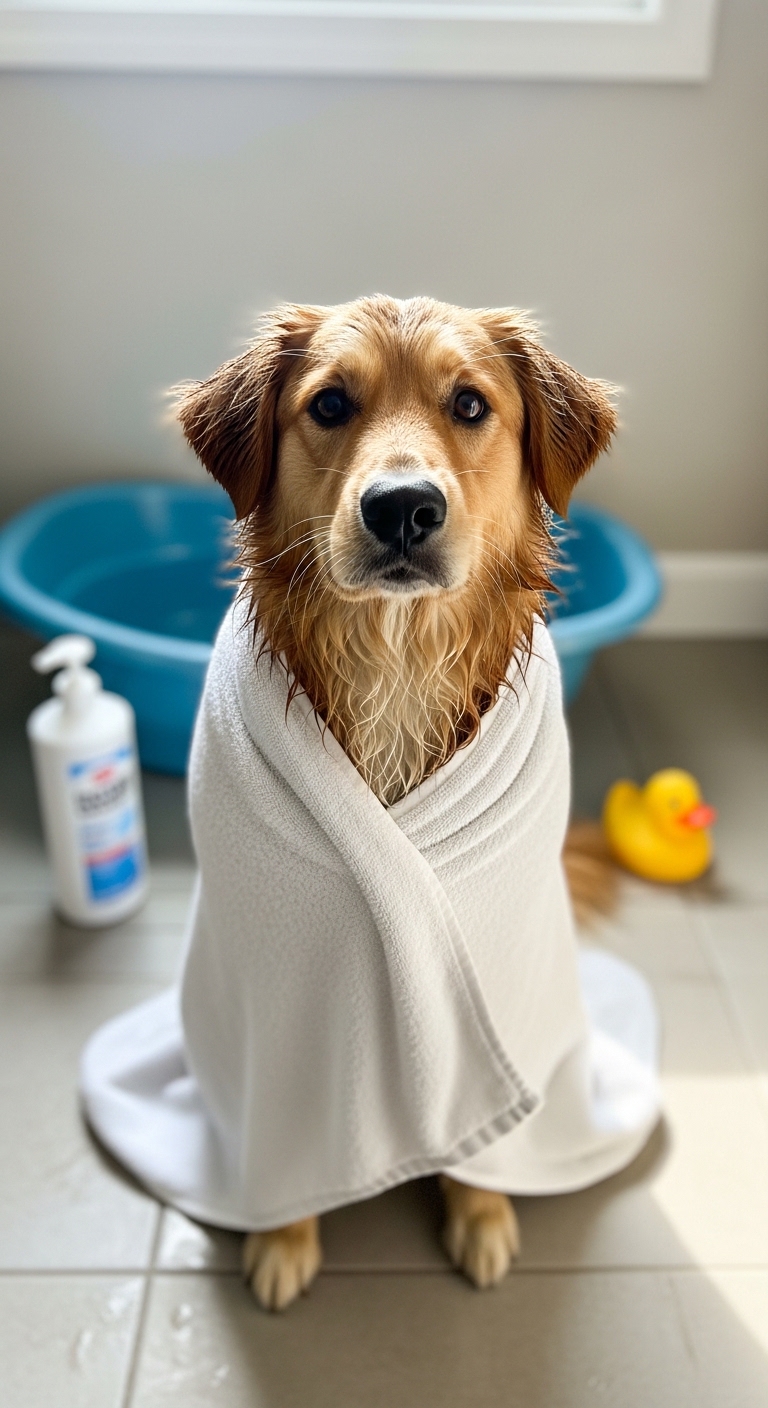
PinA dog is wrapped in a towel and standing in a bathtub. | petcarepicked.com
Bathing your dog at home can feel like a chore or even a battle, but it doesn’t have to be. A good bath keeps your dog clean, reduces odors, and helps prevent skin issues—all while strengthening the bond between you two. Many pet owners avoid bath time because of the mess or their dog’s resistance, but with the right approach, it can become a smooth, stress-free routine. Whether you have a mud-loving Labrador or a delicate Chihuahua, knowing how to bathe your dog properly makes all the difference in their comfort and your sanity.
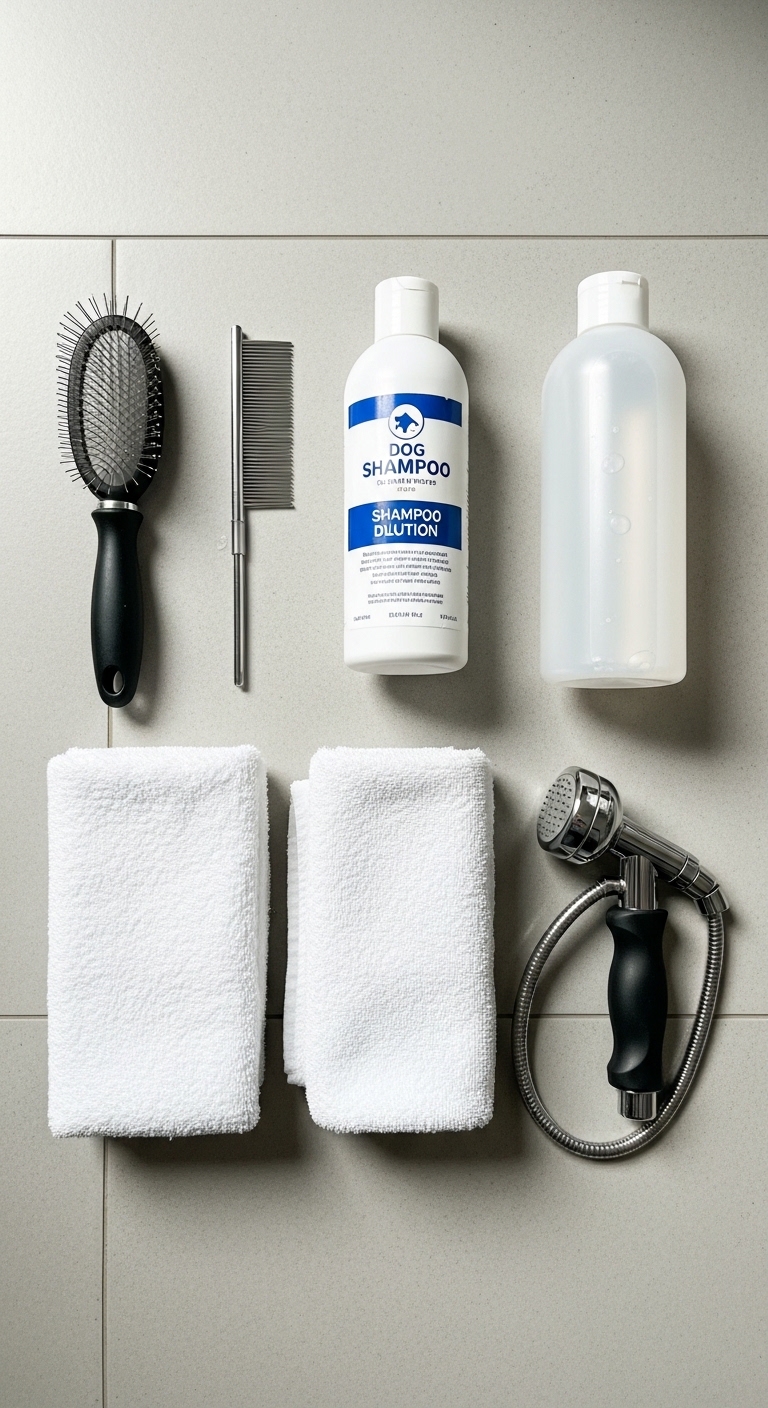
A bottle of shampoo and a brush are on a counter. | petcarepicked.com
Learning the right way to bathe your dog saves you money on professional grooming trips, prevents skin irritation, dryness, or infections caused by improper bathing techniques, and helps you choose the safest shampoos and tools for your dog’s coat type. It also makes bath time faster and less stressful for both you and your pet, while teaching you how to spot early signs of skin problems or allergies during the bath.
I’ve seen plenty of dogs turn bath time into a full-blown escape attempt, but the real issue is usually the water temperature or the way their paws are handled. A little patience and the right setup go a long way—most dogs just need to feel secure. The ideal water temperature is lukewarm, never hot or cold, to avoid shocking your dog’s skin. Dogs with double coats like Huskies or Golden Retrievers need extra rinsing to prevent soap buildup, and ears should always be kept dry to avoid infections, using cotton balls if necessary.
Start by observing your dog’s reaction to water. If they tense up or try to back away, the temperature might be off, or they could be nervous about the sound of running water. A calm, confident approach helps—talk to them in a soothing voice and let them sniff the water first. Check their coat for tangles or dirt buildup before wetting them, as these can become harder to manage once soaked.
Pay attention to how the shampoo lathers. If it doesn’t sud up easily, you might be using too much or not enough water. Rinse thoroughly until the water runs clear, especially in thick-furred breeds, because leftover soap can cause itching. Watch their skin for redness, flakes, or bumps during the bath—these could signal allergies or infections that need attention.
After the bath, note how quickly your dog dries. Some breeds air-dry fine, while others with dense undercoats may need a towel-dry or low-heat blow dryer to prevent dampness that leads to skin issues. If your dog shakes vigorously, it’s a natural instinct, but you can minimize the mess by gently squeezing out excess water with a towel first.
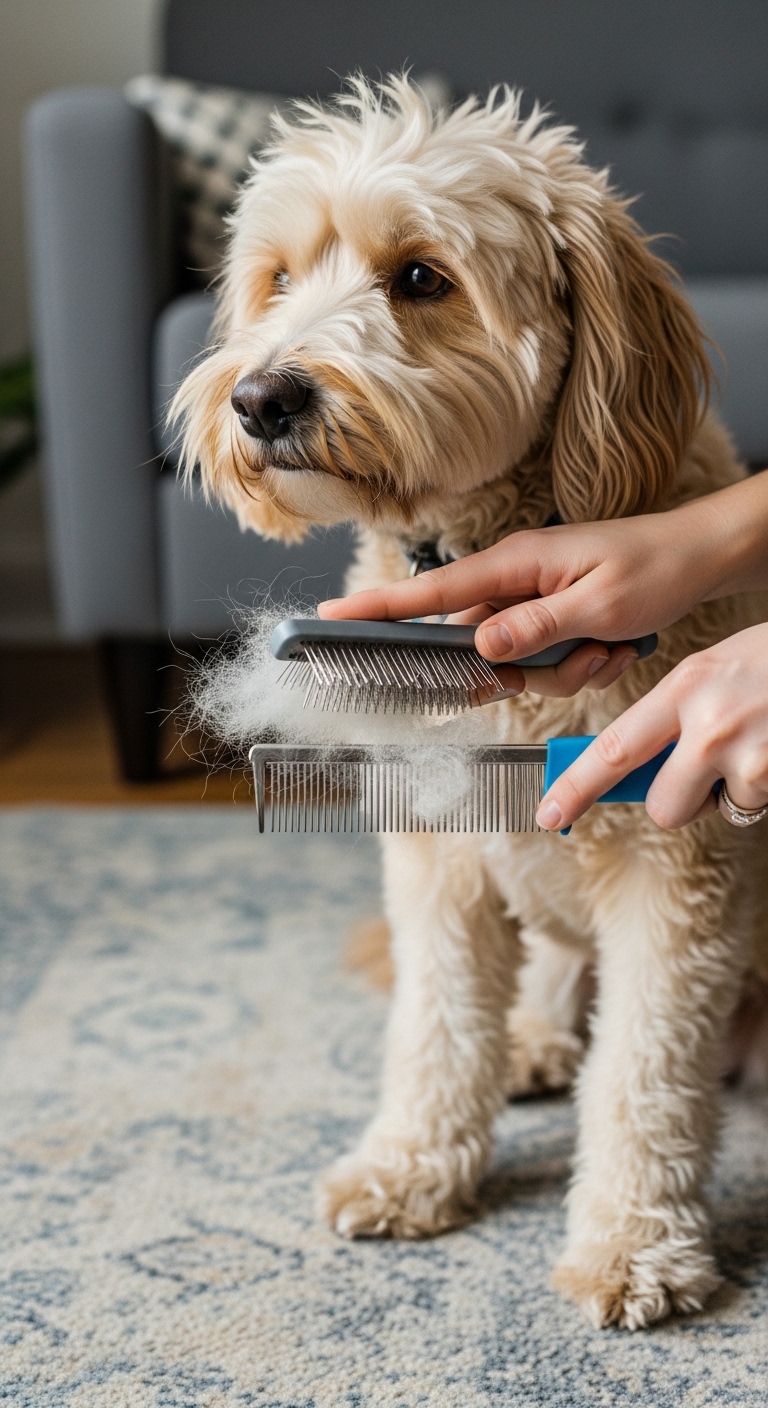
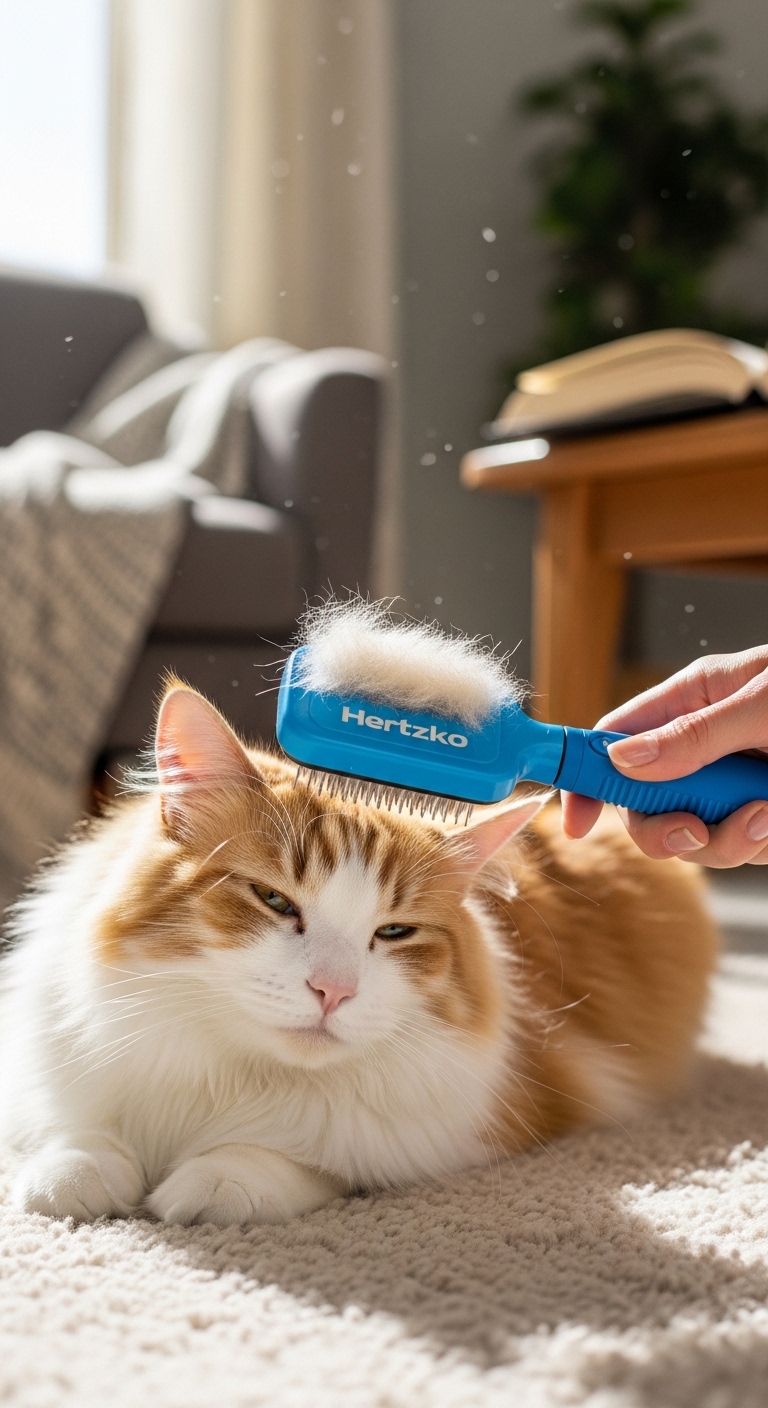
A person is brushing a dog's fur. | petcarepicked.com
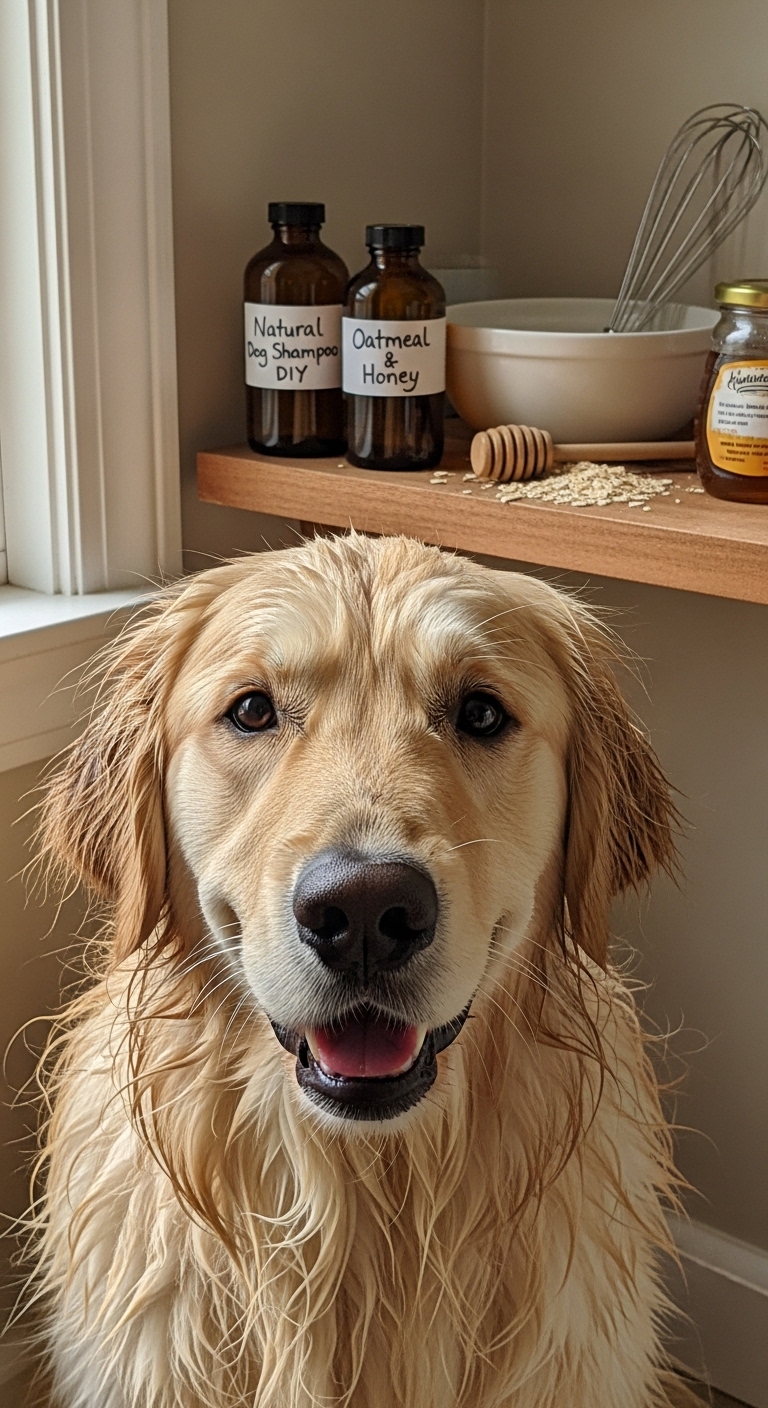
Dogs with sensitive skin may need oatmeal-based or hypoallergenic shampoos. Never spray water directly into your dog’s face—use a washcloth instead. A tired dog is easier to bathe, so a long walk beforehand can help. Small dogs can be bathed in a sink, while larger breeds need a tub or shower. Always reward your dog with treats and praise after the bath to create positive associations.
One mistake I see often is owners rushing the rinsing process, which leaves residue that irritates the skin. Take your time, and if your dog has long fur, part the coat to check for hidden soap. Also, avoid the temptation to bathe too frequently—unless your dog rolls in something foul, most only need a bath every 4 to 6 weeks.
Not all dog shampoos are created equal. For dogs with dry skin, look for moisturizing formulas with aloe or coconut oil. If your dog has fleas, a vet-recommended flea shampoo is a must, but avoid overusing it, as it can be harsh. A handheld showerhead or pitcher works better than a running faucet for controlling water flow. Keep a few extra towels nearby—one for drying and one to place under the tub to catch splashes.
If your dog dreads bath time, start by letting them explore the empty tub with treats. Gradually introduce water in small amounts, pairing each step with praise. Some dogs do better with a bath mitt instead of direct pouring. For extreme anxiety, consult your vet about calming aids or consider professional grooming until they’re more comfortable.
After the bath, check your dog’s paws for trapped debris and trim any overgrown nails if they’re soft from the water. Brush their coat again once fully dry to prevent tangles. If your dog has skin folds, like Bulldogs or Shar-Peis, dry those areas thoroughly to avoid bacterial growth. A cozy blanket or a warm spot to rest helps them relax after the stress of bathing.
In winter, dry indoor heat can make your dog’s skin flakier, so opt for a gentler shampoo and consider a humidifier near their resting area. Summer baths might be more frequent, but always rinse off chlorine or saltwater after swimming to prevent irritation. For dogs who love snow, a quick paw wash after walks removes harmful de-icing chemicals.
Use a lick mat with peanut butter to distract your dog during the bath. Keep a cup or small container to pour water over their back instead of spraying. If your dog hates the sound of the dryer, try towel-drying and letting them air-dry in a warm room. These small adjustments can make bath time a more pleasant experience for both of you.
Frequently Asked Questions
→ How often should I bathe my dog?
Most dogs need a bath every 4-6 weeks, but it depends on their breed, coat type, and activity level. Over-bathing can strip natural oils, while under-bathing may lead to skin issues or odors. Short-haired breeds may need fewer baths, while long-haired or active dogs might need more frequent cleaning.
→ What shampoo is safe for dogs?
Always use a shampoo specifically formulated for dogs—human shampoos can disrupt their skin’s pH balance. Look for mild, soap-free options with natural ingredients like oatmeal or aloe for sensitive skin. Avoid products with harsh chemicals, artificial fragrances, or sulfates.
→ How do I keep my dog calm during bath time?
Start by introducing your dog to the bath area gradually. Use treats and praise to create positive associations. Keep the water lukewarm, speak in a soothing tone, and move slowly. If your dog is extremely anxious, consider using a non-slip mat or seeking professional grooming help.
→ Can I use a hairdryer on my dog?
Yes, but with caution. Use a low-heat setting and keep the dryer at a safe distance to avoid burning their skin. Some dogs fear the noise, so introduce it slowly. Towel-drying first can speed up the process. Alternatively, use a pet-specific dryer or let them air-dry in a warm, draft-free space.
→ What if my dog hates water?
For water-averse dogs, try using a damp washcloth or waterless shampoo for spot cleaning. Gradually introduce them to water with shallow amounts and rewards. Some dogs tolerate baths better in a sink or with a handheld showerhead. Patience and consistency are key—never force them, as it can worsen their fear.
→ How do I prevent ear infections after a bath?
Moisture in the ears can lead to infections, especially in floppy-eared breeds. After bathing, gently dry their ears with a cotton ball or a soft cloth. Avoid inserting anything into the ear canal. You can also use a vet-approved ear-drying solution to help prevent bacteria or yeast buildup.
Stay Updated
Get the latest articles delivered straight to your inbox. No spam, just great inspiration!

 Pin
Pin