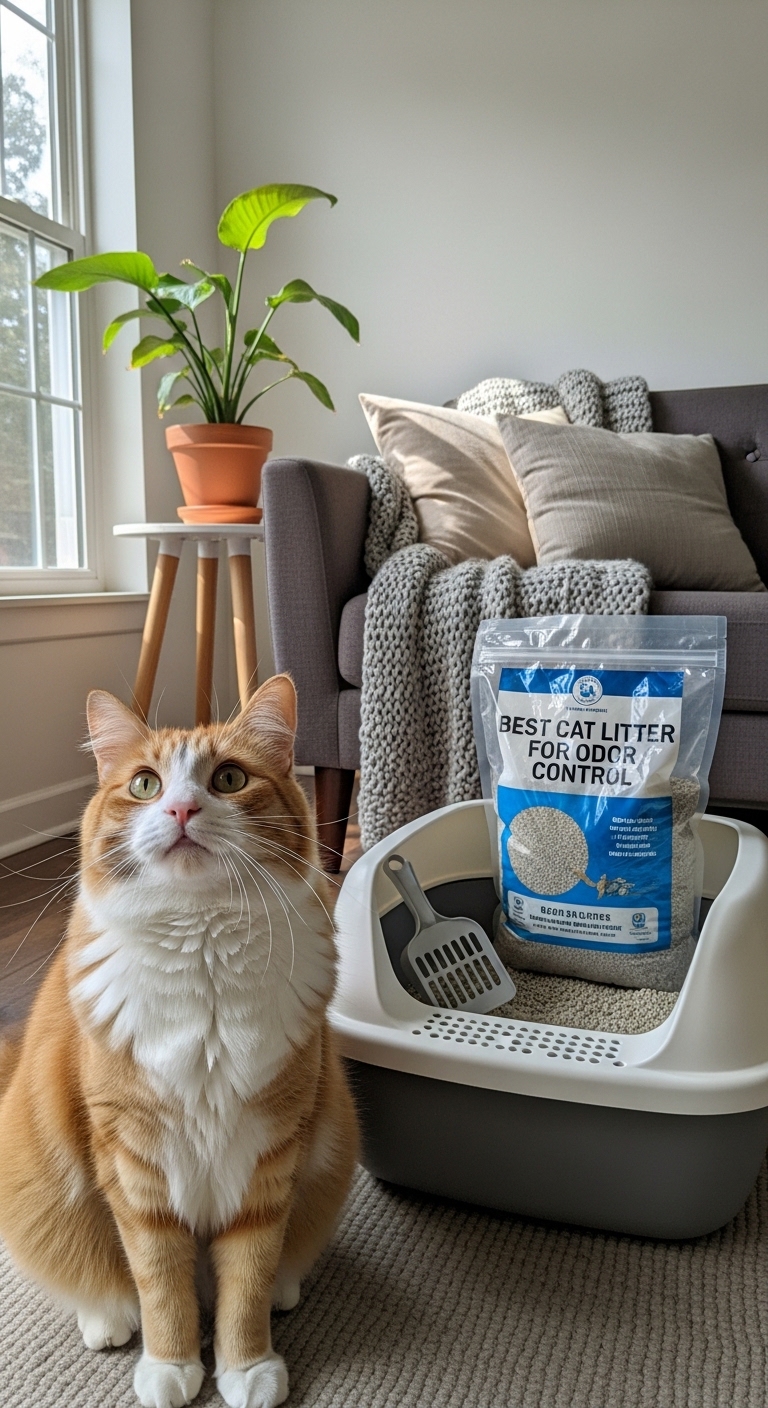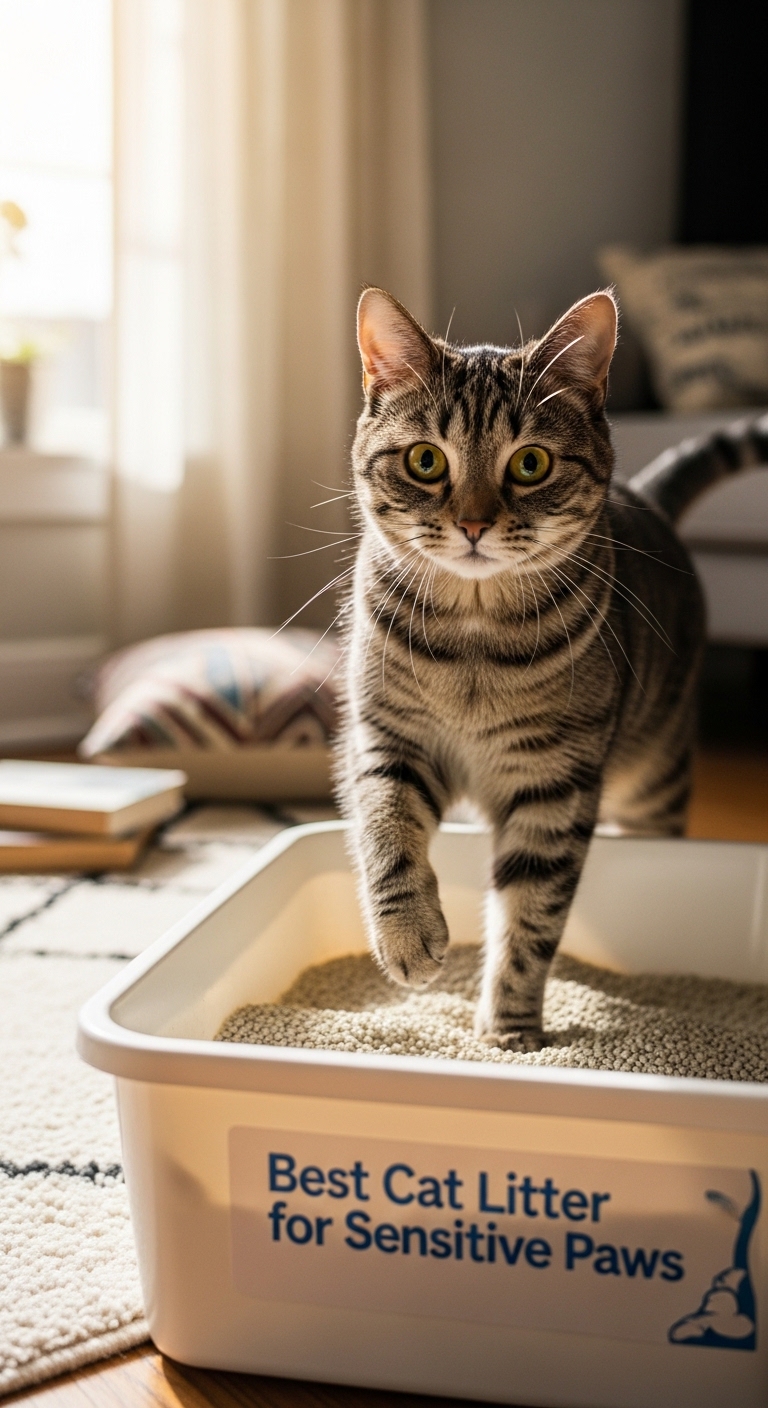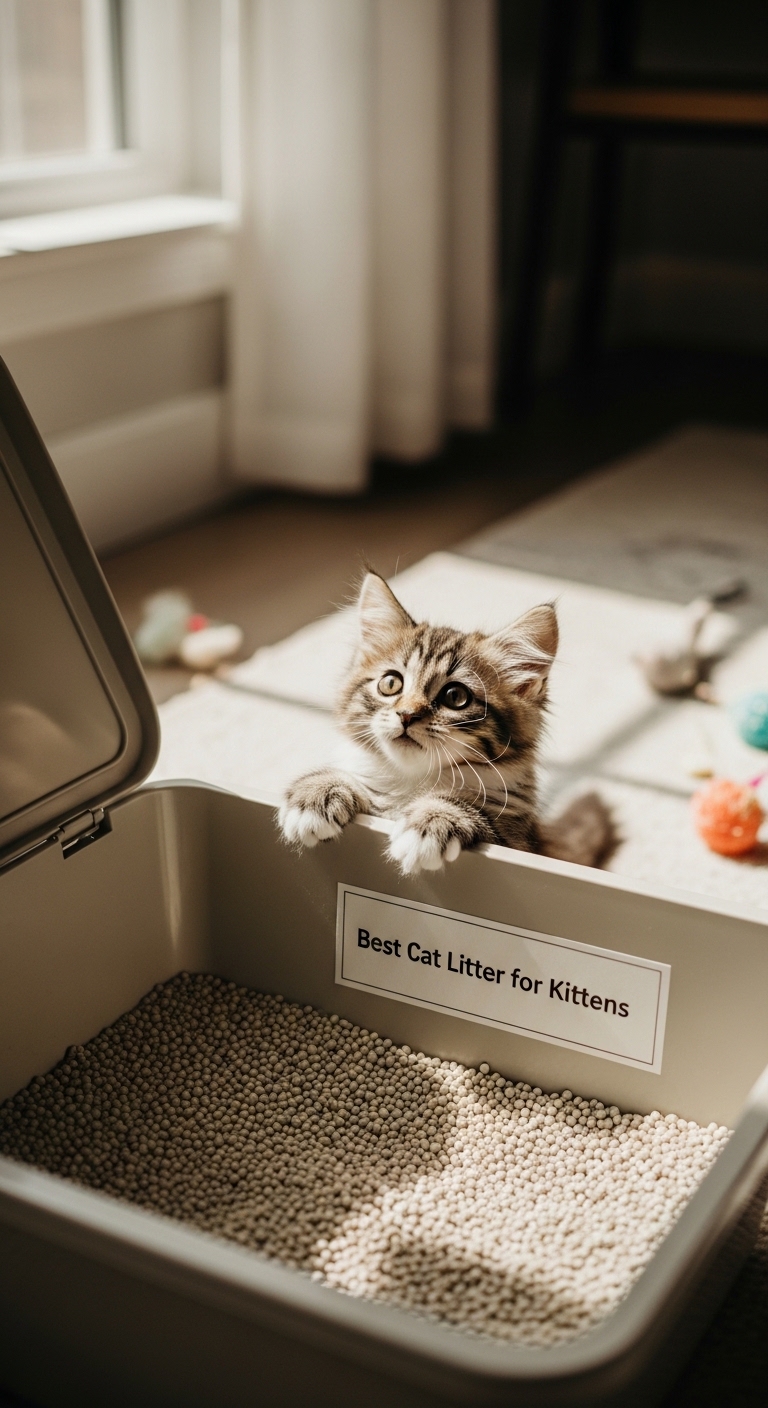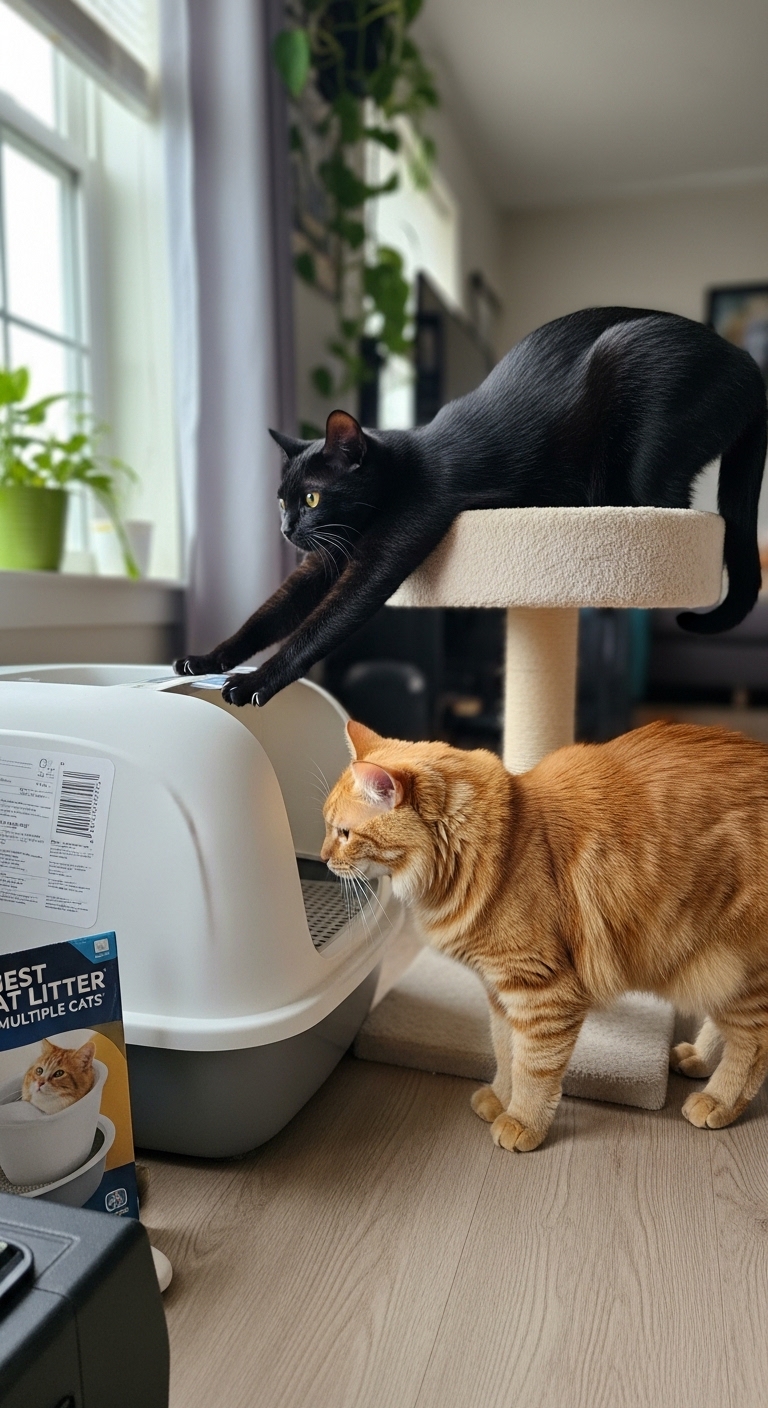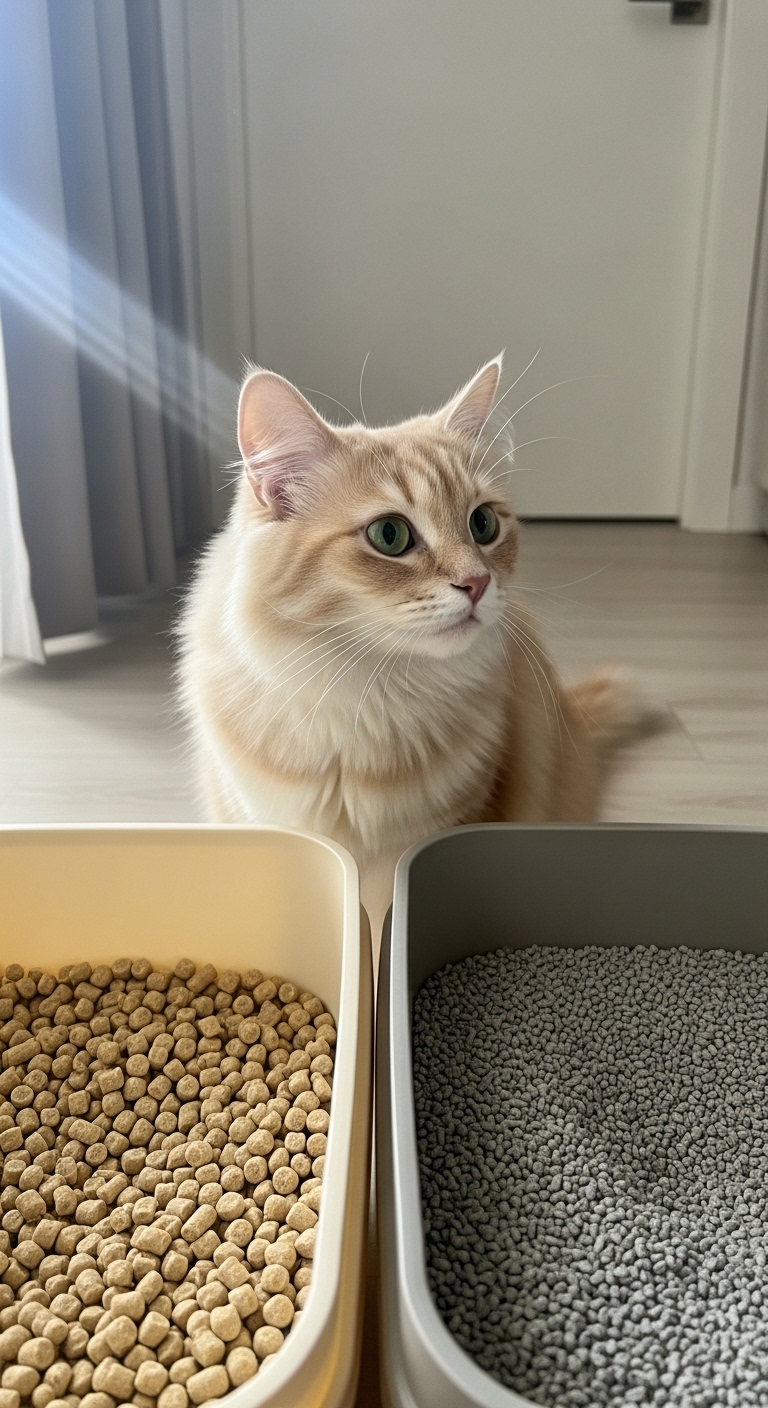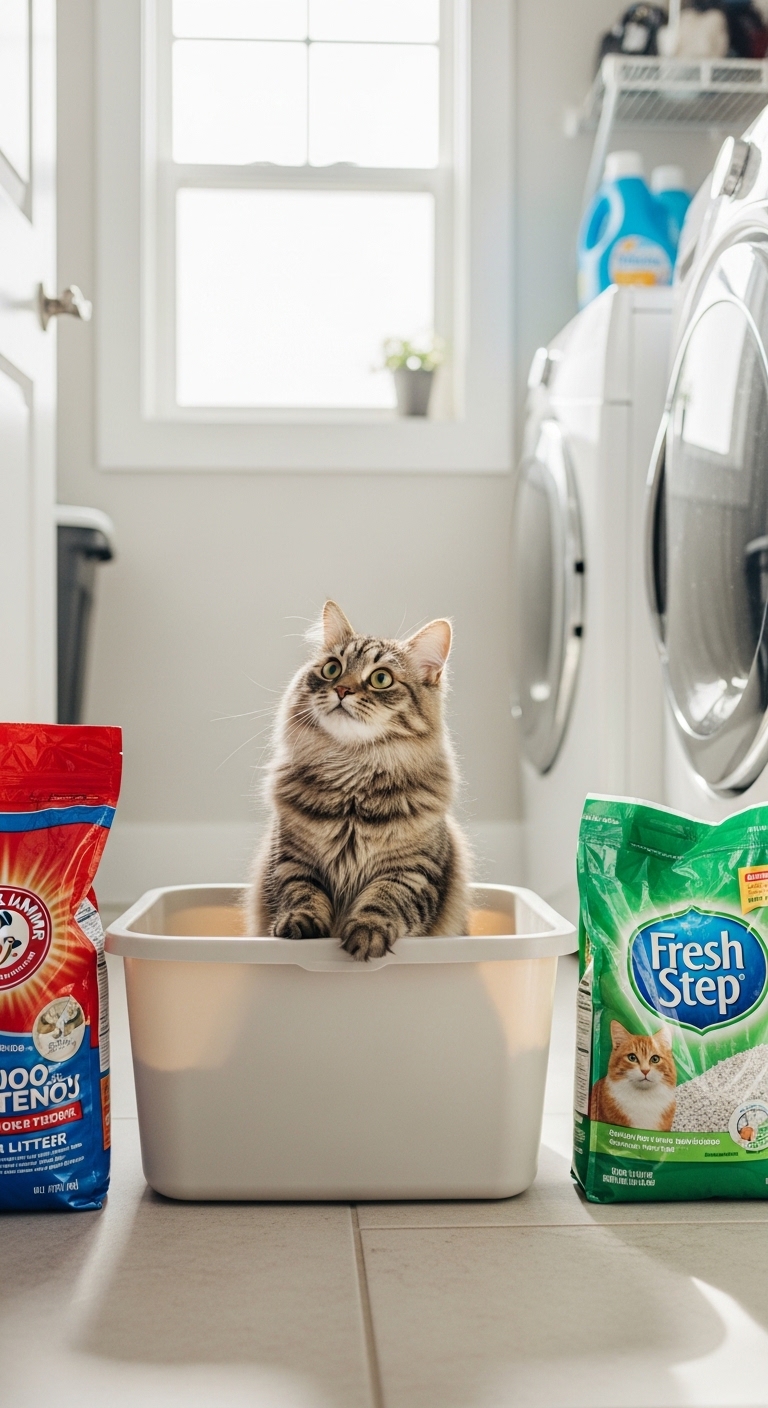
Choosing the right cat litter for a small apartment isn’t just about convenience—it’s about keeping your space fresh, your cat happy, and your daily routine smooth. Odor control, low tracking, and easy cleanup matter more when you’re living in tight quarters. The wrong litter can leave your floors dusty, your air smelly, and your cat avoiding the box altogether. Whether you’re dealing with limited space, sensitive noses, or a finicky feline, picking the best litter makes a noticeable difference in your day-to-day life.
I’ve seen too many cat owners switch litters every few months because they didn’t realize how much their cat’s comfort and their own convenience depend on the right choice.
Key Things to Understand
- Clumping clay litters: popular but can track easily in small spaces, leaving dusty paw prints everywhere
- Silica gel crystals: absorb odors well but may feel too rough under sensitive paws for some cats
- Low-dust formulas: essential in apartments to keep air quality clean and reduce respiratory irritation for both you and your cat
- Scented litters: often seem like a good idea but can overwhelm cats with sensitive noses, leading to avoidance of the box
- Biodegradable options: like pine or paper pellets work well but may require more frequent scooping to control odors
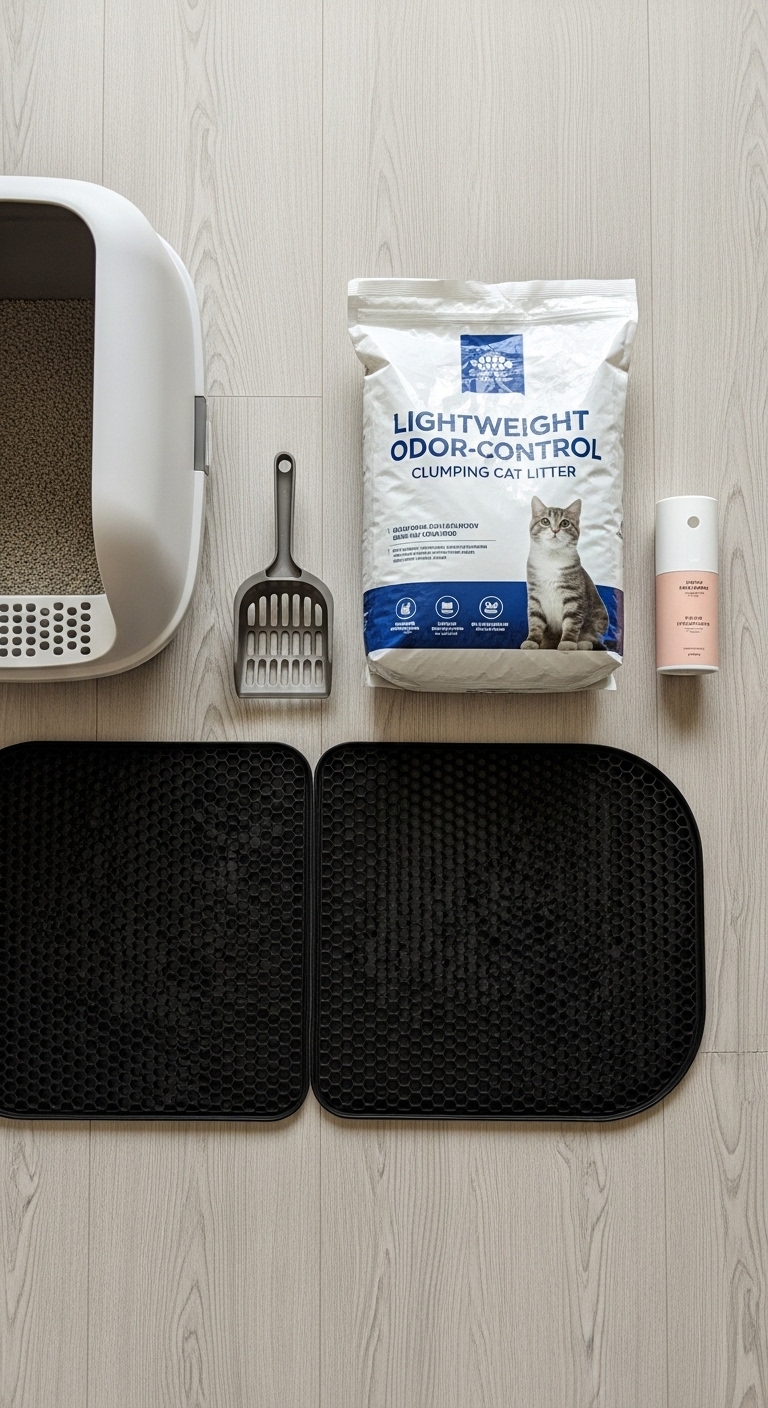
- Tracking mats: placed outside the box can catch stray litter before it spreads through your home
What to Look For
Pay attention to how much dust the litter kicks up when your cat digs—this is especially noticeable in small rooms where particles linger in the air. A low-dust formula might cost a bit more upfront but saves you from cleaning surfaces constantly. Watch your cat’s reaction after they use the box; if they shake their paws excessively or avoid the litter entirely, the texture might not suit them. Odor control should be immediate, not something that builds up over hours, so test how well the litter neutralizes smells right after scooping. Consider the storage space in your apartment too—some litters come in bulky bags that take up precious room, while others have resealable packaging for easier handling.
I once used a highly rated pine pellet litter in a studio apartment, only to realize it absorbed odors so well that I couldn’t tell when it needed changing until the smell hit me walking in the door. Now I check the box more often with those types. Another common mistake is assuming all clumping litters work the same—some form tight clumps that hold together for easy scooping, while others break apart into a messy slurry that’s harder to remove.
Daily Care Habits
Scoop the litter box at least once a day, even if it doesn’t look full—this prevents odor buildup in small spaces. Rinse the box weekly with mild soap and water to remove residue that can trap smells over time. Place a small rug or mat near the box to catch stray litter before it spreads through your home. Consider a covered box if your cat is okay with it, as it can contain both litter and odors better than an open tray. Rotate between two boxes if you have space, giving each one a day to air out between uses.
Choosing the Right Product
Start with a small bag of your top two or three litter choices to test your cat’s reaction before committing to a large purchase. Look for litters with fine, sand-like textures if your cat prefers a softer feel under their paws. Check the label for moisture absorption claims—some litters work better for multi-cat households where accidents happen more often. Avoid litters with added chemicals or dyes, as these can irritate sensitive cats or cause skin reactions. Read reviews from other apartment dwellers to see which litters actually perform well in limited spaces.
Safety and Comfort
Avoid litters with large granules or sharp edges that could hurt your cat’s paws during digging. Keep litters with strong fragrances away from cats prone to respiratory issues or allergies. Place the litter box in a quiet, low-traffic area where your cat can use it without feeling exposed. Monitor your cat’s litter habits—changes in frequency or posture can signal discomfort with the current litter. Wash your hands after handling used litter to prevent bacteria transfer, especially in small kitchens.
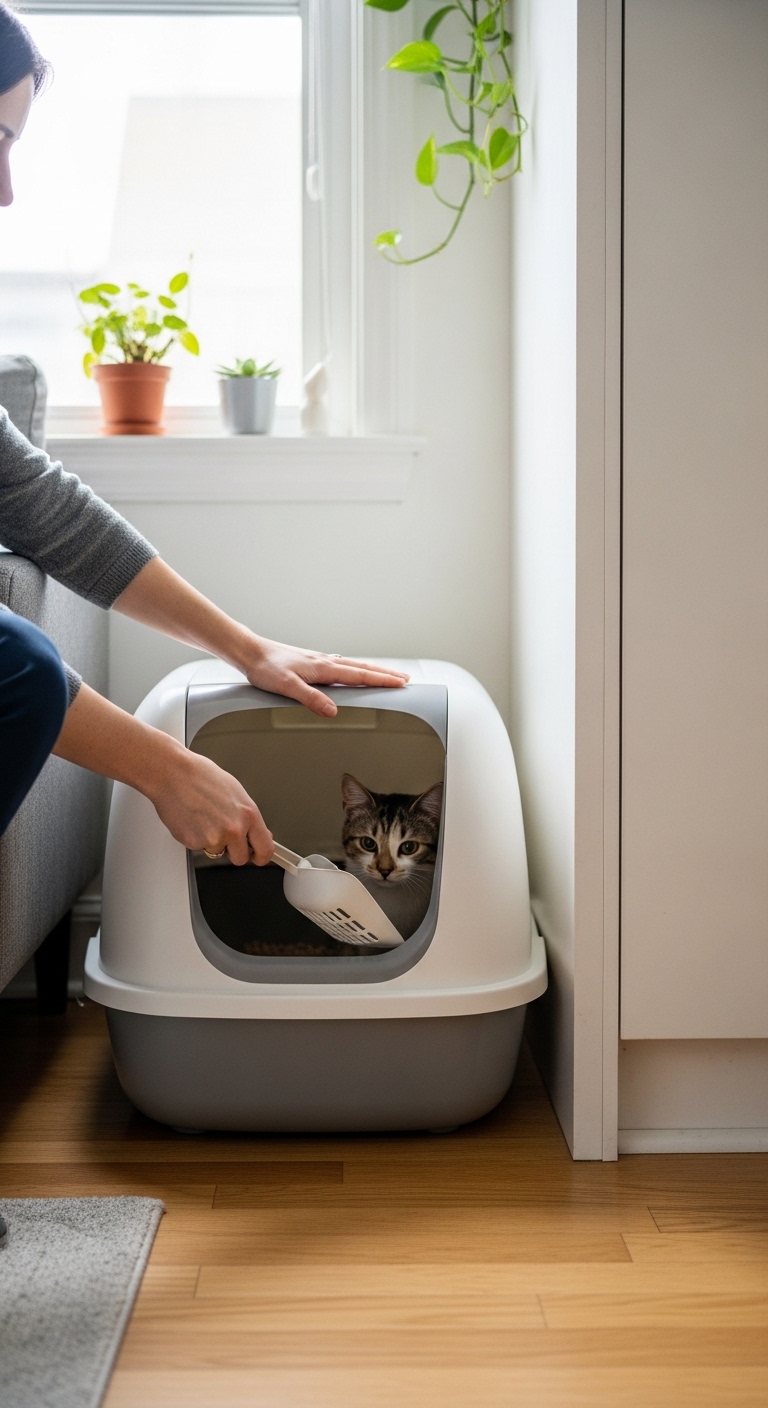
Selecting the right litter transforms small-space living with cats from a daily struggle into a manageable routine.
Frequently Asked Questions
- → What is the best type of cat litter for small apartments?
Silica gel or pine-based litters are ideal for small apartments due to their excellent odor control and low tracking. Clumping litters that are lightweight and easy to scoop also work well in compact spaces.
- → How can I reduce litter tracking in a small apartment?
Use a litter mat with high sides to catch stray litter, opt for low-tracking formulas, and choose litters with larger granules that clump tightly. Placing the litter box on a washable rug can also help contain mess.
- → Are clumping litters better for small apartments?
Yes, clumping litters make cleanup easier by forming solid clumps around waste, reducing the need to replace the entire litter. This is especially helpful in small spaces where frequent litter changes may be impractical.
- → How often should I clean the litter box in a small apartment?
Scoop the litter box daily to maintain hygiene and control odors. Replace the litter completely every 1-2 weeks, depending on the type of litter and your cat’s usage.
- → Can I use scented cat litter in a small apartment?
Scented litters can help mask odors, but some cats are sensitive to strong fragrances. Test a small amount first and monitor your cat’s reaction. Unscented, odor-absorbing litters like silica gel are often a safer choice.
- → What’s the best litter box setup for small apartments?
Choose a covered or high-sided litter box to contain litter scatter, and place it in a quiet, well-ventilated corner. Ensure there’s enough space around the box for your cat to move comfortably without feeling cramped.