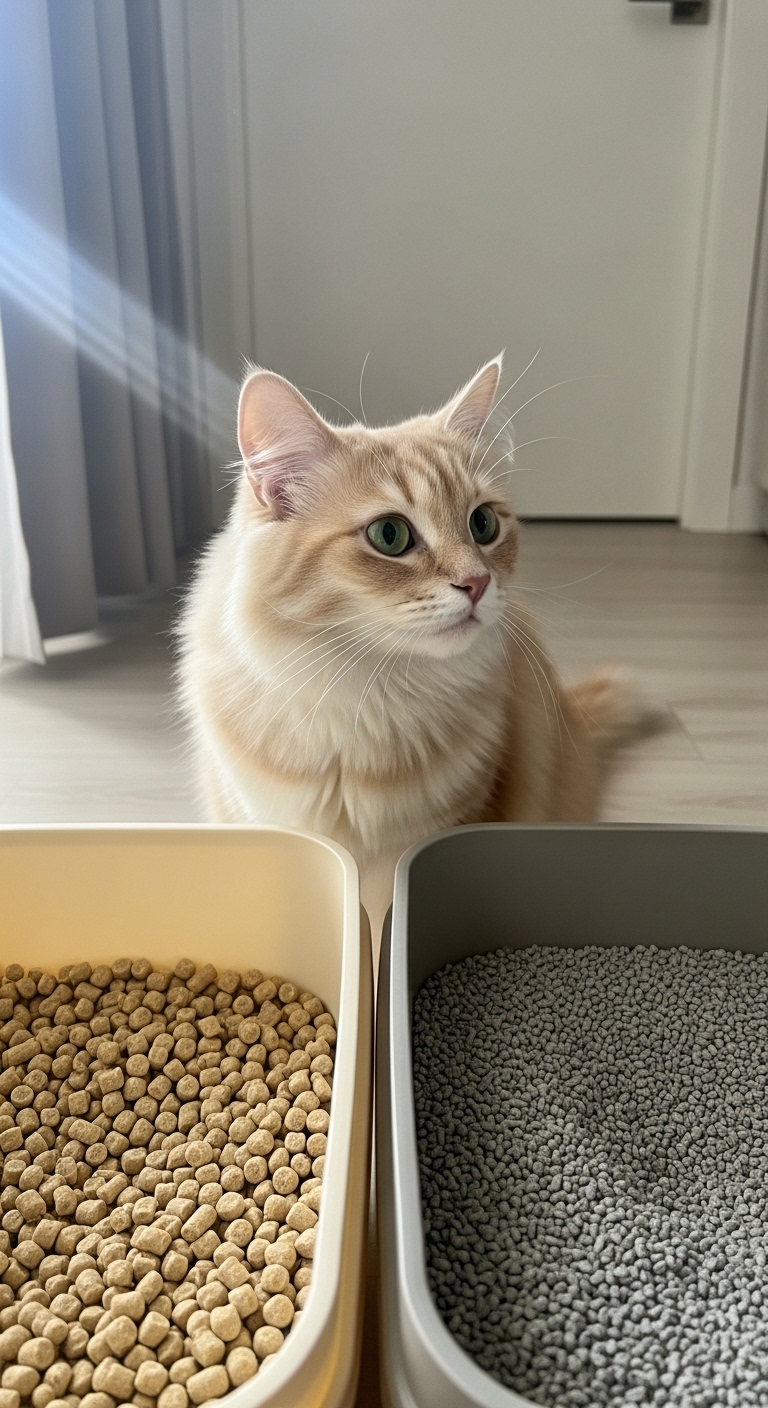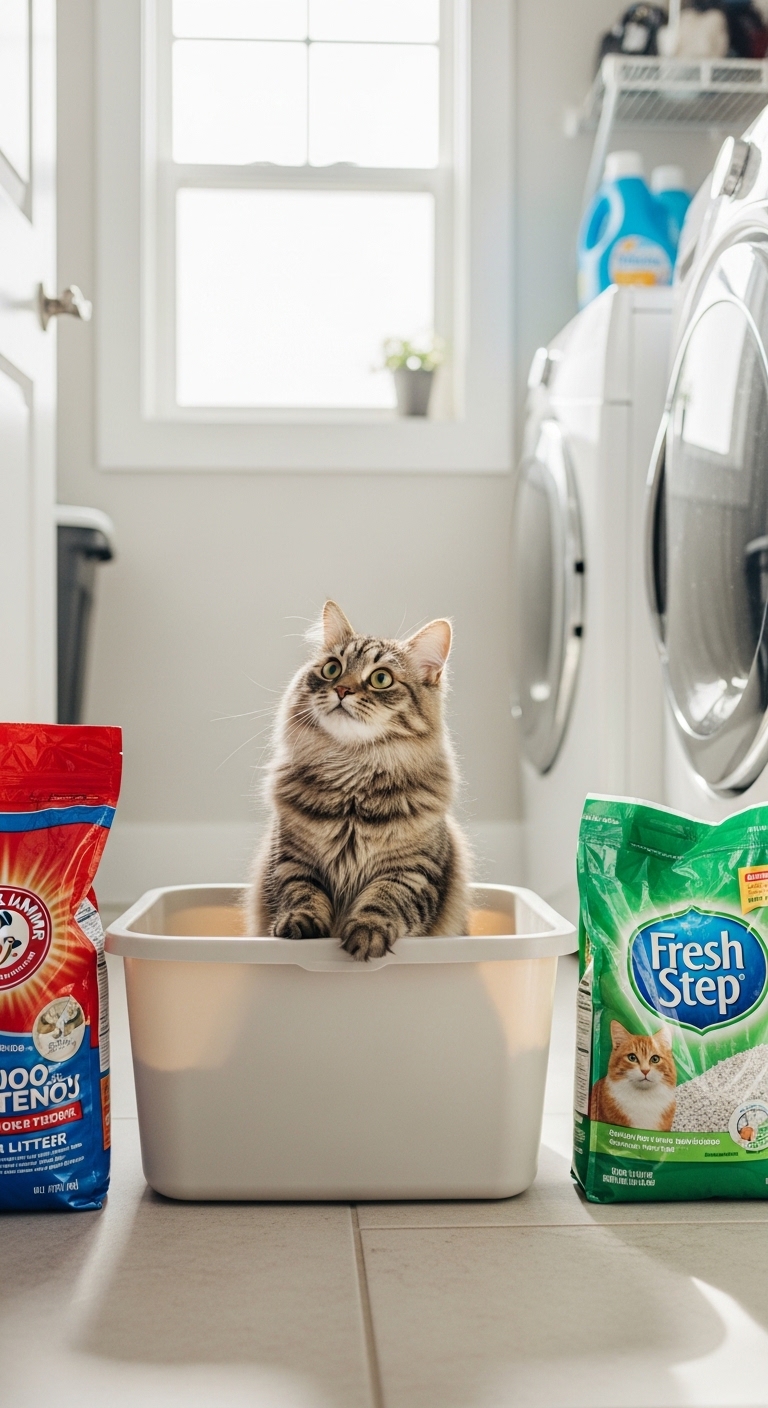
Finding the right cat litter can feel like a never-ending search, especially when your home starts to smell more like a litter box than a cozy living space. The truth is, no one wants to walk into a room and immediately notice that familiar, unpleasant odor. Whether you have one cat or several, managing litter box smells is a daily challenge that affects your comfort and your cat’s well-being. The right litter doesn’t just mask odors—it traps them, keeps your home fresher, and makes cleanup easier. Plus, a clean litter box encourages your cat to use it consistently, which is good for both of you.
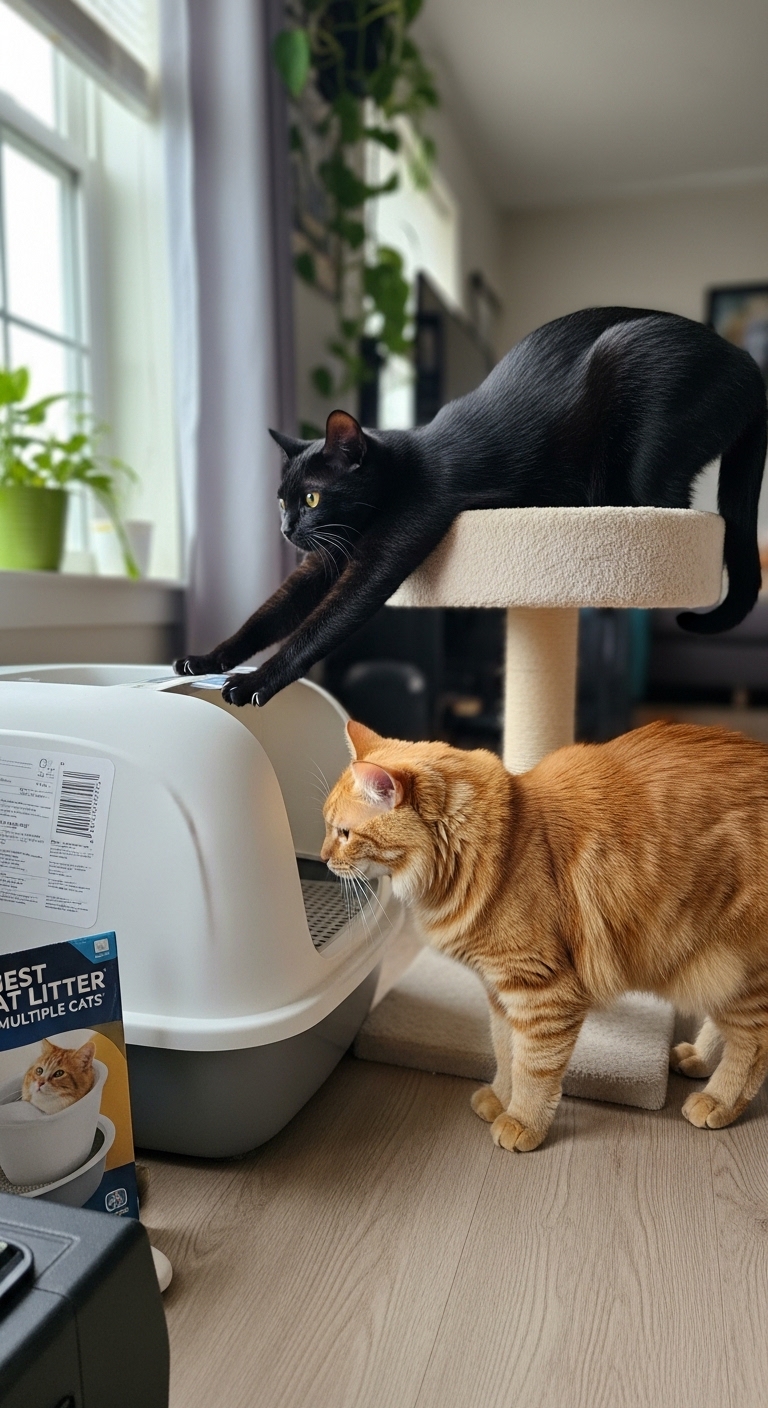
I remember when I switched to a clumping clay litter with activated charcoal—suddenly, the litter box smell was barely noticeable even after my two cats used it multiple times a day. It made a noticeable difference in how often I had to scrub the box and how fresh the air felt in my home.
Key Things to Understand
- Clumping litter is usually the best for odor control: because it forms tight clumps when wet, trapping smells inside the clump
- Scented litters can sometimes make odors worse: if your cat avoids the box due to strong fragrances
- Natural litters like pine or wheat can absorb odors: but may not clump as well as clay
- The litter box should be scooped at least once a day: to prevent odor buildup
- Some litters contain baking soda: which helps neutralize odors without adding artificial scents
- Thicker layers of litter can trap odors better: but may make cleanup messier
What to Look For
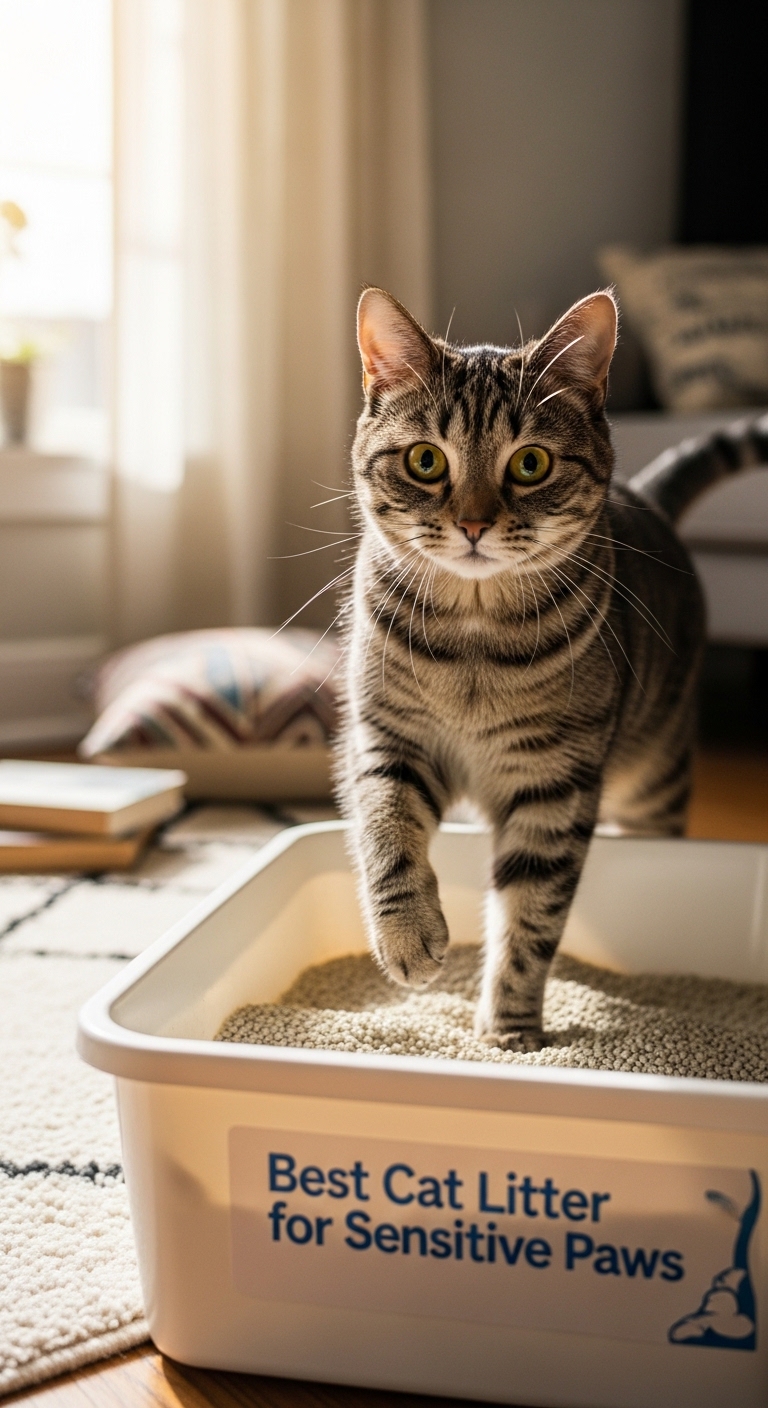
When shopping for cat litter, pay attention to how well it clumps when wet. A good clumping litter will form solid, easy-to-scoop clumps that don’t crumble apart. If the clumps are soft or break apart, they won’t trap odors effectively, and you’ll end up with more mess and smell. Also, check the texture of the litter. Some cats prefer finer grains, while others like larger pellets. If your cat resists using the litter, it might be because the texture feels uncomfortable under their paws.
Another thing to notice is how the litter handles moisture. A high-quality litter should absorb urine quickly and lock in odors rather than letting them linger in the air. If you’ve ever opened the lid of a litter box and been hit with a strong ammonia smell, the litter isn’t doing its job. Look for litters with odor-neutralizing ingredients like activated charcoal or baking soda, but avoid those with overpowering artificial fragrances that might bother your cat’s sensitive nose.
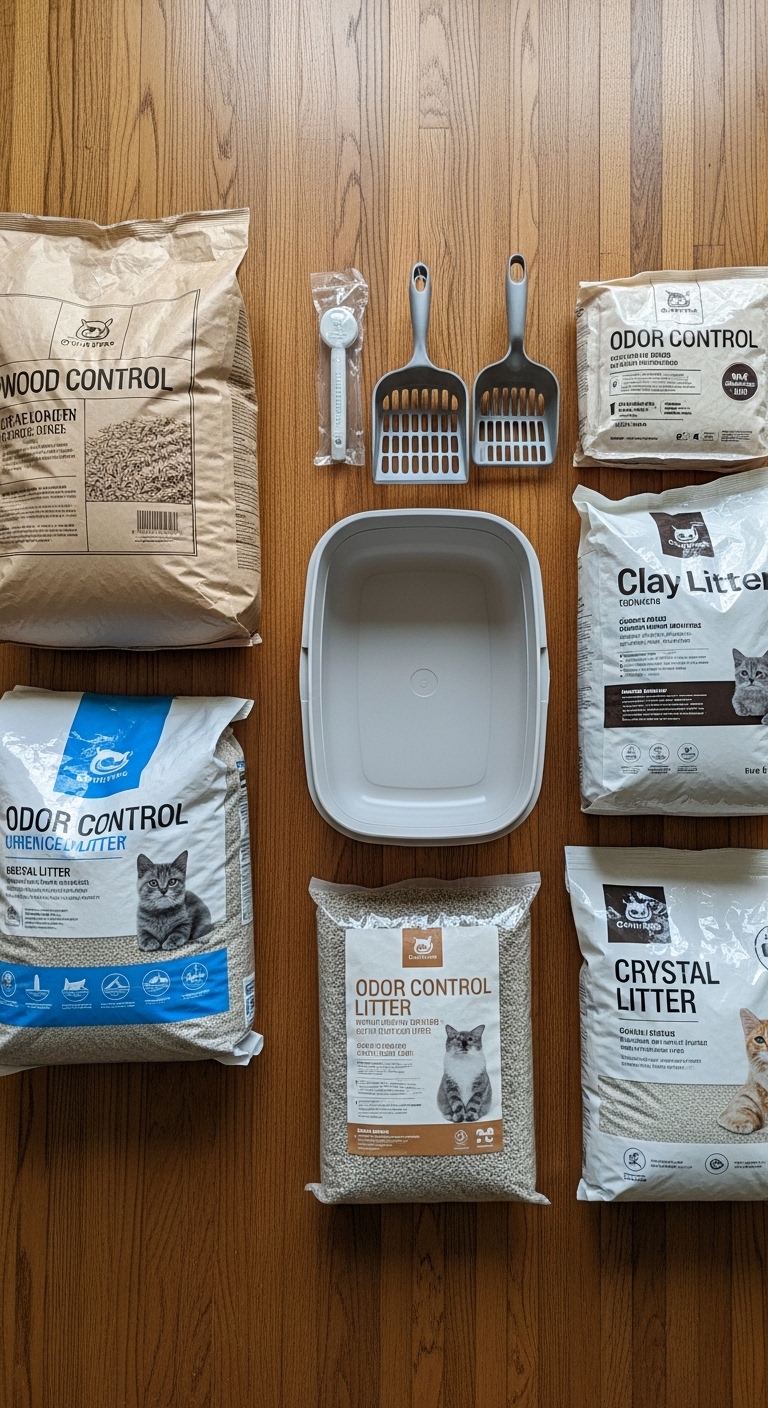
It’s easy to assume that a litter with a strong scent will cover up odors, but many cats dislike heavily perfumed litters and may avoid the box altogether. I’ve seen this happen with friends’ cats—they switched to a heavily scented litter, and their cats started going outside the box. Once they switched back to an unscented clumping litter, the problem disappeared. Also, remember that even the best litter won’t work if the box isn’t scooped daily. Odor control starts with regular maintenance, not just the type of litter you choose.
Choosing the Right Litter for Your Cat’s Needs
Not all cats tolerate the same types of litter. Some prefer fine grains, while others like larger, pellet-style litters. If your cat is picky, start with a small bag of a few different types to see which one they prefer. Also, consider your cat’s age and health. Older cats or those with joint issues might struggle with deep litter boxes, so a lower-sided box with a lighter litter could be more comfortable for them.
Safety and Comfort for Your Cat
Odor control shouldn’t come at the expense of your cat’s comfort. Avoid litters with harsh chemicals or artificial fragrances that could irritate their paws or respiratory system. Natural litters like pine or wheat are great for odor control but can be dusty, which might bother cats with allergies. If you notice your cat sneezing or coughing after using a new litter, it’s a sign to switch to something gentler.
Daily Care Habits to Keep Odors at Bay
Scooping the litter box once or twice a day is the simplest way to keep odors under control. If you’re gone for long hours, consider an automatic litter box that scoops itself. Also, wash the litter box with mild soap and water every few weeks to remove any buildup of bacteria that can cause lingering smells. Placing the litter box in a well-ventilated area can also help reduce odors in your home.
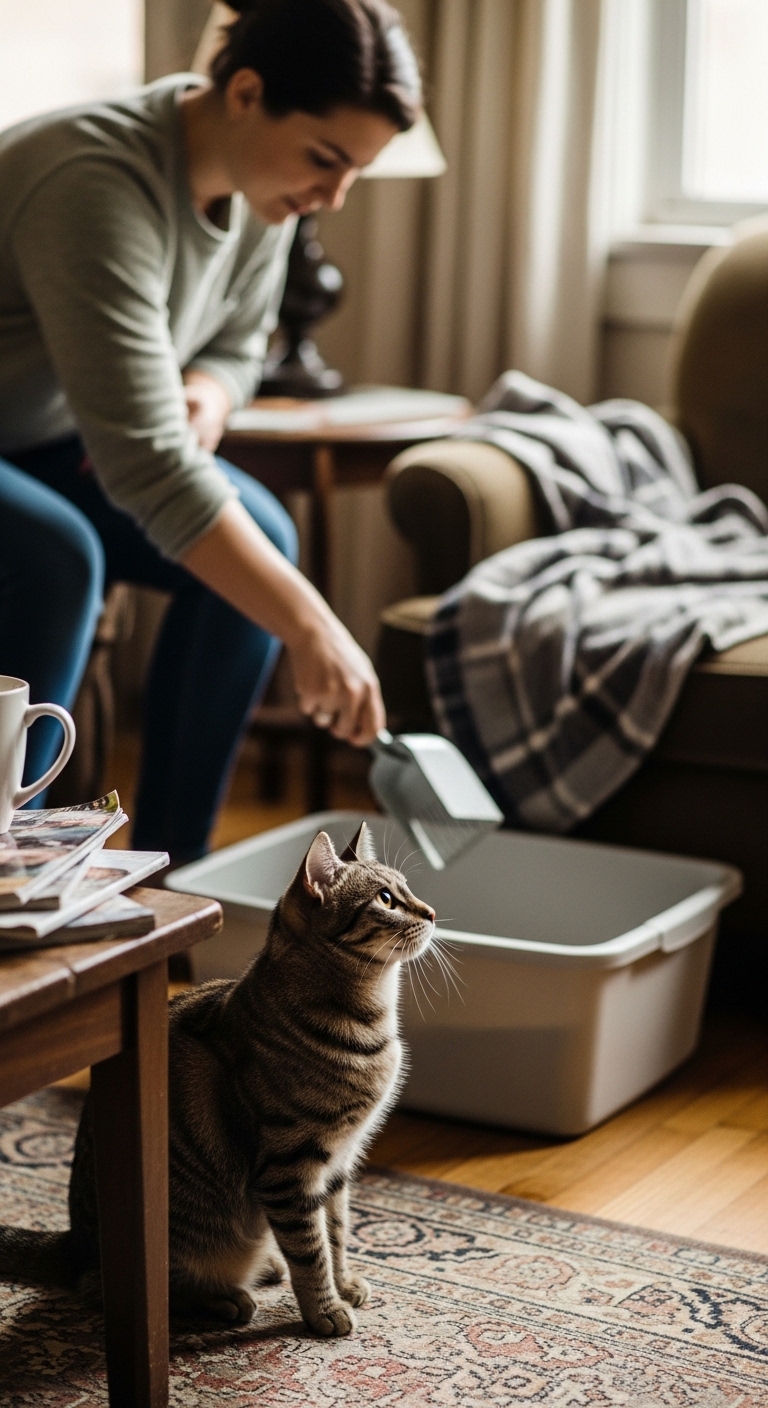
The best litter for odor control is one that works for both you and your cat. It should keep your home smelling fresh, be comfortable for your cat to use, and fit seamlessly into your daily routine.
Frequently Asked Questions
- → What makes a cat litter effective for odor control?
Effective cat litters for odor control typically contain activated charcoal, baking soda, or plant-based ingredients that absorb and neutralize odors at the molecular level. Clumping litters also help by trapping smells within the clumps, reducing overall odor in the litter box.
- → Are scented cat litters better for controlling odors?
Scented cat litters can help mask odors, but some cats are sensitive to strong fragrances. Unscented or lightly scented options are often preferred by cats and can still effectively control odors through absorbent materials like activated charcoal or baking soda.
- → How often should I clean the litter box to reduce odors?
To keep odors at bay, scoop the litter box at least once daily and replace the litter completely every 1-2 weeks. Regular cleaning prevents odor buildup and keeps your cat comfortable.
- → Can plant-based cat litters control odors as well as clay litters?
Yes, many plant-based cat litters are designed with natural odor absorbers like pine, wheat, or corn. These litters can be just as effective as clay litters, especially if they contain added baking soda or charcoal for enhanced odor control.
- → Do crystal cat litters work better for odor control?
Crystal cat litters are highly absorbent and excel at controlling odors by trapping moisture and smells within the crystals. They require less frequent changing but may not clump, making them a low-maintenance option for odor control.
- → What should I consider when switching to a new odor-control cat litter?
Introduce the new litter gradually by mixing it with your cat’s current litter over several days. Monitor your cat’s reaction to ensure they accept the change, and observe any improvements in odor control.