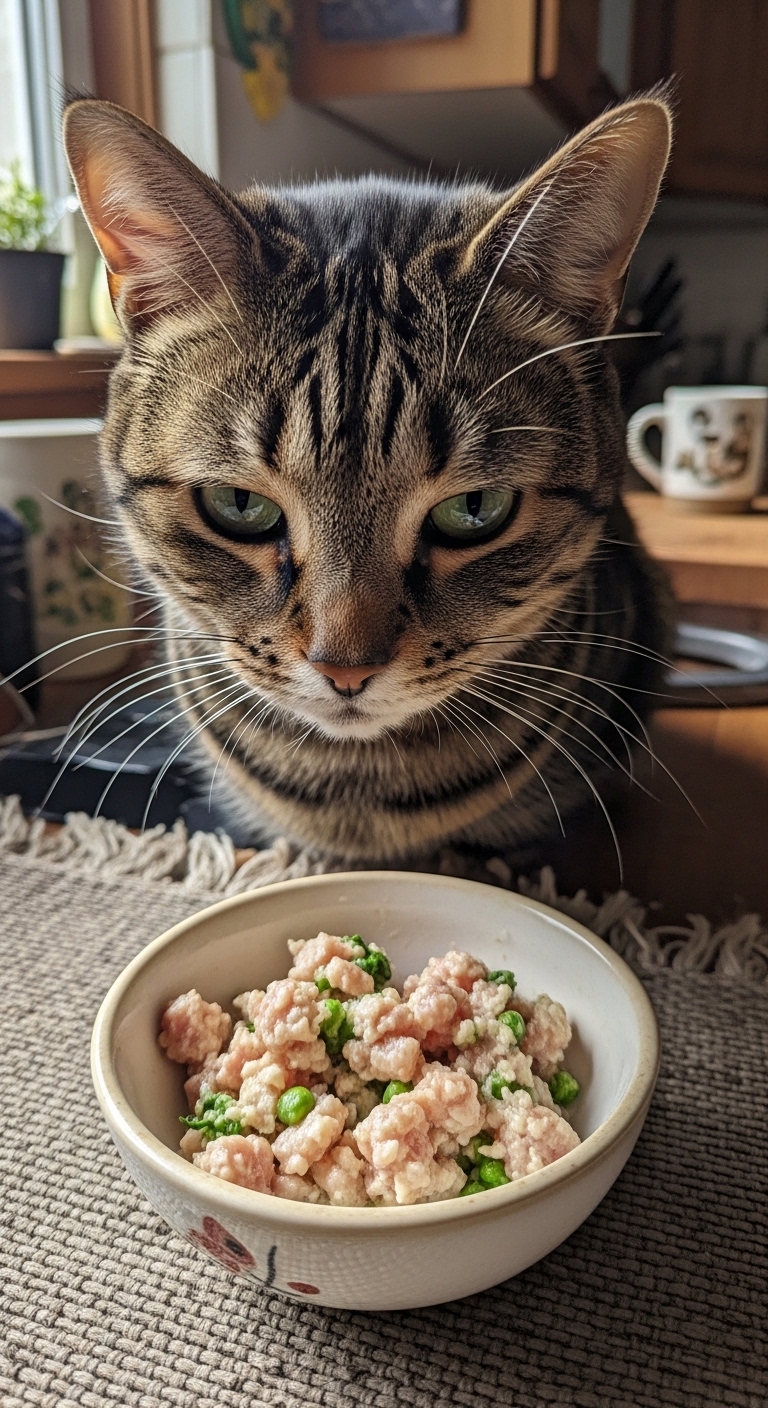
Choosing the right cat food can feel overwhelming with so many brands promising the best nutrition. For most pet owners, the goal is simple: finding a food that keeps their cat healthy without breaking the bank. Blue Buffalo and Purina One are two popular options, but they take very different approaches to ingredients, quality, and price. Understanding the differences between them can help you make a decision that fits your cat’s needs and your budget.
I’ve seen cats thrive on both brands, but the difference often comes down to their specific needs. A senior cat with sensitive digestion might do better on one, while a young active cat could need the other. Paying attention to your cat’s reaction after switching is just as important as reading the label.
Key Things to Understand
- Blue Buffalo: uses natural ingredients with no artificial additives, which appeals to owners who want a more holistic diet. Their recipes often include higher protein levels and named meat sources like chicken or turkey, making them a favorite for cats with food sensitivities. The brand also offers grain-free options, which can be helpful for cats with grain allergies. However, the premium ingredients come with a higher price tag, so it’s important to weigh whether the benefits justify the cost for your situation.
- Purina One: focuses on affordability while still meeting basic nutritional standards. Their formulas include real meat as the first ingredient and added vitamins and minerals to support overall health. While they don’t always use the same level of premium ingredients as Blue Buffalo, they provide consistent quality at a more accessible price point. This makes them a practical choice for owners who want reliable nutrition without overspending. One thing to watch for is that some formulas include fillers like corn or wheat, which aren’t harmful but aren’t as beneficial as whole grains or meat.
What to Look For
When comparing these brands, start by checking the ingredient list on the back of the bag. Look for a named meat source like chicken, turkey, or fish as the first ingredient, which indicates a higher protein content. Avoid foods with vague terms like “meat meal” or “animal by-products,” as these can include lower-quality parts. Also pay attention to the guaranteed analysis section, which shows the minimum protein and fat percentages and maximum fiber and moisture levels. This gives you a clear picture of what your cat is actually getting in their food.
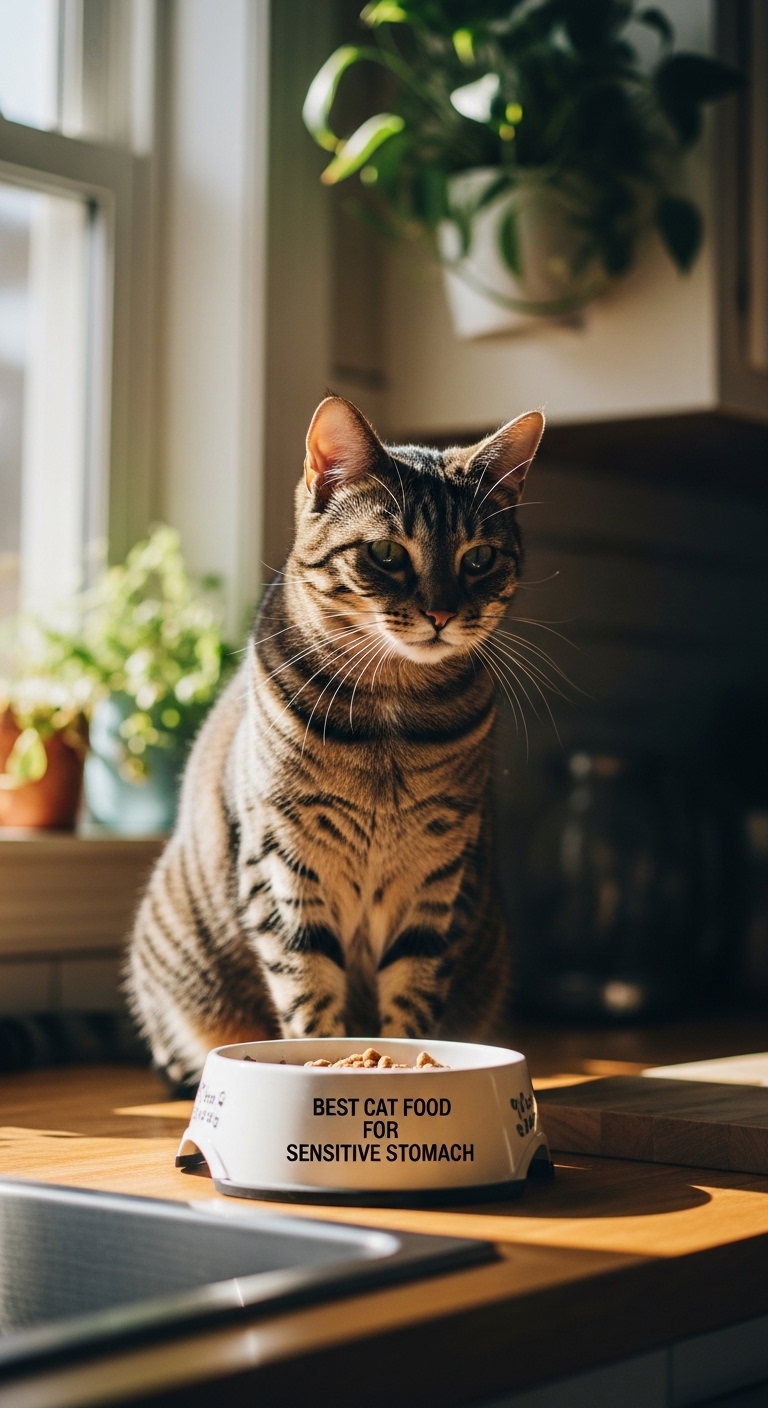
Another thing to consider is your cat’s life stage. Kittens, adults, and senior cats have different nutritional needs, so choose a formula that matches your cat’s age. For example, kittens need more calories and fat for growth, while seniors may benefit from added joint support or easier-to-digest proteins. If your cat has a sensitive stomach, look for recipes labeled for digestive health or limited-ingredient diets. These are designed to reduce the risk of allergies or upset stomachs.
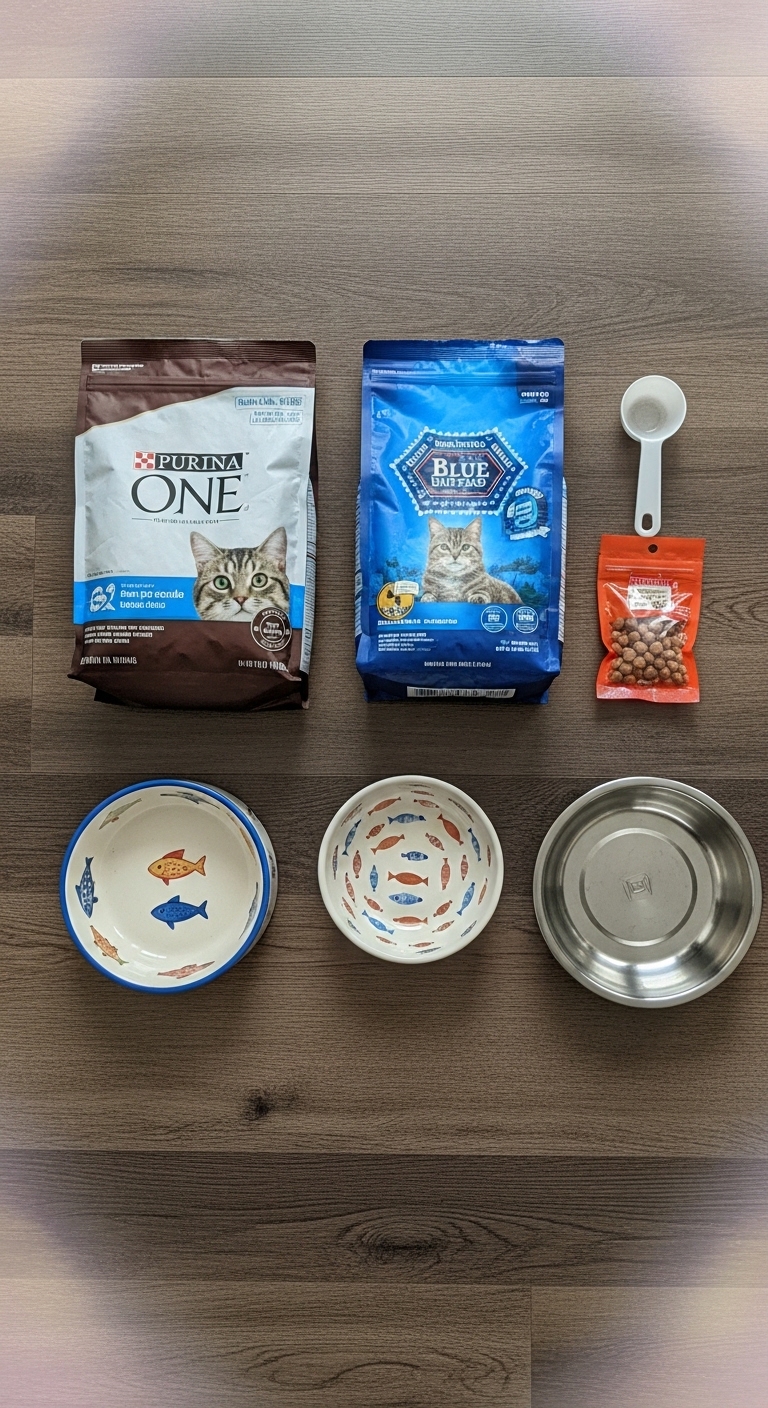
I once switched a cat from a budget brand to Blue Buffalo, and within weeks her coat became noticeably shinier and she had more energy. But I also know owners who prefer Purina One because it’s easier on their wallet and their cat still looks healthy. The right choice depends on your cat’s needs and your budget. Don’t be afraid to try a small bag first before committing to a large one.
Daily Care Habits
Monitoring your cat’s weight is one of the simplest ways to gauge if their food is working. If you notice your cat gaining or losing weight unexpectedly, it might be time to adjust portions or switch formulas. Keep an eye on their energy levels too—if they seem sluggish or overly hyper, their diet could be a factor. Small changes in behavior often reflect bigger issues with nutrition.
Choosing the Right Product
Start by identifying your cat’s specific needs, whether it’s weight management, sensitive digestion, or a preference for wet food. Compare the ingredient lists of both brands to see which one aligns better with those needs. Don’t forget to check the feeding guidelines on the bag, as portion sizes can vary significantly between brands. A food that’s perfect for one cat might not be ideal for another.
Safety and Comfort
Always transition your cat to a new food gradually over 7 to 10 days to avoid digestive upset. Mix a small amount of the new food with their old food, gradually increasing the ratio. If your cat shows signs of vomiting, diarrhea, or lethargy, they may not tolerate the new food well. In that case, switch back and consult your vet before trying again. Safety also means storing food properly to prevent spoilage or contamination.
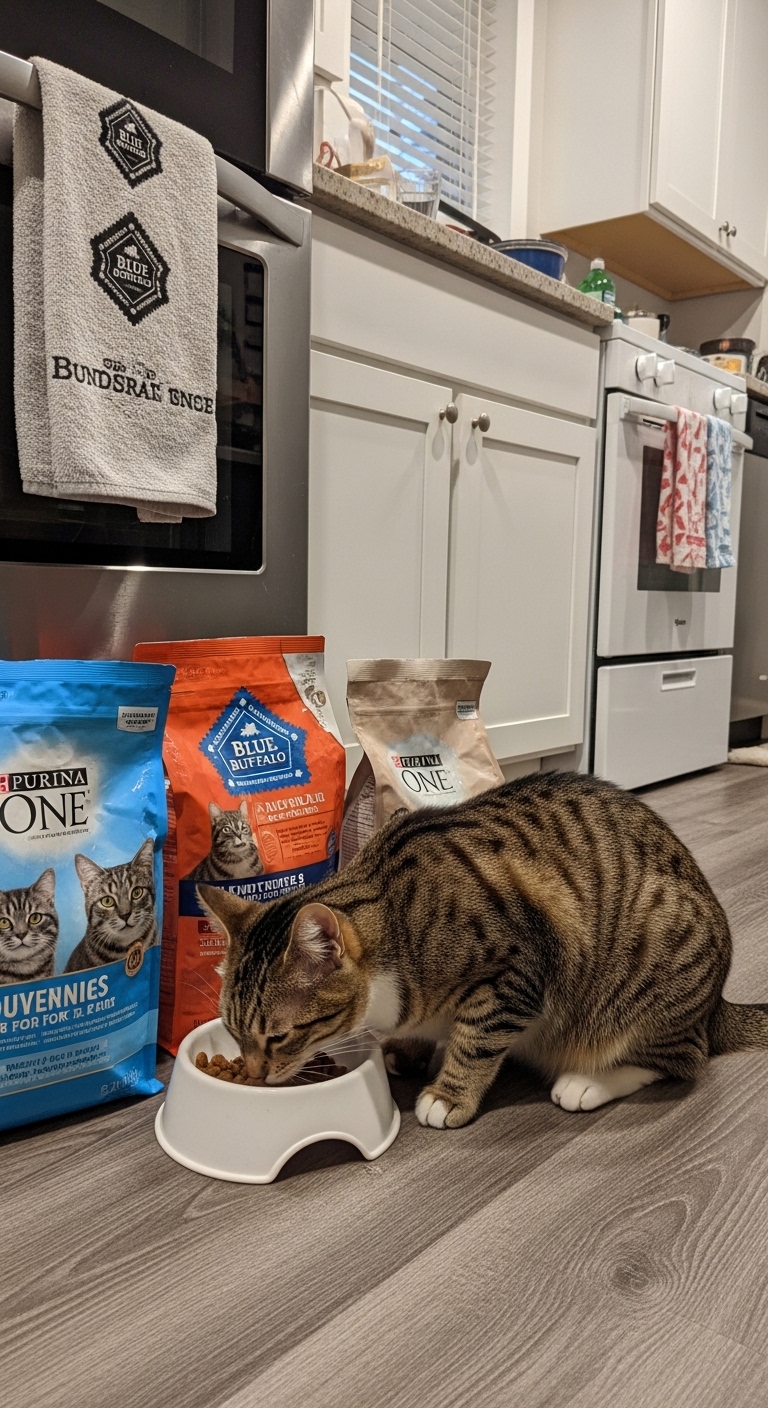
Ultimately, the best cat food is the one that keeps your pet healthy, happy, and energetic. Whether you choose Blue Buffalo or Purina One, focus on how your cat responds rather than just the price tag.
Frequently Asked Questions
- → Which cat food is better for sensitive stomachs: Blue Buffalo or Purina One?
Blue Buffalo is often recommended for cats with sensitive stomachs due to its natural ingredients and lack of artificial additives. However, Purina One also offers sensitive stomach formulas designed to be gentle on digestion.
- → Does Blue Buffalo or Purina One have higher protein content?
Blue Buffalo typically has higher protein content, especially in its Wilderness and Natural Adult lines. Purina One also provides high protein but may vary by specific formula and life stage.
- → Are Blue Buffalo and Purina One foods grain-free?
Blue Buffalo offers grain-free options in many of its formulas, while Purina One includes grains in most recipes. Check the specific product label to confirm grain content for your chosen formula.
- → Which brand is more affordable: Blue Buffalo or Purina One?
Purina One is generally more affordable than Blue Buffalo, making it a budget-friendly option for many pet owners. Blue Buffalo's premium ingredients often come with a higher price tag.
- → Can I mix Blue Buffalo and Purina One cat food?
It's best to avoid mixing different cat foods unless recommended by your vet. Sudden changes in diet can cause digestive issues. If you need to switch, do so gradually over 7-10 days to allow your cat's system to adjust.
- → Which brand has better ingredient quality?
Blue Buffalo is often praised for its high-quality, natural ingredients and lack of artificial preservatives. Purina One uses quality ingredients but may include more fillers and by-products compared to Blue Buffalo's premium options.
- → Do Blue Buffalo and Purina One offer wet food options?
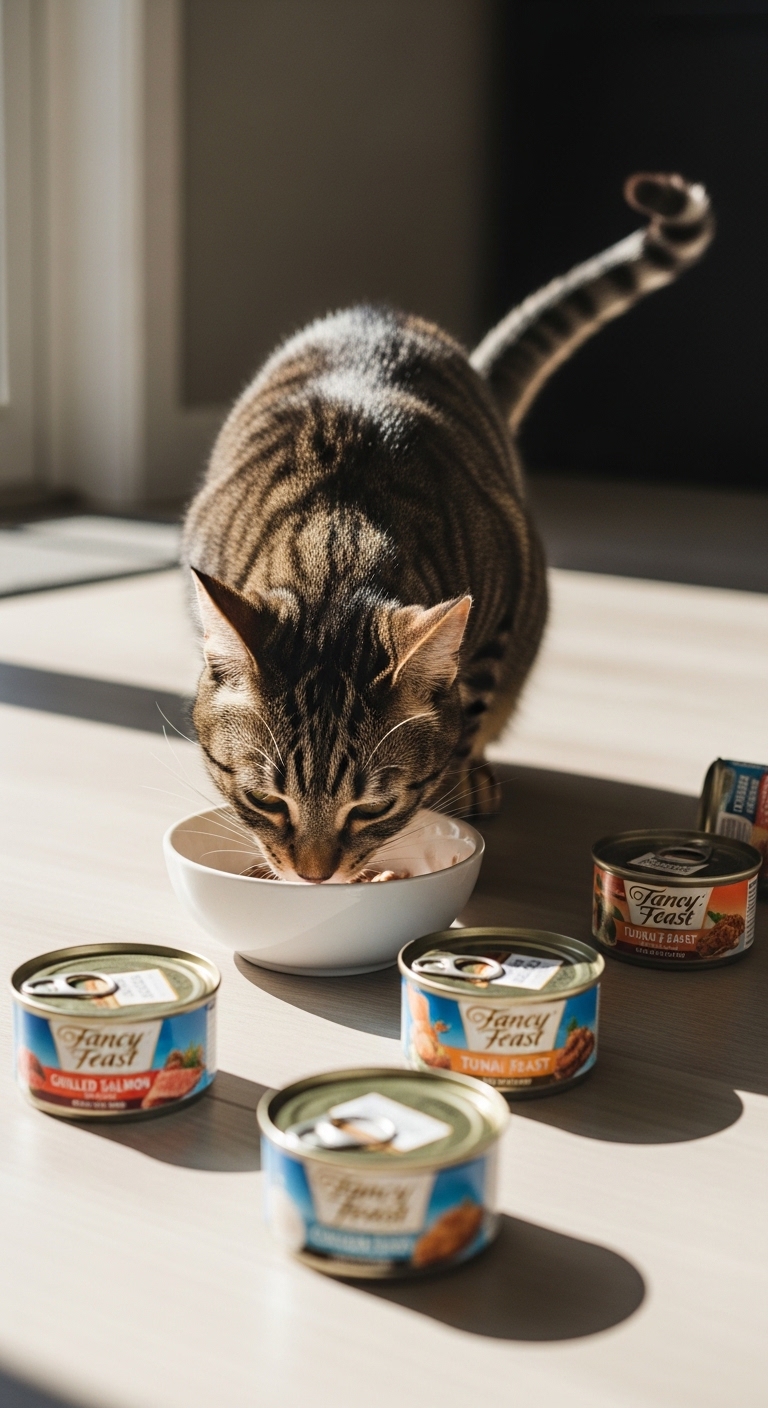
Yes, both brands offer wet food formulas. Blue Buffalo's wet food typically features higher meat content, while Purina One's wet food provides balanced nutrition with added moisture for hydration.