 Pin
Pin
Training your dog isn’t just about teaching tricks it’s about building trust, understanding their needs, and making daily life smoother for both of you. Whether you’re dealing with a new puppy or an older dog with stubborn habits, consistency and patience are key. A well-trained dog isn’t just easier to live with; it’s happier too, because clear communication reduces their stress and strengthens your bond.
I still remember when my rescue dog, Max, would bolt out the door every time it opened. It took weeks of practice, but once he learned a solid "stay," our walks became so much calmer and my heart rate dropped a notch too.
Key Things to Understand
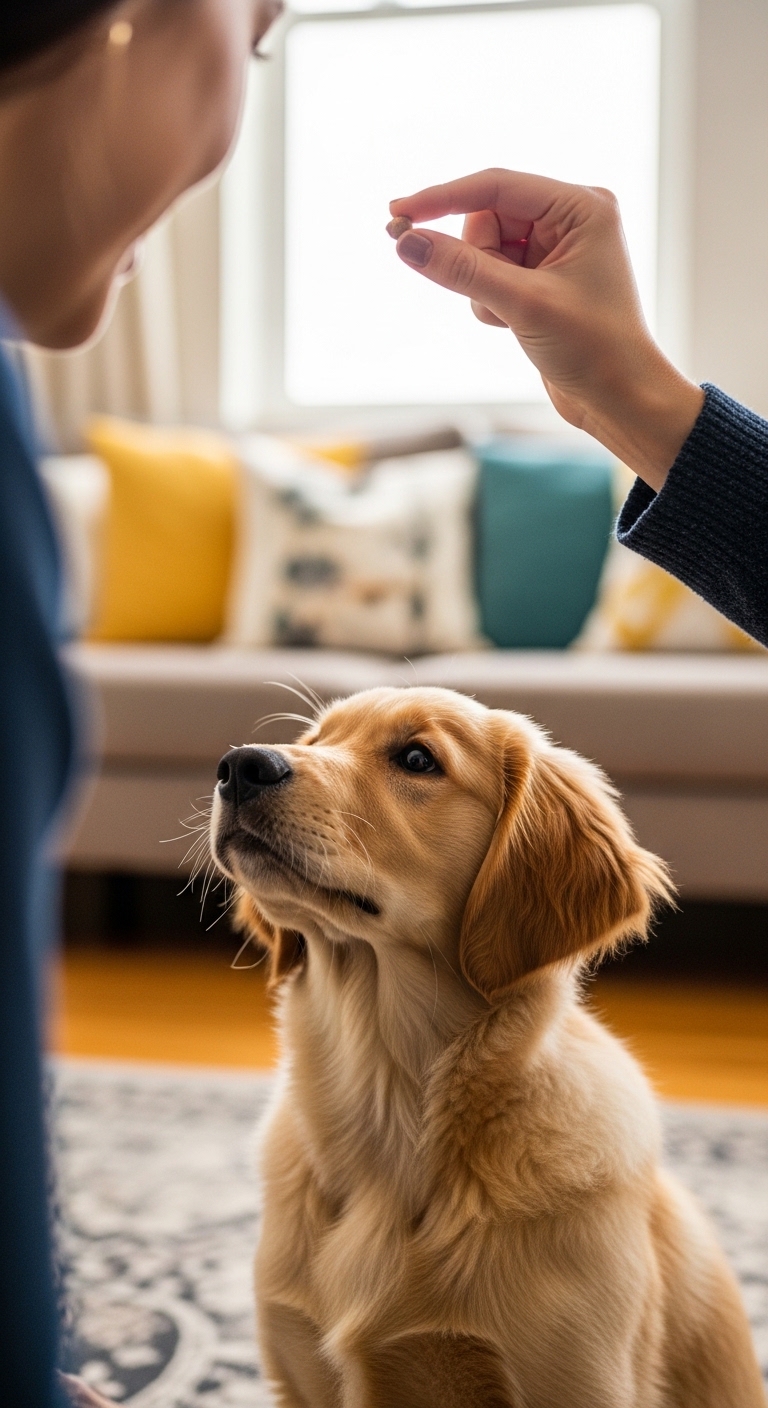
- Positive reinforcement: Training works best when you focus on rewards like treats, praise, or playtime, which makes dogs eager to repeat good behavior.
- Consistency: Every family member should use the same commands and rules to avoid confusing your dog.
- Short sessions: 5-10 minute sessions keep training engaging and prevent frustration for both of you.
- Patience: Progress might feel slow, but small wins add up over time.
What to Look For
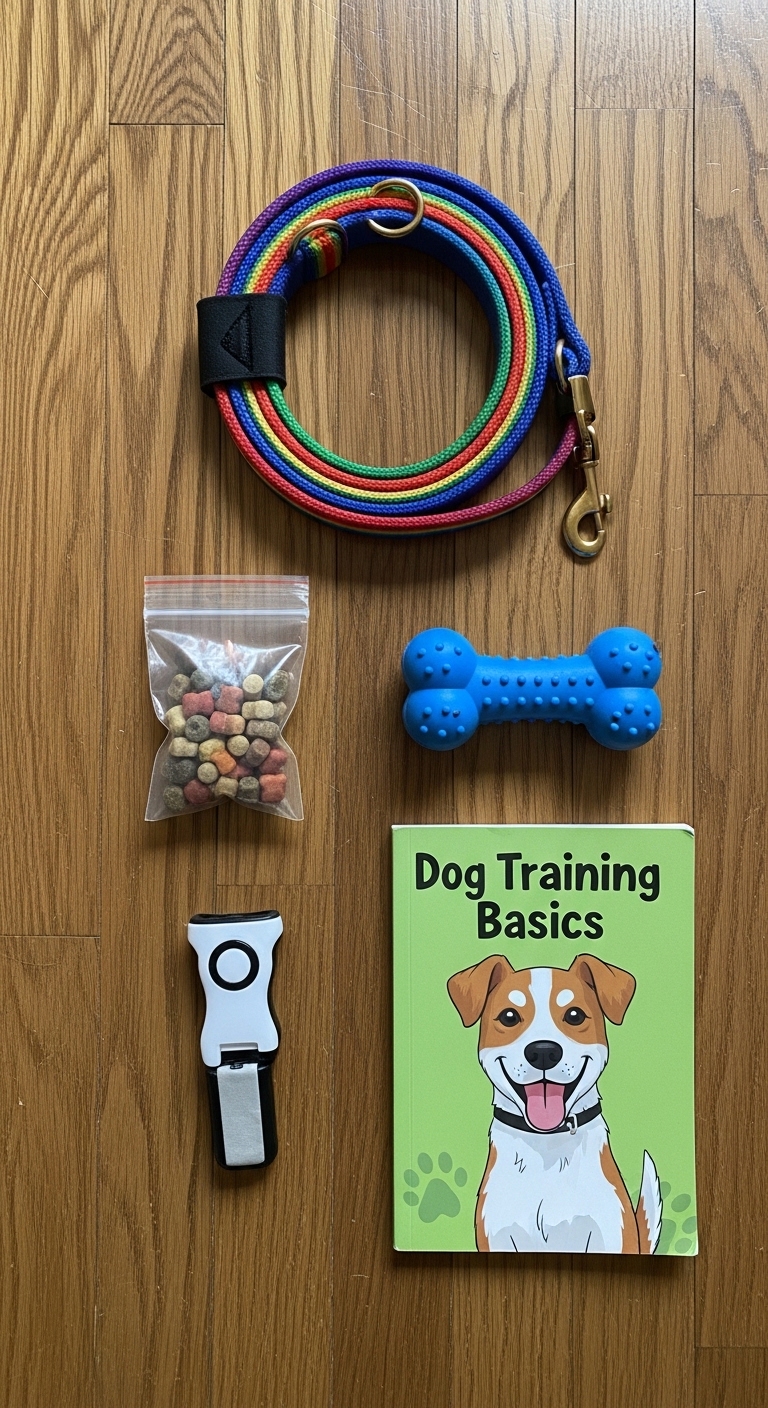
Watch for signs your dog is engaged and learning, like perking up at the sound of a clicker or treat bag, or offering behaviors before you even ask. If they seem distracted or disinterested, it might mean the training environment is too chaotic or the rewards aren’t exciting enough. Pay attention to body language too: a relaxed posture and wagging tail usually mean they’re comfortable, while pinned ears or a stiff tail could signal stress. Over time, you’ll notice which methods click with your dog’s personality, whether they’re food-motivated, toy-driven, or more responsive to verbal praise.
I once tried training my dog for 20 minutes straight because I thought "more is better." By the end, he was exhausted and grumpy. Now I stick to short bursts, and our sessions are way more effective and way less stressful.
Start Small and Celebrate Wins
If your dog sits for even a second before getting up, that’s a win acknowledge it! Over time, those seconds will turn into longer holds, and soon you’ll have a dog who listens reliably.
Generalizing Behaviors
Practice in different locations once your dog masters a command at home; this helps them generalize the behavior.
Resetting Focus
If your dog ignores you, check if the environment is too distracting or if they’re simply over it sometimes a quick play break resets their focus.
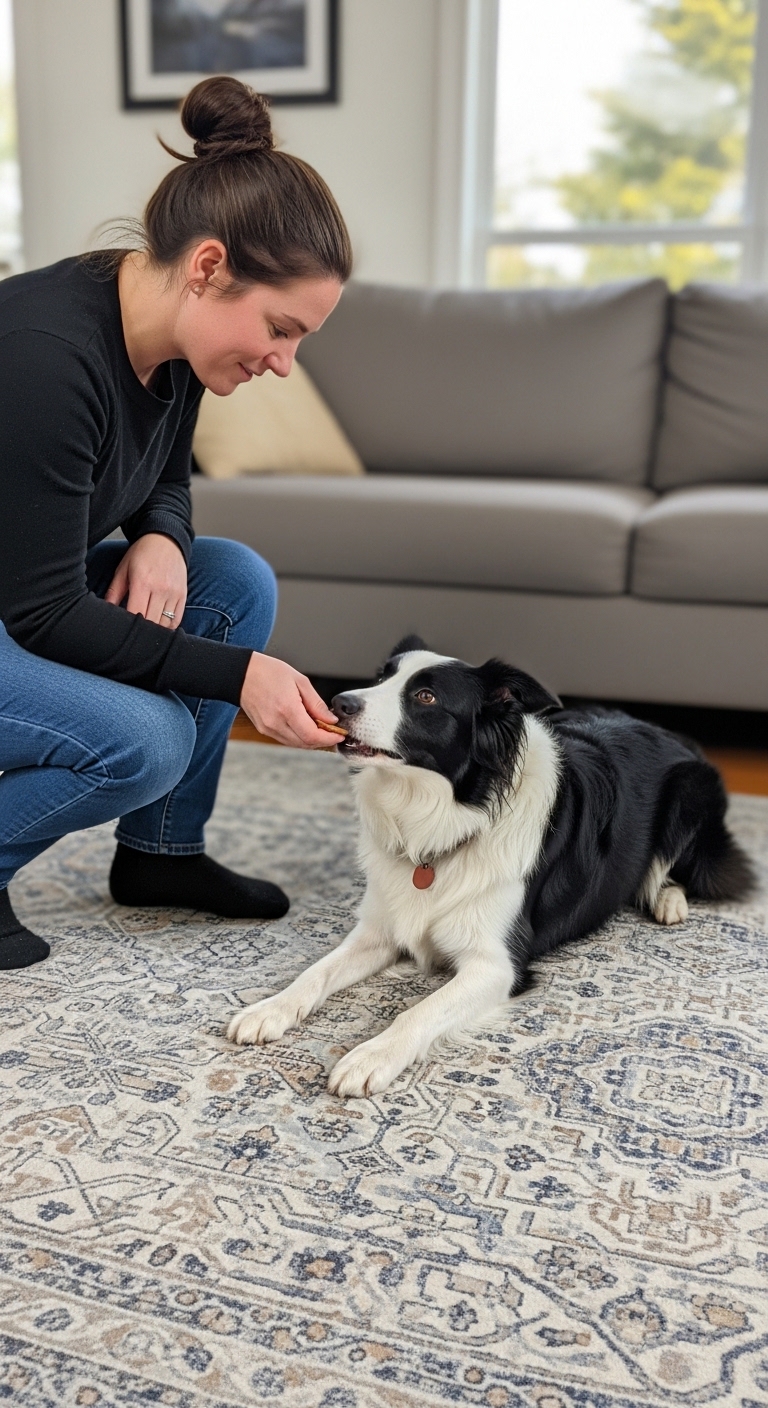
Training builds a stronger bond between you and your dog.
Frequently Asked Questions
- → What are the best training methods for dogs?
Positive reinforcement is the most effective method, using treats, praise, or playtime to reward desired behaviors. Avoid punishment-based techniques as they can harm your dog's trust and confidence.
- → How long should training sessions be?
Keep sessions short—5 to 15 minutes—to prevent your dog from losing focus. Multiple short sessions per day are more effective than one long session.
- → What basic commands should I teach first?
Start with essential commands like 'sit,' 'stay,' 'come,' and 'leave it.' These form the foundation for more advanced training and improve safety.
- → How do I handle a dog that ignores commands?
Ensure you're using high-value treats or rewards and training in a low-distraction environment. If your dog still ignores commands, revisit basic training with shorter sessions and more patience.
- → Can older dogs learn new tricks?
Yes! While puppies learn quickly, older dogs can still learn new behaviors with consistent, positive reinforcement training. Adjust session lengths to suit their energy and attention span.
- → How important is consistency in dog training?
Extremely important. Use the same commands, tone, and rewards every time to avoid confusing your dog. Consistency helps reinforce learning and prevents mixed signals.