 Pin
Pin
Understanding why dogs eat poop is a concern for many pet owners. This behavior, known as coprophagia, can be puzzling and distressing. Addressing it matters because it can impact your dog’s health, affect your relationship with them, and influence your home environment. By learning more about this phenomenon, you can take effective steps to manage it and promote better habits for your pet.
Many owners find it surprising how common this behavior is, and understanding the reasons behind it can lead to more effective solutions. It's all about finding the right approach that works for both you and your furry friend.
Key Things to Understand
- Dogs may eat poop due to nutritional deficiencies: which can signal that their diet lacks essential nutrients
- Behavioral reasons: such as boredom or anxiety can lead to this habit as dogs seek out attention or stimulation
- Certain breeds: are more prone to coprophagia, making it important to understand your dog's specific tendencies
- Medical conditions: like parasites or diabetes can contribute to this behavior, so monitoring your dog's health is crucial
- Environmental factors: including the presence of other animals' waste, can encourage this behavior, especially in multi-pet households
What to Look For
When assessing your dog's behavior, observe any changes in their eating habits or health. Pay attention to whether they are eating their own feces or that of other animals, as this can indicate different underlying issues. Look for signs of distress or anxiety that may lead to this behavior, such as changes in routine or environment. Evaluating your dog's diet is also essential; ensure it is well-balanced and meets their nutritional needs. Finally, monitoring their interactions with other pets can help identify triggers or stressors that may contribute to coprophagia.
It's easy to overlook the significance of poop-eating, but many owners share similar experiences. One common mistake is neglecting to address the behavior early, which can make it harder to change later on. Remember that consistency and patience are key when correcting this behavior.
Daily Care Habits
Establishing a daily routine for your dog can significantly influence their behavior. Regular feeding times not only help with their digestion but also create a structured environment. Ensuring your dog has ample opportunities for exercise and mental stimulation can decrease boredom-related behaviors, including coprophagia.
Choosing the Right Product
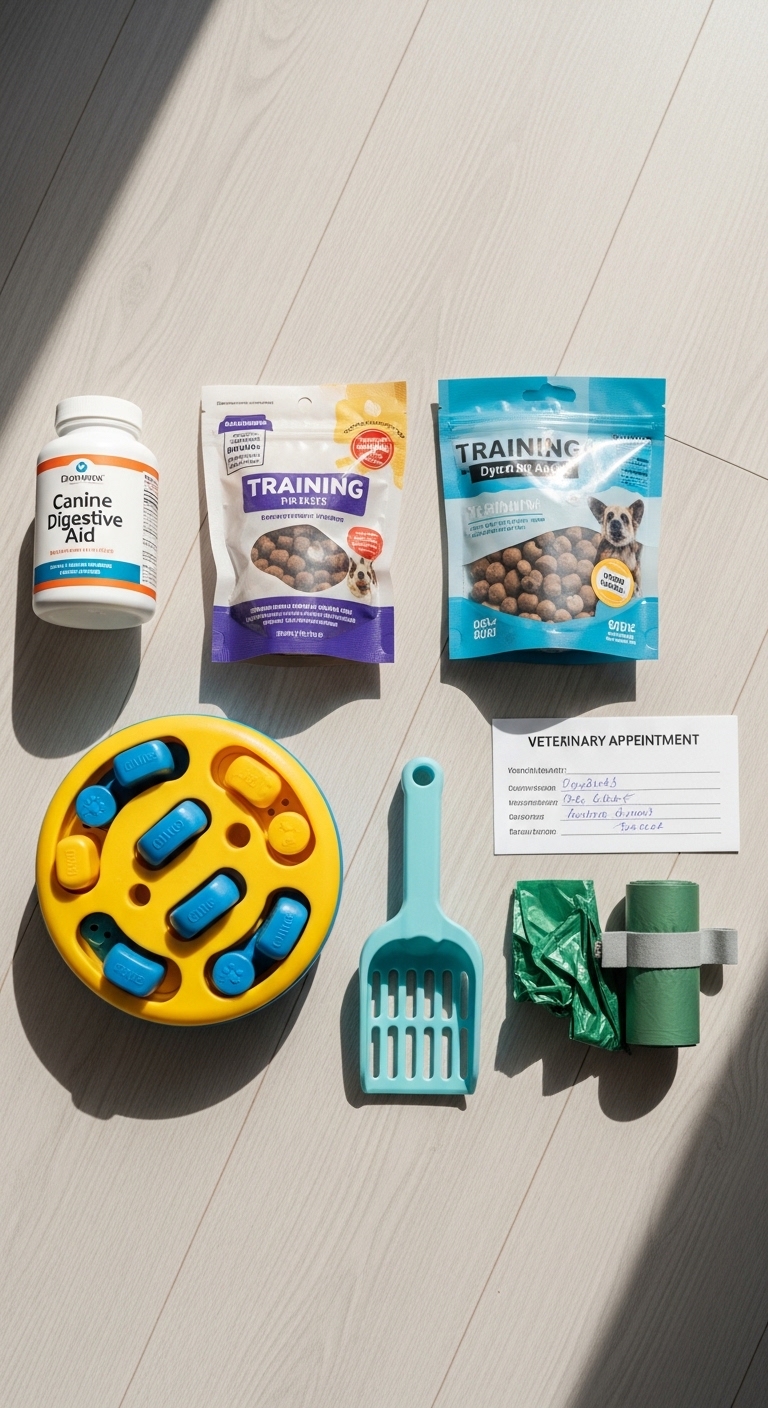
Selecting high-quality dog food that meets your dog's specific nutritional needs is crucial. Consider collaborating with a veterinarian to choose the best diet for your pet's age, breed, and health status. Additionally, there are products available that can deter your dog from eating feces, which may be worth exploring.
Safety and Comfort
Maintaining a safe and comfortable space for your dog is essential for their well-being. Ensure that their environment is clean and free from distractions that may lead to unwanted behaviors. Providing a cozy bed and safe toys can help your dog feel secure, reducing anxiety-related issues.
Common Mistakes to Avoid
One of the biggest mistakes owners make is punishing their dog for eating poop. This can lead to fear and anxiety, making the behavior worse. Instead, focus on redirecting their attention and finding positive reinforcement strategies to encourage better habits.
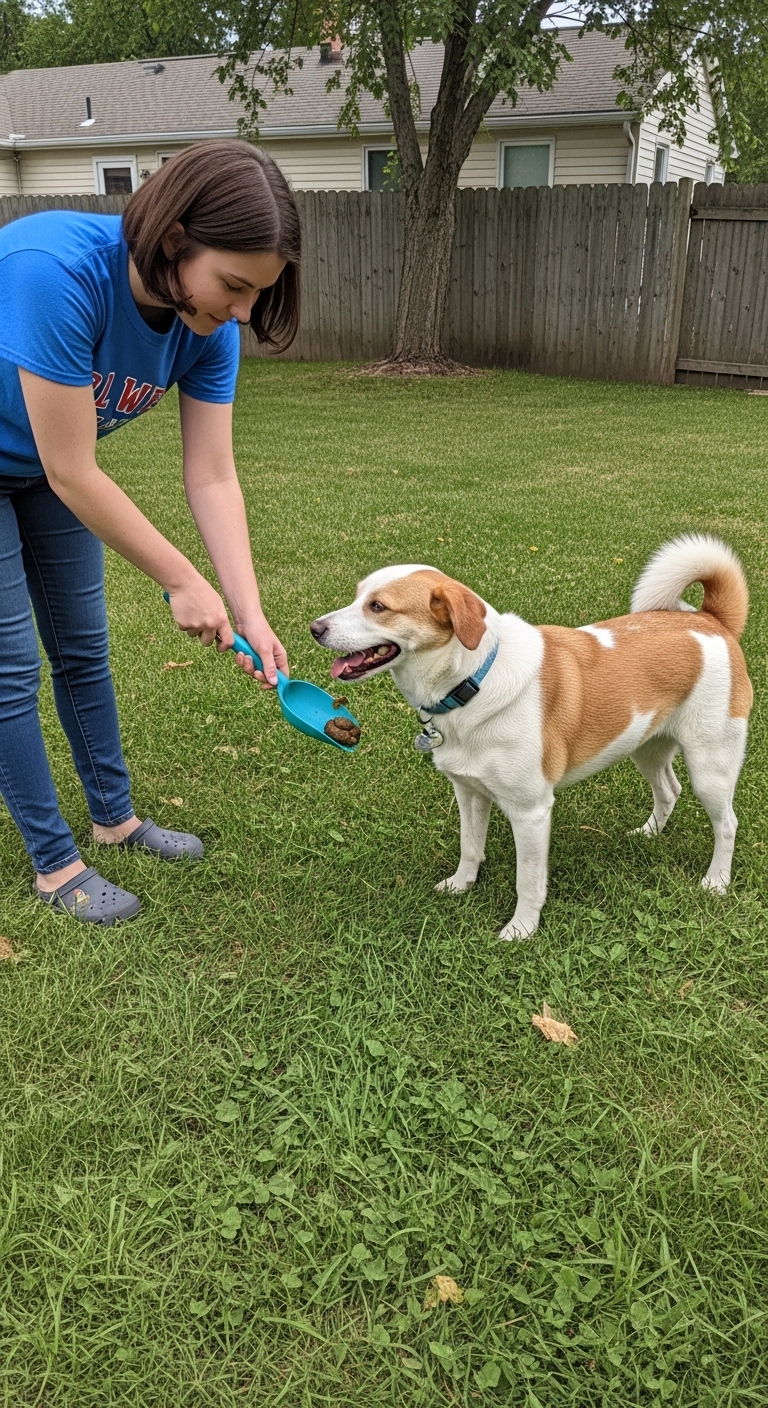
By understanding the reasons behind coprophagia and implementing effective strategies, you can help your dog develop healthier habits and enhance your bond.
Frequently Asked Questions
- → Why do dogs eat poop?
Dogs may eat poop due to nutritional deficiencies, medical issues like parasites, or behavioral reasons such as boredom or anxiety. Puppies often mimic their mother’s cleaning behavior.
- → Is poop eating harmful to dogs?
While not always dangerous, eating poop can expose dogs to parasites or bacteria. It may also indicate an underlying health issue that needs attention.
- → How can I stop my dog from eating poop?
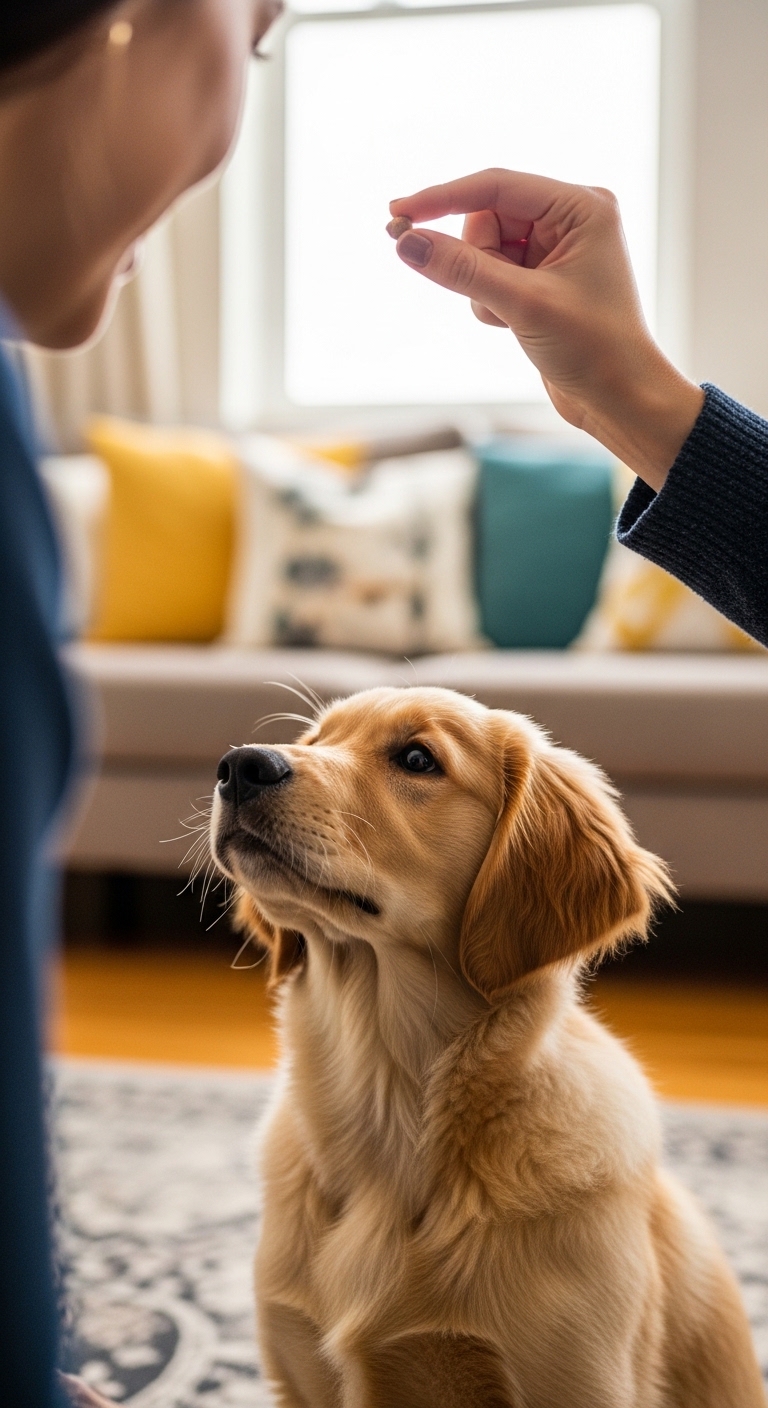
Improve their diet, provide mental stimulation, and use training commands like 'leave it.' Clean up waste promptly and consult a vet if the behavior persists.
- → Can a poor diet cause poop eating?
Yes, a diet lacking essential nutrients may lead dogs to seek additional sources, including their own waste. High-quality food can help reduce this behavior.
- → When should I see a vet about poop eating?
If your dog frequently eats poop despite dietary and behavioral changes, or if you notice other symptoms like vomiting or diarrhea, consult a vet to rule out health issues.
- → Are certain dog breeds more prone to poop eating?
While any dog can develop this habit, puppies and smaller breeds are often more likely to eat poop due to curiosity or nutritional needs.
- → Do supplements help stop poop eating?
In some cases, supplements like digestive enzymes or probiotics may improve nutrient absorption and reduce the urge to eat poop. Always consult a vet before adding supplements.