
Excessive barking can turn a peaceful home into a noisy one, especially when your dog reacts to every passing car, squirrel, or knock at the door. It’s not just about the noise: constant barking can leave you feeling frustrated and even affect your dog’s well-being if left unchecked. Understanding why your dog barks and how to manage it can make daily life smoother for both of you.
I’ve seen dogs bark less just by adjusting their daily walks or adding a simple puzzle toy to keep them occupied. Sometimes, the solution is simpler than you think.
Key Things to Understand
- Barking is a natural way dogs communicate: but too much can signal boredom, anxiety, or lack of exercise
- Some breeds bark more than others: due to their instincts, so knowing your dog’s breed traits helps set realistic expectations
- Ignoring attention-seeking barking: can teach your dog that barking doesn’t always get a reaction
- Positive reinforcement works better: than punishment when training your dog to bark less
- Consistency is key: everyone in the household should respond the same way to barking
What to Look For
Watch for patterns in when and why your dog barks. Does it happen when they’re left alone, when they see other dogs, or when they’re excited? Noticing these triggers helps you address the root cause instead of just the noise. If your dog barks at every little sound, they might be overstimulated or understimulated. A tired dog is usually a quieter dog, so pay attention to their energy levels throughout the day. Also, check their body language: ears perked up, tail wagging fast, or a stiff posture often means they’re alert and ready to react.
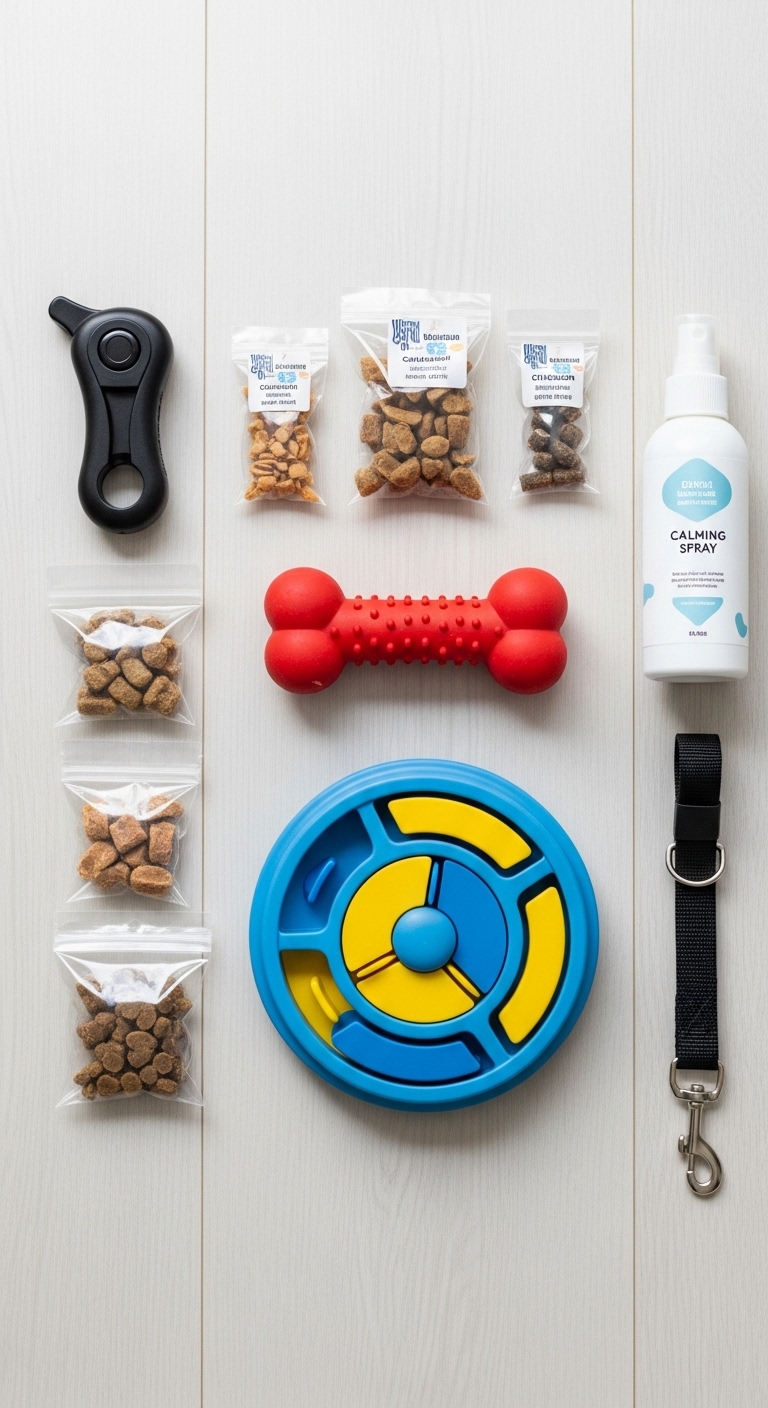
I once had a neighbor whose dog barked constantly until she started a short morning walk and a calming chew toy before leaving the house. The difference was noticeable within a week. It’s easy to overlook how small tweaks can add up to big improvements.
Daily care habits
A tired dog is a quieter dog. Make sure your pup gets enough physical exercise and mental stimulation every day. Long walks, fetch sessions, or even a game of hide-and-seek with treats can help burn off energy that might otherwise turn into barking. If your schedule is busy, consider hiring a dog walker or using an automatic ball launcher to keep them active.
Choosing the right product
Sometimes, the right toy or tool can make a difference. Look for puzzle feeders that challenge your dog mentally or calming aids like pheromone diffusers if anxiety is the issue. Avoid products that promise instant results: training takes time. A well-fitted harness can also help if your dog barks during walks because they feel uncomfortable or overstimulated.
Safety and comfort
If your dog barks at noises like thunderstorms or fireworks, create a safe space for them. A quiet room with their bed, water, and a favorite toy can help them feel secure. Avoid leaving them outside during loud events, as that can make their fear worse. Some dogs benefit from a weighted blanket or a cozy crate to retreat to when they feel overwhelmed.
Common mistakes to avoid
Don’t punish your dog for barking after the fact: it won’t help them understand what they did wrong. Avoid using shock collars or harsh methods, as these can increase anxiety and make barking worse. Also, don’t give in to attention-seeking barking by petting or talking to them while they’re making noise, as that reinforces the behavior.
Cleaning and hygiene
A clean environment can reduce stress for both you and your dog. If your dog barks at certain smells or messes, keeping your home tidy might help. Regular grooming also prevents discomfort that could lead to excessive barking, like matted fur or itchy skin. A quick brush or bath can sometimes calm a restless pup.
Age specific advice
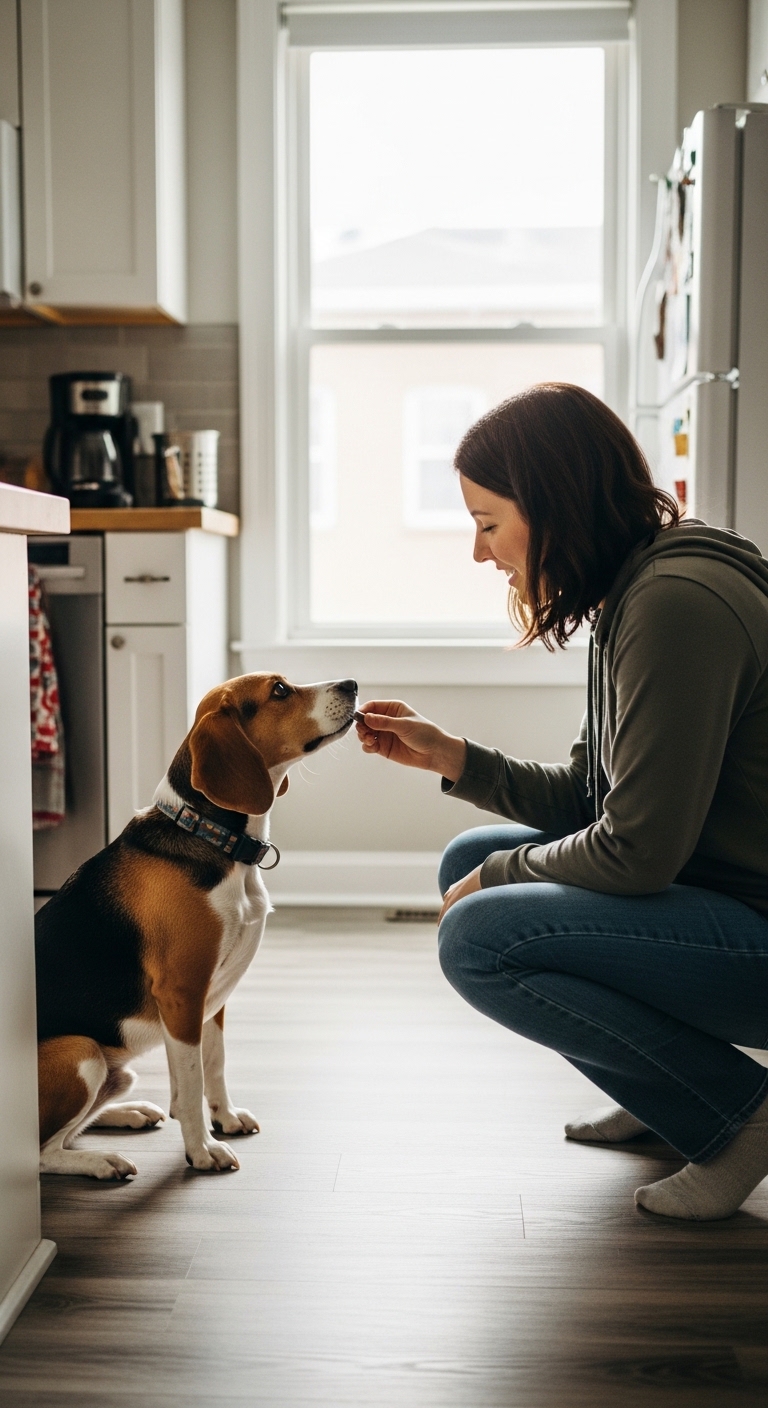
Puppies bark more as they learn boundaries, so consistent training from the start is important. Older dogs might bark due to pain or cognitive decline, so a vet check can rule out health issues. Adjust your approach based on their age: puppies need patience, while senior dogs may need extra comfort and routine.
Small changes can make a big difference in reducing excessive barking. Consistency and patience are key.
Frequently Asked Questions
- → Why do dogs bark excessively?
Dogs bark to communicate needs, alert owners, or express emotions like fear or excitement. Common triggers include loneliness, territorial behavior, or lack of exercise.
- → What are the best training methods to stop barking?
Positive reinforcement works best. Reward quiet behavior with treats or praise, and redirect barking with commands like 'quiet' or 'enough.' Avoid yelling, as it may encourage more barking.
- → Can exercise help reduce barking?
Yes! A tired dog is less likely to bark from boredom or pent-up energy. Daily walks, playtime, and mental stimulation can significantly decrease excessive barking.
- → Are there calming products for anxious dogs?
Calming aids like pheromone diffusers, anxiety wraps, or soothing music can help. Consult your vet before using supplements or medications for persistent anxiety.
- → How long does it take to train a dog to stop barking?
Results vary, but consistent training can show improvement in a few weeks. Some dogs respond faster, while others may need months of reinforcement. Patience is key!
- → Should I punish my dog for barking?
No. Punishment can increase fear and anxiety, leading to more barking. Instead, focus on rewarding desired behavior and addressing the root cause of the barking.