 Pin
Pin
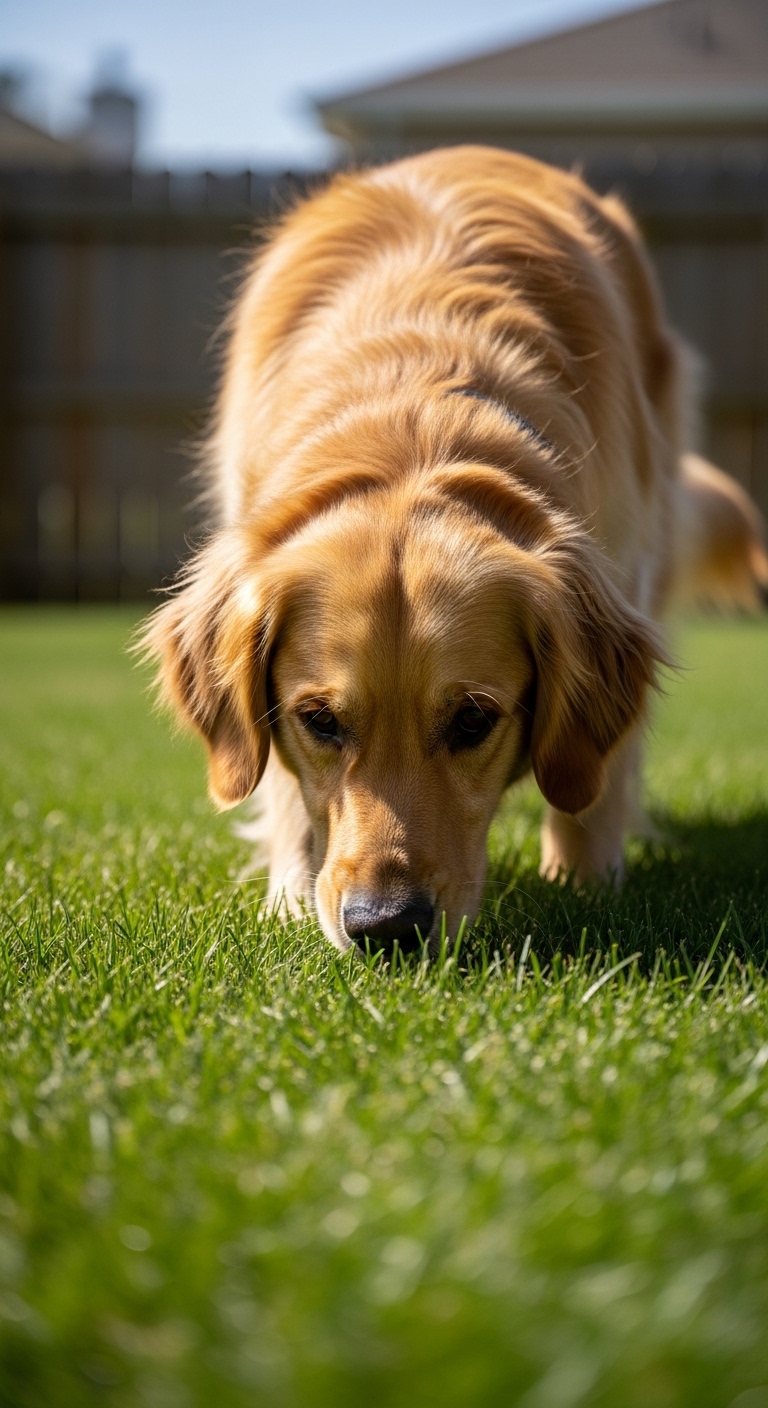
Dogs eating grass is a behavior that puzzles many pet owners. It’s common to see your dog munching on grass during walks or in the yard, and while it might seem odd, there are several reasons why they do it. Understanding this habit can help you determine if it’s harmless or a sign of something more serious.
I’ve seen dogs eat grass for years without any problems, but it’s always good to pay attention to how often and why they’re doing it.
Key Things to Understand
- Dogs may eat grass to aid digestion or induce vomiting if they feel unwell: This is a natural response to discomfort.
- Some dogs simply enjoy the taste or texture of grass: It can be a sensory preference.
- Eating grass can be a sign of boredom or anxiety in some cases: Lack of stimulation may lead to this behavior.
- Excessive grass eating might indicate a nutritional deficiency or underlying health issue: Monitor for other symptoms.
- It’s important to monitor your dog for signs of distress after they eat grass: Watch for vomiting or lethargy.
What to Look For
Notice whether your dog eats grass casually or frantically. A relaxed approach usually means they’re just exploring or enjoying the texture. If they’re gulping it down quickly, it might be a sign of nausea or an upset stomach. Pay attention to their behavior afterward—if they vomit frequently or seem lethargic, it could be a red flag.
Check the type of grass they’re eating. Avoid areas treated with pesticides or herbicides, as these can be toxic. Also, observe if they’re eating other plants or objects, which might suggest pica, a condition where dogs eat non-food items due to nutritional gaps or behavioral issues.

One common mistake is assuming all grass eating means your dog is sick. Often, it’s just a natural behavior. However, if it becomes compulsive or they’re eating large amounts, it’s worth investigating further.
Daily care habits
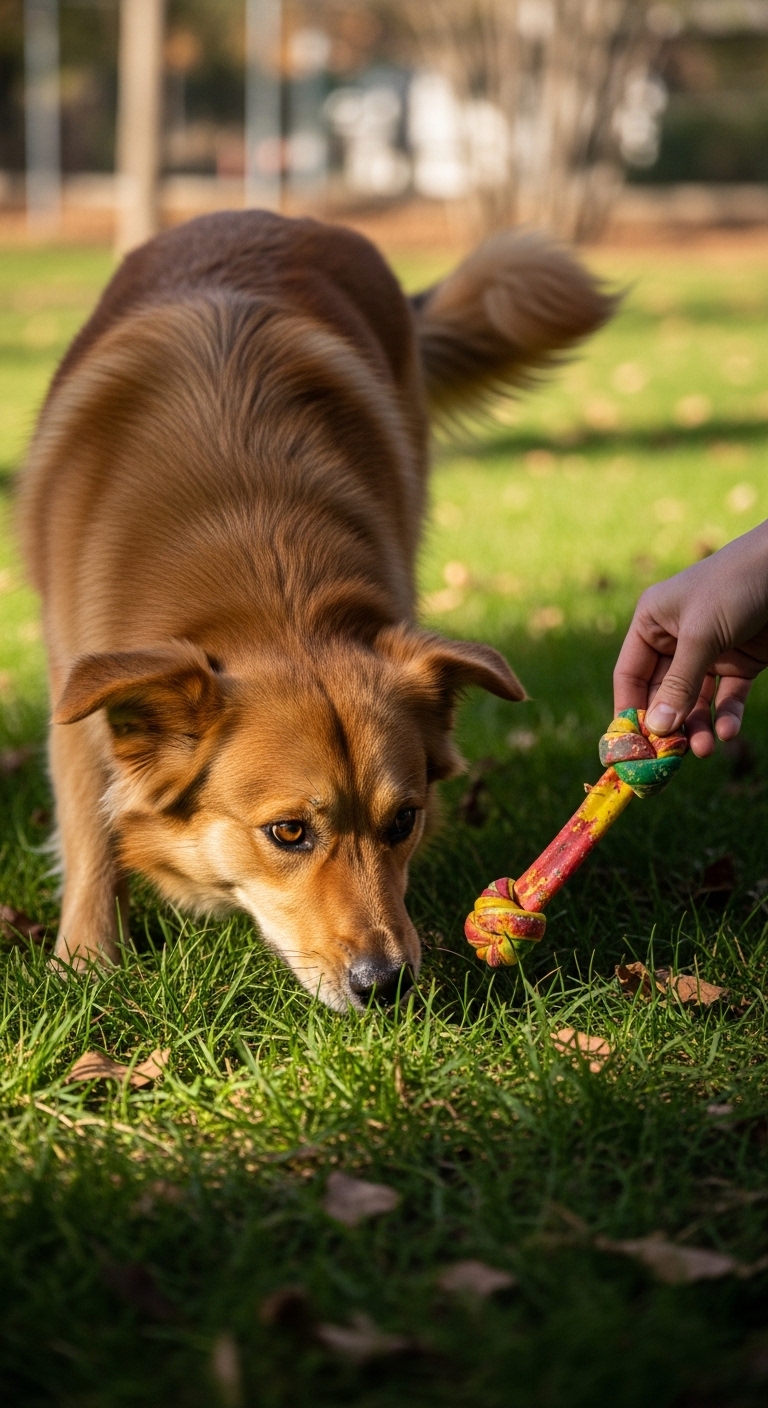
Ensure your dog has a balanced diet rich in fiber, vitamins, and minerals. Sometimes, adding more greens like spinach or carrots to their meals can curb their grass-eating habits. Regular exercise and interactive toys can also keep them mentally stimulated and less likely to eat grass out of boredom.
Choosing the right product
If you suspect nutritional deficiencies, consider high-quality dog food or supplements recommended by your vet. Look for options with natural ingredients and no fillers. Also, provide safe, dog-friendly plants or chew toys to redirect their grass-eating behavior.
Safety and comfort
Always supervise your dog when they’re outdoors to prevent them from eating grass treated with chemicals. Create a safe space in your yard with untreated grass or designated areas where they can explore without risk.
Understanding your dog’s grass-eating habits can help you provide better care and peace of mind.
Frequently Asked Questions
- → Is it normal for dogs to eat grass?
Yes, occasional grass eating is normal for many dogs. It can be a natural behavior or a way to induce vomiting if they have an upset stomach.
- → Can eating grass make my dog sick?
Eating grass itself rarely causes harm, but it may lead to vomiting if consumed in large amounts. Avoid grass treated with pesticides or fertilizers.
- → Why does my dog vomit after eating grass?
Dogs may eat grass to induce vomiting when they feel nauseous. If vomiting occurs frequently, consult your vet to rule out digestive issues.
- → Should I stop my dog from eating grass?
Not necessarily. If your dog does it occasionally and seems healthy, it’s likely fine. However, discourage it if they consume large amounts or show signs of illness.
- → Could my dog’s diet cause grass eating?
Yes, a lack of fiber or nutrients in their diet might lead to grass eating. Ensure your dog is on a balanced diet tailored to their needs.
- → When should I worry about my dog eating grass?
Consult a vet if grass eating is frequent, accompanied by vomiting, diarrhea, lethargy, or loss of appetite. These could signal an underlying health problem.