 Pin
Pin
Understanding whether dogs are ticklish is a topic that can bring joy to both pet owners and their furry companions. This curiosity not only enriches the bond between humans and dogs but also helps in recognizing their unique personalities and responses to touch. Knowing how your dog reacts to different stimuli can enhance playtime and encourage affectionate interactions, making everyday life with your pet more enjoyable.
Observing your dog's reactions can be a delightful experience that deepens your connection. Each dog is unique, and discovering their ticklish spots can lead to laughter and fun in your daily routine.
Key Things to Understand
- Many dogs have sensitive areas that can trigger ticklish responses: Ticklishness can vary widely among individual dogs.
- Understanding ticklish spots can help in bonding and training: Not every dog enjoys being tickled and some may feel uncomfortable.
What to Look For
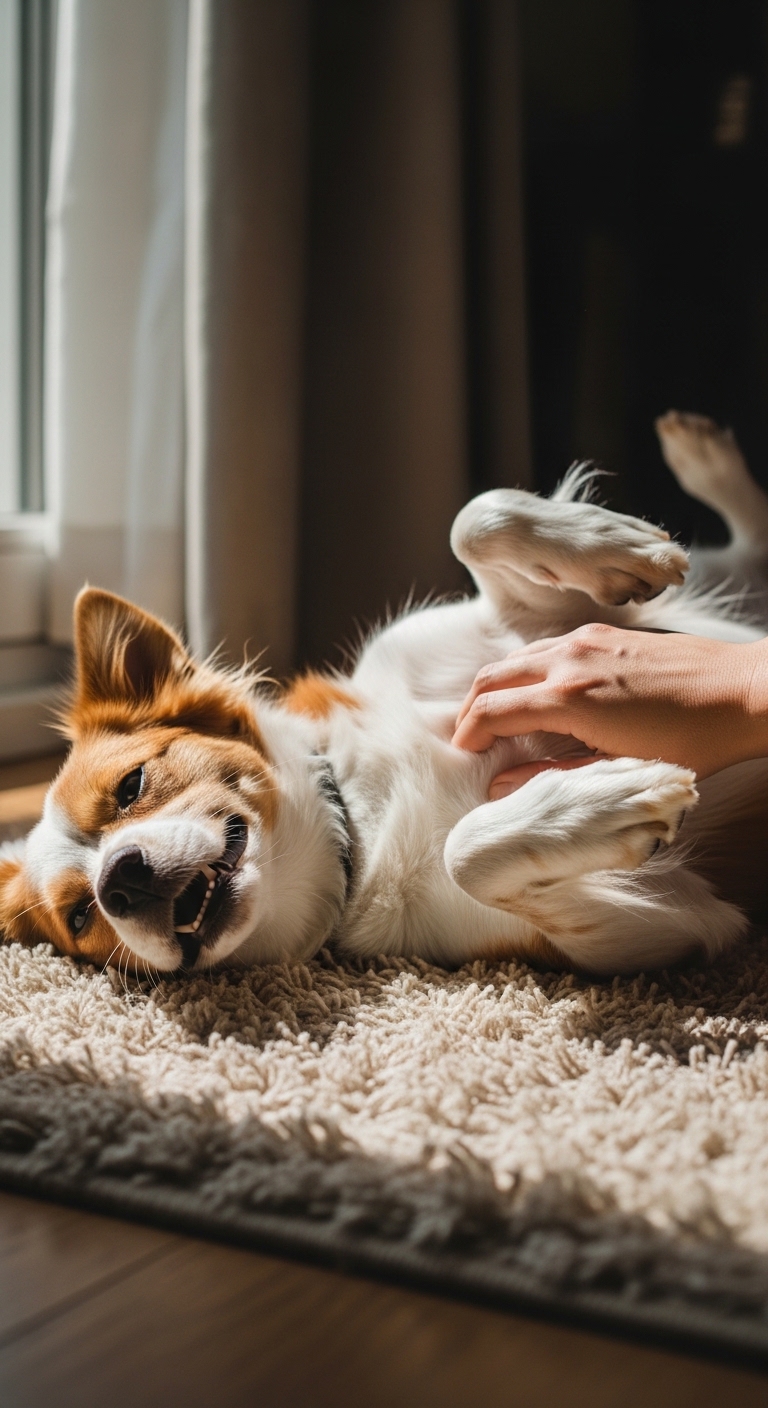
When interacting with your dog, pay attention to their body language. Signs of enjoyment such as wagging tails or playful barks may indicate they appreciate your touch. Conversely, if your dog pulls away or shows signs of discomfort, it’s important to respect their boundaries. Notice how your dog reacts when you gently stroke different areas of their body, such as their belly, paws, or sides. This can help you understand what they enjoy and what might make them uncomfortable. Each dog has its preferences, and recognizing these can lead to a happier and more relaxed pet.
A common mistake is assuming all dogs enjoy being tickled. Each dog has its own preferences, and what might be fun for one could be uncomfortable for another. It’s essential to read their cues and adjust your approach accordingly to ensure a positive experience.
Daily Care Habits
Incorporating gentle touch and play into your dog’s daily routine can be beneficial. Regularly engaging with your dog through petting, tickling, and playful interactions can help them feel loved and secure. Make it a habit to spend quality time with your pet, observing their reactions and preferences during these moments. This not only strengthens your bond but also helps in understanding their behavior better. Additionally, monitoring their energy levels and responses during play can provide insight into their overall health and happiness.
Choosing the Right Product
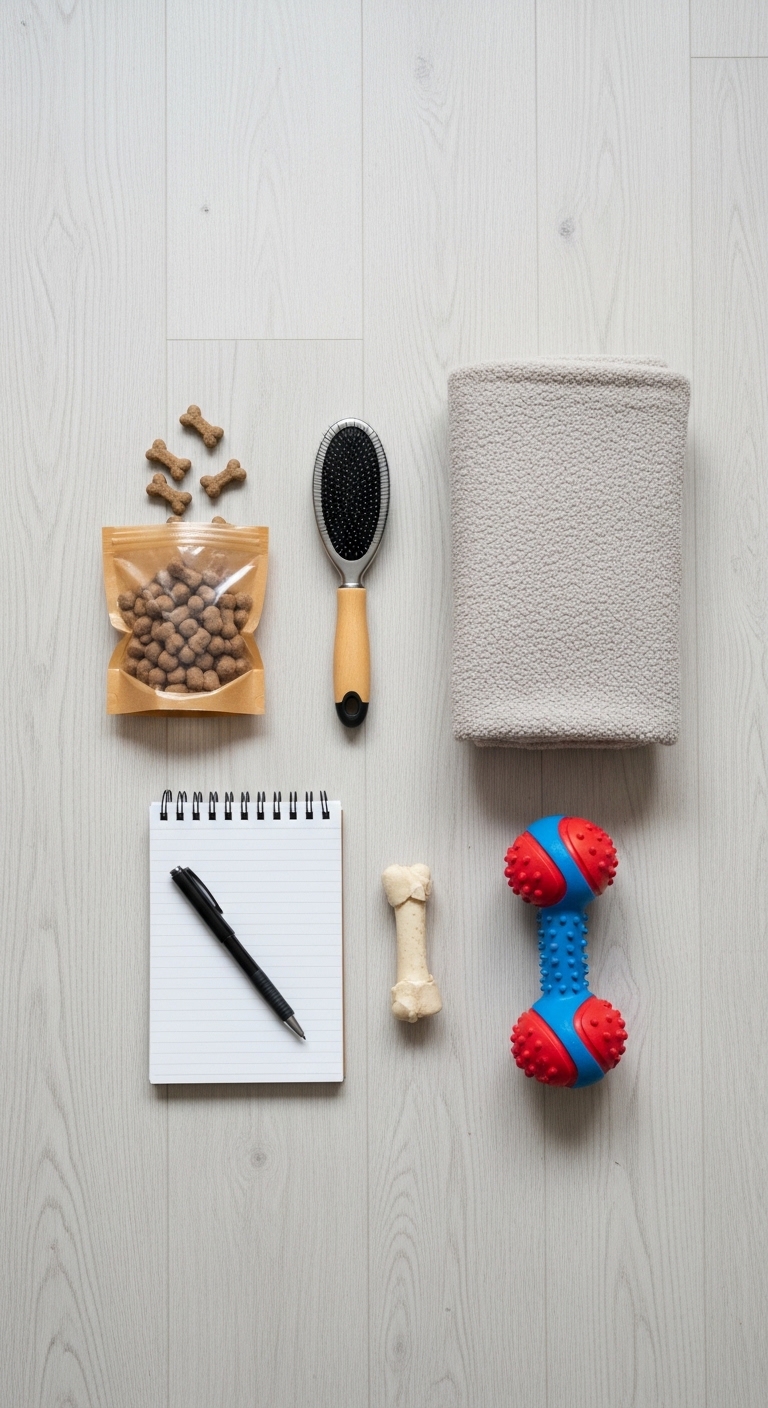
When selecting toys or grooming tools, consider your dog’s sensitivity to touch. Opt for soft or interactive toys that encourage play without overwhelming them. Grooming brushes should also be chosen with care; some dogs may prefer softer bristles while others might enjoy a firmer touch. Understanding your dog's reactions can guide you in making the best choices for their comfort and enjoyment. Always look for toys and products that are designed to accommodate different sensitivities and play styles.
Common Mistakes to Avoid
One of the biggest mistakes dog owners make is not paying attention to their dog's signals. Forcing interactions that make a dog uncomfortable can lead to stress and anxiety. Always be attentive to your dog's body language, and if they seem uneasy, it’s best to back off and try a different approach. Additionally, assuming all dogs like the same types of touch can lead to misunderstandings. Each dog is unique, and their preferences can change over time, so remain flexible and observant.
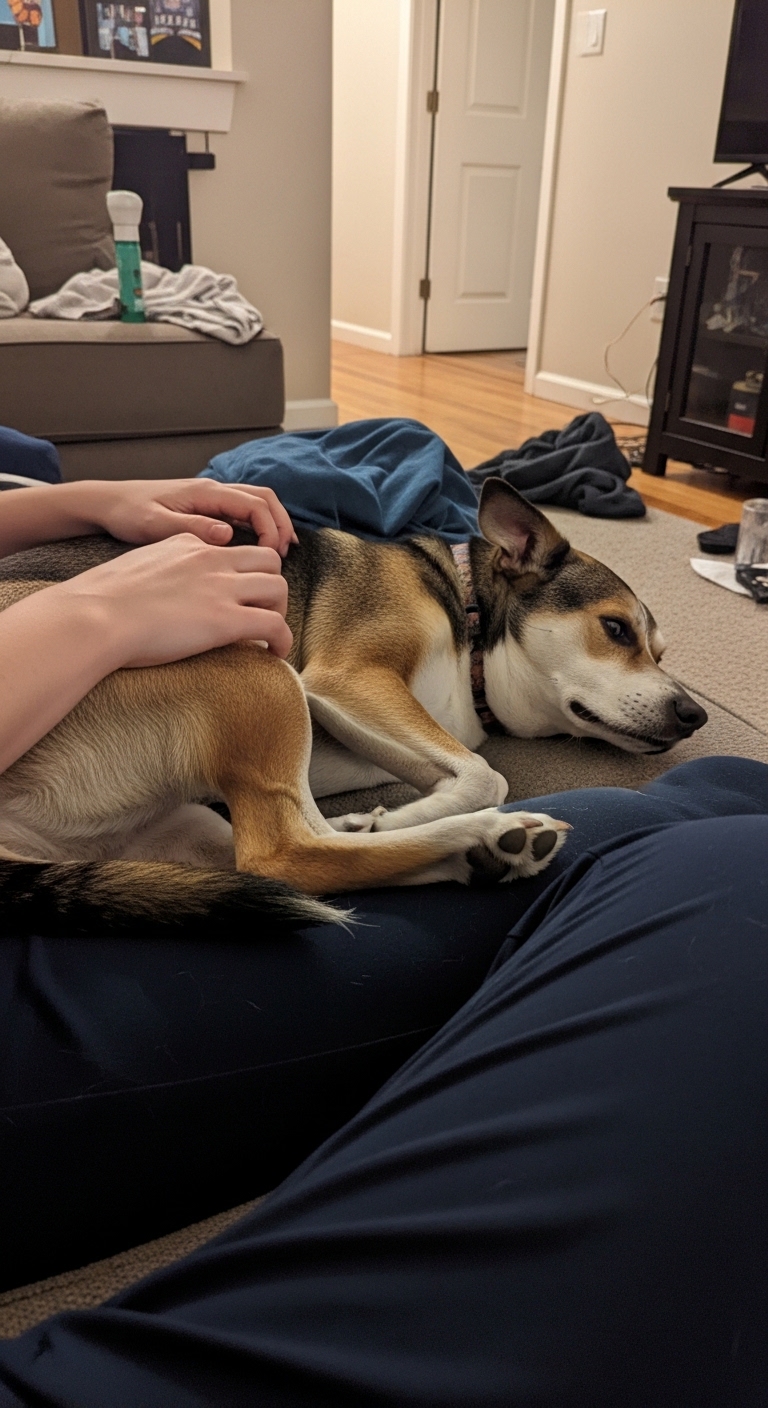
Understanding your dog's unique preferences can enhance your relationship and ensure a happier, healthier pet.
Frequently Asked Questions
- → Can dogs feel ticklish?
Yes, dogs can feel ticklish, particularly in sensitive areas like their belly, paws, and tail base. Their reactions vary based on breed, personality, and past experiences.
- → Why does my dog kick when I tickle their paws?
This is a natural reflex called the 'scratch reflex.' When you tickle a dog's paws, it can trigger a nerve response that causes them to kick or jerk their leg. It doesn’t necessarily mean they’re ticklish—just that their body reacts automatically.
- → Is tickling harmful to dogs?
Tickling isn’t inherently harmful, but it should be done gently and respectfully. Some dogs may become overstimulated or stressed, so always watch for signs like lip licking, whale eye, or trying to move away.
- → How can I tell if my dog likes being tickled?
Signs of enjoyment include relaxed body language, wagging tail, playful behavior, and leaning into the touch. If your dog pulls away, licks their lips, or stiffens, they may not enjoy it.
- → Do all dogs have the same ticklish spots?
No, ticklish spots vary by dog. Some may love belly rubs, while others dislike being touched there. Always ask your dog’s permission by observing their reactions before tickling sensitive areas.
- → Can tickling improve my bond with my dog?
Yes, when done correctly, tickling can be a fun way to interact and build trust. However, it’s important to respect your dog’s boundaries and avoid forcing interactions they don’t enjoy.