Cats hide illness well, and by the time you notice something’s wrong, a small problem can already be serious. That’s why more pet owners are turning to smart solutions like PrettyLitter—a subscription-based cat litter that claims to monitor your cat’s health by changing color when it detects potential issues. But does it live up to the hype, or is it just another gimmick? For busy pet parents, the idea of early warnings without extra vet trips is tempting. The real question is whether it’s accurate, practical, and worth the cost in everyday life.
I’ve tested plenty of “smart” pet products over the years, and the ones that stick around are the ones that solve a real problem without adding extra work. PrettyLitter isn’t magic—it’s a tool. Used right, it can give you peace of mind, but it’s not a replacement for vet care or your own observations. Think of it like a smoke detector: helpful for alerts, but you still need to know what to do next.
Key Things to Understand
- How it works: PrettyLitter changes color based on pH and other markers in your cat’s urine, not blood or bacteria
- Color meanings: The color chart indicates potential issues like alkaline urine (dark blue/green), blood (red), or crystals (orange), but it’s not a diagnosis
- Material: It’s made of lightweight silica gel crystals, which absorb moisture and odor well but feel different under your cat’s paws
- Subscription model: You get a new bag monthly, which helps with consistency but can feel pricey if your cat doesn’t use much
- Adjustment period: Some cats take time to adjust to the texture, especially if they’re used to clumping clay litter
- False positives: These can happen if your cat’s diet changes or they’re dehydrated, so always cross-check with behavior
- Vet visits: It’s not a replacement for vet visits, but it can help you ask better questions during checkups
What to Look For
When trying PrettyLitter, pay attention to how your cat reacts in the first few days. Some cats switch litters without a second thought, while others might avoid the box if the texture feels odd. Watch for signs like hovering at the box entrance, kicking excessively after use, or avoiding it altogether—these could mean your cat isn’t comfortable. If that happens, try mixing a little of their old litter in at first to ease the transition.
The color changes are the main selling point, but they’re not always straightforward. For example, dark blue or green suggests alkaline urine, which could indicate a urinary issue, but it might also just mean your cat ate something unusual. Red specks might look alarming, but they could be from minor irritation rather than a serious problem. The key is to track patterns: a one-time color shift isn’t as concerning as repeated changes over a week.
Odor control is another big factor. PrettyLitter does a solid job neutralizing smells because the silica crystals absorb moisture quickly, but it works best if you scoop daily. If you notice ammonia or strong odors building up faster than usual, it might be time to replace the litter sooner than the monthly subscription suggests—especially in humid climates or multi-cat homes.
Lastly, check the bag’s seal when it arrives. PrettyLitter comes in a resealable bag, but if it’s not closed tightly, the crystals can absorb moisture from the air and lose effectiveness. Store it in a dry place, and if the litter feels damp or clumpy before you even use it, contact customer service for a replacement.
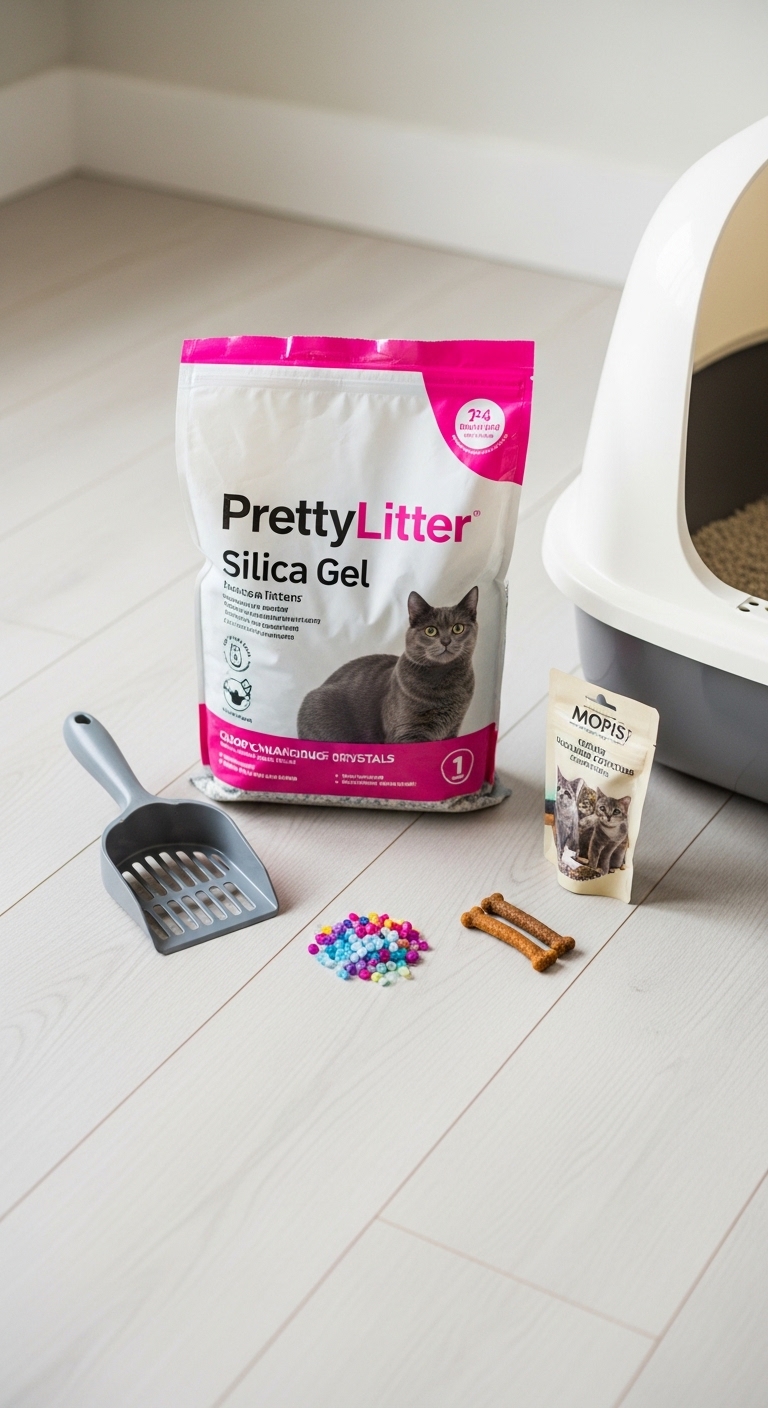
I’ve seen pet owners panic over a single red speck in the litter, only to find out their cat had a tiny scratch from rough play. On the flip side, I’ve heard from others who caught early-stage kidney disease because they noticed consistent orange crystals. The difference? Context. PrettyLitter is most valuable when you use it as part of a bigger picture—observing your cat’s water intake, energy levels, and litter box habits alongside the color changes.
How It Compares to Traditional Litter
PrettyLitter’s biggest advantage over clay or plant-based litters is the health monitoring, but it’s not superior in every way. Clay litter is cheaper and more familiar to cats, while PrettyLitter’s silica crystals are lighter and less dusty—great for owners with allergies. If odor control is your top priority, some premium clumping litters might still outperform it, especially in high-traffic boxes. The real trade-off is between convenience and cost: PrettyLitter saves you from daily deep cleaning but requires a monthly investment.
For multi-cat households, the math changes. One bag is supposed to last a month for one cat, but with two or three, you’ll likely need to replace it every 2–3 weeks, which can make it less cost-effective. If you’re considering it for multiple cats, start with one box to see how quickly they go through it before committing to a full switch.
When to Skip PrettyLitter
It’s not the right choice for every cat or owner. If your cat is elderly or has mobility issues, the texture might be uncomfortable for their paws. Kittens and cats with a history of paw injuries may also struggle with the crystals. Similarly, if your cat is a digger or likes to bury their waste deeply, they might find PrettyLitter frustrating because it doesn’t clump.
Budget is another factor. If you’re already stretching to afford regular vet care, the extra $25–$30 a month might not be justified. Traditional litter with regular vet checkups could be a better use of funds. Lastly, if you’re not someone who checks the litter box daily, the color changes won’t do you much good—PrettyLitter only works if you’re paying attention.
Making the Most of PrettyLitter
To get the best results, pair PrettyLitter with a few simple habits. First, keep a log of color changes for at least a week before deciding if something’s off. Note what your cat ate, how much water they drank, and any stress factors (like a new pet or moving furniture). This helps you spot real patterns instead of reacting to one-off changes.
Second, use a clear litter box or a shallow tray so you can easily see the crystals’ color. Deep or covered boxes make it harder to monitor. And if your cat is a kicker, a high-sided box will help contain the lightweight litter.
Finally, don’t forget to scoop daily. Even though PrettyLitter controls odor well, leaving waste in the box can skew the color results and make the litter less effective over time.
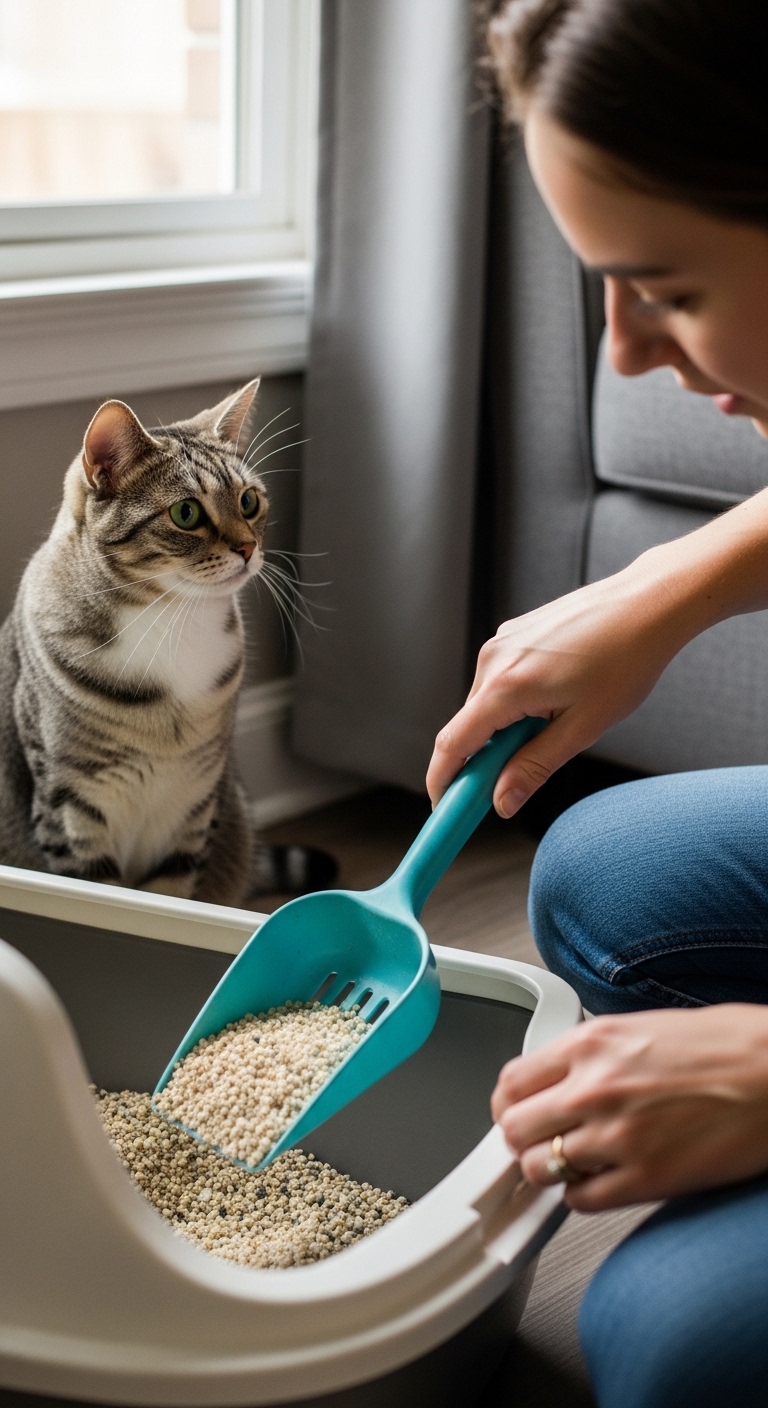
PrettyLitter can be a useful tool for proactive pet owners, but it’s not a one-size-fits-all solution. The key is balancing its insights with your own observations and regular vet care.
Frequently Asked Questions
- → How does PrettyLitter compare to traditional clay litter?
PrettyLitter is silica-based, which absorbs moisture and odors more effectively than clay. It’s dust-free, lightweight, and lasts longer, though it comes at a higher price point. Clay litters are cheaper but produce more dust and require more frequent changes.
- → Is PrettyLitter safe for all cats?
Yes, PrettyLitter is non-toxic and safe for cats of all ages. However, some cats may take time to adjust to the texture, especially if they’re used to clay litter. Monitor your cat’s reaction during the transition period.
- → Does PrettyLitter help with odor control?
Absolutely. PrettyLitter’s silica gel absorbs odors instantly, making it ideal for homes with multiple cats or strong-smelling litter boxes. Many users report a noticeable reduction in litter box odors within days of switching.
- → How often should I change PrettyLitter?
PrettyLitter should be scooped daily to remove waste, and the entire box should be replaced every 4-6 weeks. The high absorbency means it lasts longer than clay litter, reducing the need for frequent full changes.
- → Can PrettyLitter detect health issues in cats?
Yes! PrettyLitter changes color based on your cat’s urine pH, blood, and crystal levels, which can indicate potential urinary tract infections, kidney issues, or dehydration. This feature helps owners monitor their cat’s health between vet visits.
- → Is PrettyLitter worth the higher cost?
For cat owners prioritizing odor control, health monitoring, and convenience, PrettyLitter is often worth the investment. While it’s pricier than clay litter, its longevity and benefits can offset the cost over time, especially in multi-cat homes.