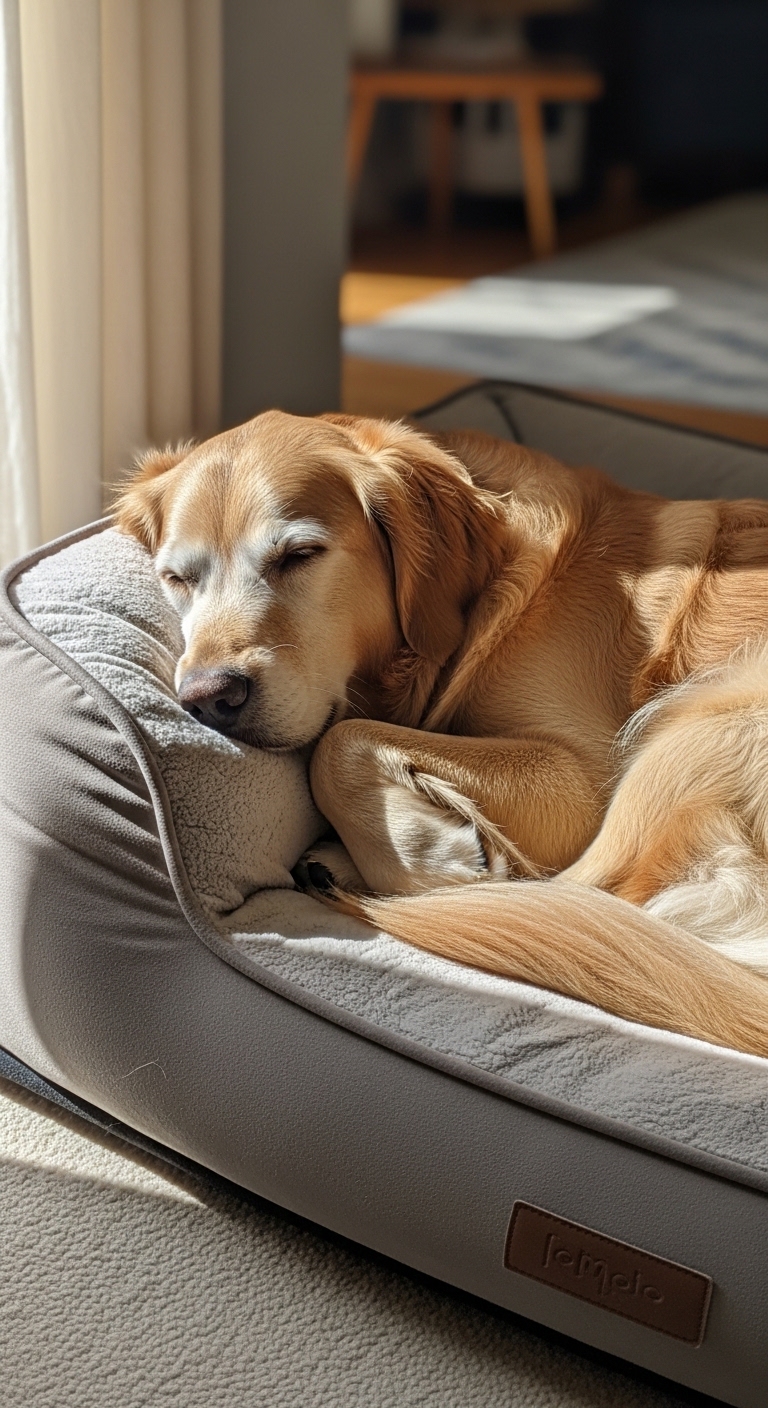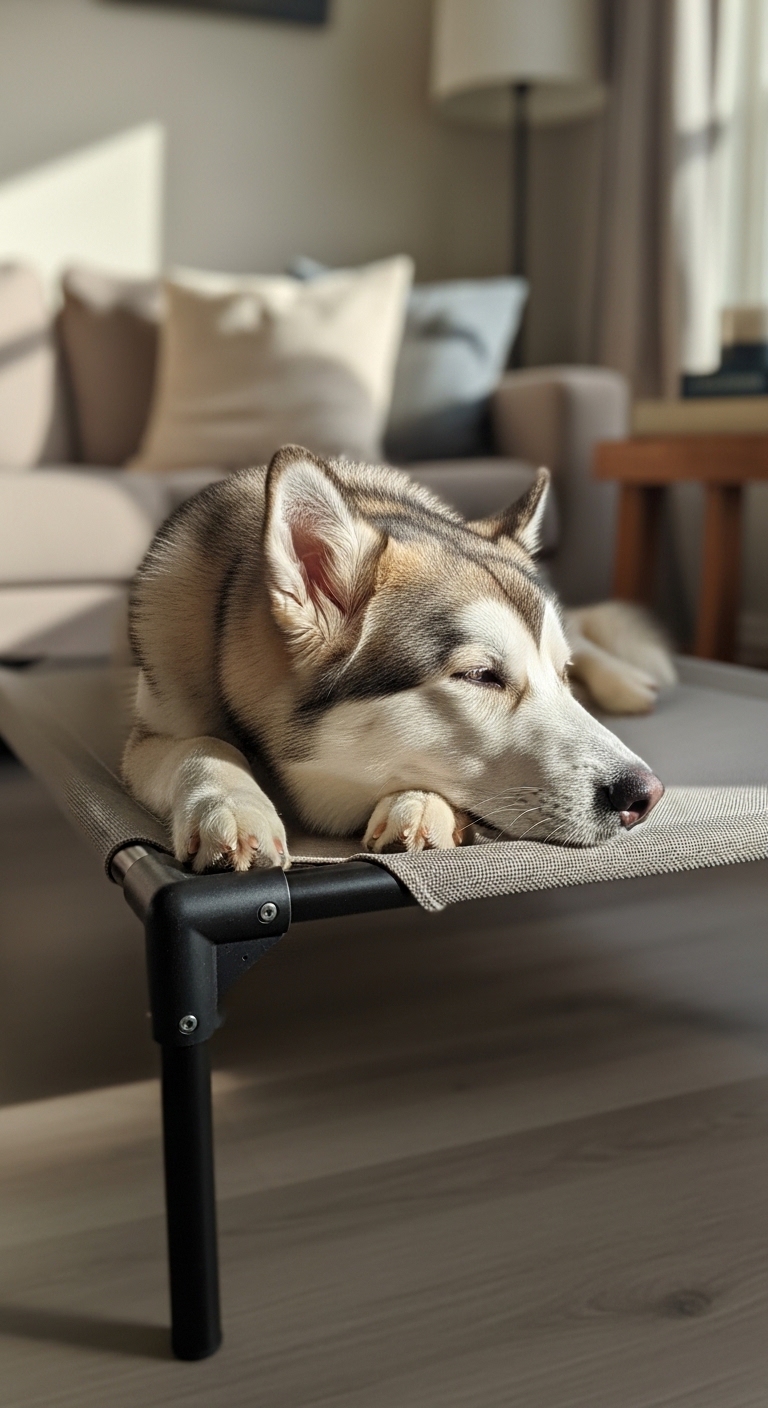
Orthopedic dog beds and memory foam dog beds both promise better sleep and joint support for your pup, but choosing the wrong one can leave your dog uncomfortable or your wallet lighter. The right bed makes a noticeable difference in how your dog rests, especially if they’re older, recovering from surgery, or just love to sprawl out. A poorly chosen bed can lead to stiffness, disrupted sleep, or even reluctance to use it at all. Getting this right saves you from wasted purchases and keeps your dog happy and pain-free.
I’ve seen dogs ignore expensive beds for years because the material didn’t suit their sleeping style. A friend’s elderly Labrador finally slept through the night after switching to a properly supportive orthopedic bed—something a basic cushion never managed.
Key Things to Understand
- Memory foam beds contour closely to your dog’s body: which feels great for short naps or dogs that like to burrow. This close fit can trap heat, though, making them less ideal for dogs that overheat easily or live in warm climates.
- Orthopedic beds use firmer support layers: designed to distribute weight evenly across joints. This makes them the better choice for large breeds, senior dogs, or those with arthritis or hip issues.
- Look for beds with removable, washable covers: to keep the sleeping surface clean and fresh. A bed that’s hard to clean becomes a breeding ground for odors and bacteria.
- Density matters more than thickness: A thinner but high-density foam will support joints better than a thick but soft foam that sags over time.
- Some memory foam beds include cooling gel layers: to combat heat buildup. If your dog runs warm, this feature can make a big difference in comfort.
What to Look For
Pay attention to how your dog sleeps now. Dogs that curl up tightly often prefer a snug, supportive surface, while sprawlers need a bed that cradles their entire body without collapsing under their weight. Notice where they press their paws or rest their head—this reveals pressure points that the new bed should address. If your dog already avoids certain beds, observe whether it’s the material, the shape, or the lack of edge support that bothers them.
Check the foam’s density rating, usually listed as pounds per cubic foot. Anything below 2.5 PCF won’t provide lasting support, especially for bigger dogs. Higher density foams resist sagging and maintain their shape for years, which saves you from replacing the bed too soon. Also, run your hand over the surface. If it feels too soft or bouncy, it won’t offer the joint relief your dog needs.
Look for beds with reinforced edges if your dog likes to lean against them while resting. Weak edges collapse quickly, turning the bed into a flat mat. For dogs that scratch or dig before settling, a raised bolster or a bed with a lip can help contain the mess and give them a sense of security. If your dog is a heavy chewer, avoid beds with thin covers that can be easily torn open.
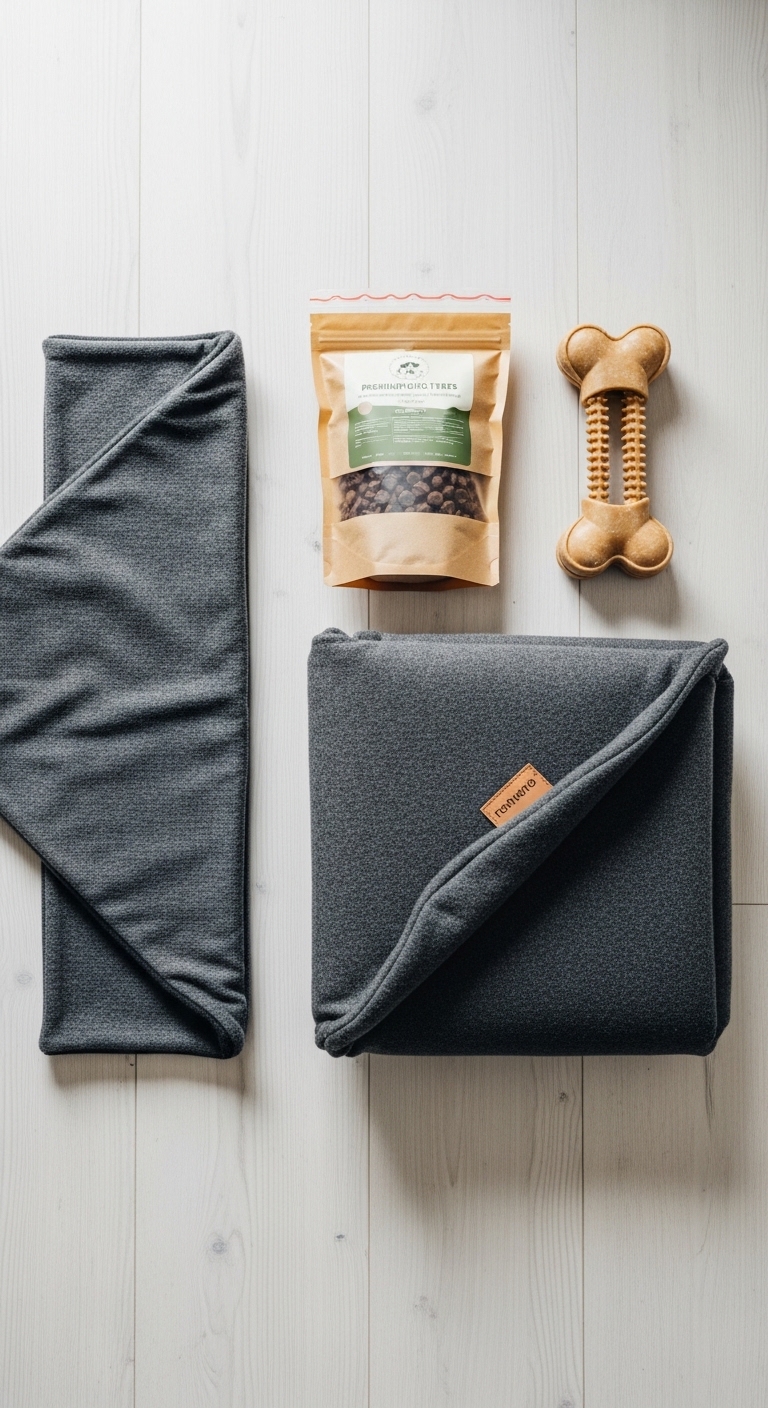
I once bought a memory foam bed for my terrier mix because it was on sale, only to realize it absorbed every bit of her body heat. She refused to use it after the first night, and I had to return it. A firmer, cooler orthopedic bed solved the problem for good. Always consider your dog’s natural sleeping habits before buying.
Daily Care Habits
Rotate your dog’s bed occasionally to even out wear and prevent permanent dips where they sleep most. This is especially important for memory foam beds, which can develop body-shaped indentations over time. If your dog’s bed starts to smell even after washing, sprinkle baking soda on it, let it sit for a few hours, then vacuum it off. This simple trick removes odors without harsh chemicals.
Choosing the Right Product
Start by measuring your dog while they’re in their favorite sleeping position. Add at least 6 inches to the length and width to give them room to stretch. If your dog is between sizes, go bigger—dogs rarely mind extra space, but they’ll notice if the bed is too small. For senior dogs or those with mobility issues, look for beds with low entry points or ramps to make getting on and off easier.
Safety and Comfort
Avoid beds with loose threads or small parts that could be chewed off and swallowed. Check the stitching regularly, especially around bolsters or seams, as these areas take the most abuse. If your dog has allergies, opt for hypoallergenic covers and foams to reduce irritation. Some orthopedic beds include medical-grade materials that resist dust mites and bacteria, which can be a game changer for sensitive pups.
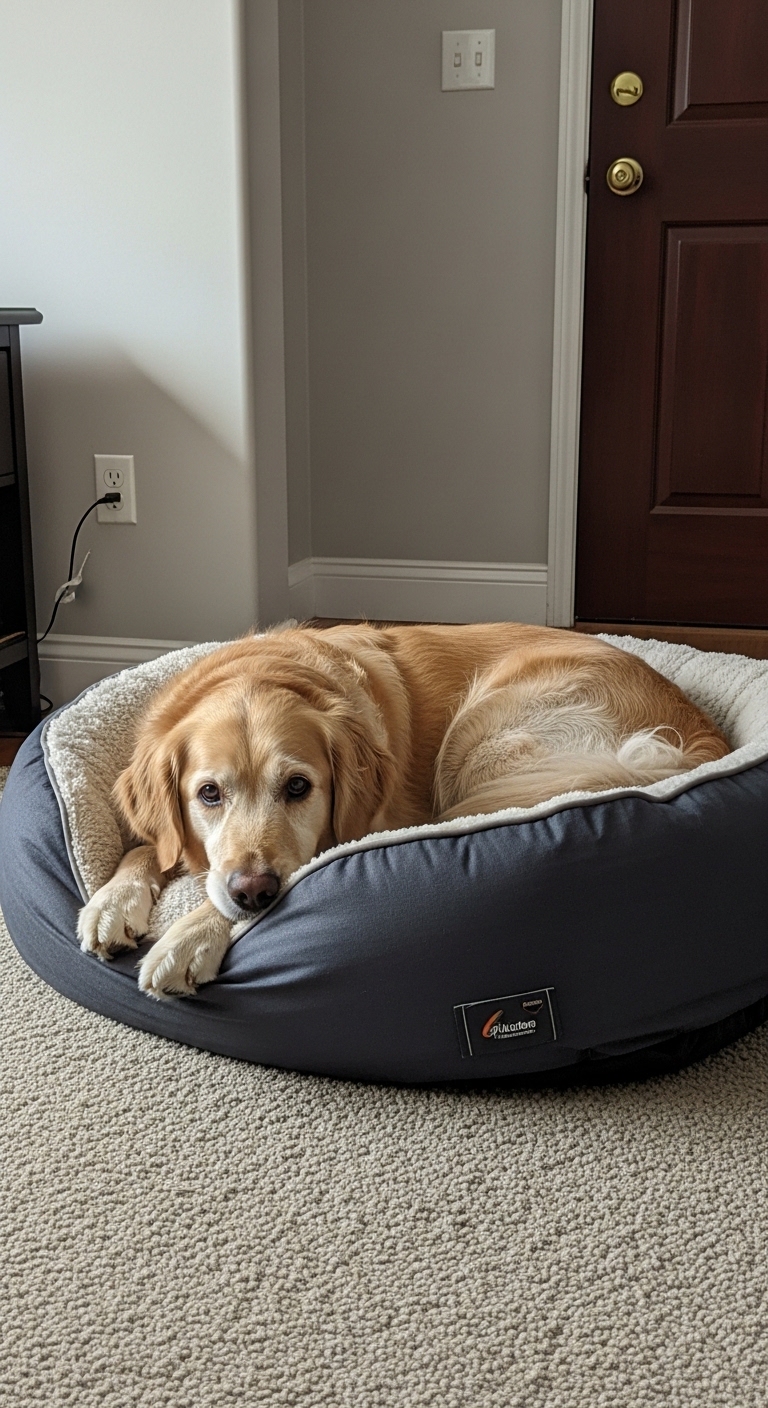
Choosing the right bed for your dog is an investment in their long-term comfort and health. Take the time to observe their habits and needs before deciding.
Frequently Asked Questions
- → What are the main differences between orthopedic and memory foam dog beds?
Orthopedic dog beds use high-density foam to provide firm support, ideal for dogs with joint issues or arthritis. Memory foam beds contour closely to your dog’s body, offering cushioning and pressure relief, which is great for younger or active dogs.
- → Which type of bed is best for an older dog?
Orthopedic beds are typically recommended for older dogs due to their firm support, which helps alleviate joint pain and arthritis symptoms. The extra support can improve comfort and sleep quality for senior pets.
- → Do memory foam beds provide enough support for large dogs?
Yes, memory foam beds can provide adequate support for large dogs, especially if they are high-density. However, orthopedic beds may offer better long-term support for very large or heavy breeds prone to joint issues.
- → How do I choose the right size bed for my dog?
Measure your dog from nose to tail while they are lying down and add 6-12 inches for comfortable lounging. Ensure the bed is large enough for them to stretch out fully without hanging off the edges.
- → Are orthopedic beds worth the extra cost?
For dogs with joint problems or arthritis, orthopedic beds can significantly improve their quality of life by reducing pain and pressure points. The investment is often justified for pets needing extra support and comfort.
- → Can puppies use memory foam beds?
Yes, puppies can use memory foam beds as they provide cushioning and comfort. However, ensure the bed is durable enough to withstand chewing and scratching, as puppies are often more active and playful.