Dogs that love to chew can turn even the most expensive bed into shredded fluff in minutes. Finding a bed that survives their enthusiasm isn’t just about saving money—it’s about keeping them safe from ingesting foam or fabric and giving them a comfortable spot they won’t destroy. The right chew proof bed means less stress for you and a happier, well rested dog who isn’t constantly being scolded for ruining another pillow.
I’ve seen plenty of owners give up and just let their dogs sleep on old towels—but that’s not fair to the dog or your floors. A good chew proof bed exists, you just need to know what to prioritize beyond the price tag.
Key Things to Understand
- Chew proof doesn’t mean indestructible: but it should outlast a standard bed by months or years
- The best materials: heavy duty ballistic nylon, reinforced stitching, and solid memory foam cores
- Dogs often chew beds out of boredom: so pairing it with mental stimulation helps
- Elevated cots: are great for aggressive chewers because there’s less fabric to destroy
- Look for replaceable covers or modular designs: so you only replace the damaged part
- Avoid beds with loose threads, weak seams, or stuffing: that’s easy to pull out
- Size matters: a bed that’s too small gets chewed faster because the dog feels cramped
What to Look For
Start by checking the fabric weight and weave. Heavy duty ballistic nylon or canvas with a tight weave resists teeth better than loose polyester blends. Run your fingers along the seams—if you can easily pull threads loose, your dog will too. Double stitched or bar tacked seams are a must, especially around edges where dogs love to gnaw. The filling is just as important: solid memory foam or high density polyfill won’t clump or tear like cheap stuffing. Some beds even use recycled plastic bottle filling, which is surprisingly tough.
Next, consider the design. Flat mat style beds are easier to chew through than raised cots or donut shapes with bolstered edges. If your dog likes to dig and nest, look for a bed with a chew resistant liner underneath the cover. Zippers are a weak point—opt for Velcro closures or hidden zippers if possible. For extreme chewers, some brands offer beds with aluminum frames or PVC piping that’s nearly impossible to destroy.
Don’t ignore the base. Non slip bottoms prevent the bed from sliding, which can trigger chewing when dogs try to “adjust” it. If the bed has legs or a frame, check that they’re sturdy and won’t splinter if chewed. Finally, think about washability. A bed that can’t be cleaned easily will smell bad fast, and dogs are more likely to chew something that’s already dirty.
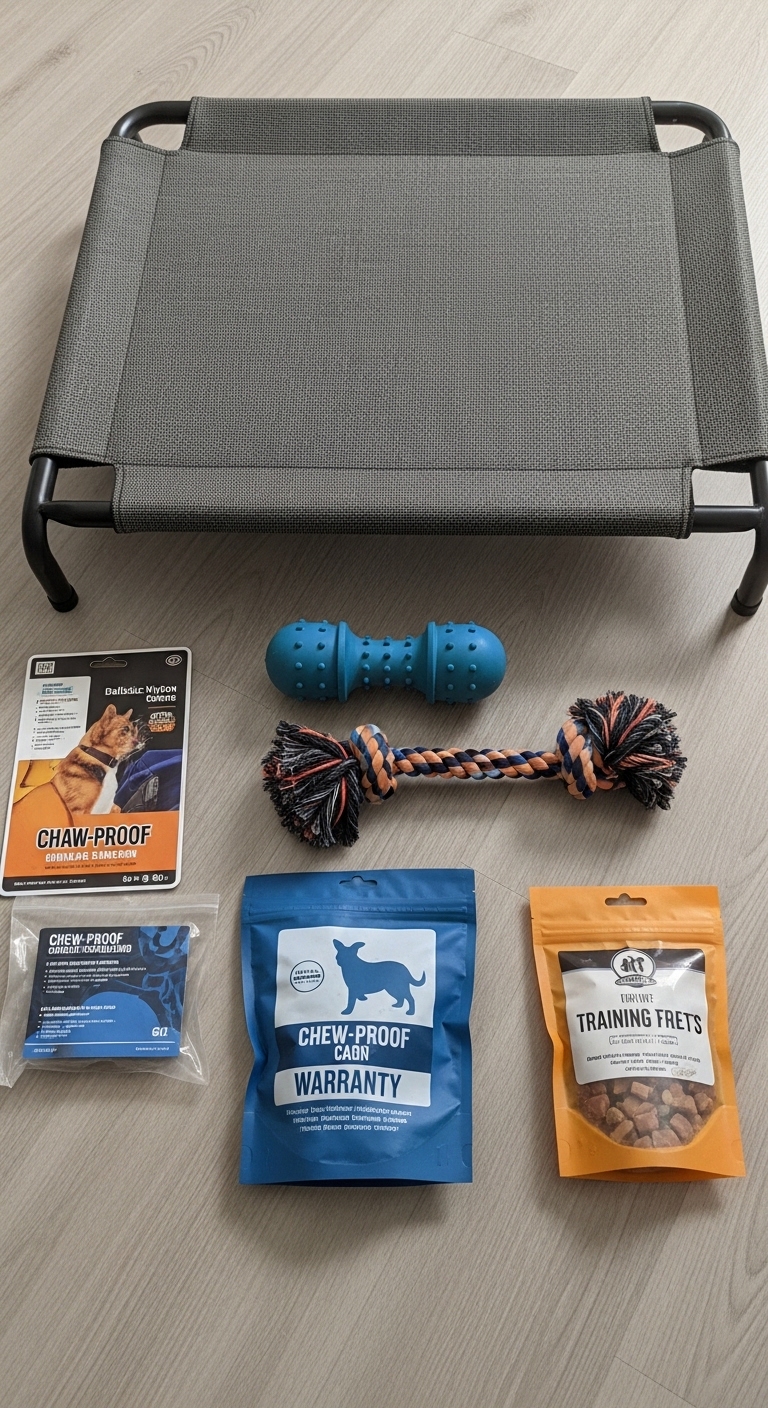
I’ve had clients whose dogs destroyed five beds in a month before switching to a cot style with a metal frame. The difference wasn’t just durability—it was the dog’s behavior. Once they stopped getting “rewarded” with fluff to shred, the chewing habit faded. That’s why pairing the right bed with training matters just as much as the material.
Daily Care Habits to Extend Bed Life
Rotate the bed’s position every few days so your dog doesn’t fixate on one spot. Use bitter apple spray on the edges if you catch early chewing signs. Brush off dirt and fur daily to keep the fabric from weakening. If the bed has a removable cover, wash it every two weeks—dogs chew more when things smell stale. For dogs that dig, place a flat towel over the bed to satisfy the nesting instinct without damaging the fabric.
Choosing Between Cot and Bolster Styles
Cots are best for heavy chewers because there’s minimal fabric to destroy, but some dogs dislike the lack of cushioning. Bolster beds work for moderate chewers if the edges are reinforced, and they’re great for dogs that like to lean. Test your dog’s preference by offering both styles as floor options for a few days. Watch which one they gravitate toward before investing in the chew proof version.
When to Replace Instead of Repair
If the foam is exposed or the frame is bent, it’s time for a new bed—no amount of patching will make it safe. Small holes can be sewn shut with heavy duty thread, but large tears mean the structural integrity is compromised. I’ve seen owners try to duct tape beds, which just gives the dog a new texture to chew. When in doubt, err on the side of safety over savings.
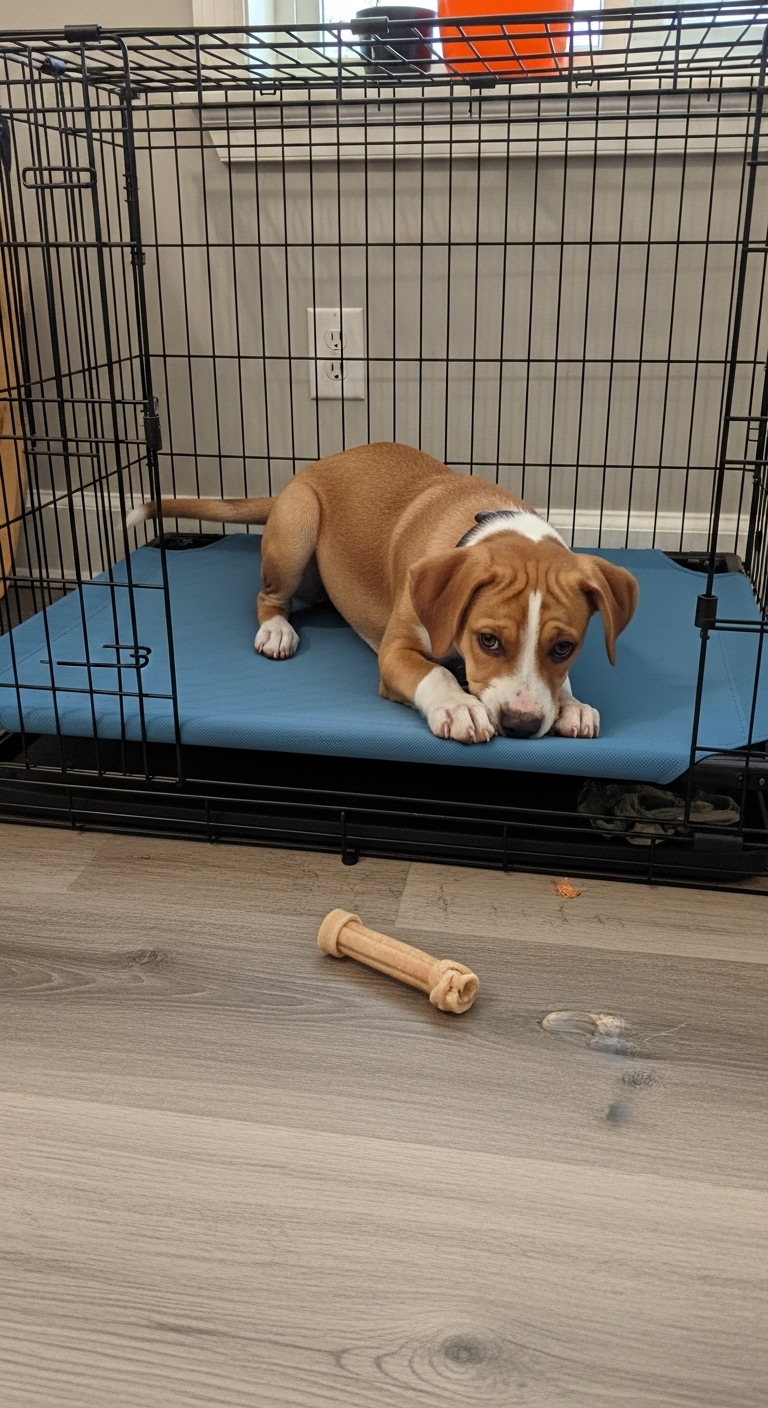
The biggest mistake I see is owners buying based on cuteness instead of durability. A bed shaped like a donut might look adorable, but if your dog is a chewer, those raised edges are just a target.
Frequently Asked Questions
- → What materials are best for chew-proof dog beds?
Look for beds made from reinforced canvas, ballistic nylon, or chew-resistant vinyl. These materials are designed to withstand aggressive chewing and last longer than standard fabrics.
- → Are orthopedic beds safe for aggressive chewers?
Yes, but choose models with reinforced seams and bite-proof zippers. Orthopedic beds provide joint support, especially for older dogs, but ensure they are made from durable materials.
- → How do I choose the right size bed for my dog?
Measure your dog from nose to tail while they’re lying down and add 12-18 inches for comfortable lounging. Check the bed’s weight limit to ensure it supports your dog’s size and strength.
- → Can chew-proof beds help with separation anxiety?
While not a cure, a durable bed can provide a safe space for your dog to relax when you’re away. Pair it with calming treats or toys to reduce anxiety-related chewing.
- → How often should I replace a chew-proof dog bed?
Inspect the bed regularly for signs of wear, such as fraying or bite marks. Replace it if the filling becomes exposed or the structure weakens to prevent your dog from ingesting materials.
- → Are there washable chew-proof dog beds?
Yes, many durable beds feature removable, machine-washable covers. Opt for beds with water-resistant or waterproof interiors to handle accidents and keep the bed fresh longer.