How often should you bathe your dog isn’t just about keeping them clean it’s about protecting their skin, coat, and overall health while avoiding unnecessary stress or irritation. Too many baths can strip natural oils, leading to dry skin or itchy flakiness, while too few can leave dirt and allergens trapped, causing discomfort or even infections. The right frequency depends on breed, activity level, skin condition, and even the seasons. Getting this balance right makes a noticeable difference in your dog’s comfort and your grooming routine.
I’ve seen dogs with sensitive skin turn a corner just by adjusting bath frequency and switching to a milder shampoo it’s amazing how small changes can make bath time feel easier for everyone.
Key Things to Understand
- Bathing too often: strips natural oils from your dog’s coat and skin leading to dryness and irritation
- Breeds with oily coats: like Basset Hounds or Cocker Spaniels may need more frequent baths than dry-coated breeds
- Dogs with skin conditions or allergies: often need special shampoos and less frequent bathing unless directed by a vet
- Active dogs: that roll in mud or swim frequently will need baths more often than couch potatoes
- Seasonal changes: affect bathing needs more in summer due to outdoor activities and less in winter to prevent dry skin
What to Look For
Watch for signs your dog needs a bath like visible dirt on their fur, a strong odor, or frequent scratching. Notice how their skin looks after a bath if it’s red, flaky, or irritated, you may be using the wrong shampoo or bathing too often. Pay attention to your dog’s behavior during bath time; if they seem overly stressed or avoid water, it might be time to adjust your approach or frequency. Check their coat between baths for mats or tangles that could worsen with less frequent grooming. If your dog has allergies, look for increased licking or paw chewing which might signal a need for medicated baths.
I once bathed my Labrador every week thinking it kept him clean, but his skin became so dry and flaky that the vet recommended cutting back to every 6 weeks. After that adjustment, his coat improved dramatically within a month. It’s easy to overdo it when you love your dog, but sometimes less really is more.
Daily care habits
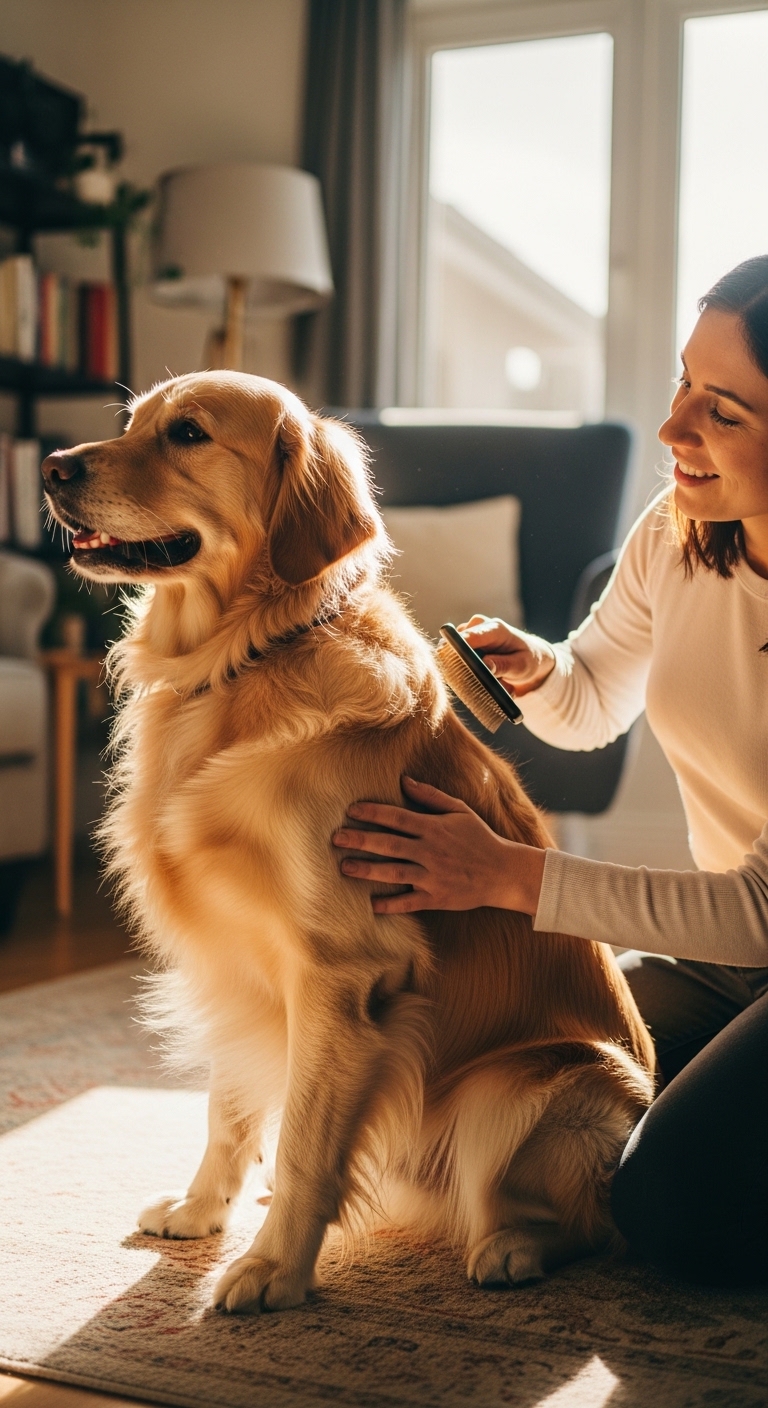
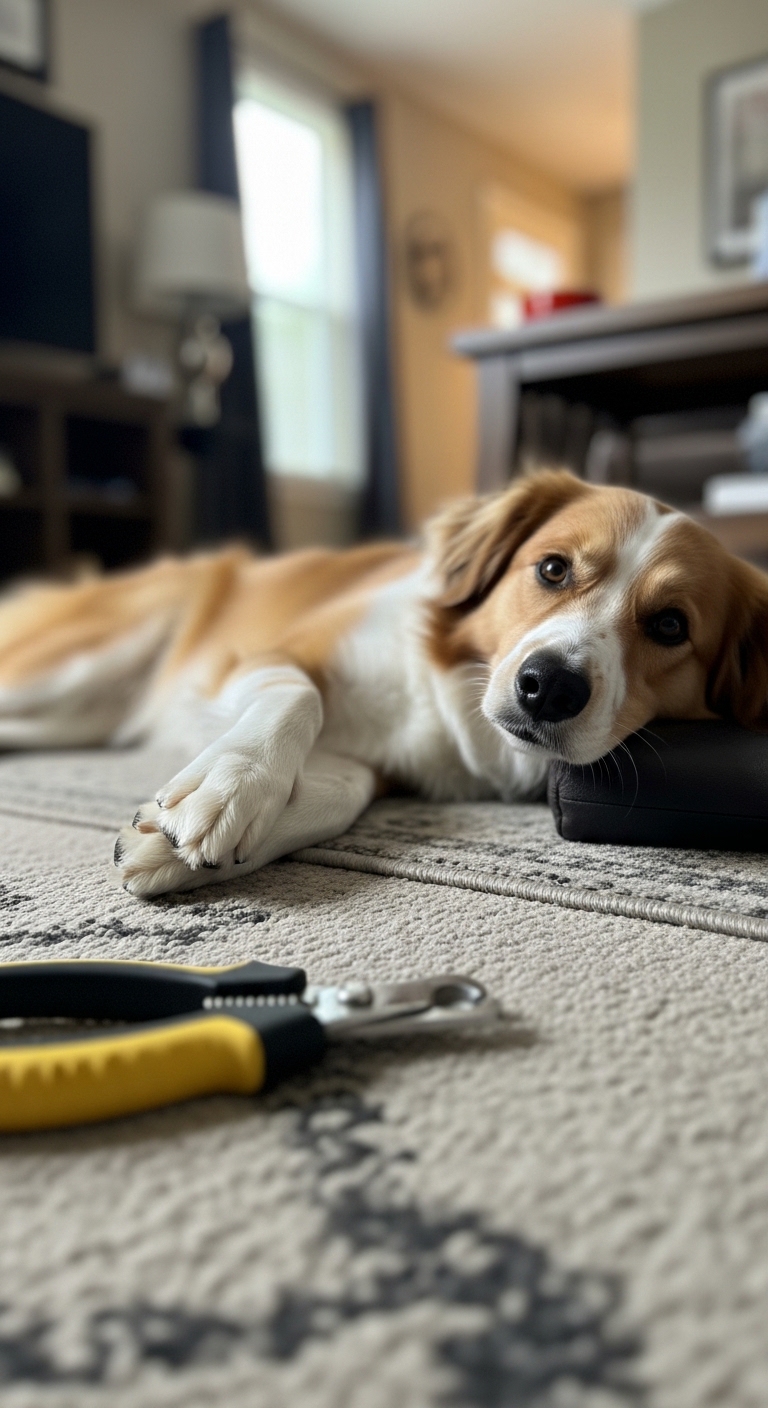
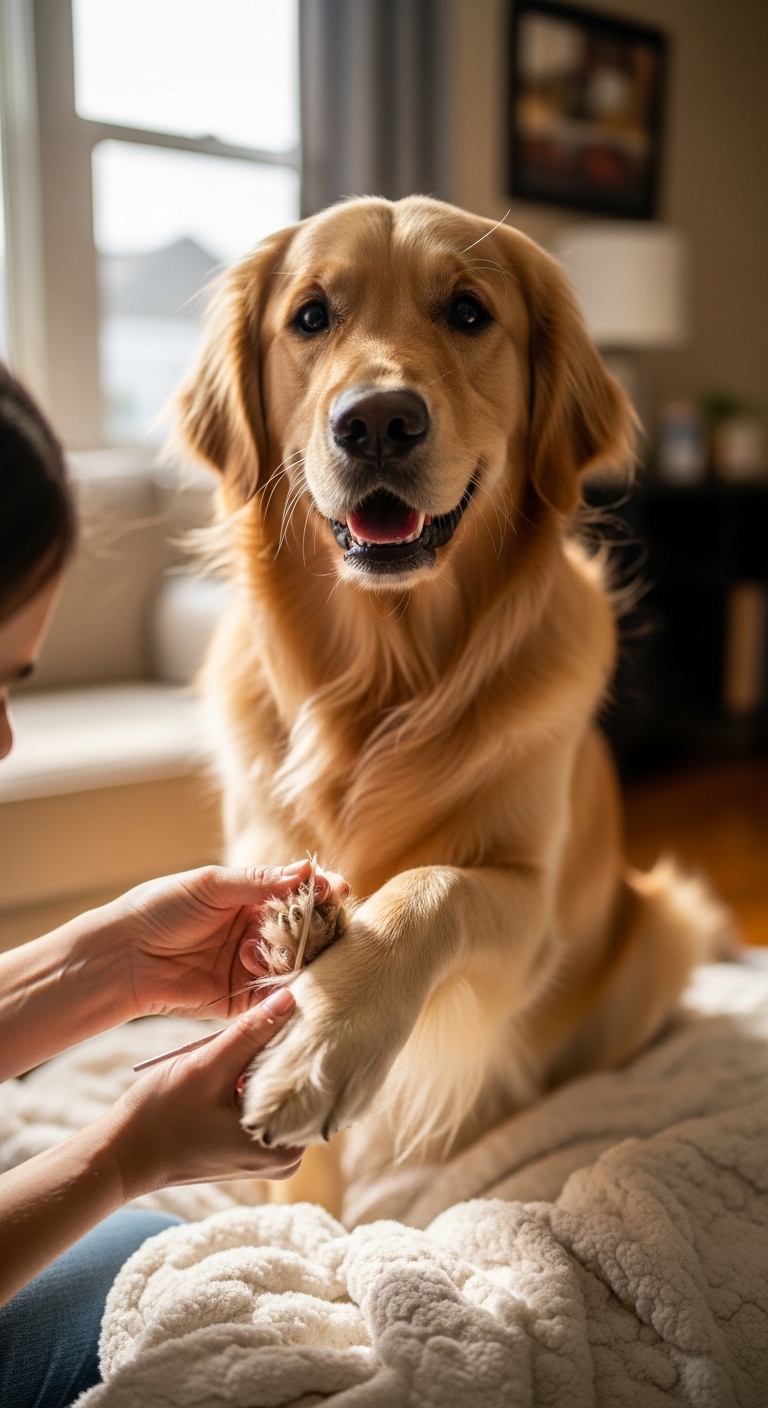
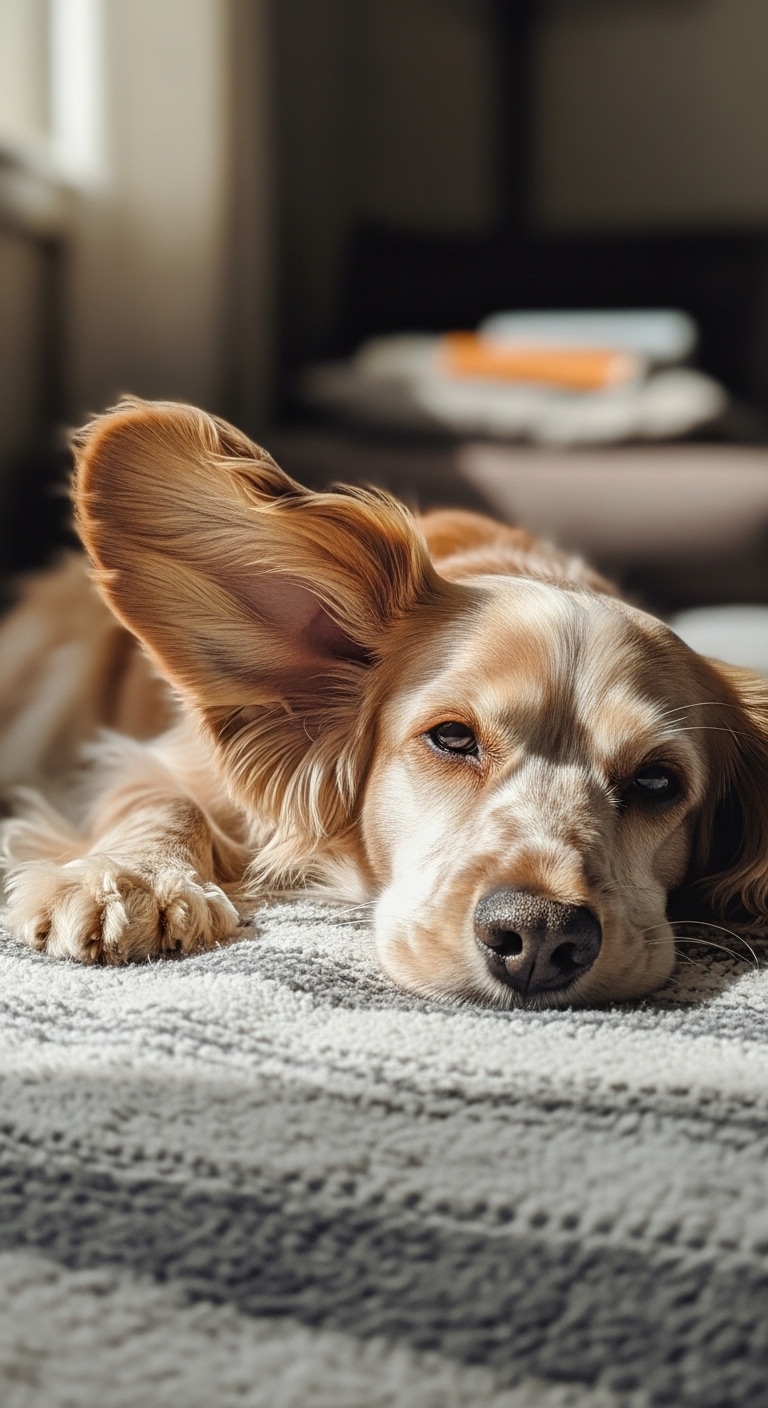
Between baths, regular brushing helps distribute natural oils and removes loose fur, keeping your dog’s coat healthy and reducing shedding. Wiping your dog’s paws and belly with a damp cloth after walks can prevent dirt buildup and reduce the need for full baths. Check ears weekly for wax buildup or odor, especially in floppy-eared breeds, to avoid infections. Keep an eye on their nails long nails can make walking uncomfortable and may need trimming every few weeks.
Choosing the right product
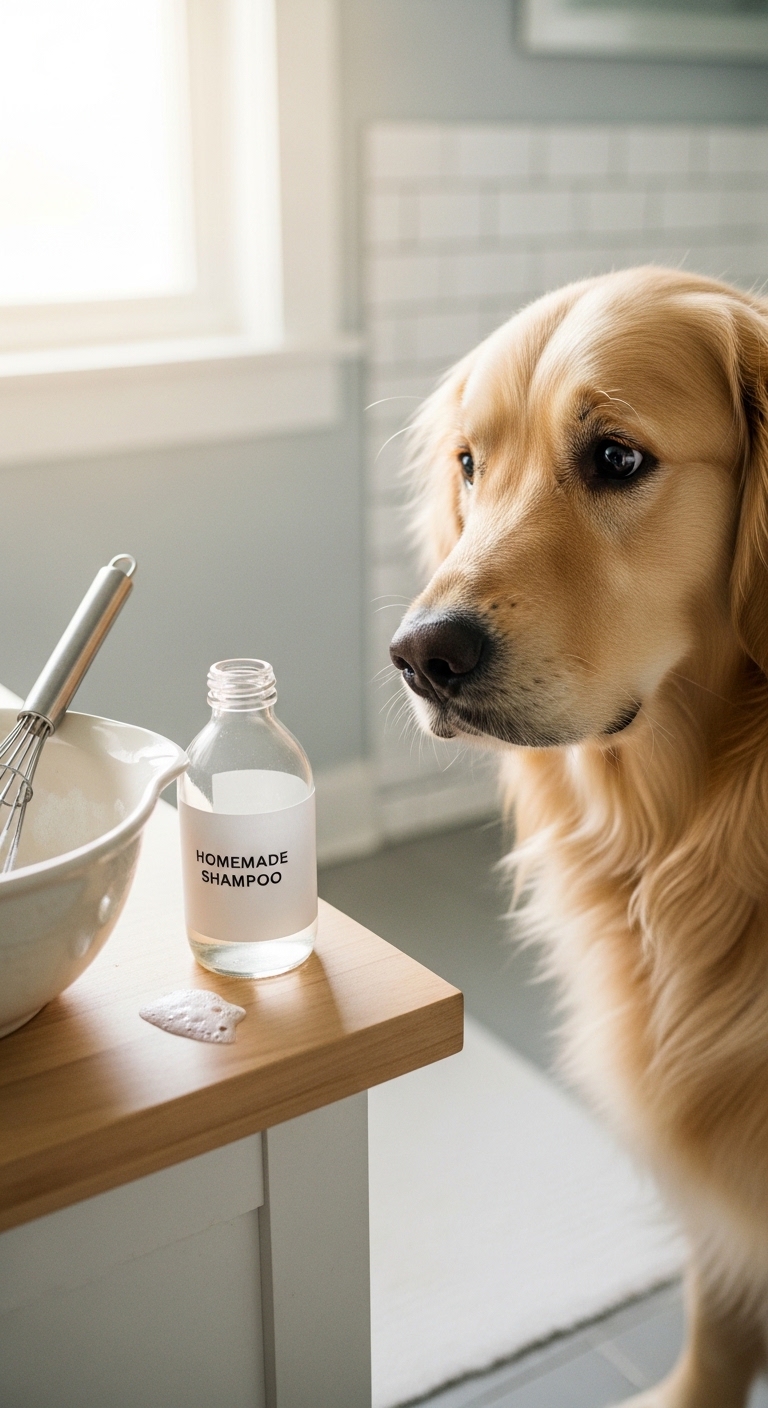
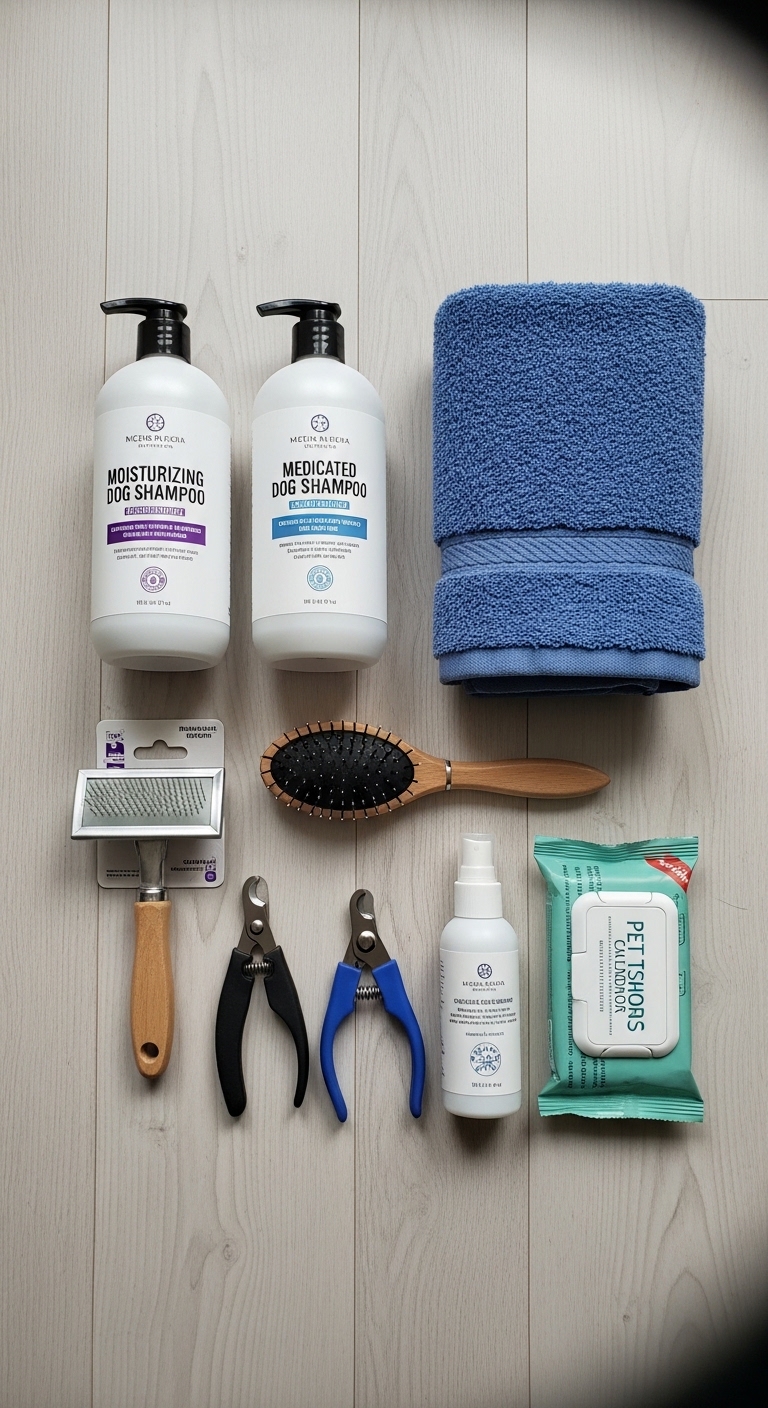
Look for shampoos labeled for your dog’s specific needs like oatmeal for sensitive skin or medicated formulas for allergies. Avoid products with artificial fragrances or harsh chemicals that can cause reactions. For dogs with thick coats, a detangling conditioner can make brushing easier and prevent mats. If your dog has fleas, use a vet-recommended flea shampoo and follow the instructions carefully to avoid skin irritation.
Safety and comfort
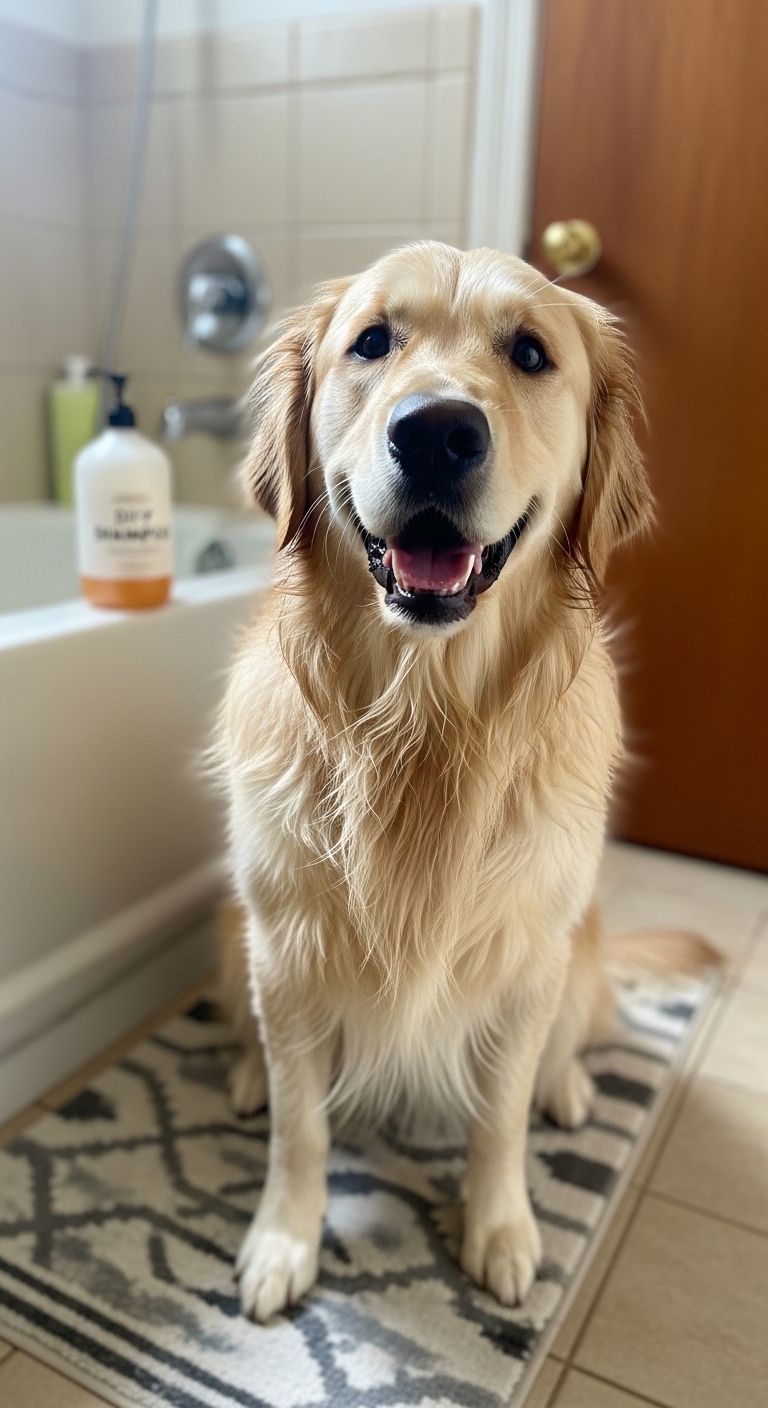
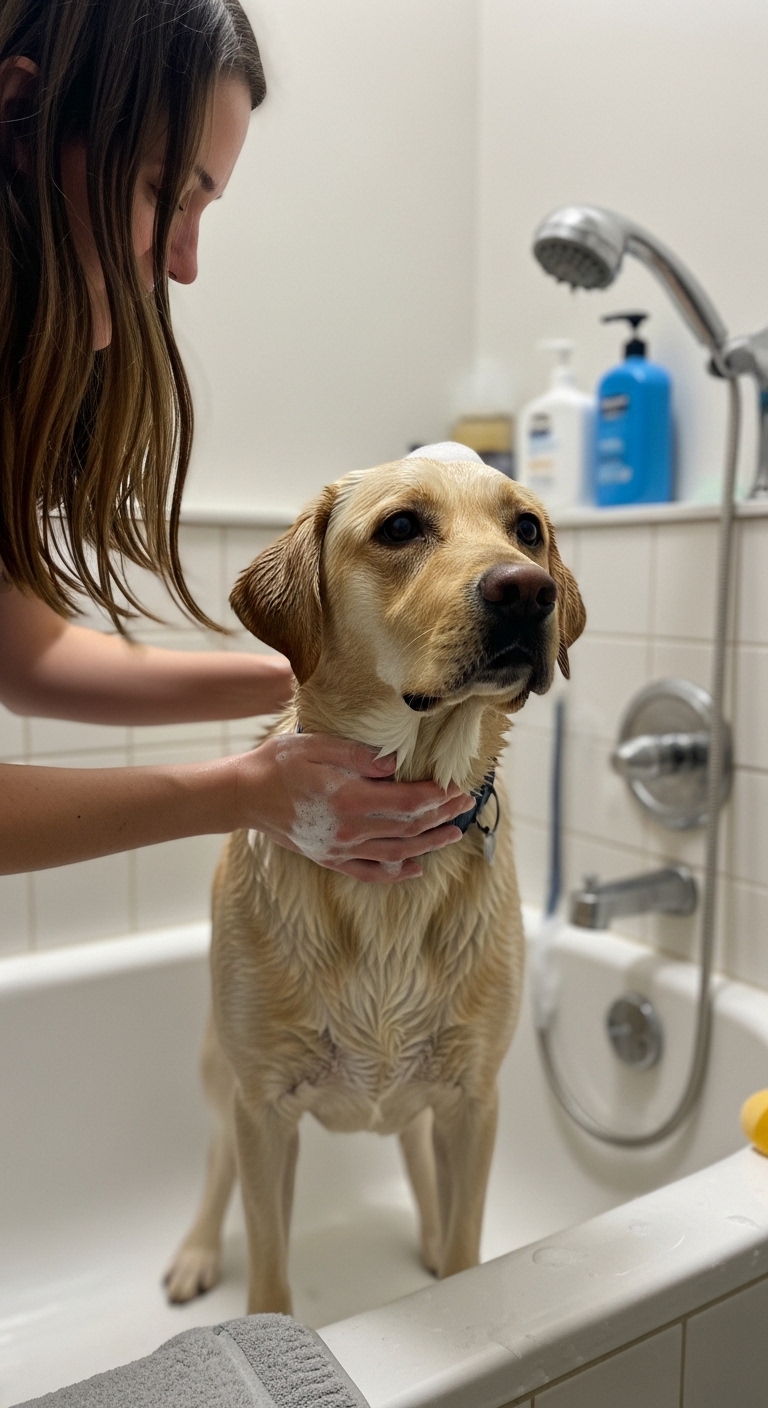
Always place a non-slip mat in the tub to prevent your dog from slipping and getting scared. Use a handheld showerhead or pitcher to control water flow and avoid spraying directly in their face. Keep the water temperature warm but not hot test it on your wrist like you would for a baby. If your dog is nervous, start with just a damp cloth wipe before attempting a full bath to build their confidence.
Cleaning and hygiene
Focus on cleaning the dirtiest areas first like paws, belly, and tail, which often carry the most bacteria and allergens. Use a soft brush to gently clean their face, avoiding the eyes and ears. Rinse thoroughly to prevent soap residue that can cause itching. After the bath, dry your dog completely, especially in skin folds or thick coats, to prevent moisture-related skin issues.
The key to great bath time isn’t just frequency it’s about observing your dog, adjusting to their needs, and making the experience as stress-free as possible.
Frequently Asked Questions
- → How often should I bathe my dog?
Most dogs benefit from a bath every 4-6 weeks, but this varies by breed, coat type, and lifestyle. Active dogs or those with skin conditions may need more frequent baths.
- → Can I bathe my dog too often?
Yes, over-bathing can strip natural oils from your dog's skin, leading to dryness, irritation, and skin problems. Stick to a schedule based on your dog's needs.
- → What shampoo should I use for my dog?
Always use a gentle, dog-specific shampoo formulated for your dog's coat type. Human shampoos can disrupt the pH balance of your dog's skin and cause irritation.
- → Does my dog's breed affect bathing frequency?
Yes, some breeds require more frequent grooming. For example, Poodles and Bichons often need baths every 3-4 weeks, while short-haired breeds like Beagles may only need baths every 6-8 weeks.
- → How can I keep my dog clean between baths?
Regular brushing helps distribute natural oils and removes dirt and loose fur. You can also use pet wipes or a damp cloth to spot-clean dirty areas without a full bath.
- → What if my dog has sensitive skin?
Dogs with sensitive skin may need less frequent baths and a hypoallergenic shampoo. Consult your vet for recommendations tailored to your dog's specific needs.