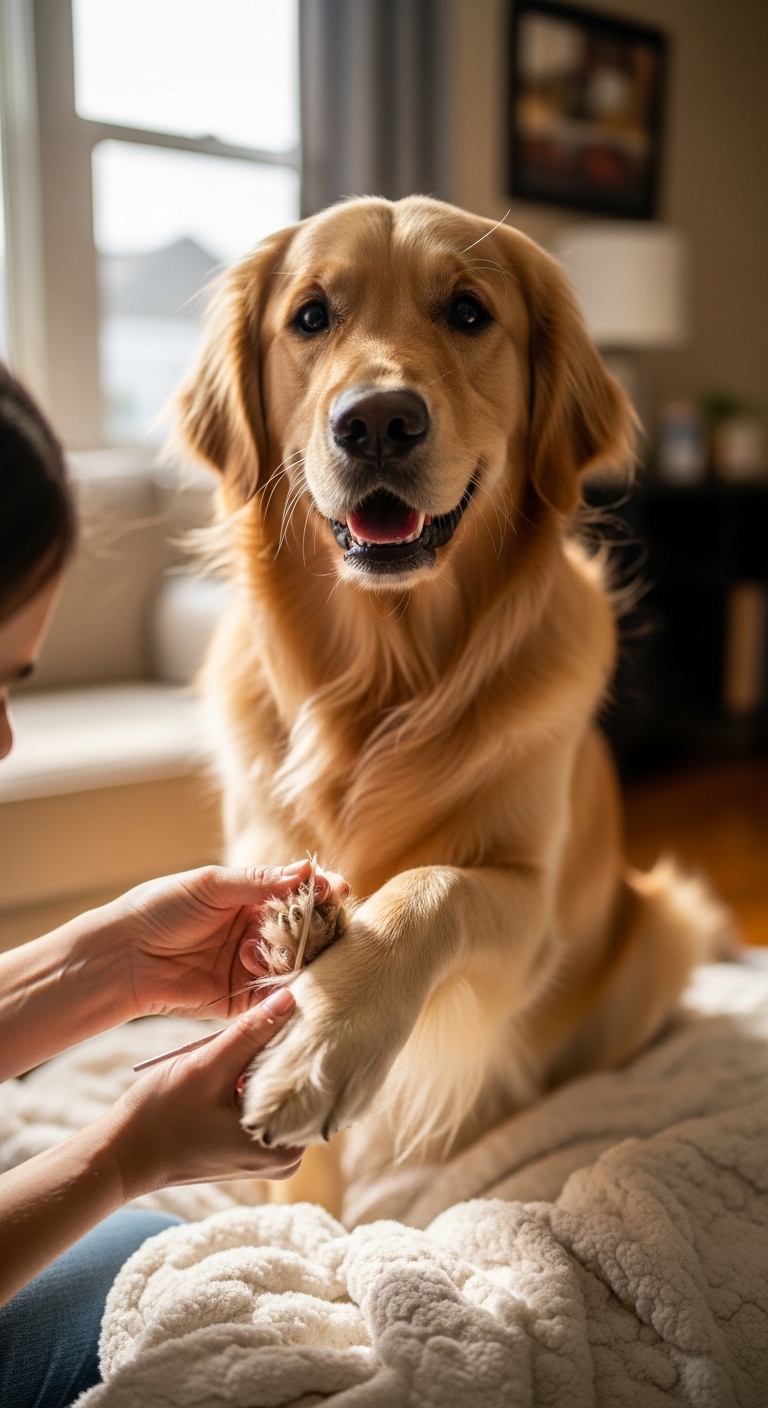
Cleaning your dog’s ears might not be the most glamorous part of pet ownership, but it’s one of those small routines that can make a huge difference in their comfort and health. A quick check every few weeks can prevent infections, reduce wax buildup, and even catch early signs of allergies or mites. Most pet owners don’t realize how often ear issues go unnoticed until they become serious, so learning this simple skill now could save you and your pup from unnecessary vet visits later.
I still remember the first time I cleaned my terrier’s ears: it felt awkward holding her still, and I wasn’t sure if I was doing it right. But after a few tries, she started leaning into the routine, and now it’s just part of our monthly bonding time.
Key Things to Understand
- Ear cleaning isn’t just about wiping the outside: you need to gently clean the inner ear flap and the part you can see inside without going too deep
- Use a dog-specific ear cleaner: not human products or water, which can cause irritation or infections
- Watch for dark discharge, a foul smell, or excessive scratching: as warning signs of infection
- Never use cotton swabs deep inside the ear canal: this can push debris further in and damage the eardrum
- Some breeds with floppy ears or heavy hair around the ears: need more frequent cleaning than others
What to Look For
Pay attention to how your dog reacts when you touch their ears. If they flinch, pull away, or whine, it could mean they’re already experiencing discomfort or pain. A healthy ear should look light pink inside with minimal wax: any redness, swelling, or black/brown gunk is a red flag. Also, check for a yeasty or musty odor, which often signals an infection. If your dog constantly scratches their ears or rubs them against furniture, it’s worth investigating further. Some dogs naturally have more earwax than others, but if you notice a sudden increase or a change in texture, it’s time for a closer look.
I once skipped cleaning my dog’s ears for months because she hated it, only to find out she had a mild yeast infection. A quick vet visit and a change in cleaner fixed it, but it could’ve been avoided with regular checks. If your dog resists, try making it a positive experience with praise and treats: it makes a world of difference.
Daily care habits
Make ear cleaning part of your routine, especially if your dog swims often or has floppy ears. A quick wipe with a damp cloth after baths can prevent moisture buildup, which is a common cause of infections. If your dog is prone to allergies, you might need to clean their ears more frequently to remove pollen or dust that gets trapped inside.
Choosing the right product
Look for ear cleaners with ingredients like chlorhexidine or acetic acid, which help break down wax and fight bacteria. Avoid products with alcohol or strong fragrances, as these can irritate sensitive ears. If your dog has sensitive skin, opt for a hypoallergenic formula to reduce the risk of reactions.
Safety and comfort
Never force your dog’s ear open if they’re resisting: this can cause stress or injury. Instead, gently lift the ear flap and apply the cleaner to the visible part of the ear canal. If your dog has a history of ear infections, ask your vet for a cleaner with antifungal properties to keep yeast at bay.
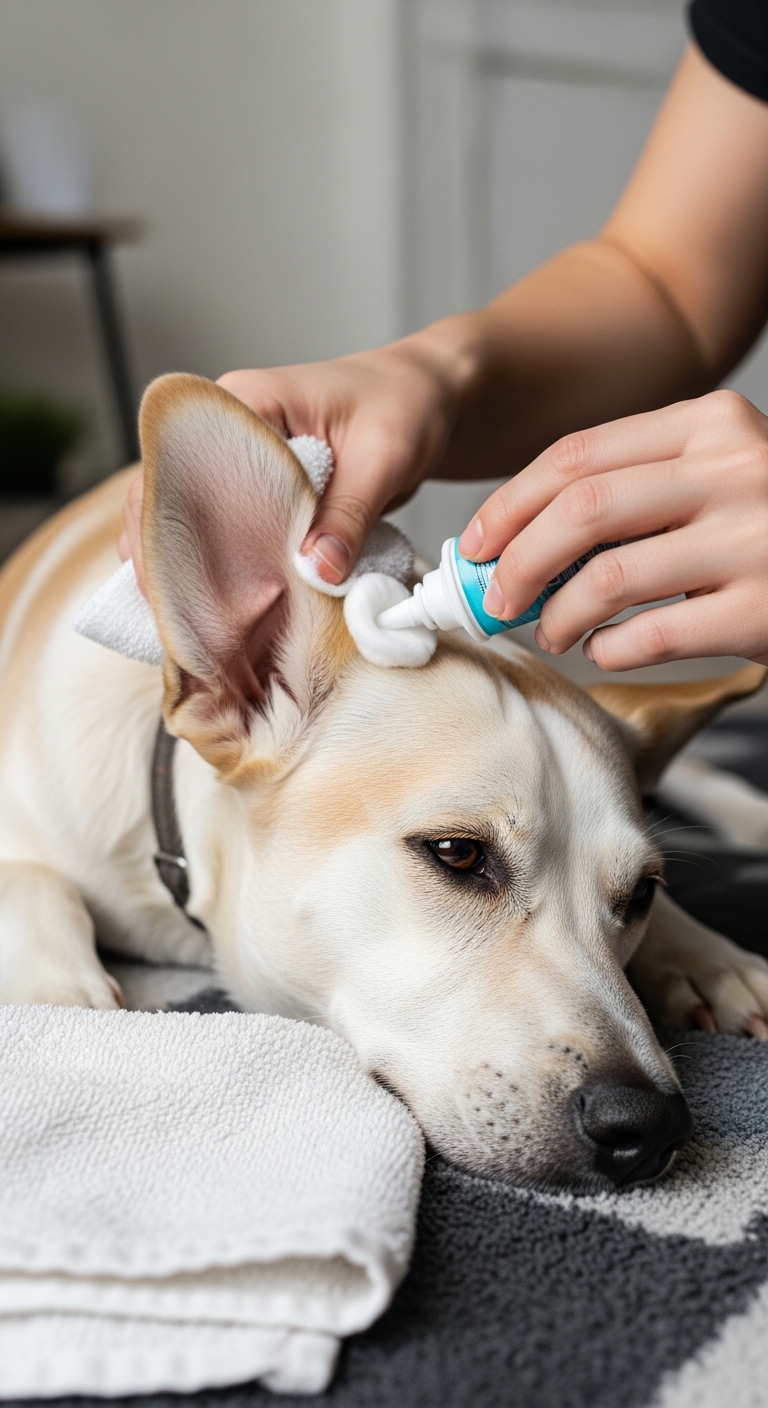
Cleaning and hygiene should be a positive experience. Store your ear cleaner in a cool, dry place to prevent contamination, and replace it every few months to ensure it stays effective.
Frequently Asked Questions
- → How often should I clean my dog's ears?
Most dogs need ear cleaning every 2-4 weeks, but breeds with floppy ears or excessive hair in the ear canal may require weekly cleanings. Active dogs or those who swim frequently should also be cleaned more often to prevent moisture buildup.
- → What supplies do I need for ear cleaning?
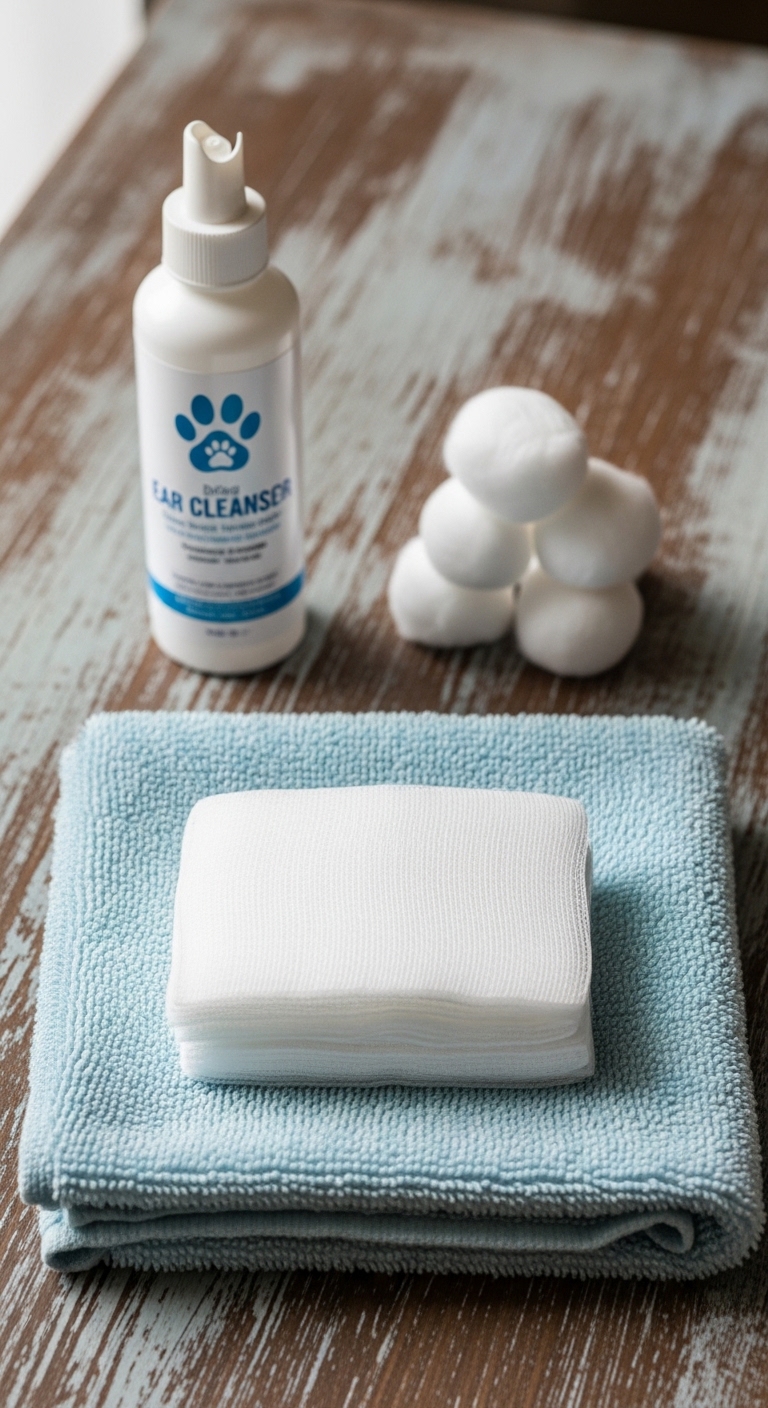
Use a vet-recommended ear cleaner, cotton balls or gauze pads, and treats for positive reinforcement. Avoid cotton swabs, hydrogen peroxide, or alcohol, as these can irritate the ear canal or cause damage.
- → Can I use human ear cleaning products on my dog?
No, human ear cleaners often contain ingredients that are too harsh for dogs. Always use products specifically formulated for canine ear care to avoid irritation or allergic reactions.
- → What if my dog's ears are red or smell bad?
Redness, foul odor, or discharge may indicate an infection or allergy. Stop cleaning and consult your vet immediately, as untreated ear issues can lead to chronic pain or hearing loss. Never use home remedies without professional guidance.
- → How do I clean a dog's ears if they hate it?
Start with short sessions and reward your dog with treats and praise. Use a soothing voice and gentle touch to build trust. If your dog is extremely resistant, ask your vet or groomer for a demonstration or consider professional cleaning services.
- → Is ear cleaning painful for dogs?
Proper ear cleaning should not be painful if done correctly. If your dog yelps or shows signs of discomfort, stop immediately and consult your vet to rule out underlying issues like infections or ear mites.