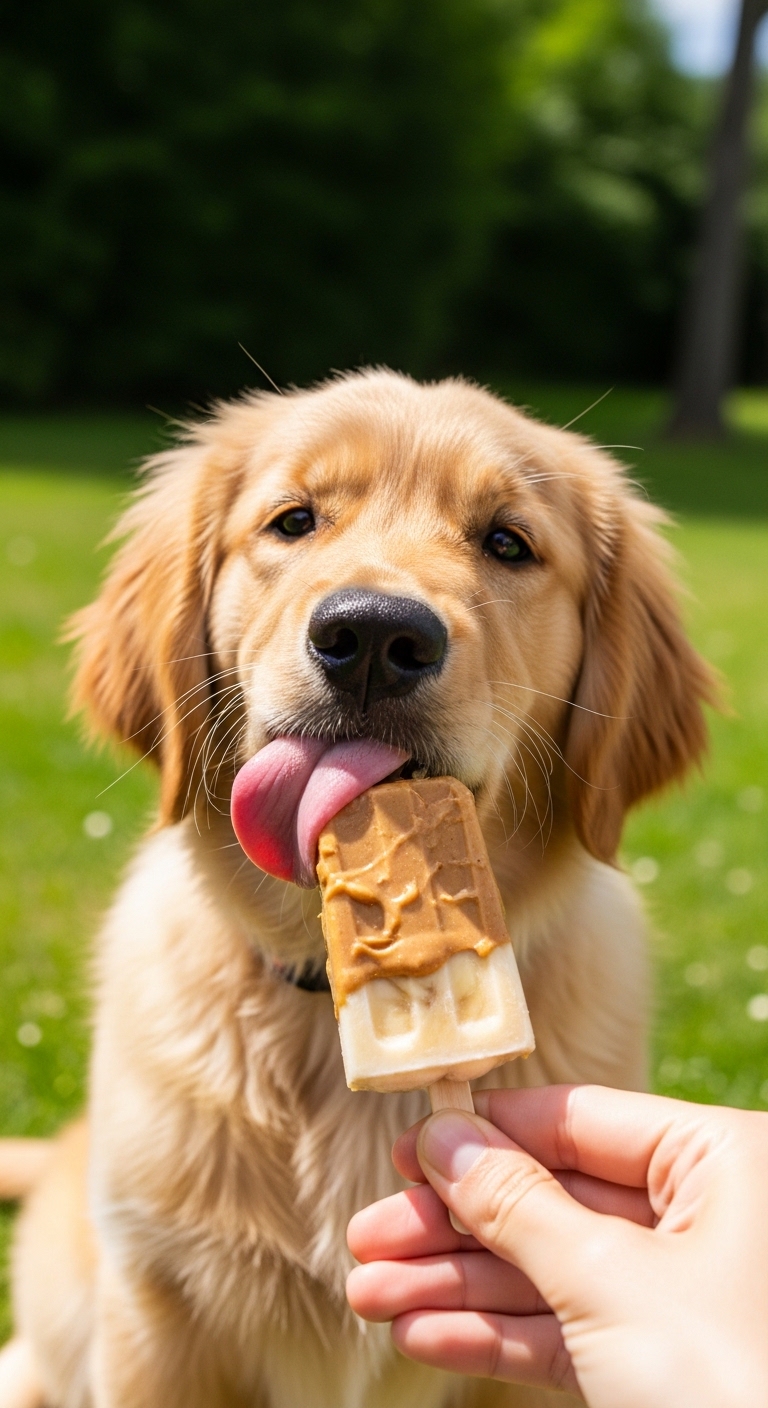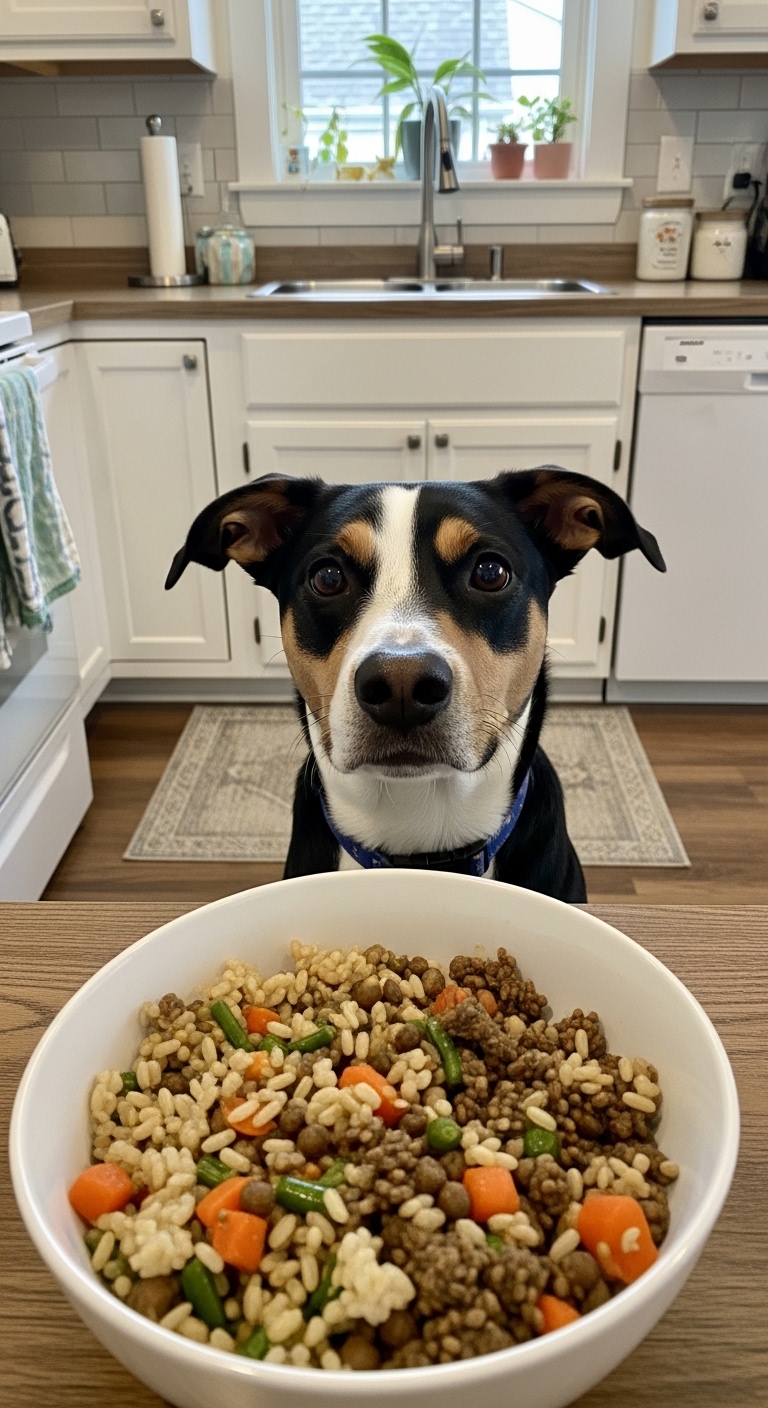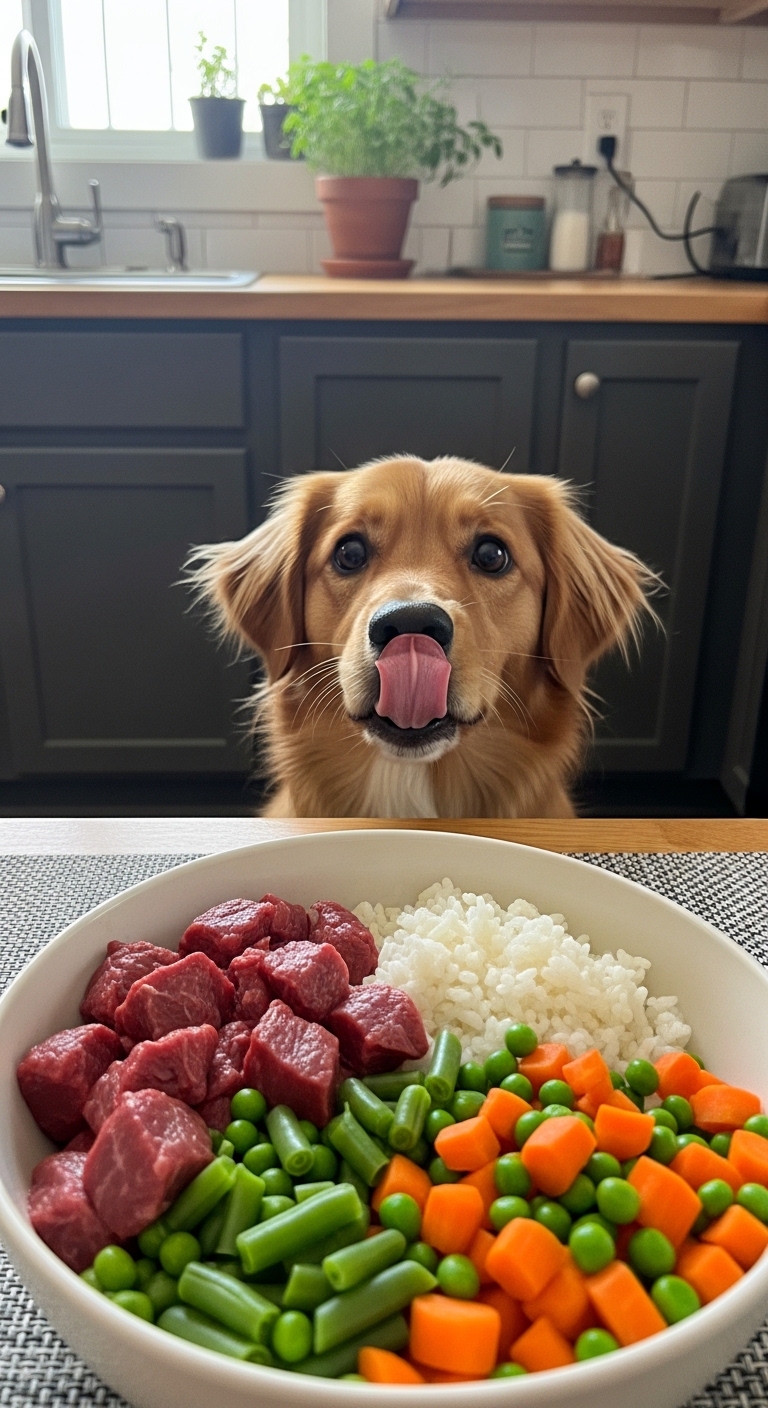
Homemade dog popsicles are one of the simplest ways to keep your pup cool, hydrated, and entertained—especially when the temperature rises or after an energetic play session. Unlike store-bought treats packed with preservatives, these frozen snacks let you control the ingredients, ensuring they’re safe, nutritious, and tailored to your dog’s dietary needs. Whether your dog is a senior needing joint support, a puppy teething uncomfortably, or an active breed that overheats quickly, a well-made popsicle can be a game-changer. The best part? You probably already have most of the ingredients in your kitchen.
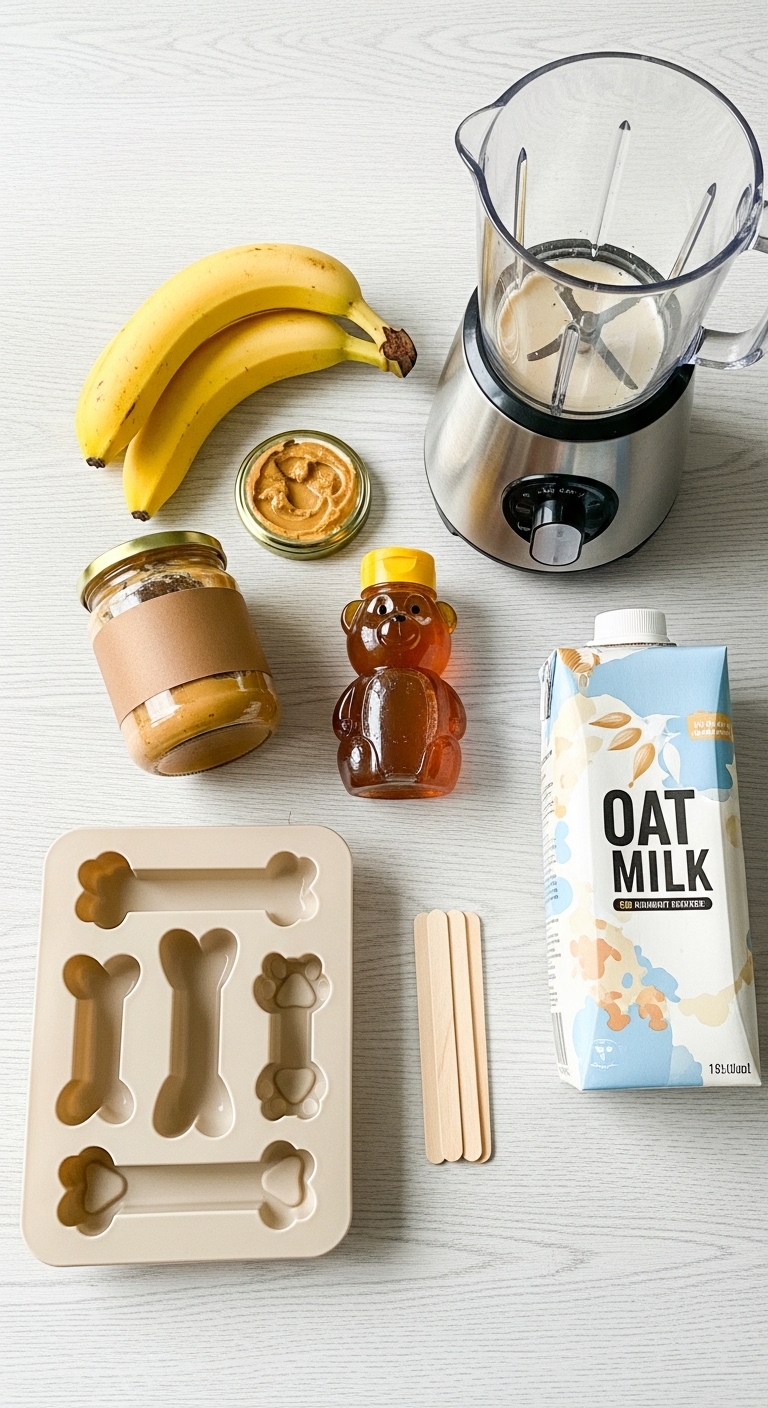
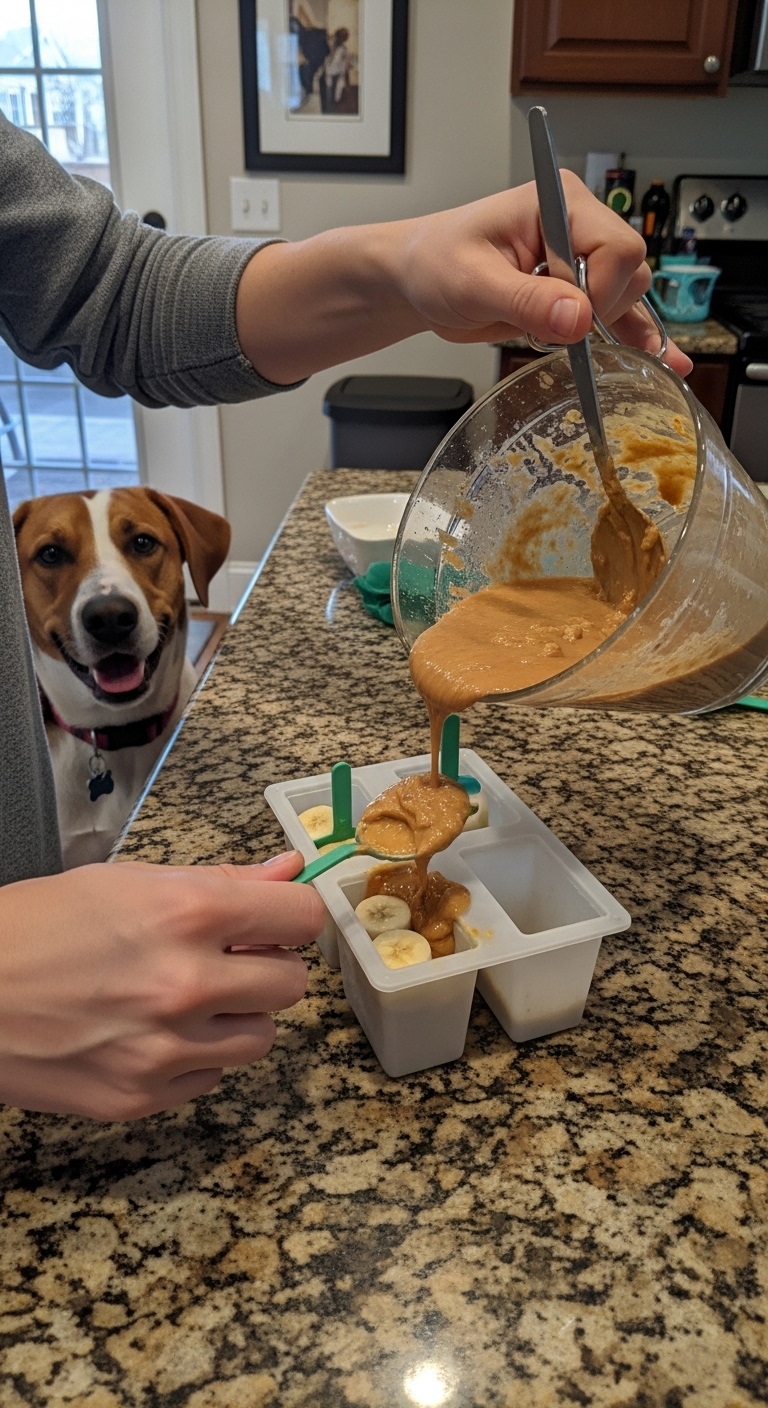
I’ve made these for years, and my own dog—a picky eater—goes wild for the peanut butter-banana version. The key is keeping the portions small at first to test how your dog’s stomach handles the cold treat, especially if they’re not used to dairy or new ingredients.
Key Things to Understand
- Plain yogurt is safer than milk for most dogs: because it’s lower in lactose which can cause digestive upset
- Peanut butter must be xylitol-free: as this sweetener is toxic to dogs even in tiny amounts
- Fruits like blueberries and watermelon are safe: but avoid grapes, raisins, and citrus which are harmful
- Ice cube trays work for small dogs: while silicone molds or paper cups are better for larger breeds
- Introduce one new ingredient at a time: to monitor for allergies or stomach sensitivity
- Frozen treats should never replace water: but can supplement hydration on hot days
- Dogs with diabetes or weight issues need low-sugar recipes: like plain chicken broth pops
What to Look For
When making dog popsicles, focus on texture and temperature tolerance. Dogs with sensitive teeth or older dogs may struggle with rock-hard frozen treats, so consider adding a splash of water or broth to soften them slightly before serving. Watch how your dog licks the popsicle—if they’re nibbling cautiously, it might be too cold. For ingredients, always check labels: even "natural" peanut butter can contain added salt or sugar that isn’t ideal. Freshness matters too; use ripe bananas or overripe fruit that’s soft enough to blend smoothly without fibrous bits that could pose a choking hazard.
The size of the popsicle should match your dog’s breed. A Chihuahua only needs a couple of small ice cubes worth, while a Labrador can handle a full cup-sized treat. If you’re using molds, avoid sharp edges or deep shapes that could make it hard for your dog to lick safely. And don’t forget to supervise the first few times—some dogs get overenthusiastic and might try to swallow large chunks.
I once made the mistake of giving my dog a popsicle right after a long walk on a hot day. Big error—cold treats can cause stomach cramps if your dog is already overheated. Now I wait at least 20 minutes after exercise. Also, if your dog isn’t interested, try rubbing a little peanut butter on the rim of the mold before freezing to entice them.
Best Ingredients for Dog Popsicles
Start with a liquid base like low-sodium chicken broth, coconut water, or plain yogurt thinned with water. For flavor, mashed banana, pureed pumpkin, or a spoonful of peanut butter work well. Blueberries, diced apple (no seeds), and shredded carrot add texture and nutrients. Avoid onions, garlic, macadamia nuts, and chocolate at all costs. If your dog is on a raw diet, you can blend raw goat’s milk with bits of organ meat for a protein boost. The simpler the recipe, the easier it is to digest—think two or three ingredients max.
Portion Control and Serving Tips
A common mistake is making popsicles too large. Even big dogs should have treats in moderation to prevent weight gain. For small dogs, one or two ice cube-sized popsicles per day is plenty. Medium to large breeds can have up to half a cup total, split into two servings. Always let the popsicle sit at room temperature for 2–3 minutes before giving it to your dog to prevent brain freeze. If your dog is a fast eater, place the treat in their bowl or on a lick mat to slow them down.
Creative Variations to Try
For a "pupsicle" with crunch, mix kibble into the liquid before freezing—it turns into a fun, textured snack. In summer, blend watermelon (seedless) with a little coconut milk for a refreshing option. Dogs with joint pain benefit from popsicles made with bone broth and a dash of turmeric (anti-inflammatory). If your dog loves to chew, freeze broth in a Kong toy with a few treats inside for a long-lasting challenge.
Homemade dog popsicles are a refreshing, customizable way to keep your pup happy and healthy in warm weather. Always prioritize safety and moderation for the best results.
Frequently Asked Questions
- → Are homemade dog popsicles safe for all dogs?
Most homemade dog popsicles are safe for healthy dogs when made with pet-friendly ingredients. Always avoid xylitol, chocolate, grapes, raisins, and excessive salt or sugar. Consult your vet if your dog has dietary restrictions or health conditions.
- → How long do homemade dog popsicles last?
Store popsicles in an airtight container in the freezer for up to 2 weeks. For longer storage, freeze for up to 3 months. Thaw slightly before serving to make them easier for your dog to enjoy.
- → Can I use yogurt in dog popsicles?
Plain, unsweetened yogurt is generally safe for dogs and makes a great base for popsicles. Choose plain Greek yogurt for higher protein content. Avoid yogurts with artificial sweeteners or added sugars.
- → What are good fruit options for dog popsicles?
Dog-safe fruits include bananas, blueberries, strawberries, watermelon (seedless), and apples (without seeds). Always introduce new fruits gradually and in moderation to avoid digestive upset.
- → How can I make popsicles more appealing to picky eaters?
Try mixing in small amounts of your dog's regular food or favorite treats into the popsicle mixture. You can also experiment with different textures by adding chunks of fruit or kibble before freezing.
- → Are there any ingredients I should avoid in dog popsicles?
Avoid xylitol, chocolate, caffeine, grapes, raisins, macadamia nuts, onions, garlic, and excessive salt or sugar. Also steer clear of dairy if your dog is lactose intolerant, and bones or small hard pieces that could pose choking hazards.