
Dogs use their teeth every day for eating, playing, and even showing affection, yet many pet owners don’t realize how important their dog’s dental health really is. Poor oral care can lead to pain, infections, and even serious health issues that affect their overall well-being. Understanding how many teeth dogs have and how they change over time helps you spot problems early and keep their mouths healthy.
I still remember when my neighbor’s dog suddenly stopped eating kibble: turns out he had a cracked molar from chewing on ice cubes. A quick vet visit and a change in chew toys made all the difference.
Key Things to Understand
- Adult teeth: Dogs have 42 permanent teeth once they’re fully grown
- Puppy teeth: Puppies start with 28 baby teeth that fall out between 3 and 7 months
- Breed differences: Small breeds often lose teeth earlier due to crowding
- Alignment issues: Missing teeth or retained baby teeth can cause alignment problems
- Prevention: Regular teeth brushing prevents plaque buildup that leads to gum disease
- Dental chews: Dental chews help reduce tartar but shouldn’t replace brushing
What to Look For
Watch for changes in your dog’s eating habits: dropping food, chewing on one side, or suddenly preferring soft food can signal dental pain. Notice if they paw at their mouth or seem irritable when touched near the face, as these are common signs of oral discomfort. Check their gums regularly for redness, swelling, or bleeding, which often appear before more serious issues develop. Pay attention to bad breath that’s stronger than usual, as this usually means bacteria buildup in the mouth. Also observe their chewing patterns: if they avoid hard kibble or treats they used to love, it might be time for a dental checkup.
I once assumed my Chihuahua’s crooked teeth were just her breed trait until the vet pointed out they were actually retained baby teeth causing crowding. A simple extraction fixed her discomfort and prevented future dental problems. Always mention any tooth abnormalities during routine vet visits, even if your dog seems fine.
Daily Care Habits for Healthy Teeth
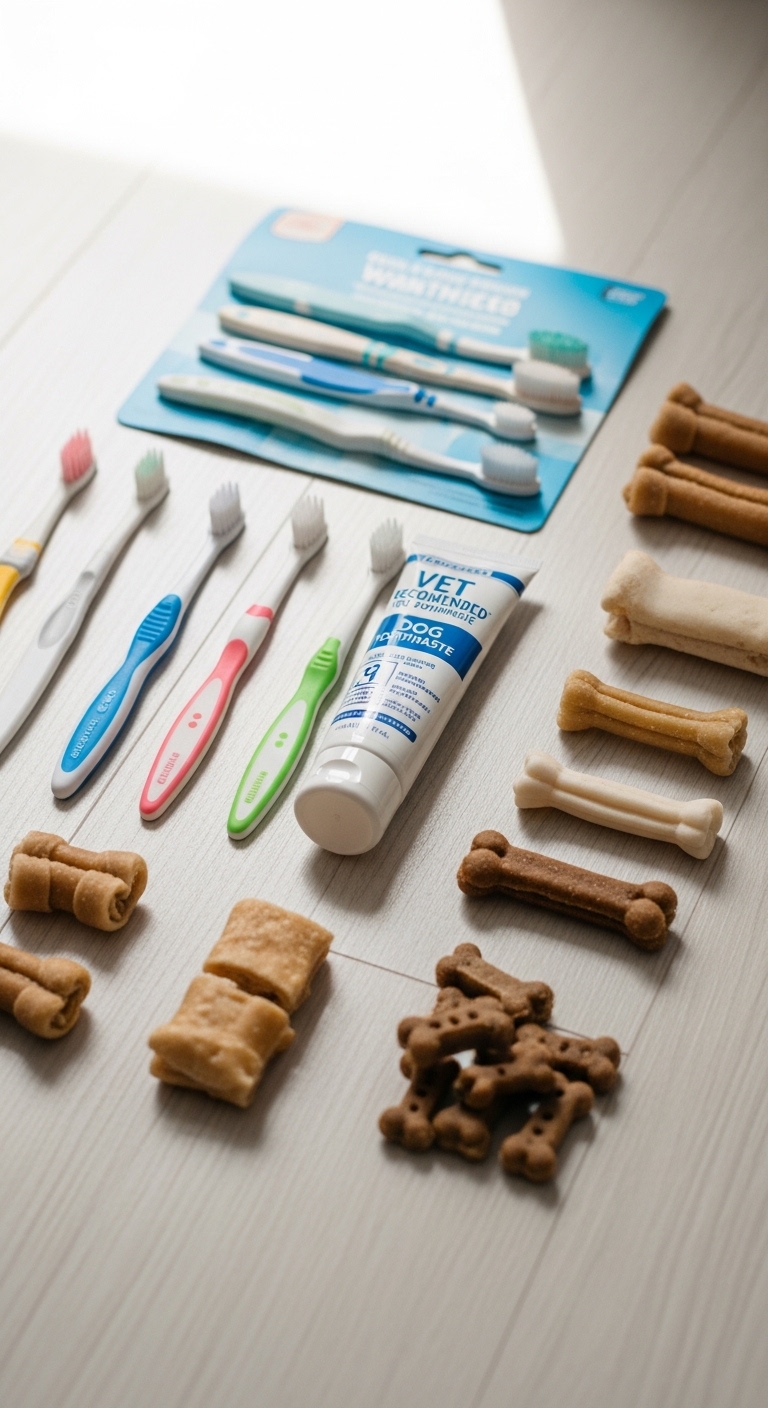
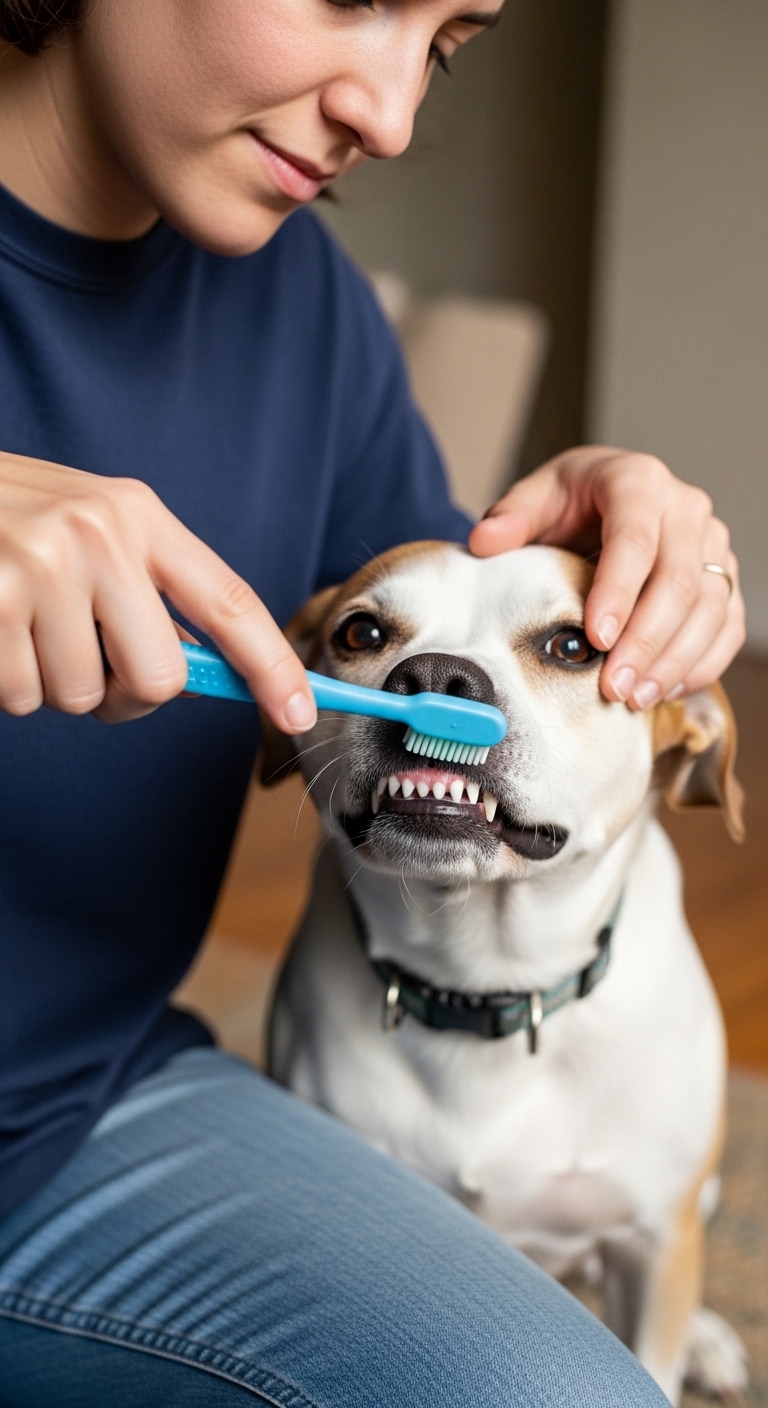
Brushing your dog’s teeth daily is the gold standard for preventing plaque and tartar buildup. Use a dog-specific toothbrush and enzymatic toothpaste: never human products, as they contain ingredients that can upset your dog’s stomach. Start slowly by letting them taste the toothpaste first, then gradually introduce the brush over several days. Even three times a week makes a noticeable difference in their oral health. Pair brushing with regular dental checkups, especially as they age when problems become more common.
Choosing the Right Chew Toys
Not all chew toys are created equal when it comes to dental health. Look for products labeled as VOHC-approved, which means they’ve been tested to reduce plaque and tartar. Avoid hard objects like antlers or bones that can crack teeth: these are better suited for occasional treats rather than daily chewing. Softer rubber toys with textured surfaces work well for most dogs, while nylon chews can help scrape away buildup. Always supervise your dog with new chew toys to ensure they’re using them safely.
Signs of Dental Problems to Never Ignore
Persistent bad breath that doesn’t improve with brushing often signals gum disease or tooth decay. Red or bleeding gums, especially when accompanied by drooling or reluctance to eat, require immediate attention. Discolored teeth or visible tartar along the gumline are clear warning signs that professional cleaning is needed. Sudden changes in appetite or favoring one side of the mouth can indicate a painful tooth or infection. Even if your dog seems fine, annual dental exams catch issues before they become serious.
Proactive dental care keeps your dog comfortable and prevents costly treatments. Small daily habits make the biggest difference in long-term oral health.
Frequently Asked Questions
- → How many teeth do adult dogs have?
Adult dogs typically have 42 permanent teeth, including incisors, canines, premolars, and molars. This full set replaces their 28 baby teeth by around 7 months of age.
- → Do dogs lose their baby teeth?
Yes, puppies lose their 28 baby teeth between 3-7 months as their adult teeth erupt. You might find tiny teeth around your home during this phase.
- → Why is dog dental care important?
Poor dental hygiene leads to plaque, tartar, and gum disease, which can cause pain, tooth loss, and even systemic health issues like heart disease. Regular brushing and vet cleanings are key.
- → Can I use human toothpaste for my dog?
No, human toothpaste contains fluoride and other ingredients toxic to dogs. Use pet-safe toothpaste and a soft-bristled brush designed for dogs to clean their teeth safely.
- → How often should I brush my dog’s teeth?
Aim for 2-3 times per week to maintain good oral health. Daily brushing is ideal but may not always be practical. Combine brushing with dental treats and vet visits for best results.
- → What are signs of dental problems in dogs?
Watch for bad breath, red or bleeding gums, drooling, difficulty eating, or brown tartar on teeth. If you notice these, schedule a vet checkup to prevent infections or tooth decay.