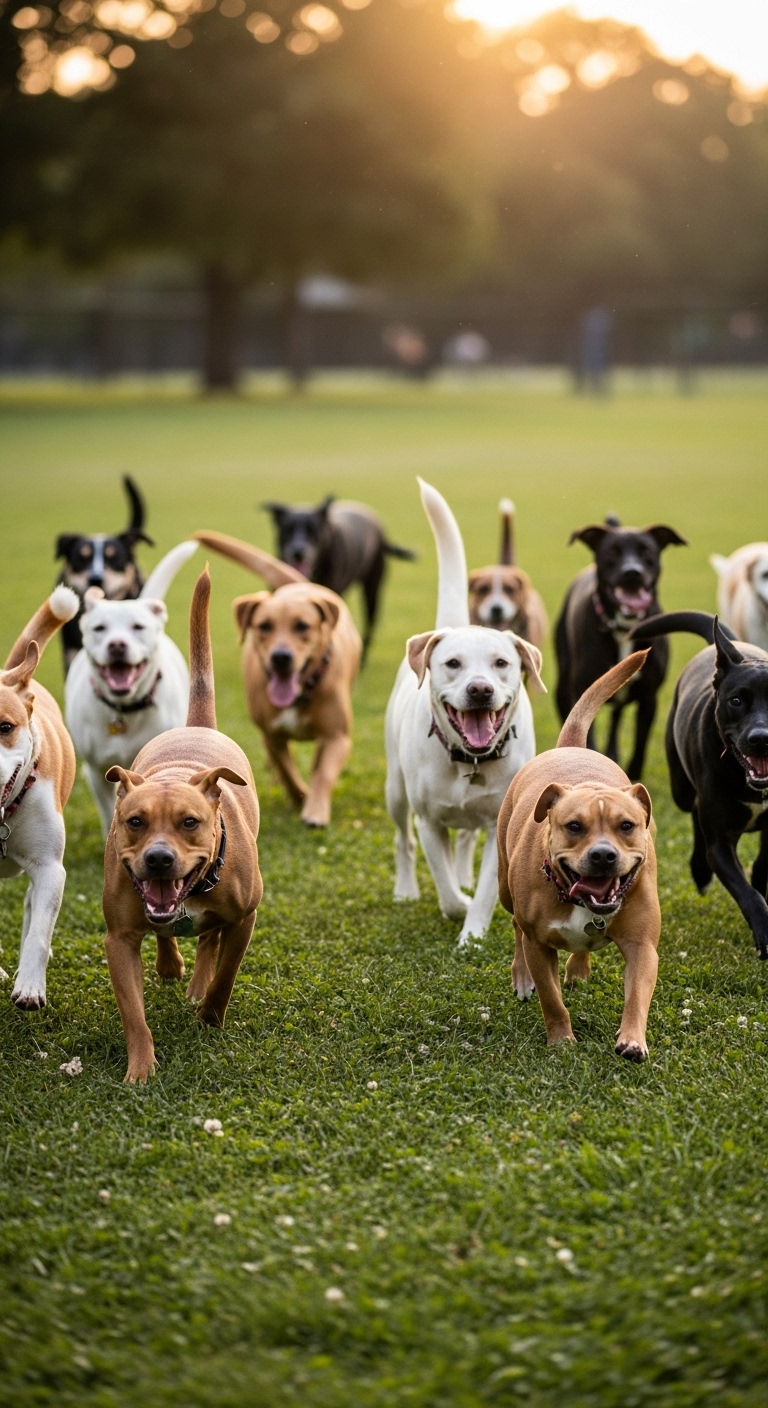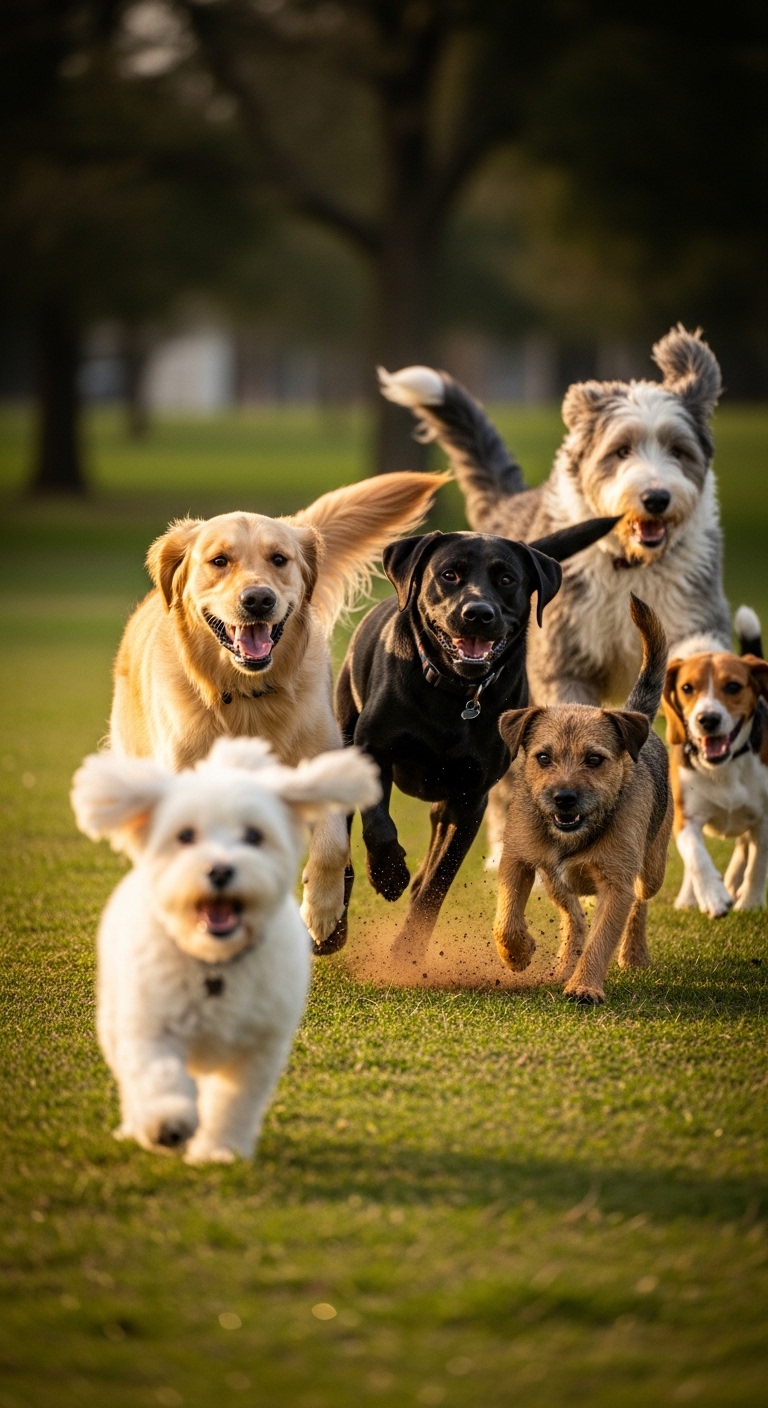
In the world of internet culture, few phrases have left as big a mark as "doge." It’s that quirky, misspelled phrase that pops up everywhere from memes to tweets, often paired with a Shiba Inu and colorful Comic Sans text. But beyond the humor, doge carries a deeper meaning tied to internet slang and how we communicate online. For anyone scrolling through social media or chatting with friends, understanding doge can help you decode inside jokes, recognize trends, and even join the conversation with confidence.
I still remember the first time I saw a doge meme: it felt like stumbling into a secret language club. The misspellings and playful tone made it feel inclusive, like everyone was in on the joke together.
Key Things to Understand
- Origin: Doge originated as an intentional misspelling of "dog" to add a playful, exaggerated tone
- Visual mascot: The phrase is often associated with the Shiba Inu breed, which became its visual mascot
- Language style: Doge memes typically use broken English phrases like "wow," "such," "very," and "much" to mimic a cute or naive voice
- Spread: The term spread widely on forums like Reddit and social platforms like Twitter before becoming a mainstream internet symbol
- Cultural shift: It represents a shift in online communication where humor and absurdity take center stage
What to Look For
When you see doge in action, pay attention to the visual style: usually a Shiba Inu with Comic Sans text in bright colors. The phrases are short, repetitive, and exaggerated, like "so scare" or "very happy." This isn’t just random text; it’s a deliberate style meant to sound cute and naive, almost like a child’s voice or a pet trying to talk. The humor comes from the contrast between the simple language and the complex internet culture behind it. The tone is lighthearted and often self-aware, making it easy to spot in memes or social media posts. If you’re trying to use doge yourself, keep it playful and avoid overcomplicating the message. The charm lies in the simplicity and the shared understanding among internet users.
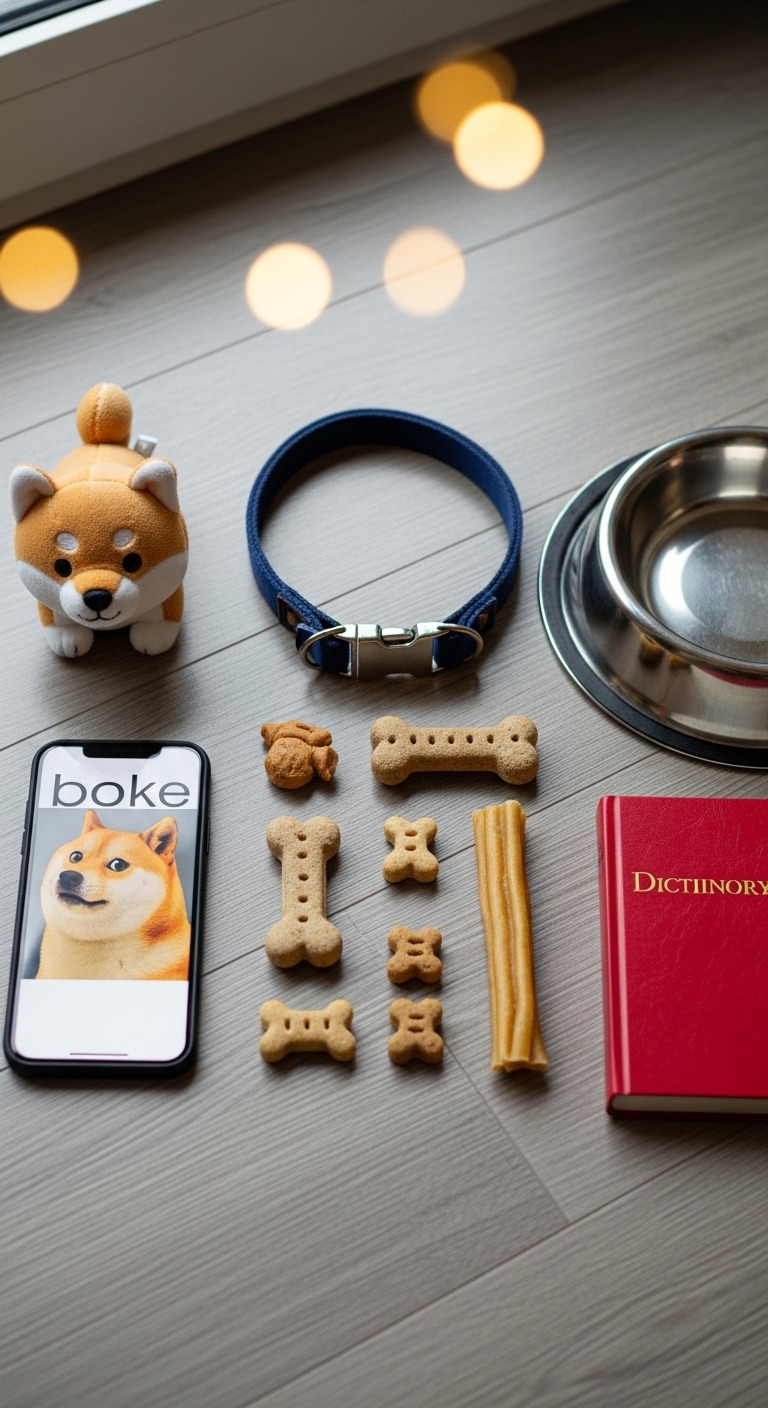
I’ve seen people use doge to lighten up serious conversations or add humor to a post. It’s a reminder that online communication doesn’t always have to be formal: sometimes, a little silliness is exactly what’s needed.
Doge in everyday use
You’ll often see doge in memes, social media captions, or even as part of marketing campaigns trying to sound fun and relatable. Brands sometimes use it to appear youthful or to tap into internet humor. If you’re creating content, using doge sparingly can make your posts feel more authentic and engaging.
How doge evolved
Originally, doge was just a silly meme format. Over time, it became a symbol of internet culture itself. It’s been referenced in pop culture, used in crypto (like Dogecoin), and even appeared in art and merchandise. This evolution shows how internet language can shape broader culture in unexpected ways.
Why spelling matters in doge
The misspellings aren’t typos: they’re intentional. They create a unique voice that’s instantly recognizable. If you try to "correct" the spelling, you lose the humor and the cultural meaning behind it. It’s a great example of how language changes when communities adopt it.

Whether you’re using doge to join an online conversation or just trying to understand the memes, remember that it’s all about fun and connection. The internet thrives on shared language.
Frequently Asked Questions
- → What is the origin of the 'doge' meme?
The 'doge' meme started in 2013 when a Japanese Shiba Inu named Kabosu became an internet sensation. The meme features the dog with colorful Comic Sans text in broken English, creating a humorous and relatable character.
- → Is 'doge' a real word?
No, 'doge' is not a real word. It originated as a misspelling of 'dog' and became a popular internet meme format.
- → Why do people love the 'doge' meme?
The 'doge' meme is beloved for its playful and endearing portrayal of dogs. It captures the quirky charm and humor that pets bring into our lives.
- → How is 'doge' used in pet culture today?
Today, 'doge' is often used affectionately to refer to dogs, especially in online communities. It has become a symbol of internet culture and pet appreciation.
- → Can I use 'doge' to describe my own dog?
Absolutely! Many pet owners use 'doge' as a fun and affectionate way to refer to their dogs, especially in social media and online interactions.
- → What breeds are commonly associated with 'doge'?
The 'doge' meme is most commonly associated with the Shiba Inu breed, but it can be used for any dog that has a similar expressive and playful personality.