
Can dogs eat avocado? It’s a question many pet owners ask when their pup gives those big, hopeful eyes at the creamy green fruit. While avocados are packed with healthy fats and vitamins for humans, their safety for dogs isn’t as straightforward. The truth is, avocados can be risky for dogs due to a compound called persin, which is found in the fruit’s skin, pit, and leaves. Even small amounts might cause stomach upset or worse in sensitive pups. But before you panic the next time your dog sneaks a bite, there’s more to consider like how much avocado is too much and which parts are the most dangerous.
I’ve seen firsthand how confusing pet food trends can be: once, a friend swore avocado was a superfood for dogs until her pup got sick from the pit. That’s why getting the facts straight matters.
Key Things to Understand
- Avocados contain persin: a compound that can be toxic to dogs in large amounts.
- The pit is the most dangerous part: because it’s a choking hazard and can cause intestinal blockages.
- Even the flesh: while less toxic, can still upset your dog’s stomach.
- Small breeds and puppies: are at higher risk for complications.
- Some dogs may tolerate tiny amounts: of avocado flesh without issues, but it’s not worth the risk.
What to Look For
Pay attention to how your dog reacts after eating avocado. Signs of trouble include vomiting, diarrhea, or lethargy within a few hours. If your dog swallows the pit, watch for choking, drooling, or difficulty breathing. The pit’s size and shape make it a serious obstruction risk, especially for smaller dogs. Even if your dog seems fine after a small bite, monitor them closely for any changes in appetite or energy levels.
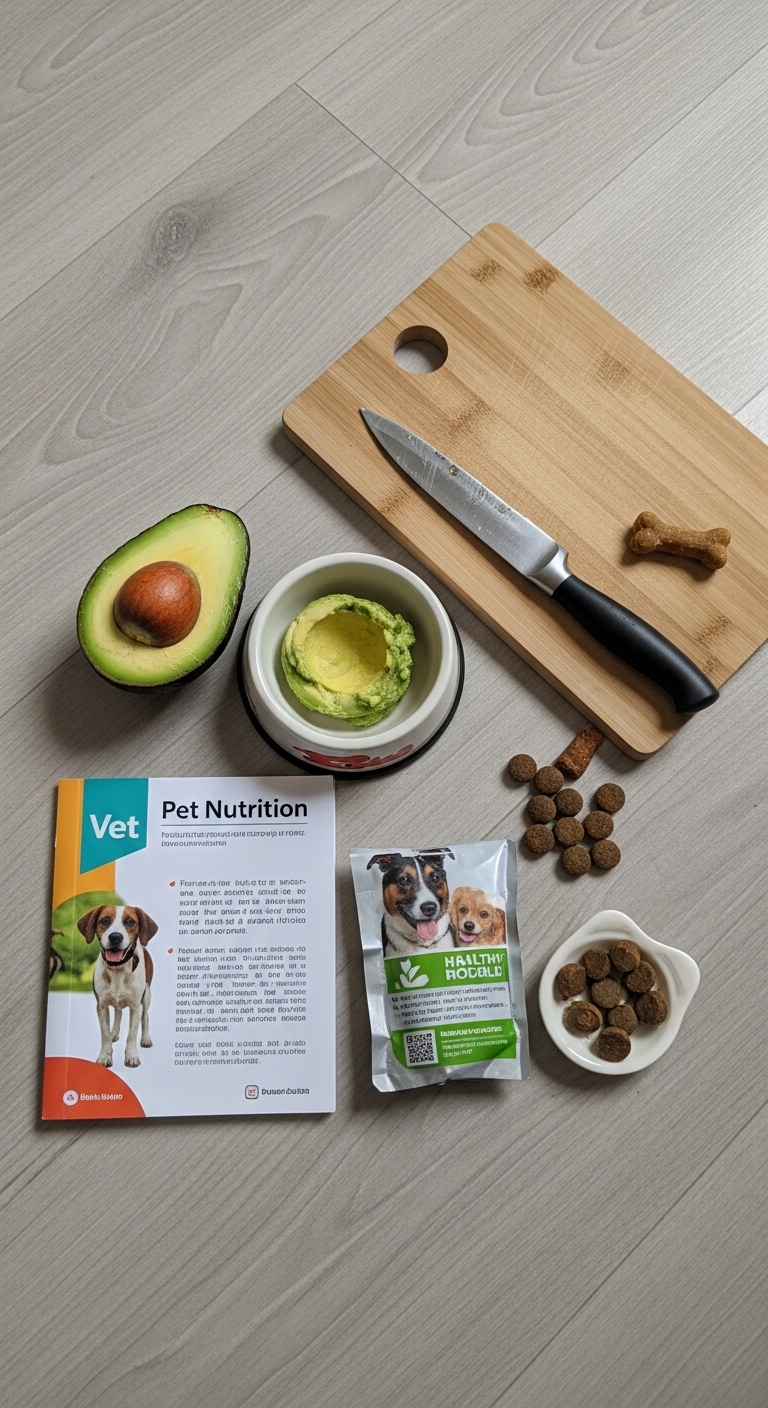
I once had a client whose dog ate an entire avocado, pit and all. Luckily, they acted fast and the vet was able to remove the pit safely. It’s a reminder that even well-meaning pet owners can overlook the risks.
Safer Alternatives to Avocado
If you want to share a healthy snack with your dog, try plain cooked chicken, carrots, or apple slices instead. These options are packed with nutrients and won’t pose the same risks as avocado. Always introduce new foods slowly to avoid upsetting your dog’s stomach.
How to Respond if Your Dog Eats Avocado
First, stay calm and assess the situation. If your dog only ate a small amount of flesh, monitor them for signs of distress. If they consumed the pit or a large amount, contact your vet immediately. Keep the avocado packaging handy in case you need to share details about the amount ingested.
Signs of Avocado Toxicity in Dogs
Watch for vomiting, diarrhea, or excessive drooling within 12 hours of ingestion. Lethargy, loss of appetite, or difficulty breathing could indicate a more serious issue, like an obstruction. If you notice any of these symptoms, don’t wait: call your vet right away.
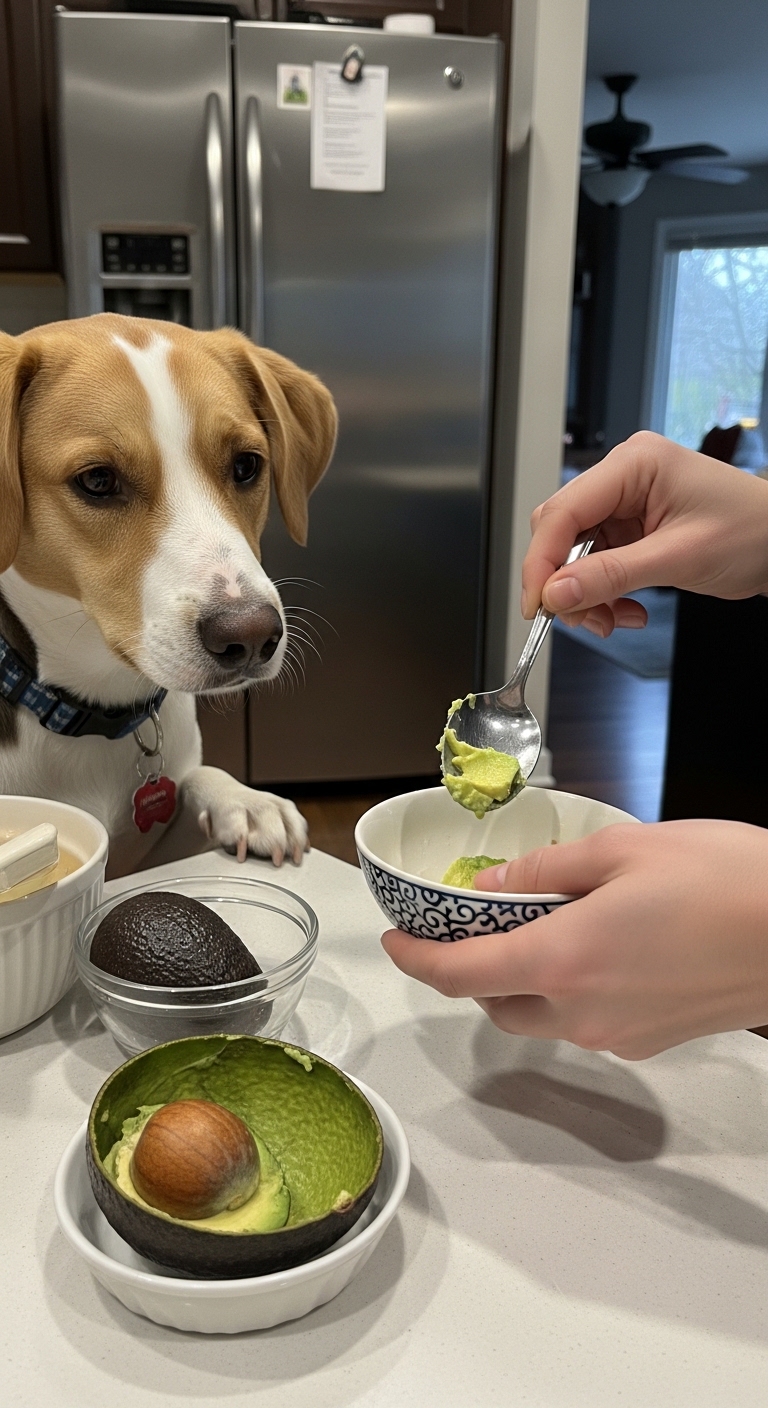
Avocados may be a healthy snack for humans, but they’re not worth the risk for dogs. Always prioritize your pup’s safety by choosing safer alternatives.
Frequently Asked Questions
- → Is avocado toxic to dogs?
Avocado contains persin, which can be toxic to some animals, including dogs. While small amounts of ripe avocado flesh may not harm most dogs, the pit, skin, and leaves pose higher risks. Monitor your dog for symptoms like vomiting or diarrhea if they ingest avocado.
- → Can dogs eat avocado pits?
No, avocado pits are a major choking hazard and can cause intestinal blockages. The pit is hard and difficult to digest, posing serious risks to your dog's health. Always keep avocado pits out of reach.
- → What are the symptoms of avocado poisoning in dogs?
Symptoms may include vomiting, diarrhea, lethargy, or loss of appetite. In severe cases, ingestion of large amounts or the pit can lead to pancreatitis due to the high fat content. Contact your vet if you notice any concerning signs.
- → Are there safe alternatives to avocado for dogs?
Yes, dog-safe fruits include blueberries, apples (without seeds), bananas, and watermelon (seedless). These options provide nutrients without the risks associated with avocado. Always introduce new foods in small amounts to avoid digestive issues.
- → How much avocado can a dog safely eat?
If your vet approves, feed only a tiny amount of ripe avocado flesh (about a teaspoon for small dogs or a tablespoon for larger breeds). Remove all skin, pit, and leaves. Start with a small portion and monitor for any adverse reactions before offering more.
- → Can avocado cause pancreatitis in dogs?
The high fat content in avocado can trigger pancreatitis in some dogs, especially those prone to the condition. Symptoms include vomiting, abdominal pain, and lethargy. If your dog has a history of pancreatitis, avoid feeding avocado entirely.