 Pin
Pin
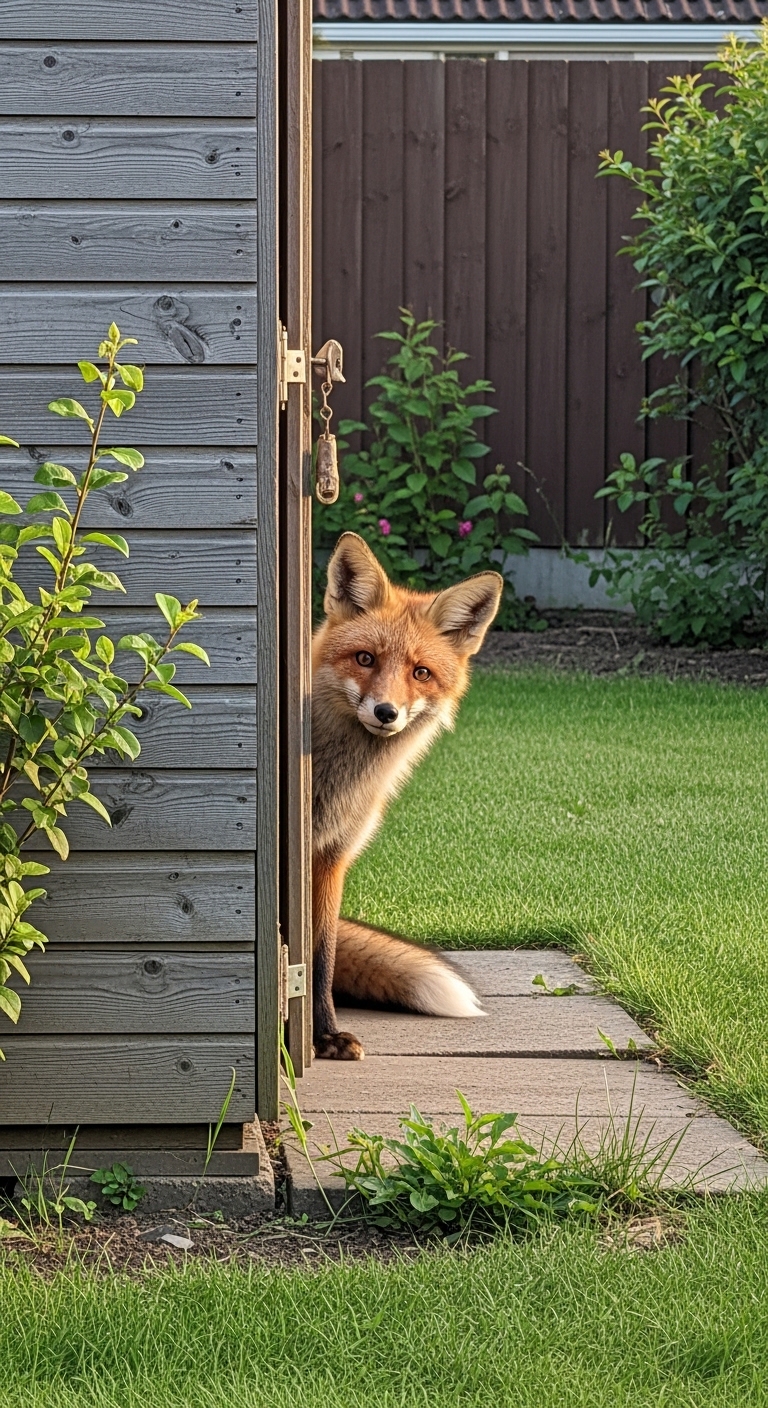
Understanding the connection between foxes and dogs is crucial for pet owners and animal enthusiasts alike. This topic sheds light on the fascinating similarities and differences between these two canids, influencing how we perceive and care for our pets. Recognizing their behaviors, needs, and genetics can enrich the relationship we have with our domestic dogs while fostering a greater appreciation for wildlife.
As a pet owner, learning about the origins and behaviors of your dog can improve training and bonding experiences. It also opens up new conversations about the natural world and our pets' place within it.
Key Things to Understand
- Foxes and dogs share a common ancestor: which influences their behavior and adaptability
- Both species display complex social structures: and communication methods
- Understanding the differences in temperament: can help in training and care
- Foxes are generally more independent: and less domesticated compared to dogs
What to Look For
When assessing your dog's behavior, notice their communication cues and social interactions. Comparing these traits with those of foxes can reveal insights into their instincts and needs. Pay attention to your dog's reactions to new environments or situations, as this can indicate their level of comfort and adaptability. Also, consider their grooming habits and feeding preferences, which can reflect their wild ancestry and instincts.
Establishing a daily routine that mirrors natural instincts can be beneficial for your dog. This includes regular exercise, play, and mental stimulation to keep them engaged and happy. Observing how foxes interact with their environment can inspire new activities that align with your dog's natural behaviors.
Daily Care Habits
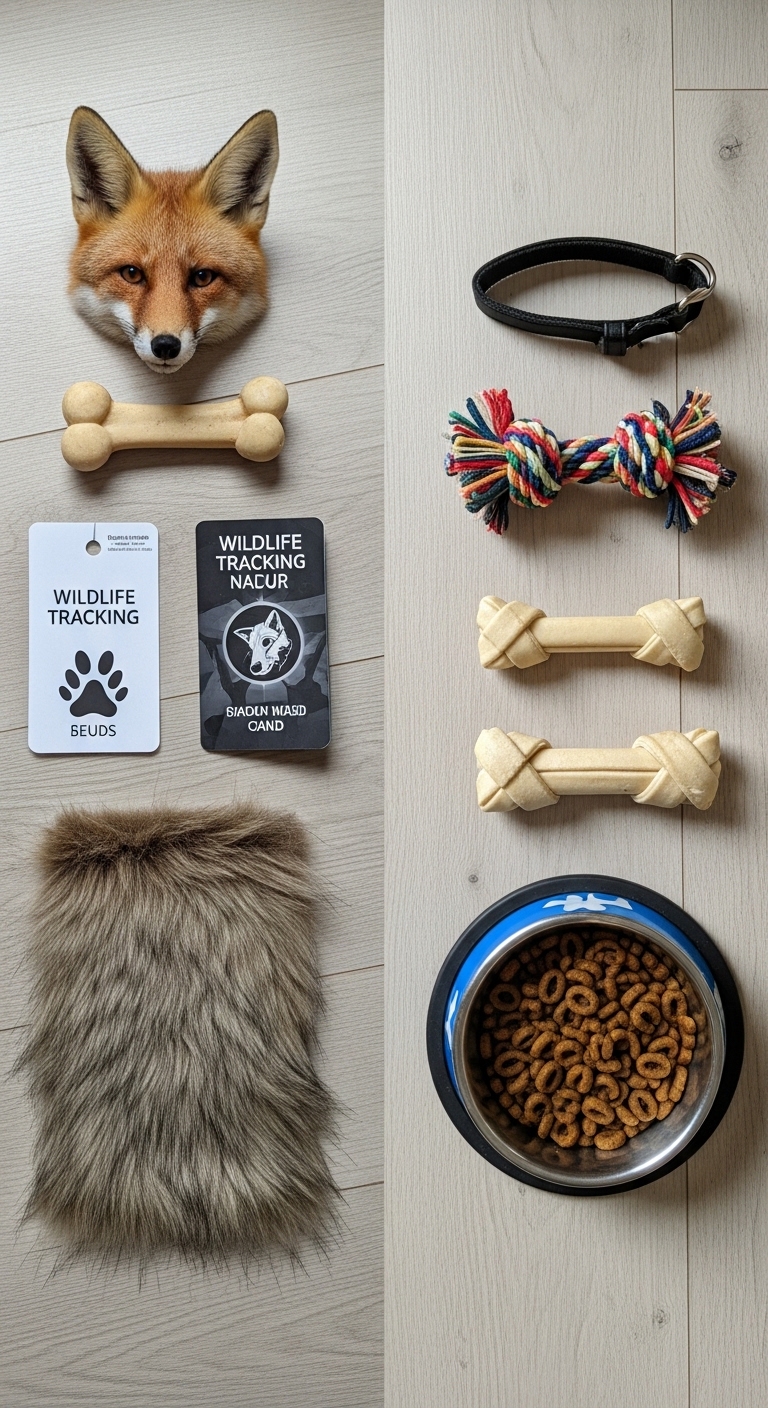
Selecting the appropriate food and supplies for your dog can significantly impact their health and happiness. Look for products that cater to their specific breed and size, and consider their nutritional needs based on their activity level. Understanding the differences between wild fox diets and domestic dog diets can help guide your choices.
Choosing the Right Product
Creating a safe environment is paramount for any pet owner. Make sure your home is free from hazards that could harm your dog. Additionally, provide a comfortable space that allows them to retreat when they feel overwhelmed, similar to how foxes create dens in the wild.
Safety and Comfort
Many pet owners overlook the importance of socialization and training early on. Failing to address these aspects can lead to behavioral issues later in life. Learning from the wild social structures of foxes may offer insights into effective training and socializing methods for your dog.
Common Mistakes to Avoid

Understanding the bond between foxes and dogs enhances your pet care approach and fosters a deeper appreciation for both domestic and wild canids.
Frequently Asked Questions
- → Can foxes be domesticated like dogs?
While some foxes can be tamed, true domestication requires generations of selective breeding, which dogs have undergone. Pet foxes may bond with humans but retain wild instincts and behaviors.
- → What are the main dietary differences between foxes and dogs?
Dogs are omnivores and thrive on commercial pet food, while foxes are primarily carnivorous, needing a diet rich in raw meat, bones, and occasional fruits or vegetables. Feeding a fox like a dog can lead to health issues.
- → Do foxes and dogs have similar lifespans?
No, dogs generally live 10-13 years depending on breed, while foxes in the wild average 2-5 years due to predators and harsh conditions. Captive foxes may live longer but still shorter than most dogs.
- → How do their social structures compare?
Dogs are pack animals with strong social bonds, while foxes are solitary hunters with loose family groups. This affects their training needs—dogs respond well to group dynamics, while foxes prefer independence.
- → Are foxes legal to keep as pets?
Laws vary by region. In many places, keeping a fox as a pet requires special permits due to their wild nature. Always check local regulations before considering a fox as a companion animal.
- → Can foxes and dogs interbreed?
No, foxes and dogs cannot produce offspring together. Their genetic differences prevent successful reproduction, despite sharing a family classification.