
 Pin
Pin
Understanding whether dogs can eat green apples is essential for every pet owner. These fruits can be a healthy snack option, but it's important to know how they fit into your dog's diet. Being informed about what foods are safe and beneficial can help you make better choices for your furry friend, ensuring their health and happiness.
Being mindful of what we feed our pets not only contributes to their physical health but also enhances the bond we share with them. Sharing a snack can be a delightful experience for both you and your dog, provided it's done safely.
Key Things to Understand
- Green apples are generally safe for dogs to eat in moderation: They provide vitamins A and C as well as fiber which can benefit your dog's digestive health.
- Always remove the seeds and core: They can be harmful to dogs.
- Introduce any new food gradually: Monitor your dog's reaction.
What to Look For
When considering adding green apples to your dog's diet, observe their reactions closely. Look for any signs of allergies such as itching or gastrointestinal upset. Pay attention to how they respond to the texture and flavor of the apple, as some dogs may prefer them sliced or pureed. Always check for freshness and avoid any apples that show signs of spoilage or mold. Additionally, monitor their overall health and energy levels after trying new foods to ensure they are adjusting well.
A common mistake many owners make is assuming all fruits are safe for dogs. It's crucial to remember that while many fruits can be healthy, some contain substances that are harmful to pets. Always do your research and consult with a vet when in doubt.
Daily Care Habits
Incorporating green apples into your dog’s daily routine can be simple. Use small apple slices as training treats or mix them into their regular food for added nutrition. Just be sure to adjust their overall food intake accordingly to prevent overfeeding.
Choosing the Right Product
When selecting apples for your dog, choose organic if possible, as they are less likely to have pesticide residues. Always wash the apples thoroughly to remove any dirt or chemicals. Look for firm apples that are free from bruises or blemishes, ensuring that you are feeding your dog fresh fruit.
Safety and Comfort
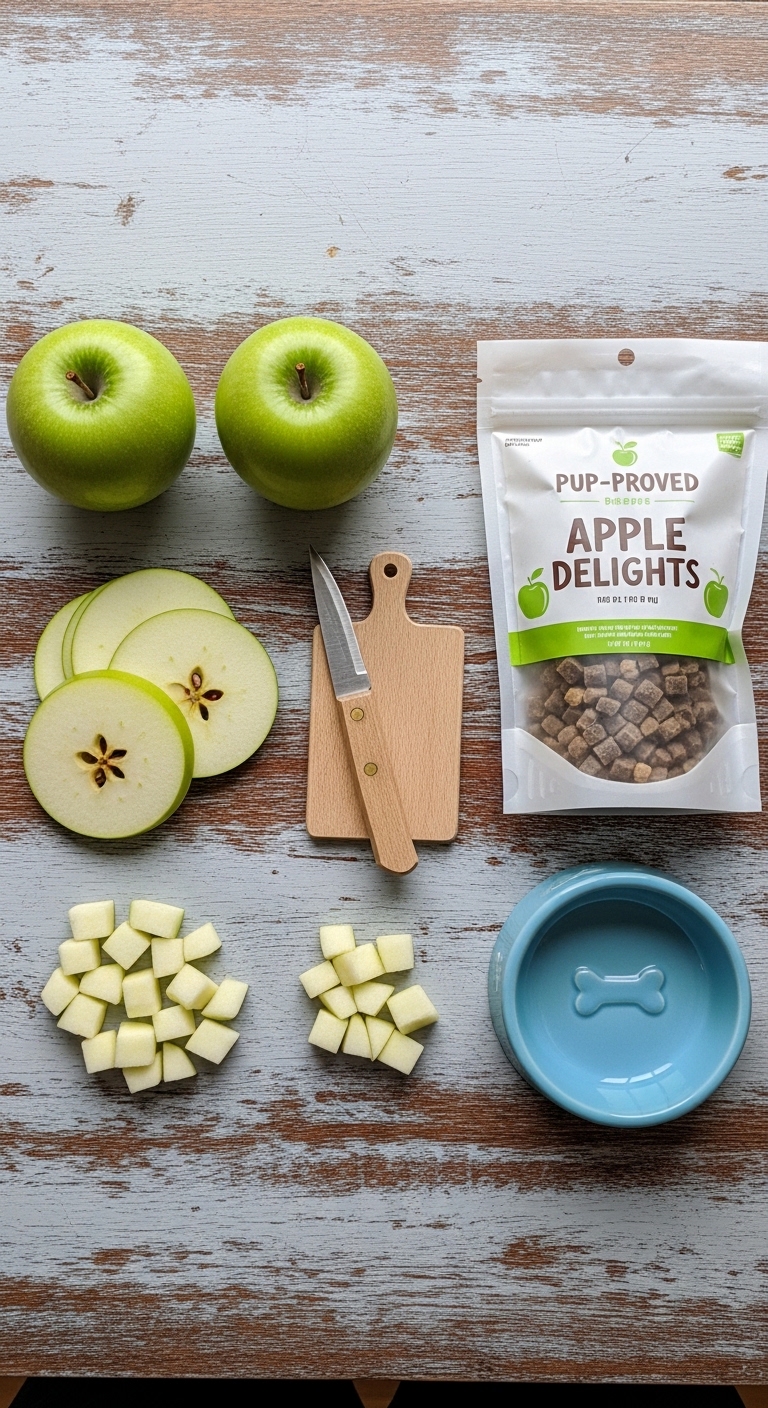
Ensure that any apple slices you offer are appropriately sized to prevent choking. Keep an eye on your dog during snack time to ensure they are chewing properly and not trying to gulp down large pieces. Proper preparation can help make this fruit a safe and enjoyable treat.

In conclusion, green apples can be a healthy treat for your dog when given in moderation and with careful preparation. Always prioritize your pet's health and well-being.
Frequently Asked Questions
- → Are green apples safe for all dogs?
Most dogs can safely eat green apples in moderation, but always introduce new foods slowly. Dogs with diabetes, obesity, or sensitive stomachs should consult a vet first. Avoid giving apples to dogs with known allergies to fruits in the Rosaceae family.
- → How much green apple can I give my dog?
Start with a few small pieces (about 1-2 teaspoons) and observe your dog’s reaction. For larger dogs, up to a quarter of an apple per day is generally safe. Always remove seeds, core, and stems before serving.
- → Can puppies eat green apples?
Yes, but in very small amounts and finely chopped to prevent choking. Puppies have delicate digestive systems, so introduce apples gradually and watch for any signs of discomfort or diarrhea.
- → What are the benefits of green apples for dogs?
Green apples provide hydration, fiber for digestion, and vitamins A and C for immune support. They also contain antioxidants that may reduce inflammation. The crunchy texture can help clean teeth and freshen breath.
- → Can dogs eat apple skins?
Yes, apple skins are safe and contain most of the fiber and nutrients. However, wash the apple thoroughly to remove pesticides or wax coatings. Avoid giving your dog apples treated with chemicals or grown in contaminated soil.
- → What should I do if my dog eats an apple core?
Monitor for symptoms like vomiting, diarrhea, or lethargy, which could indicate cyanide poisoning from seeds. Contact your vet immediately if you notice any concerning signs. In most cases, a single seed ingestion is not harmful, but it’s best to prevent access to cores.