 Pin
Pin
Melon is a refreshing summer treat for humans, but pet owners often wonder if it’s safe to share with their dogs. The good news is that many types of melon can be a healthy, hydrating snack for dogs when given in moderation. Understanding which melons are safe and how to serve them properly can help you add variety to your dog’s diet without risking their health.
Many dog owners assume that if a fruit is safe for humans, it’s automatically safe for dogs, but that’s not always the case. A little knowledge goes a long way in keeping your pup happy and healthy.
Key Things to Understand
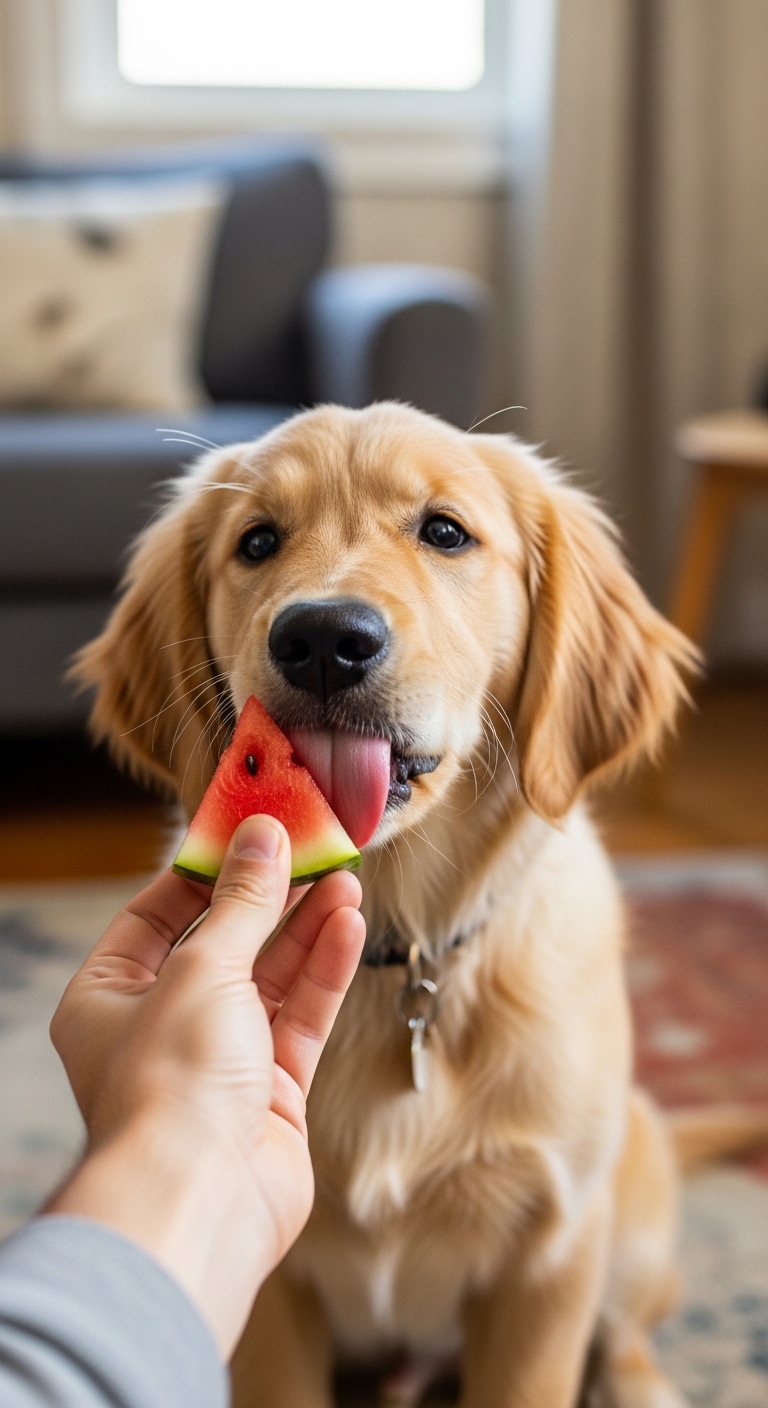
- Watermelon: is safe for dogs and rich in vitamins A, B6, and C but remove all seeds and rind first as they can cause blockages or digestive upset
- Cantaloupe: is another dog friendly melon packed with fiber and beta carotene but should be served in small pieces to prevent choking
- Honeydew: is low in calories and hydrating but its high sugar content means it should only be an occasional treat
- Avoid: giving dogs melons with added sugars, seasonings, or artificial sweeteners like xylitol which are toxic
- Always: introduce new foods slowly to monitor for allergies or stomach sensitivity
What to Look For
When offering melon to your dog, start with a small piece to see how they react. Watch for signs of digestive discomfort like vomiting or diarrhea, which could mean the fruit doesn’t agree with them. Check the melon for seeds, rinds, or any tough parts that could pose a choking hazard or cause intestinal blockages. Fresh, ripe melon is best: avoid canned or processed versions that may contain preservatives or added sugars.
For dogs with diabetes or weight issues, keep portions very small due to the natural sugars in melon. If your dog has a sensitive stomach, introduce melon gradually alongside their regular food. The texture should be soft and easy to chew, especially for smaller breeds or senior dogs.
It’s easy to get carried away when your dog begs for a taste of your snack, but moderation is key. A few small cubes of melon as an occasional treat is plenty for most dogs. If you’re unsure, consult your vet, especially if your dog has health conditions like diabetes.
Choosing the Right Melon
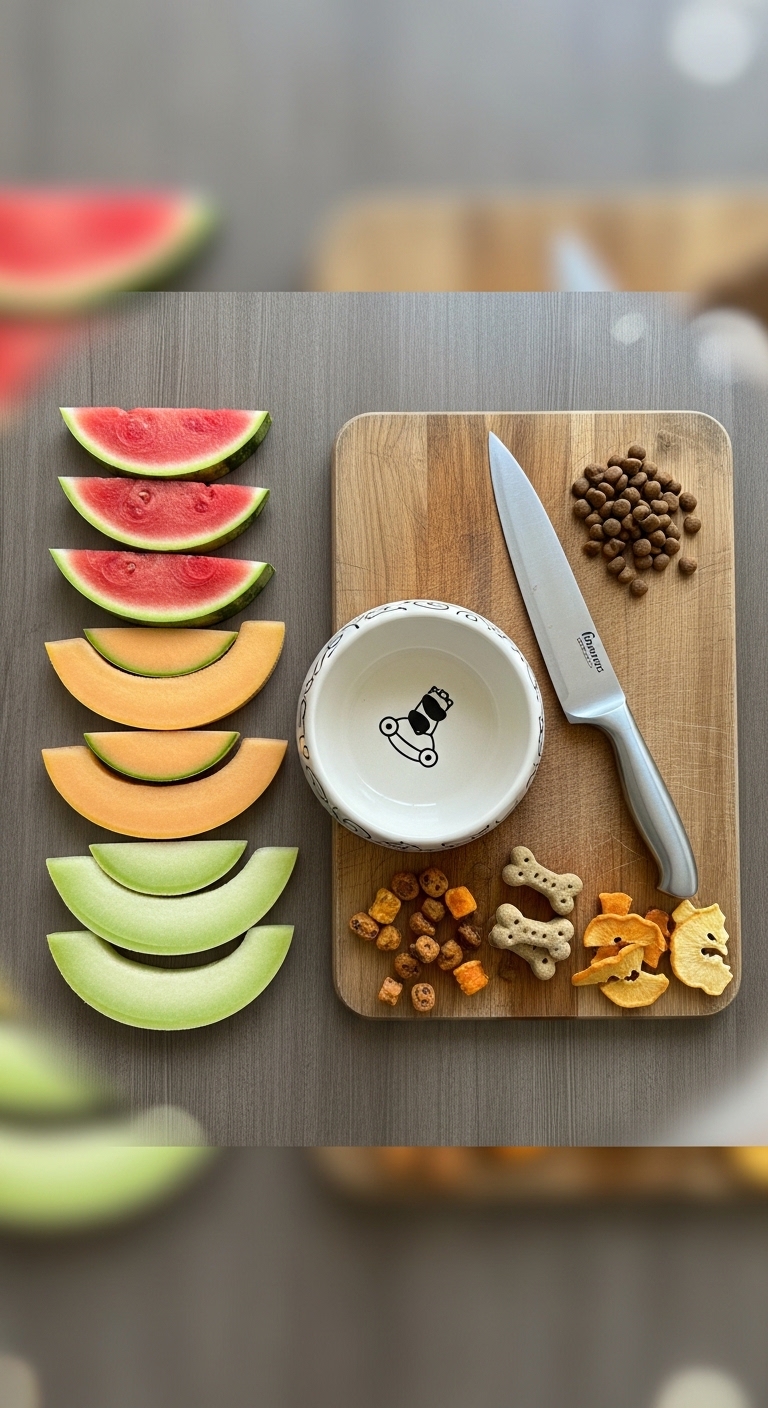
Not all melons are created equal when it comes to your dog’s diet. Stick to plain, fresh melons like watermelon, cantaloupe, or honeydew, and avoid exotic varieties unless you’ve confirmed their safety. Organic melons are ideal to reduce the risk of pesticide residue, but thorough washing is essential for any fruit you share with your pet.
Safety and Comfort
Always cut melon into bite sized pieces appropriate for your dog’s size to prevent choking. Supervise your dog the first few times they try melon to ensure they chew it properly. If your dog tends to gulp food, consider mashing the melon or blending it into a puree for easier digestion.
Common Mistakes to Avoid
One of the biggest mistakes pet owners make is assuming all parts of the melon are safe. Seeds and rinds are off limits, and even the flesh should be given in controlled amounts. Another error is offering melon too frequently, which can lead to weight gain or blood sugar spikes in some dogs.
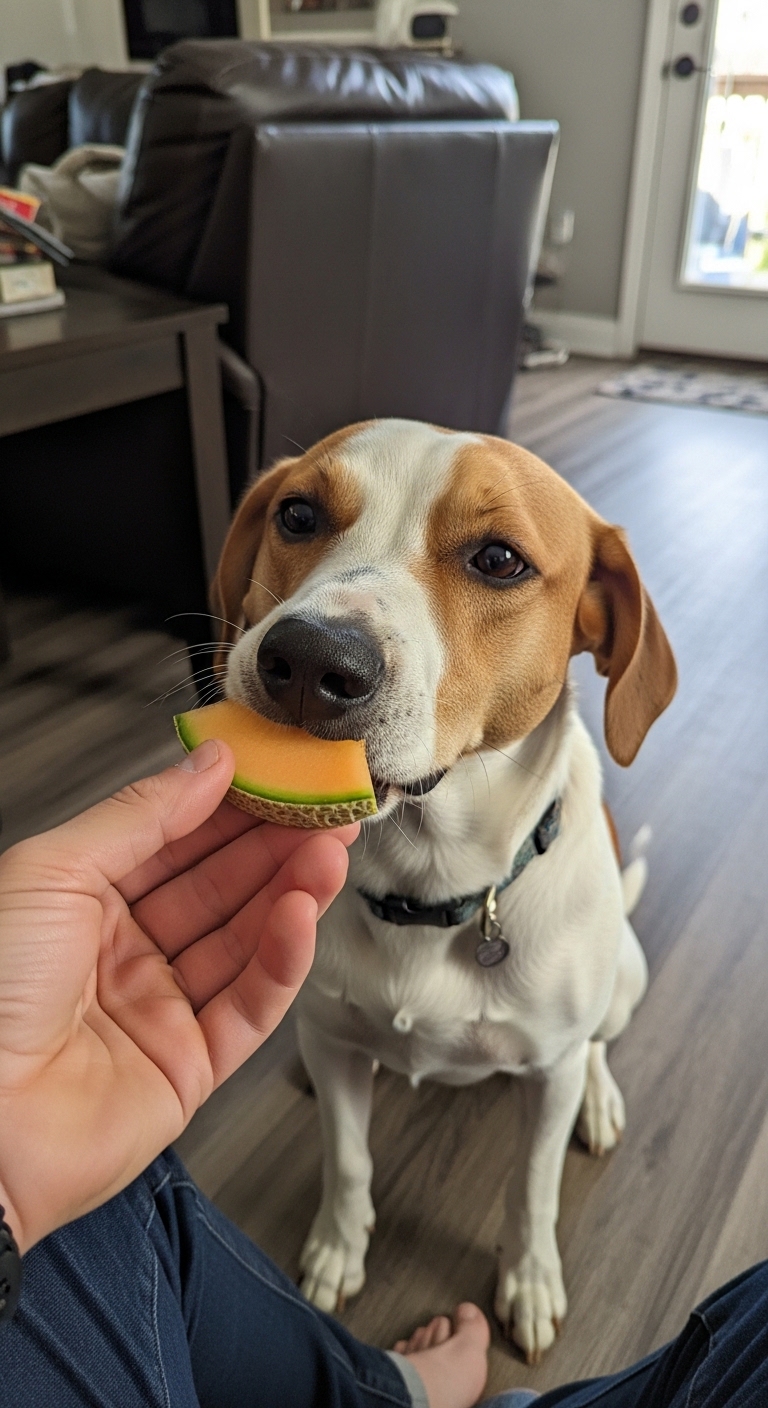
Melon is a great summer treat because of its high water content, which can help keep your dog hydrated in hot weather.
Frequently Asked Questions
- → Is melon safe for all dogs?
Most dogs can safely eat melon in moderation. However, dogs with diabetes or those prone to weight gain should avoid high-sugar fruits. Always introduce new foods slowly and watch for adverse reactions.
- → How much melon can I give my dog?
Start with small pieces, about 1-2 cubes per 10 pounds of body weight. Too much can cause stomach upset due to the natural sugars and fiber content.
- → Can dogs eat melon rinds or seeds?
No. Melon rinds are tough and difficult to digest, posing a choking hazard. Seeds can cause intestinal blockages, especially in small dogs. Always remove them before serving.
- → What are the benefits of melon for dogs?
Melon is hydrating, low in calories, and packed with vitamins A and C. It supports skin health, immune function, and provides natural hydration, especially during hot weather.
- → How should I prepare melon for my dog?
Wash the melon thoroughly, remove the rind and seeds, then cut into small, bite-sized pieces. Serve fresh or frozen as a refreshing treat. Avoid canned melon with added sugars or syrups.
- → Can puppies eat melon?
Yes, but in very small amounts. Puppies have sensitive digestive systems, so introduce melon gradually. Monitor for any signs of upset stomach or diarrhea after feeding.