
 Pin
Pin
Avocados are a popular and nutritious food for humans, but when it comes to dogs, the answer isn’t as simple. Many pet owners wonder if sharing this creamy fruit with their furry friend is safe or if it could lead to health risks. Understanding the facts can help you make the right choice for your dog’s well-being.
It’s easy to assume that what’s healthy for us is healthy for our pets, but dogs process foods differently. A small piece of avocado might seem harmless, but the risks often outweigh the benefits.
Key Things to Understand
- Persin toxicity: Persin is a compound found in avocados that can be toxic to dogs, especially in large amounts. It’s concentrated in the pit, skin, and leaves, but even the flesh can contain traces.
- Choking and blockage risk: The avocado pit poses a serious choking hazard and can cause intestinal blockages if swallowed. Its size and hardness make it dangerous for dogs of any breed.
- Symptoms of toxicity: Symptoms of avocado toxicity include vomiting, diarrhea, and difficulty breathing. These signs can appear within hours of ingestion.
- Varying tolerance: Some dogs may tolerate small amounts of avocado flesh without issues, but the risks make it a food best avoided.
What to Look For
Check your dog for signs of distress after eating avocado, such as lethargy, vomiting, or unusual stools. Even if your dog seems fine, monitor them closely for at least 24 hours. Pay attention to how much they ate and whether they had access to the pit or skin, as these parts are the most dangerous. If you suspect your dog has ingested a large amount, contact your vet immediately for guidance.
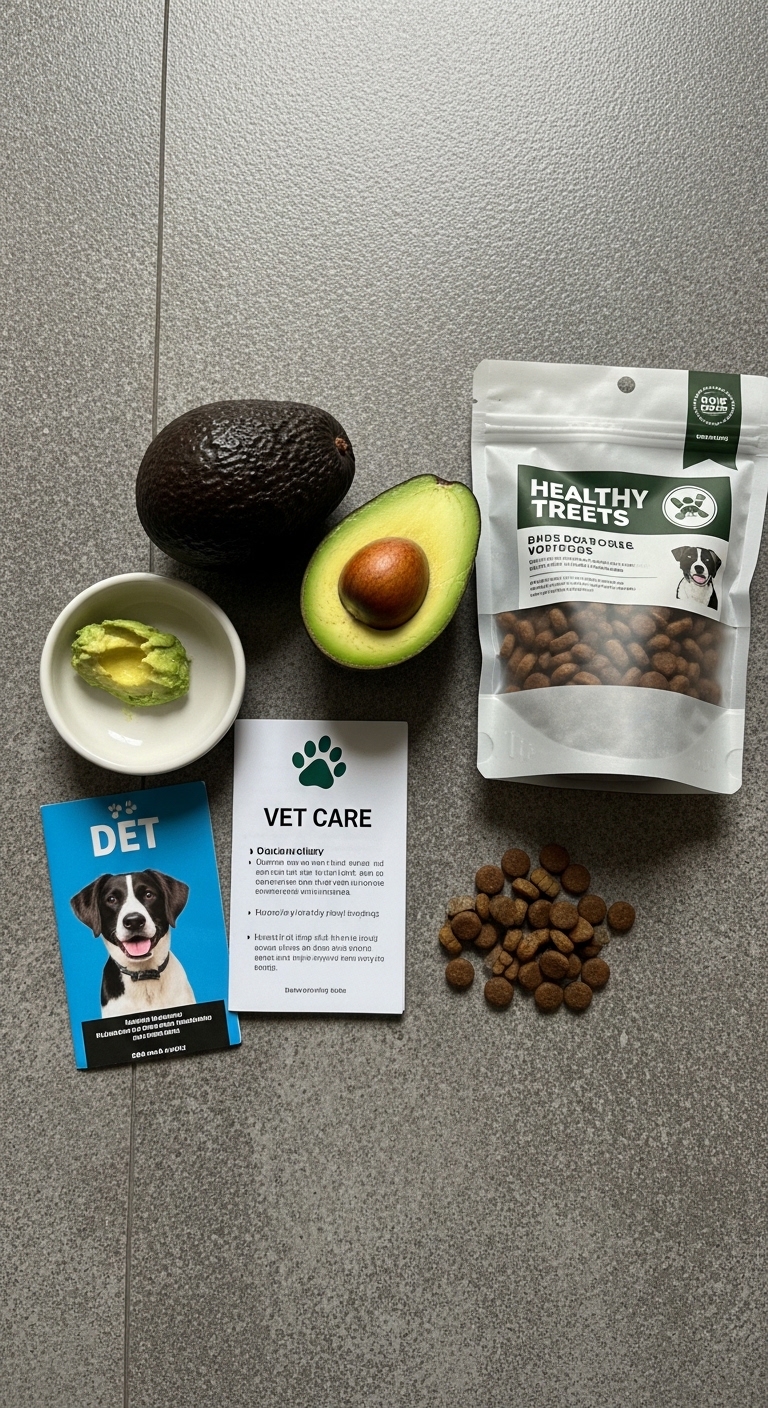
It’s tempting to share human foods with pets, but avocados are one of those foods where caution is key. Many dogs love the taste, but the potential dangers make it a risky treat. When in doubt, stick to dog-safe fruits like blueberries or apples instead.
Daily care habits
If your dog has a habit of sneaking food from the counter or trash, be extra vigilant with avocados. Keep them out of reach, including the pits, which can be especially appealing to curious pups. Training your dog to avoid human food altogether can prevent many health risks down the line.
Choosing the right product
If you’re looking for healthy fats to add to your dog’s diet, consider safer alternatives like plain, unsalted peanut butter or cooked salmon. These options provide similar nutritional benefits without the risks associated with avocados.
Safety and comfort
Always have the contact information for your vet or a pet poison hotline handy. In cases of accidental ingestion, quick action can make all the difference. Keep a first-aid kit for pets at home, including items like hydrogen peroxide (for inducing vomiting, if directed by a vet) and a pet-safe antacid.
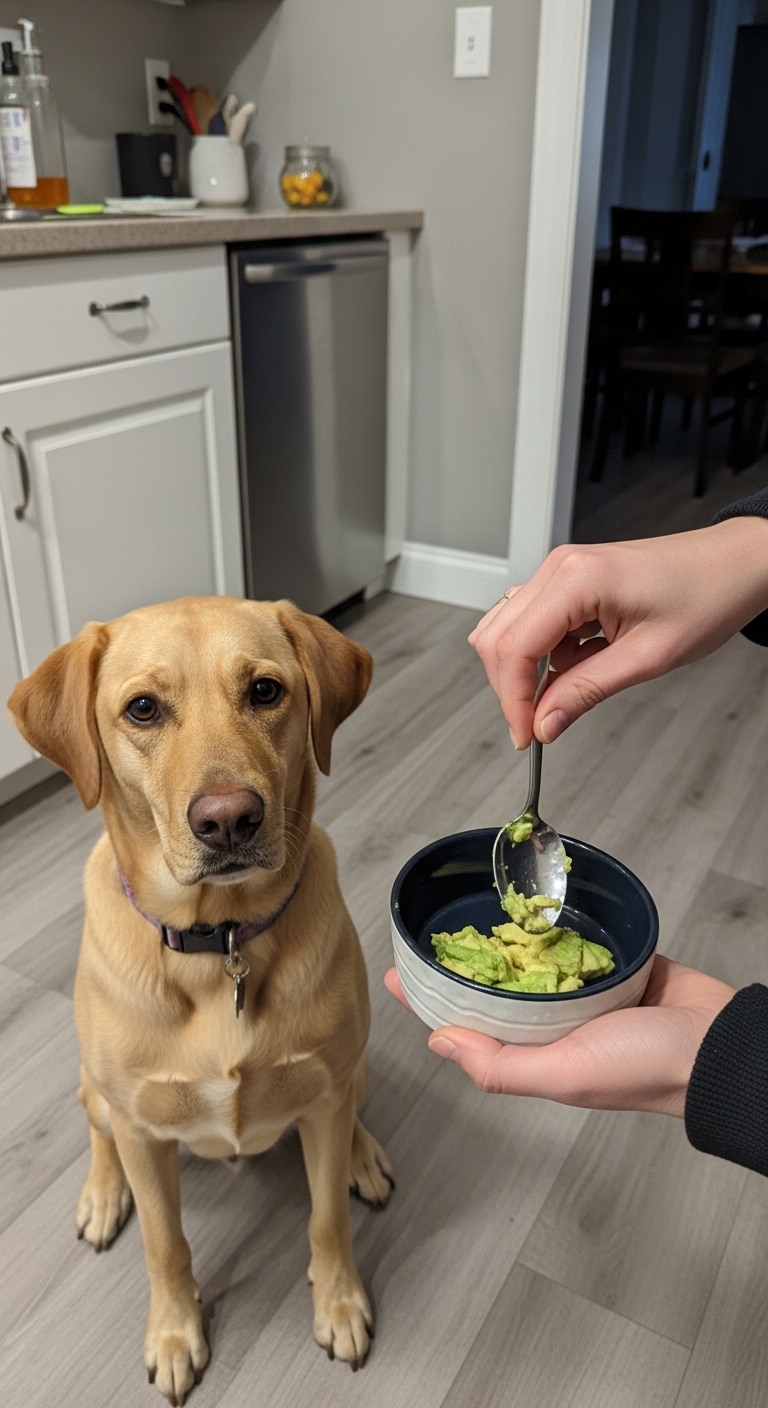
Avocados may be a healthy snack for humans, but for dogs, the risks are too great to ignore.
Frequently Asked Questions
- → Is avocado toxic to dogs?
Yes, avocados contain persin, which can be harmful to dogs. The pit is especially dangerous due to its size and choking hazard.
- → What happens if a dog eats avocado?
Symptoms may include vomiting, diarrhea, or lethargy. In severe cases, the pit can cause intestinal blockages requiring surgery.
- → Can dogs eat avocado flesh?
While the flesh contains less persin, it's still risky. Small amounts may be tolerated by some dogs, but it's safer to avoid it.
- → Are avocado pits dangerous for dogs?
Absolutely. The pit can cause choking, intestinal blockages, or even pancreatitis due to its high fat content.
- → What should I do if my dog eats avocado?
Monitor for symptoms like vomiting or diarrhea. Contact your vet immediately if you notice any concerning signs or if your dog ingested the pit.
- → Are there any dog-safe alternatives to avocado?
Yes! Safe options include plain pumpkin, apples (without seeds), or carrots. Always introduce new foods gradually and in moderation.