 Pin
Pin
Understanding what foods are safe for dogs is crucial for every pet owner. One common question that arises is whether dogs can eat salmon skin. This topic is important because it directly relates to your dog's health and diet, helping you make informed decisions that contribute to their overall wellbeing.
Many pet owners are often unsure about what human foods are appropriate for their furry friends. Knowing the safety of salmon skin can help you share tasty treats without worry.
Key Things to Understand
- Salmon skin is generally safe for dogs to eat when cooked properly
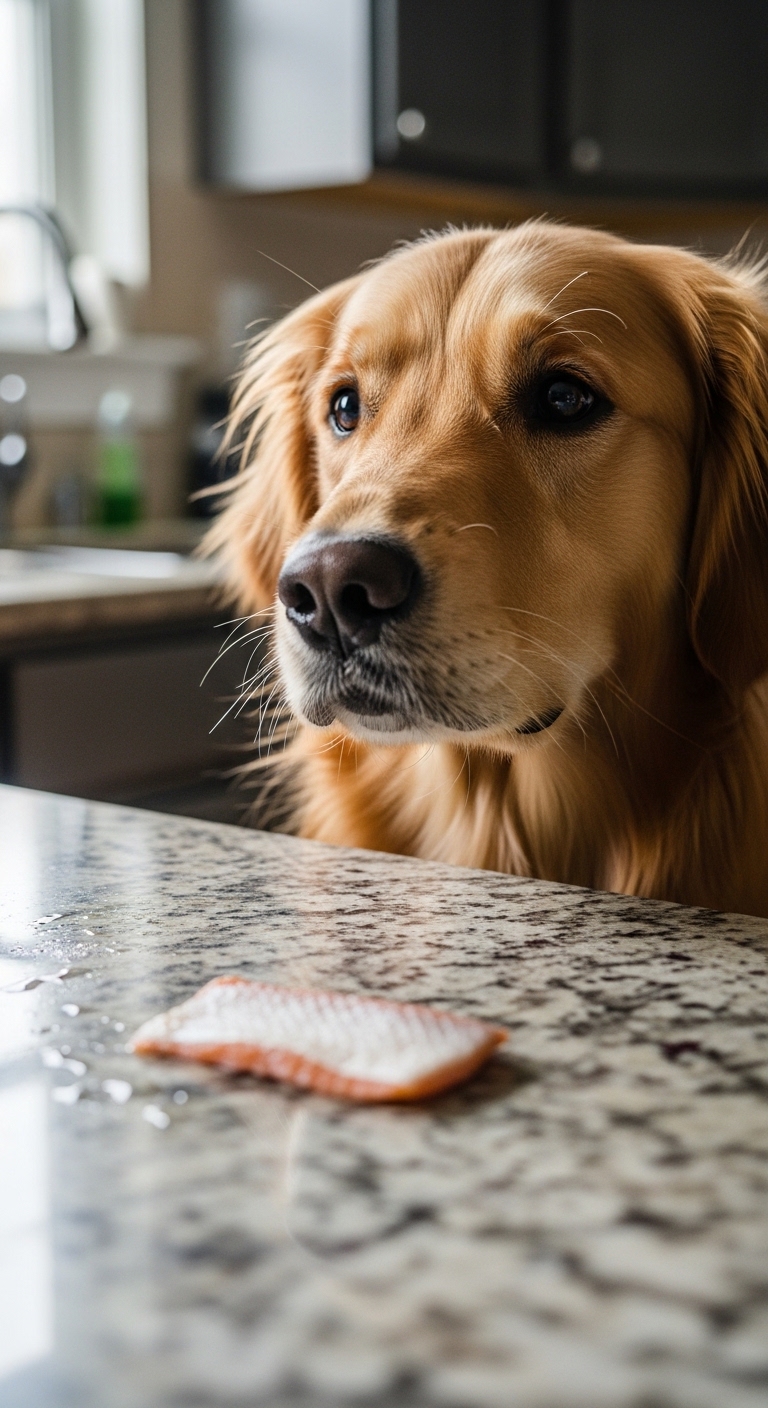
- Raw salmon skin can pose health risks due to potential parasites
- Moderation is key to avoid excessive fat intake
- Always remove bones before giving salmon skin to your dog
What to Look For
When considering feeding your dog salmon skin, observe their reaction to new foods. Look for signs of allergies or digestive issues after introducing it to their diet. Check for the freshness of the salmon skin to ensure it is free from harmful bacteria. It's also important to compare the fat content of salmon skin with other treats to maintain a balanced diet. Regularly monitor your dog's weight and activity levels to adjust their diet accordingly.
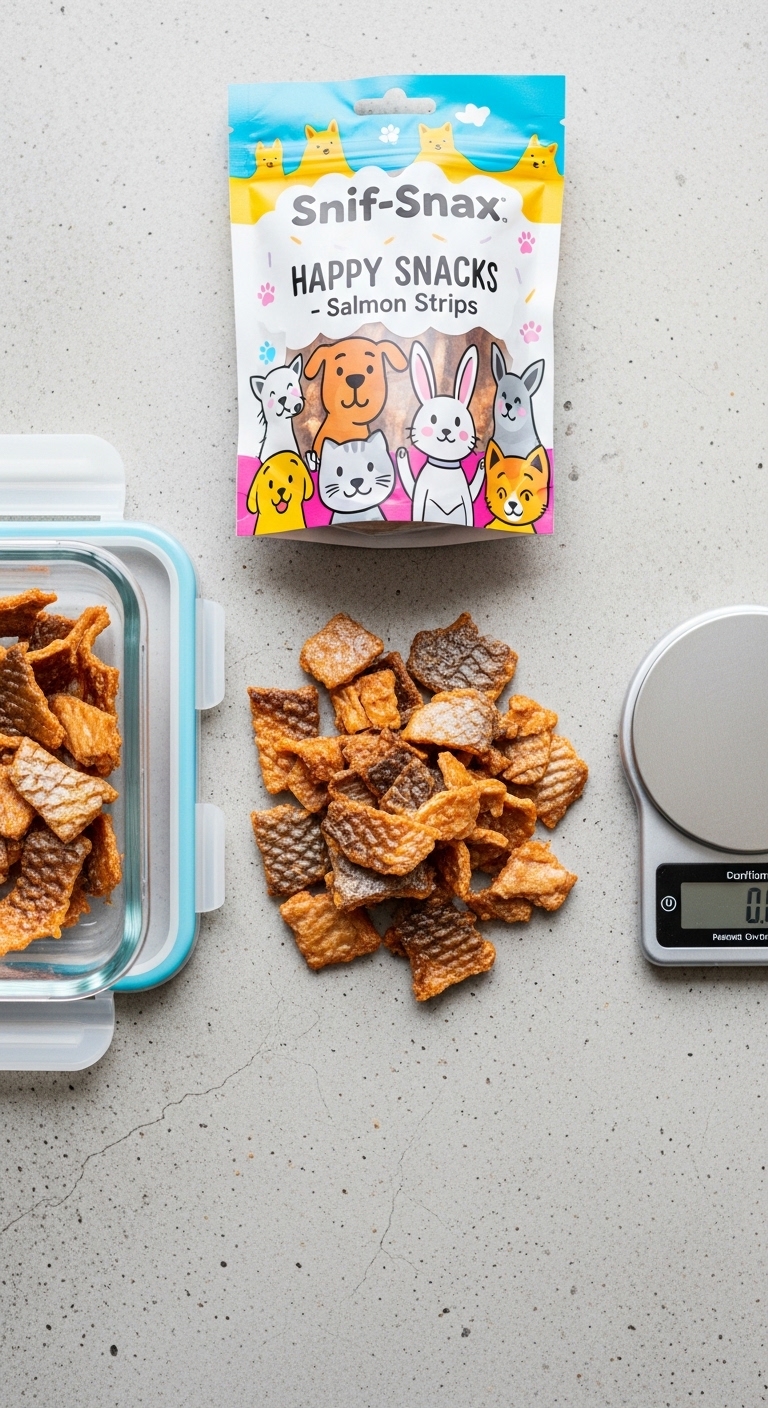
It's easy to slip up and give your dog too many treats. Always keep in mind that moderation is essential, and it's best to stick to a routine that includes a variety of foods to meet their nutritional needs.
Daily Care Habits
Maintaining a consistent feeding schedule is important for your dog's health. Ensure they have access to fresh water and monitor their food intake. Regular exercise also plays a vital role in their overall wellbeing, so plan daily walks or playtime.
Choosing the Right Product
When selecting salmon skin or any treats, look for products that are specifically made for dogs. Avoid those with added preservatives or artificial flavors. Natural options are generally better for your pet's health.
Safety and Comfort
Always ensure that the salmon skin is free of bones and thoroughly cooked. This prevents choking hazards and reduces the risk of foodborne illnesses. Provide a comfortable environment for your dog during mealtime to promote relaxed eating.
Common Mistakes to Avoid
One common mistake is giving too much salmon skin too often. This can lead to obesity or digestive issues. Avoid feeding your dog raw salmon skin, as it can carry parasites that are harmful to their health.
Cleaning and Hygiene
After feeding your dog salmon skin, ensure that their eating area is clean. Regularly wash their food and water bowls to prevent bacteria buildup. This simple step can contribute greatly to your dog's overall health.

In conclusion, understanding the safety of salmon skin can enhance your dog's diet and wellbeing.
Frequently Asked Questions
- → Is salmon skin safe for all dogs?
Most dogs can safely eat salmon skin in moderation, but those with fish allergies or sensitive stomachs should avoid it. Always introduce new foods slowly and watch for reactions like itching, vomiting, or diarrhea.
- → How should I prepare salmon skin for my dog?
Cook the skin thoroughly by baking, boiling, or steaming without oil, salt, or seasoning. Ensure it’s fully cooked to kill parasites and remove any bones before serving.
- → What are the benefits of salmon skin for dogs?
Salmon skin is packed with omega-3 fatty acids, which promote healthy skin and a shiny coat. It also provides protein for muscle maintenance and may support joint health.
- → Can puppies eat salmon skin?
Puppies can eat salmon skin in very small amounts as an occasional treat, but it should not replace their balanced puppy food. Consult your vet before introducing new foods to puppies.
- → How much salmon skin can I give my dog?
Start with a small piece (about the size of a fingernail) to test for allergies. For larger dogs, a teaspoon-sized portion is sufficient as an occasional treat. Avoid overfeeding due to high fat content.
- → What are the risks of feeding salmon skin to dogs?
Risks include choking hazards from bones, digestive upset, pancreatitis from high fat content, or allergic reactions. Always supervise your dog while they eat and remove any bones.