A dog’s way home isn’t just about the path they take: it’s about the trust and routine that make every journey feel safe. Whether it’s a daily walk or an unexpected detour, understanding how your dog navigates their world helps you create a smoother, happier life together. Small adjustments in how you guide them can prevent stress, avoid accidents, and even strengthen your bond over time.
I’ve seen dogs who used to pull constantly become relaxed walkers just by adjusting where I held the leash and how I reacted to their tugs.
Key Things to Understand
- Leash handling: Your dog’s comfort on the way home starts with how you handle the leash. A tight grip or sudden movements can make them feel tense or eager to escape
- Emotional mirroring: Dogs pick up on your emotions. If you’re rushed or frustrated, they’ll mirror that energy, making walks more stressful for both of you
- Route preferences: Not all dogs need the same route. A high-energy breed might thrive on busy streets, while a nervous dog may prefer quiet side streets
- Behavioral triggers: Pay attention to where they stop or pull. These spots often reveal hidden triggers like loud noises, other animals, or unfamiliar smells
- Consistency: Dogs feel safer when they know what to expect, so try to follow similar paths and routines
What to Look For
Watch how your dog reacts when you first clip on the leash. Do they spin in circles, whine, or freeze? These early signs can tell you if they’re excited, nervous, or overstimulated before you even step outside. A dog that hesitates at the door might be telling you they need a moment to mentally prepare, while one that bolts ahead could be eager to explore or distracted by something outside.
Notice where they naturally want to go. Some dogs have favorite spots to sniff or greet neighbors, while others avoid certain areas like alleys or construction zones. If your dog suddenly refuses to walk past a particular house or mailbox, it’s worth paying attention: it could be a past negative experience or a sensory trigger like a strong smell or sound.
Also observe their posture during the walk. A relaxed, loose body with a wagging tail usually means they’re enjoying the outing, while a stiff posture, tucked tail, or pinned ears might signal discomfort. If they keep stopping to stare at something or pull toward home, they could be telling you they’re tired, overwhelmed, or ready to go back.
I once had a dog who would lunge at every squirrel, making walks a constant battle. Switching to a front-clip harness and practicing short, positive sessions in the backyard made a huge difference. It wasn’t instant, but within a few weeks, he learned to focus on me instead of the distractions.
Daily Care Habits
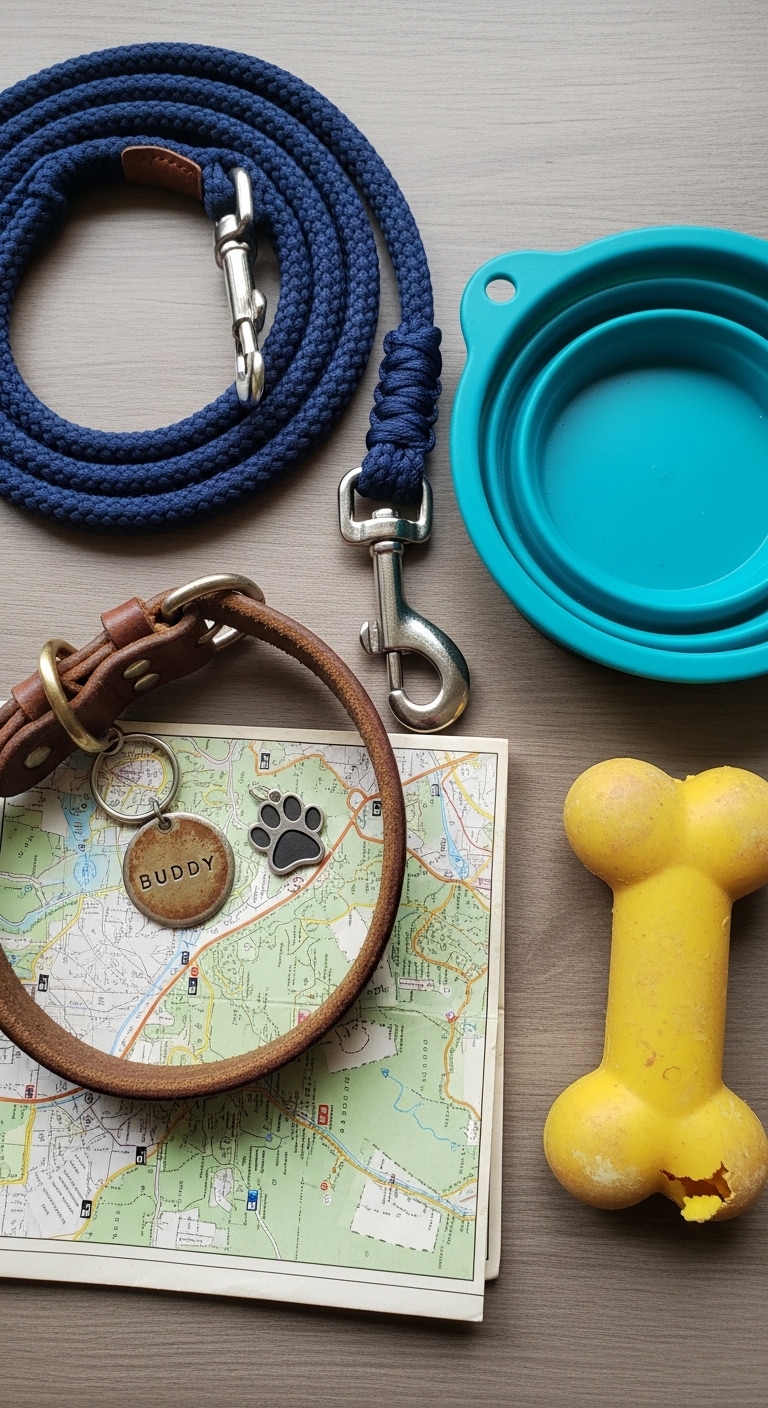
Start with short, low-pressure walks to build confidence. Even 5 minutes in the yard or around the block can help your dog adjust to being outside without feeling overwhelmed. Use a harness instead of a collar for dogs that pull. It gives you better control and reduces strain on their neck, which is especially important for breeds prone to breathing issues. Bring water on longer walks, especially in warm weather. Dogs regulate heat differently than humans, and dehydration can sneak up quickly during outings.
Seasonal Adjustments
In winter, salt and ice melt can irritate their paws, so wipe them down with a damp cloth after walks. Booties are a great investment if your dog tolerates them. Summer walks are best scheduled for early morning or late evening to avoid hot pavement, which can burn their pads. Test the ground with your hand: if it’s too hot for you, it’s too hot for them. Fall brings new smells and distractions, so be patient if your dog suddenly seems more interested in sniffing every leaf or bush. It’s their way of exploring the changing world.
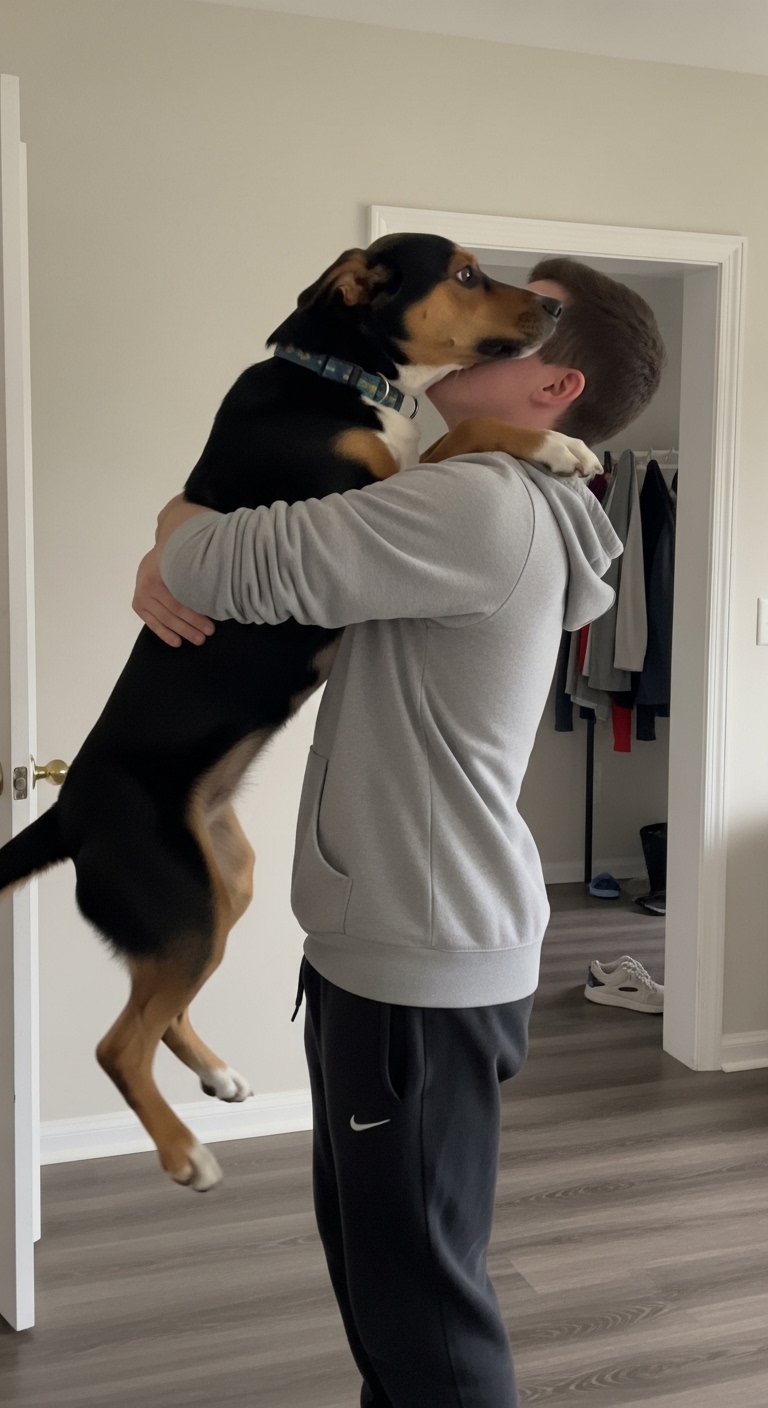
Small changes in how you approach walks can turn a stressful outing into a bonding experience. The goal isn’t perfection: it’s progress. Even if your dog only improves a little each week, those little wins add up to a happier, more confident companion.
Frequently Asked Questions
- → What should I do immediately after my dog goes missing?
Start searching nearby areas where your dog might be hiding or got distracted. Call their name and check under porches, garages, or dense bushes. Bring a familiar toy or treat to lure them out if they’re shy.
- → How can I alert my community about my lost dog?
Post on local Facebook groups, Nextdoor, or pet-specific platforms like Petco Love Lost. Include a clear photo, your dog’s name, last seen location, and your contact details. Ask neighbors to check their yards or garages.
- → Should I visit animal shelters in person?
Yes, visit shelters daily if possible, as new intakes happen frequently. Bring a recent photo and proof of ownership. Some shelters allow online searches, but in-person visits increase your chances of spotting your dog before they’re adopted.
- → What if my dog has a microchip but no collar?
Contact the microchip company to report your dog as missing and update their status. Provide your current phone number and address in case someone scans the chip. Even without a collar, shelters and vets can scan for the chip.
- → How can I prevent my dog from running away again?
Ensure your yard is securely fenced with no gaps or loose panels. Train recall commands like 'come' in a controlled environment before practicing in open areas. Consider a GPS collar for real-time tracking during walks.
- → Is it safe to leave food outside to attract my dog?
Avoid leaving food outdoors unless it’s in a secure container, as it may attract other animals or pests. Instead, use familiar scents like unwashed bedding or your worn clothing to guide your dog back home.