 Pin
Pin
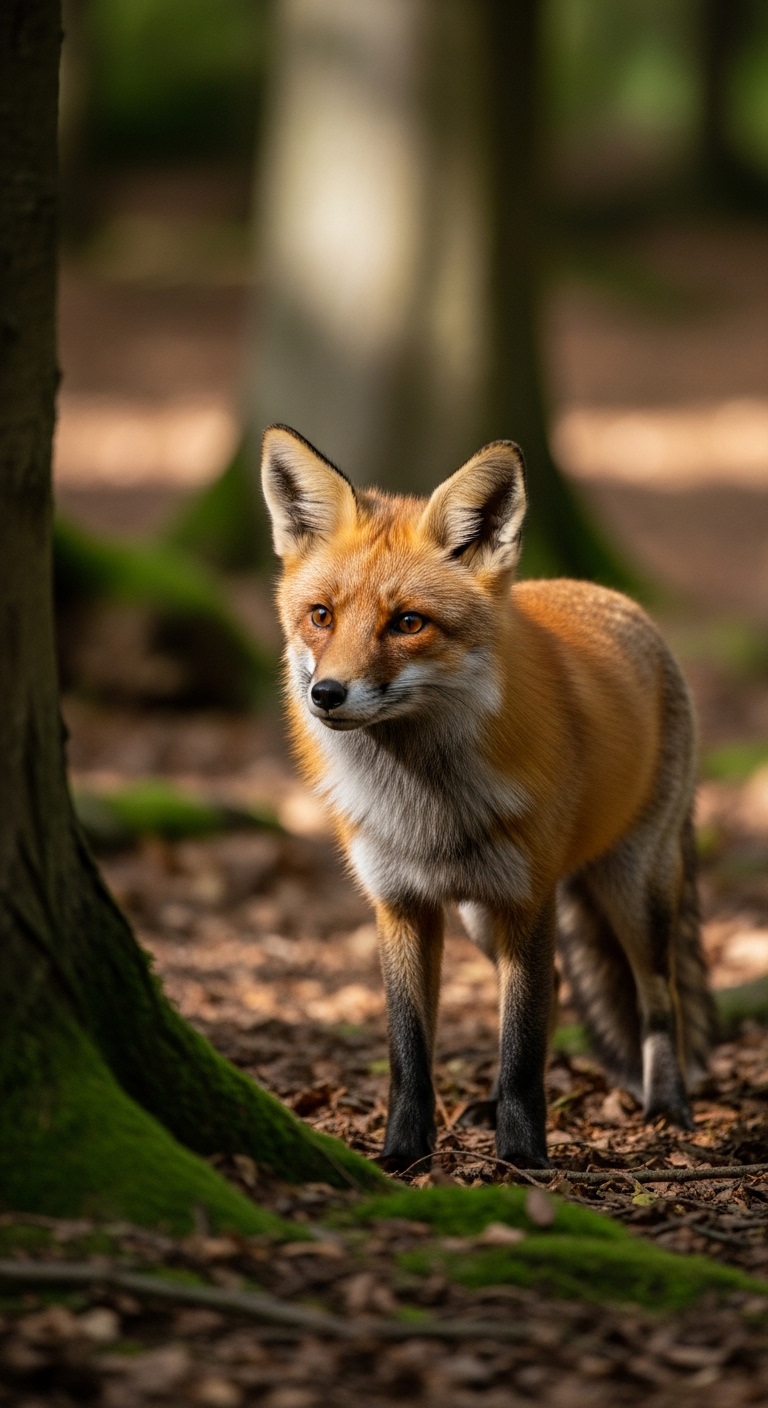
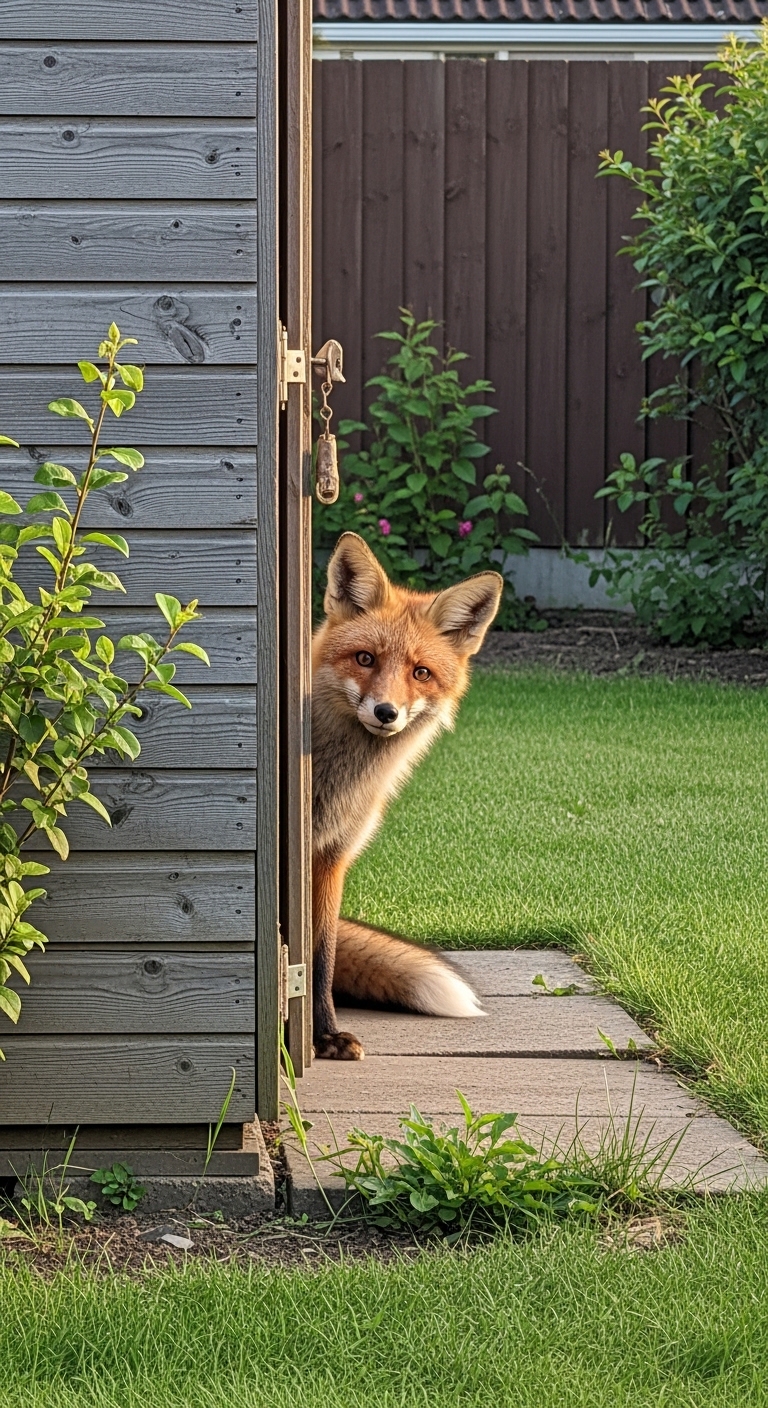
Foxes often spark curiosity about their place in the animal kingdom, especially among pet owners and wildlife enthusiasts. Understanding whether foxes belong to the dog family can deepen your appreciation for these clever creatures and even influence how you interact with them in the wild or as exotic pets.
Many people assume foxes are just small, wild dogs, but their relationship is more nuanced than that. Recognizing the similarities and differences can change how you view their instincts and social habits.
Key Things to Understand
- Canidae Family: Foxes are part of the Canidae family, which includes dogs, wolves, and coyotes
- Common Ancestor: They share a common ancestor with domestic dogs but diverged millions of years ago
- Unique Traits: Foxes have unique traits like solitary hunting and vertical pupils, unlike most dogs
- Behavioral Differences: Their behavior is often more independent and less pack oriented than wolves or dogs
- Domestication: Foxes are not directly domesticated like dogs, though some species can be tamed
What to Look For
Foxes and dogs share many physical and behavioral traits, such as similar skull structures, keen senses, and playful behaviors. However, foxes tend to be more territorial and less social than domestic dogs. Observe their body language: foxes often communicate with tail signals and ear movements, much like dogs, but their vocalizations can include high-pitched screams or barks that sound unfamiliar to dog owners. Pay attention to their hunting style, which is more solitary and stealthy compared to the cooperative hunting of wolves or some dog breeds.

While foxes and dogs share a family tree, their lifestyles and temperaments are worlds apart. A common mistake is assuming a fox will behave like a dog, which can lead to misunderstandings if someone tries to keep one as a pet. Always remember that foxes are wild animals first, and their care and behavior reflect that.
Behavior and routine support
Foxes are crepuscular, meaning they are most active during dawn and dusk. This is a key difference from many domestic dogs, which adapt to their owner’s schedules. If you’re observing foxes in the wild or considering one as an exotic pet, expect them to be most energetic during these times. Their routines revolve around hunting and marking territory, behaviors that are less pronounced in dogs.
Choosing the right product
If you’re caring for a fox or simply fascinated by them, avoid products designed for dogs without research. Foxes have different dietary needs, often requiring raw meat, insects, or fruits, while dog food may lack the variety they need. Their enclosures also require more security, as foxes are skilled escape artists compared to most dogs.
Seasonal adjustments
Foxes adapt their behavior with the seasons, growing thicker coats in winter and shedding in summer. Unlike dogs, which rely on humans for warmth, foxes are built to survive extreme temperatures. If you’re observing them in the wild, you’ll notice their activity levels and hunting patterns change with the weather.
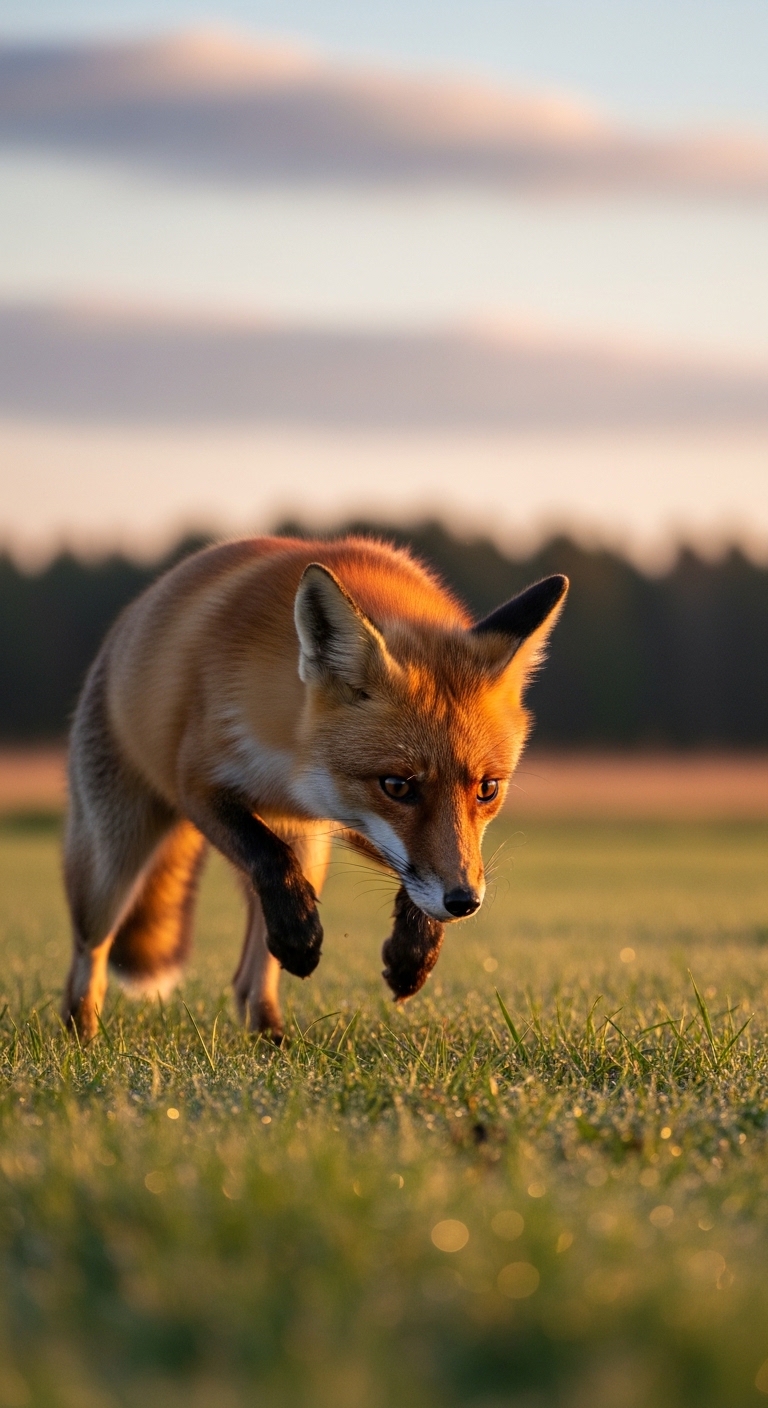
Foxes are fascinating creatures with unique needs and behaviors. Understanding their place in the Canidae family helps appreciate their wild nature.
Frequently Asked Questions
- → Are foxes closely related to dogs?
Yes, foxes are part of the Canidae family, which also includes dogs, wolves, and coyotes. They share a common ancestor but are not the same species.
- → Can foxes be kept as pets like dogs?
Some fox species, like the fennec fox, can be domesticated, but they require specialized care, legal permits, and a lot of patience due to their wild instincts.
- → What are the main differences between foxes and dogs?
Foxes are generally smaller, more solitary, and have retractable claws and better night vision. Dogs are social pack animals with a wider range of breeds and temperaments.
- → Do foxes hunt in packs like dogs?
No, foxes are solitary hunters and do not form packs. They rely on stealth and agility to catch prey rather than teamwork like wolves or dogs.
- → Are there any fox species that resemble dogs the most?
The fennec fox and the red fox have some physical similarities to dogs, such as pointed ears and bushy tails, but their behavior and biology remain distinctly wild.
- → Can foxes and dogs interbreed?
No, foxes and dogs cannot interbreed. They belong to different genera within the Canidae family, making reproduction between them impossible.