Carrots are one of those simple, everyday foods that pop up in almost every kitchen. They’re crunchy, colorful, and easy to grab as a snack, but when it comes to sharing them with your dog, it’s worth knowing if they’re actually a smart choice. Many pet owners wonder whether carrots are safe, nutritious, or even beneficial for their furry friends. The truth is, carrots can be a great addition to your dog’s diet when given the right way. They’re low in calories, packed with fiber, and contain vitamins that support overall health. Plus, chewing on a carrot can help clean your dog’s teeth naturally, which is a bonus for dental care.
I remember when my own dog first tried a carrot: she was hesitant at first, but once she got the hang of chewing it, she loved the crunch. It became a go-to reward during training sessions because it felt like a win for both of us.
Key Things to Understand
- Safety: Carrots are safe for most dogs when served in moderation
- Nutrition: They are low in calories but high in fiber, which can aid digestion
- Dental benefits: Chewing raw carrots can help reduce plaque buildup on teeth
- Choking risk: Large or whole carrots may pose a choking risk for small dogs or aggressive chewers
- Cooked vs raw: Cooked carrots are easier to digest but lose some of their crunchy texture benefits
- Moderation: Too many carrots at once can cause stomach upset due to the fiber content
What to Look For
When introducing carrots to your dog, start with small pieces to see how they handle the texture. Watch for signs of excitement or hesitation: some dogs take to them right away, while others need time to warm up. If your dog is a gulper, avoid giving whole baby carrots or thick slices, as these can get stuck in the throat. Instead, opt for thin strips or grated carrots that are easier to chew. Also, pay attention to how your dog’s stool changes after eating carrots. A little extra fiber can help with regularity, but too much might lead to softer stools or gas.
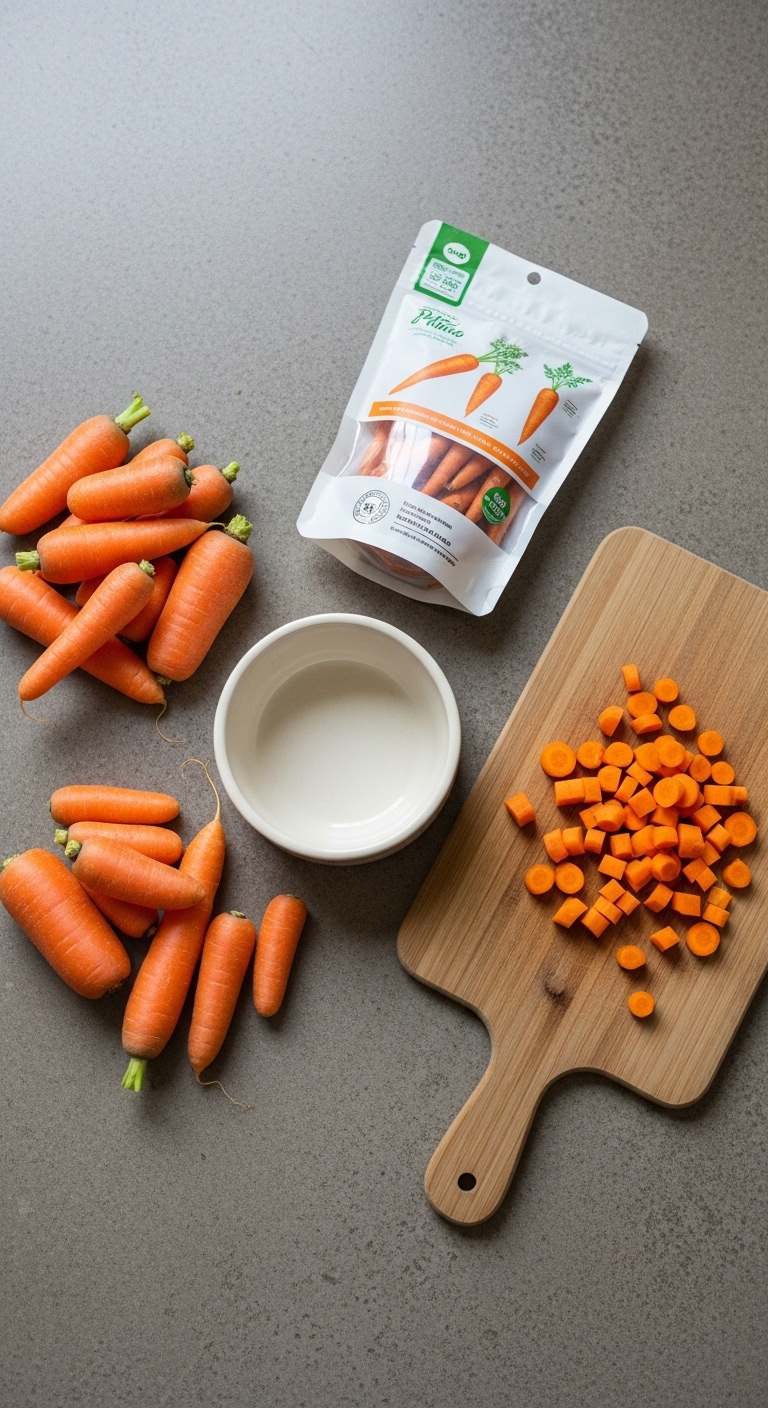
I once saw a friend give her tiny Chihuahua an entire baby carrot, and the poor thing struggled to chew it properly. It was a good reminder that even healthy foods need to be portioned correctly for your dog’s size. Another common mistake is assuming all dogs will love carrots just like people: some dogs simply aren’t interested, and that’s okay. If your dog turns their nose up at carrots, try mixing grated carrots into their regular food or using them as a training reward in tiny pieces.
Daily care habits
Incorporating carrots into your dog’s routine can be as simple as swapping out store-bought treats for fresh ones a few times a week. If your dog is prone to weight gain, carrots make a great low-calorie alternative to high-fat snacks. You can also freeze carrot sticks for a refreshing chew during hot days, which doubles as a way to soothe teething puppies. For older dogs with dental issues, steamed or soft-cooked carrots are gentler on the gums while still providing the same nutritional benefits.
Choosing the right product
Not all carrots are created equal when it comes to feeding your dog. Organic carrots are ideal because they reduce exposure to pesticides, but regular carrots work fine as long as they’re washed well. Baby carrots are convenient, but they’re often cut into shapes that can be a choking hazard, so always supervise your dog with them. If you’re buying pre-packaged carrot treats, check the ingredient list for added sugars or preservatives: plain carrots should be the only ingredient.
Safety and comfort
While carrots are generally safe, they’re not suitable for every dog. Dogs with a history of digestive sensitivities may experience bloating or diarrhea if they eat too many at once. If your dog has a condition like pancreatitis, the natural sugars in carrots could be problematic, so it’s best to consult your vet first. Also, avoid giving carrots to dogs with a habit of swallowing food whole, as large pieces can still pose a risk even when cut into strips.
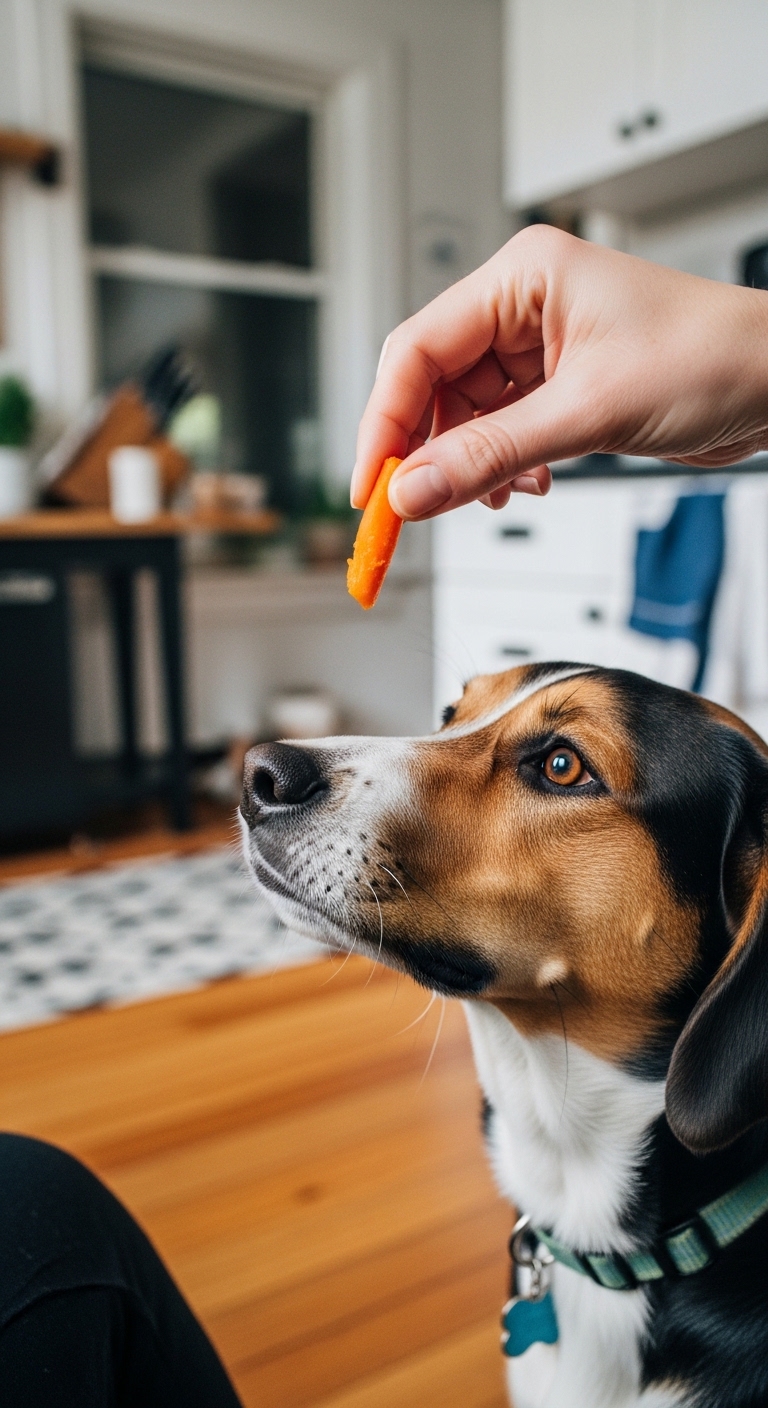
Carrots can be a simple, healthy addition to your dog’s diet when given thoughtfully. Always prioritize safety and moderation for the best results.
Frequently Asked Questions
- → Can dogs eat carrots every day?
Yes, dogs can eat carrots daily in moderation as part of a balanced diet. They make a great low-calorie snack, but treats should not exceed 10% of your dog's daily caloric intake.
- → Are raw carrots better than cooked for dogs?
Raw carrots are crunchy and help clean teeth, while cooked carrots are easier to digest. Both are nutritious—choose based on your dog’s preference and dental health.
- → How should I serve carrots to my dog?
Wash thoroughly, peel if necessary, and cut into bite-sized pieces to prevent choking. Serve raw for dental benefits or lightly steamed for easier digestion.
- → Can carrots help with my dog’s digestion?
Yes! The fiber in carrots supports healthy digestion and can help regulate bowel movements. They’re especially useful for dogs with mild digestive issues.
- → Are there any risks to feeding carrots to dogs?
Large chunks may pose a choking hazard, so always cut into appropriate sizes. Overfeeding can cause digestive upset due to excess fiber. Introduce gradually to monitor tolerance.
- → Do carrots improve my dog’s teeth?
The crunchy texture of raw carrots acts as a natural toothbrush, helping to remove plaque and freshen breath. They’re not a substitute for regular dental care but can complement it.