Apples can be a great occasional treat for dogs, but they need to be prepared the right way to keep your pup safe and healthy. Many pet owners wonder if this crunchy fruit is safe for their furry friends, and the answer isn’t as simple as yes or no. Understanding the benefits and risks helps you make the best choice for your dog’s diet.
I’ve seen dogs go crazy for apple slices, but it’s not just about the taste: it’s about serving them correctly. A friend once gave her dog a whole apple core, and it caused a trip to the vet. That’s why knowing the details matters.
Key Things to Understand
- Safe parts: Apples are safe for dogs in moderation, but only the flesh and skin: not the seeds, core, or stems
- Toxicity risk: Seeds contain cyanide, which is toxic to dogs in large amounts, so always remove them before serving
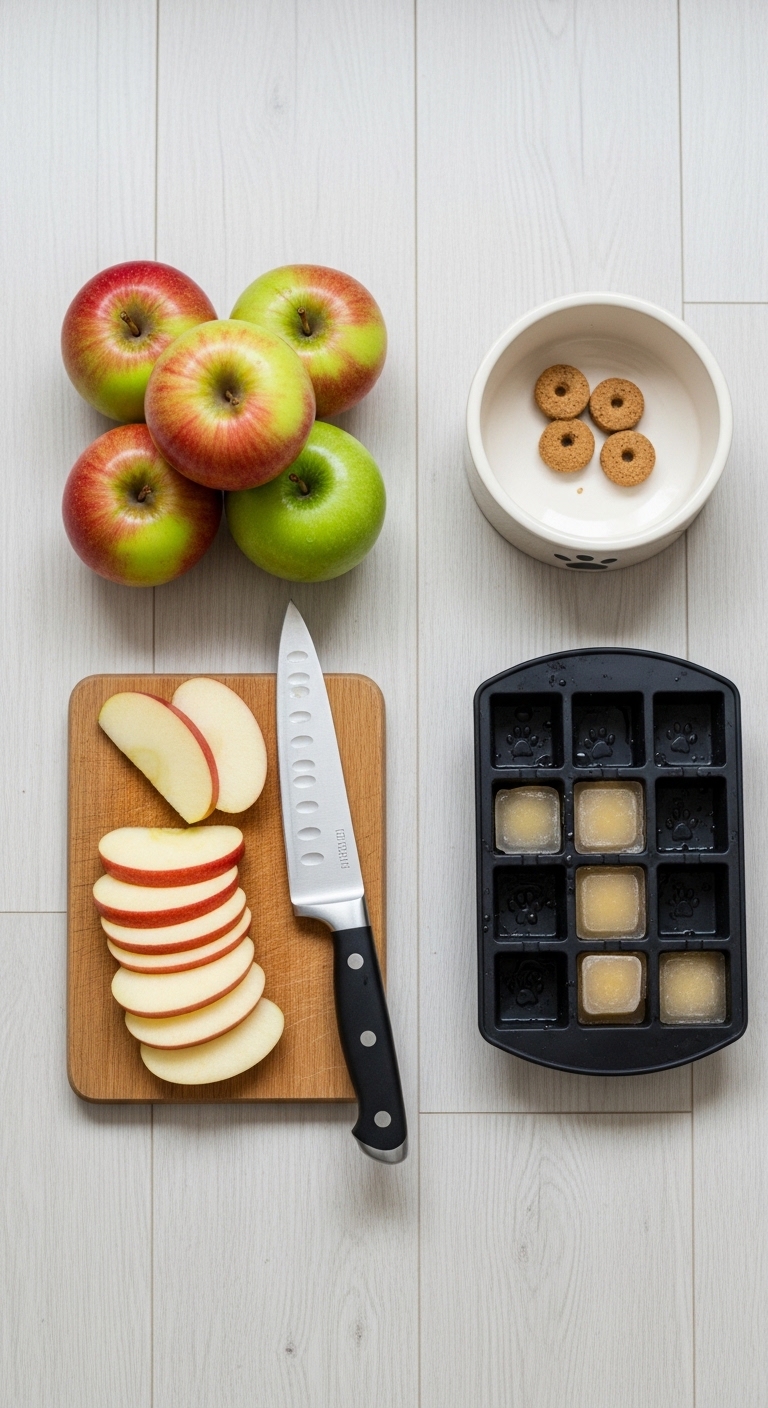
- Choking hazard: The core can be a choking hazard, especially for small breeds, so cut apples into bite-sized pieces
- Digestive impact: Too much apple can cause digestive upset due to the natural sugars and fiber, so start with small amounts
- Introduction: Always introduce new foods slowly to monitor for allergies or sensitivities
What to Look For
Watch how your dog reacts after eating apples for the first time. Some dogs might have loose stools or gas if they’re not used to the fiber, while others could show signs of an upset stomach. If your dog seems fine after a small piece, you can gradually increase the amount, but keep it as an occasional treat rather than a daily snack.
Pay attention to the texture of the apple you’re serving. Soft or mushy apples might not be as appealing, and overly hard ones could be difficult for your dog to chew. A ripe but firm apple works best: just make sure it’s fresh and hasn’t started to spoil.
A common mistake is assuming all fruits are safe for dogs. Grapes and raisins, for example, are highly toxic, so it’s important to double-check before sharing any human food. I once had a client who accidentally gave her dog a grape, and it was a scary situation. Always err on the side of caution.
Serving Apples Safely
Serving apples the right way can make a big difference in your dog’s health. If your pup isn’t used to high-fiber foods, start with a tiny piece and see how they handle it. Some dogs might love the crunch, while others could turn their nose up at it. It’s all about finding what works for your individual dog.
Monitoring Your Dog’s Reaction
If your dog has never had apples before, it’s worth keeping an eye on them for a few hours after eating. Some dogs might develop an upset stomach, while others could show signs of an allergic reaction like itching or swelling. When in doubt, a small piece is always the safest way to start.

Apples can be a healthy, low-calorie treat when served properly. Always prioritize your dog’s safety by preparing them the right way.
Frequently Asked Questions
- → Can dogs eat apples safely?
Yes, dogs can eat apples safely in moderation. Apples are a healthy snack rich in fiber, vitamins A and C, and antioxidants. Just be sure to remove the seeds and core, as they contain cyanide, which is toxic to dogs.
- → How should I prepare apples for my dog?
Wash the apple thoroughly, remove the seeds and core, then cut it into small, bite-sized pieces. Avoid giving your dog apple pie filling, applesauce with added sugar, or any apple products containing xylitol, as these can be harmful.
- → How many apples can I give my dog?
Apples should be given as a treat and not replace regular meals. A few small pieces per day are sufficient for most dogs. Always introduce new foods gradually to monitor for any digestive issues or allergic reactions.
- → Are apple seeds dangerous for dogs?
Yes, apple seeds contain cyanide, which is toxic to dogs. Always remove the seeds and core before giving apples to your dog to prevent poisoning. A few seeds are unlikely to cause harm, but it's best to avoid them entirely.
- → Can puppies eat apples?
Yes, puppies can eat apples in small amounts, provided the apples are prepared safely. Remove the seeds and core, and cut the apple into tiny pieces to prevent choking. Consult your vet before introducing new foods to puppies, especially if they have dietary restrictions.
- → What are the benefits of apples for dogs?
Apples offer several health benefits for dogs, including improved digestion due to their fiber content, a boost to the immune system from vitamins A and C, and hydration from their high water content. They also make a low-calorie, crunchy snack that many dogs enjoy.