
Dogs bark that’s just what they do. Whether it’s alerting you to someone at the door, expressing excitement, or reacting to a squirrel outside, barking is a natural part of canine communication. But when it becomes constant or disruptive, it can test your patience and even strain relationships with neighbors. The good news is that understanding why your dog barks and how to address it can make a huge difference in your daily life.
I’ve seen firsthand how a small shift in routine like adding a short walk before leaving the house can cut down on a dog’s anxious barking. It’s not about stopping barking entirely but finding the balance where your dog feels heard without overwhelming everyone else.
Key Things to Understand
- Barking is communication: Dogs don’t bark just to annoy you; they’re trying to tell you something about their environment, emotions, or needs
- Different types of barking require different responses: A deep, slow bark might mean alertness, while high-pitched, repetitive barks often signal excitement or anxiety
- Ignoring attention-seeking barks can reinforce the behavior: If you react every time your dog barks for your attention, they learn that barking gets results
- Some breeds are naturally more vocal than others: Terriers, hounds, and herding breeds often bark more due to their instincts
- Environmental triggers matter: Noise, strangers, or even changes in weather can set off barking
What to Look For
Notice when and where the barking happens most. Is it tied to specific times of day, like when you leave for work or when the mail arrives? These patterns can reveal whether your dog is bored, anxious, or simply overstimulated. Pay attention to their body language too: ears perked up, tail wagging, or a tense posture can tell you if they’re excited, alert, or stressed. Another clue is the tone and frequency of the barking. A sharp, rapid bark usually means your dog is excited or wants something, while a long, drawn-out bark might signal discomfort or territorial behavior. If the barking escalates when certain people or animals pass by, it could point to a need for better socialization or training.
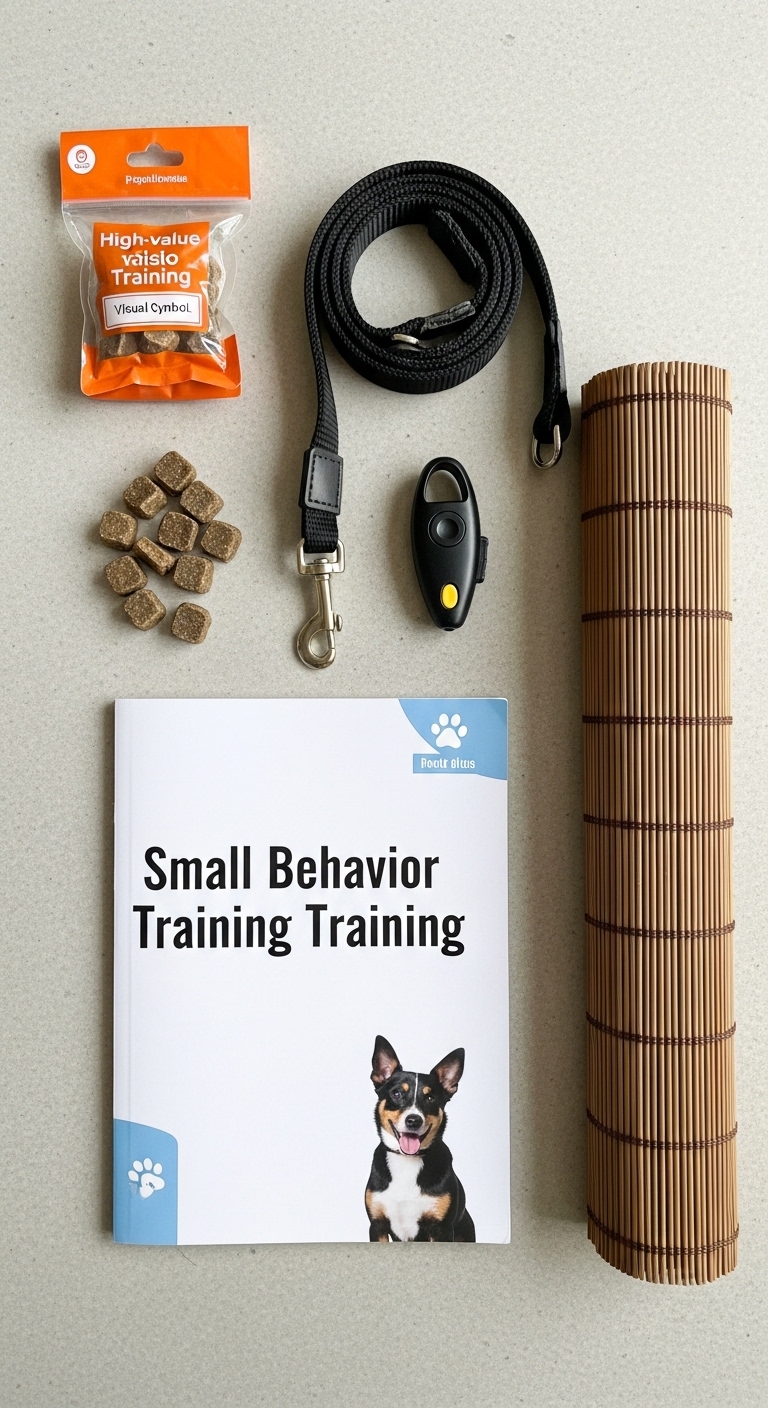
I once worked with a client whose dog barked nonstop at the fence until they realized the dog was reacting to a neighbor’s cat that only appeared at certain times. Adjusting the dog’s view by moving a planter fixed the issue. It’s often the little environmental tweaks that make the biggest difference.
Daily care habits
A tired dog is a quieter dog. Regular exercise, even just a 20-minute walk or play session, can reduce pent-up energy that fuels excessive barking. Mental stimulation matters too: puzzle toys, training sessions, or scent games can keep their mind occupied when you’re not around. Routine matters as much as activity. Dogs thrive on predictability, so feeding, walking, and bedtime at consistent times can ease anxiety. If your dog barks when you leave, try practicing short departures and returns to build their confidence. Start with just stepping outside for a minute, then gradually increase the time.
Choosing the right product
Not all bark collars are created equal. Some use vibrations or sounds to interrupt barking, while others rely on mild static corrections. If you’re considering a collar, look for one that’s adjustable and humane. Test it during supervised sessions to see how your dog reacts before leaving them alone with it. White noise machines or calming music can also help mask outside triggers if your dog barks at passing cars or people. Some pet owners swear by products like the PetSafe Calming Collar, which releases pheromones to reduce stress. Always check reviews and consult your vet before trying new tools.
Safety and comfort
Never use methods that cause fear or pain, like shock collars or yelling. These can make barking worse by increasing your dog’s stress. Instead, focus on creating a safe space where they feel secure. A cozy crate with familiar blankets or a quiet room can help if they’re reactive to household activity. Check for physical discomfort too. A dog with an ear infection, arthritis, or dental pain may bark more than usual. If the barking seems out of character, a vet visit is a good idea. Sometimes the solution is as simple as treating an underlying health issue.
Common mistakes to avoid
Waiting until the barking becomes unbearable before addressing it. The longer a behavior continues, the harder it is to change. Using punishment after the fact, like scolding your dog after they’ve been barking for hours. They won’t connect the punishment to the barking. Assuming your dog is just being stubborn. Barking almost always has a reason, even if it’s not obvious to you.
I’ve seen owners try to quiet their dogs by giving treats every time they bark, only to realize they were rewarding the behavior. It’s an easy mistake to make when you’re trying to be kind, but consistency in training means rewarding the moments of quiet instead.
Cleaning and hygiene
A clean environment can indirectly reduce barking. If your dog’s space is cluttered or their bedding is dirty, they may feel restless or uncomfortable. Regular cleaning of their crate, toys, and favorite spots can make a difference in their overall calmness. Don’t overlook outdoor triggers either. A muddy yard or piles of leaves near the fence can attract wildlife or neighborhood pets, prompting your dog to bark. Keeping the yard tidy and secure can minimize these distractions.
Indoor routines
Background noise can help mask outside sounds that trigger barking. A fan, soft music, or even a TV show can create a soothing atmosphere. Some dogs also benefit from having a window perch where they can watch the world without feeling the need to react to every passerby. If your dog barks at you for attention, teach them an alternative behavior. A simple “sit” or “place” command can redirect their energy. Reward them when they’re calm and quiet, reinforcing that silence gets results too.
Outdoor routines
For dogs that bark at people or animals outside, consider adjusting their view. A solid fence or privacy screen can block their line of sight, reducing triggers. If that’s not possible, training a “quiet” command can help them learn to stop barking on cue. Socialization plays a big role too. If your dog barks at strangers, gradually introduce them to new people in controlled settings. Start with quiet visitors and reward calm behavior. Over time, they’ll learn that not every new face is a threat.
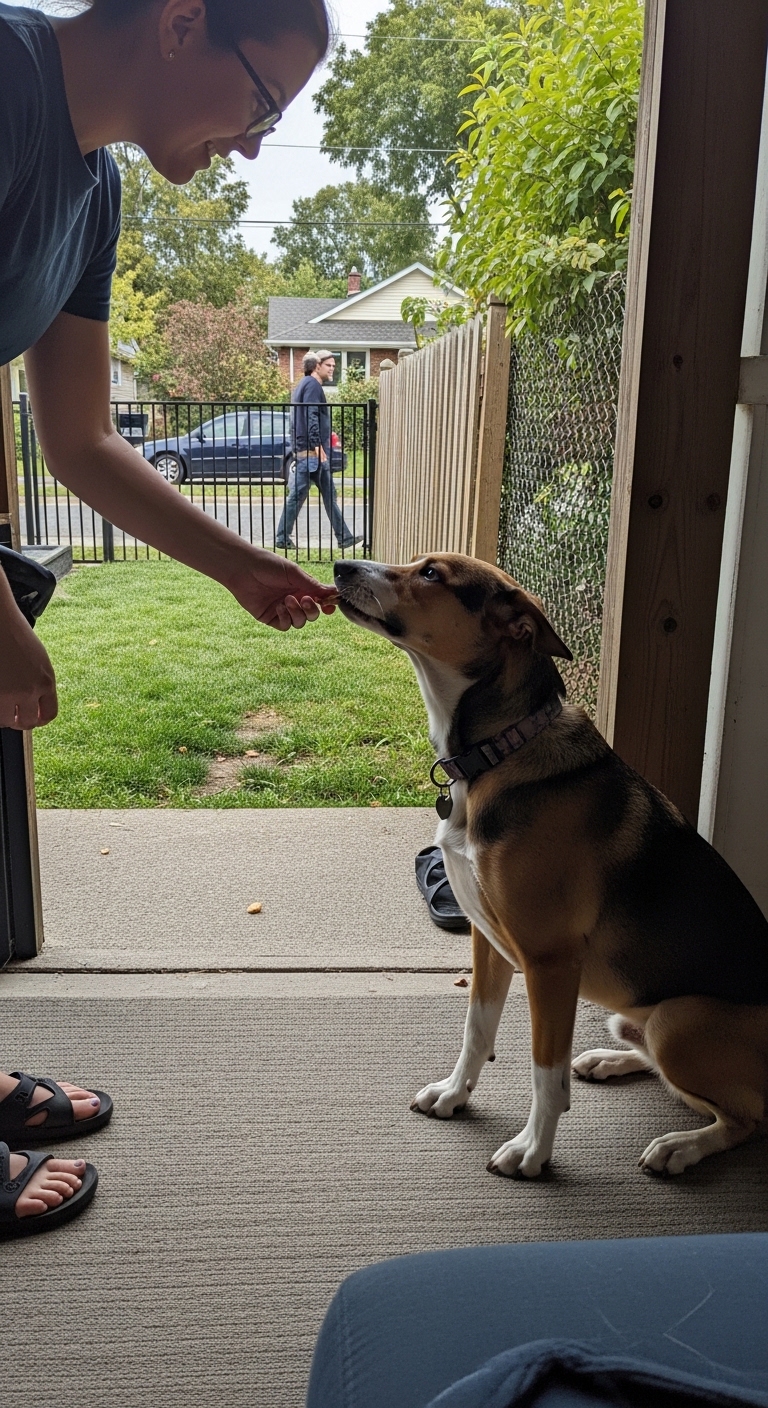
The key to managing barking isn’t about stopping it completely: it’s about understanding the why behind it and working with your dog to find a balance. With patience and consistency, you’ll both feel more at ease.
Frequently Asked Questions
- → Why does my dog bark excessively?
Dogs bark for many reasons, including boredom, fear, territorial behavior, or separation anxiety. Identifying the trigger is the first step in addressing the issue.
- → Can training help reduce my dog’s barking?
Yes! Positive reinforcement training teaches your dog to associate quiet moments with rewards, gradually reducing unnecessary barking.
- → Are there natural calming aids for dogs?
Calming aids like pheromone diffusers, herbal treats, or soft background music can help soothe an anxious dog and minimize barking.
- → Should I punish my dog for barking?
No, punishment often increases stress and can make barking worse. Instead, focus on redirecting behavior and rewarding calmness.
- → How long does it take to stop excessive barking?
Results vary, but with consistent training, many dogs show improvement within a few weeks. Patience and routine are essential for long-term success.
- → What’s the best time to start training?
Start training as soon as you notice excessive barking. Early intervention makes it easier to establish new habits and reduce unwanted behavior.