 Pin
Pin
Clumping vs non clumping cat litter isn’t just about convenience—it’s about keeping your home clean, your cat comfortable, and your cleaning routine manageable. The right choice can save you time, reduce odors, and even help you spot health issues in your cat sooner. Whether you’re a first-time cat owner or have been around cats for years, understanding the differences between these two types of litter can make a big difference in your daily life.
I remember switching to clumping litter after years of using non clumping—suddenly, scooping the box became a one-minute task instead of a daily chore. The difference in odor control was noticeable within days, and my cat seemed more comfortable too.
Key Things to Understand
- Clumping litter forms solid masses when wet: making it easy to scoop out waste without replacing the entire box
- Non clumping litter absorbs moisture but doesn’t form clumps: so you’ll need to replace the litter more often
- Clumping litter is usually made from bentonite clay: while non clumping options can include clay, silica gel, or plant-based materials
- Clumping litter is better for odor control: because it traps waste in solid clumps that you remove daily
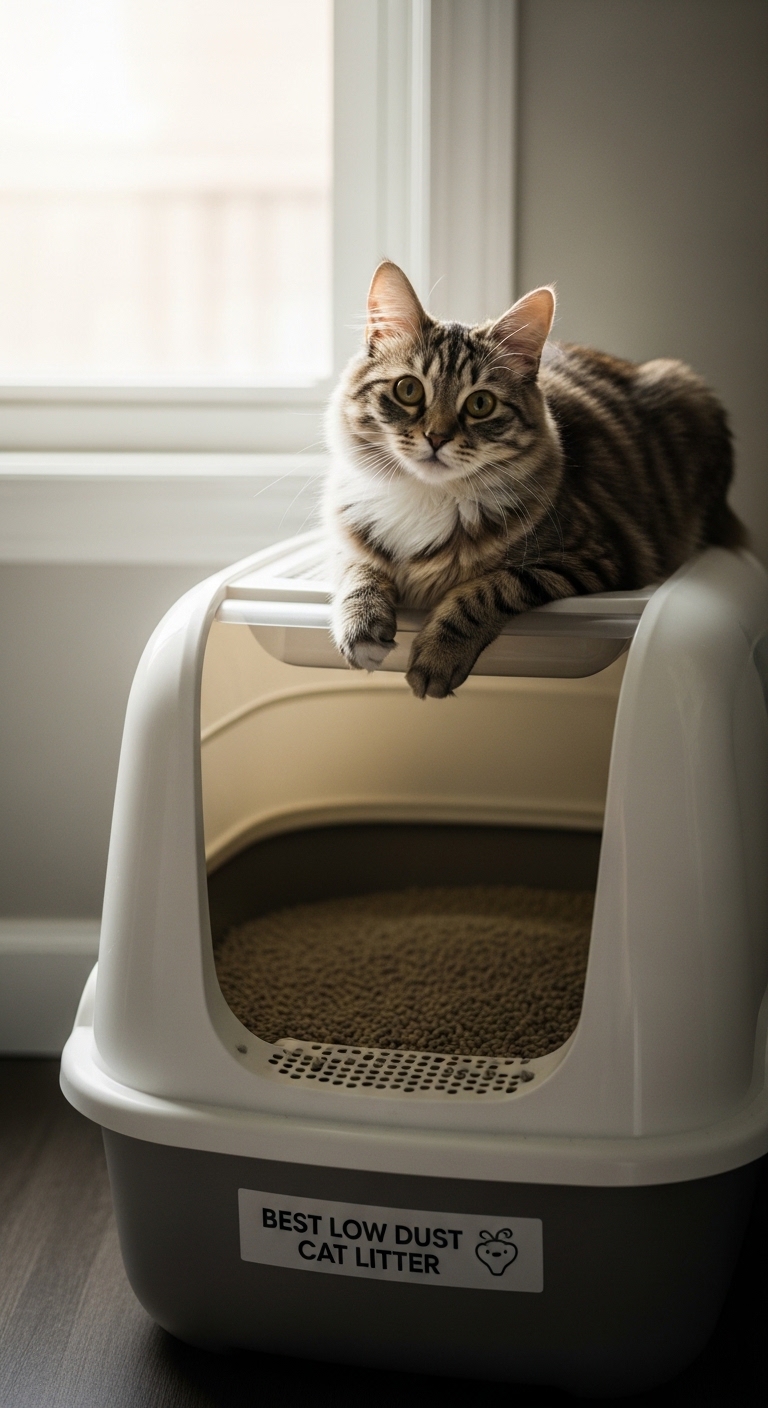
- Non clumping litter is often less dusty: which can be better for cats with respiratory sensitivities
What to Look For
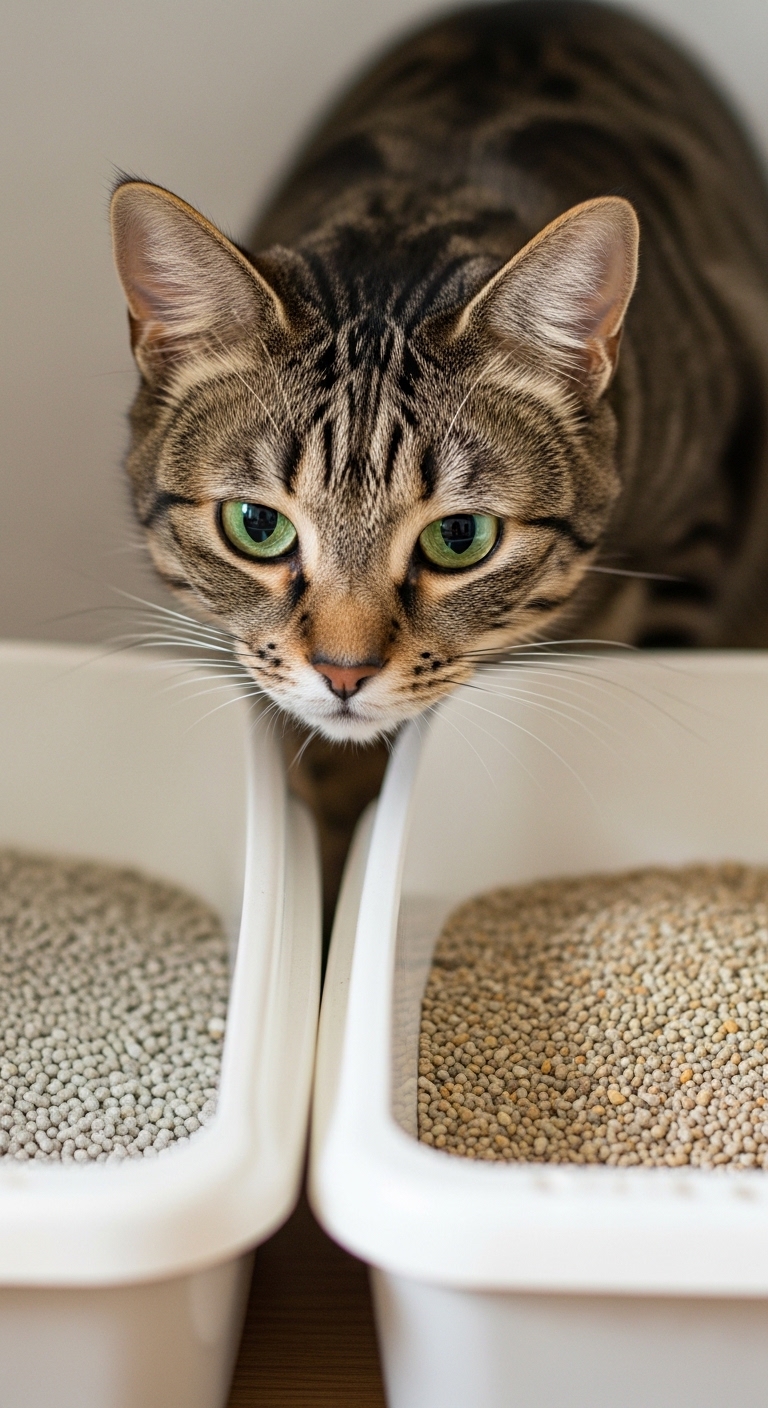
When choosing between clumping and non clumping litter, pay attention to how your cat reacts to each type. Some cats prefer the softer texture of non clumping litter, while others are fine with the grittier feel of clumping varieties. If you notice your cat avoiding the box or straining to go, it might be a sign they dislike the litter texture. For odor control, clumping litter generally wins because the clumps trap waste and prevent smells from spreading. However, if you have multiple cats, non clumping litter might require more frequent full cleanouts to keep odors under control. Dust levels matter too—if you or your cat sneeze around the litter box, a low-dust option could make a big difference in daily comfort.
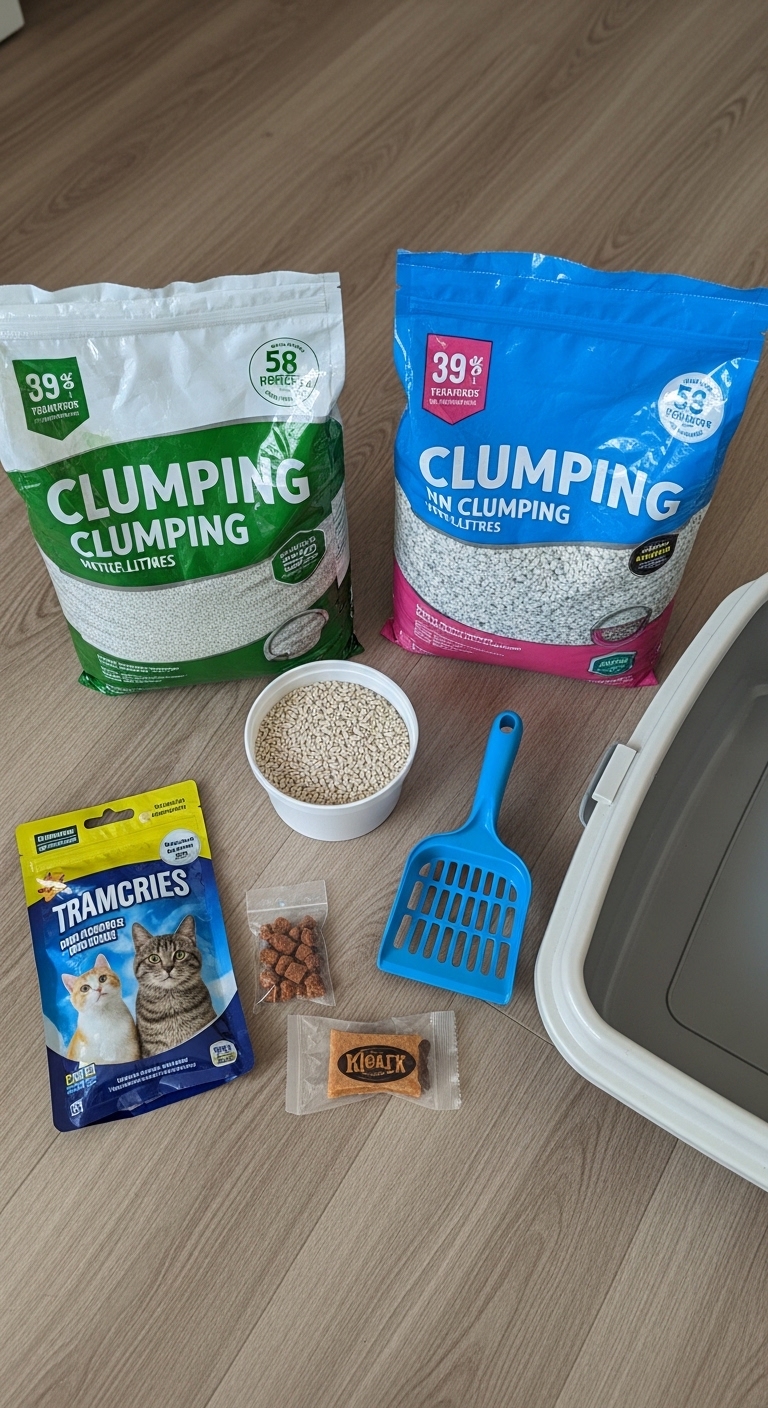
I once bought a heavily scented clumping litter thinking it would keep the box smelling fresh, only to find my cat avoiding it entirely. After switching to an unscented option, she went back to using the box right away. It’s a reminder that what works for humans doesn’t always work for our pets.
Daily care habits
Clumping litter requires daily scooping to remove clumps and waste, which keeps the box fresh and reduces odors. If you skip this step, the clumps can break apart and mix back into the clean litter, making the box smell worse. Non clumping litter needs a full litter change every 1 to 2 weeks, depending on how many cats you have. With non clumping, you’ll also need to stir the litter daily to distribute waste and prevent strong smells from building up in one spot.
Choosing the right product
Start by considering your cat’s preferences—some cats are picky about texture and will only use certain types of litter. If you’re unsure, try a small bag of both clumping and non clumping to see which one your cat gravitates toward. For multi-cat households, clumping litter is usually the better choice because it handles higher waste volumes more efficiently. If you have a cat with respiratory issues, look for low-dust or plant-based options to minimize irritation.
Safety and comfort
Always choose unscented litter for cats, as fragrances can cause sneezing, coughing, or even more serious respiratory issues. Avoid litters with added chemicals or dyes, which can be harmful if ingested during grooming. If your cat has long fur, consider a litter with larger granules to reduce tracking outside the box. For senior cats or those with mobility issues, a softer, non clumping litter might be easier on their joints when they step in and out of the box.
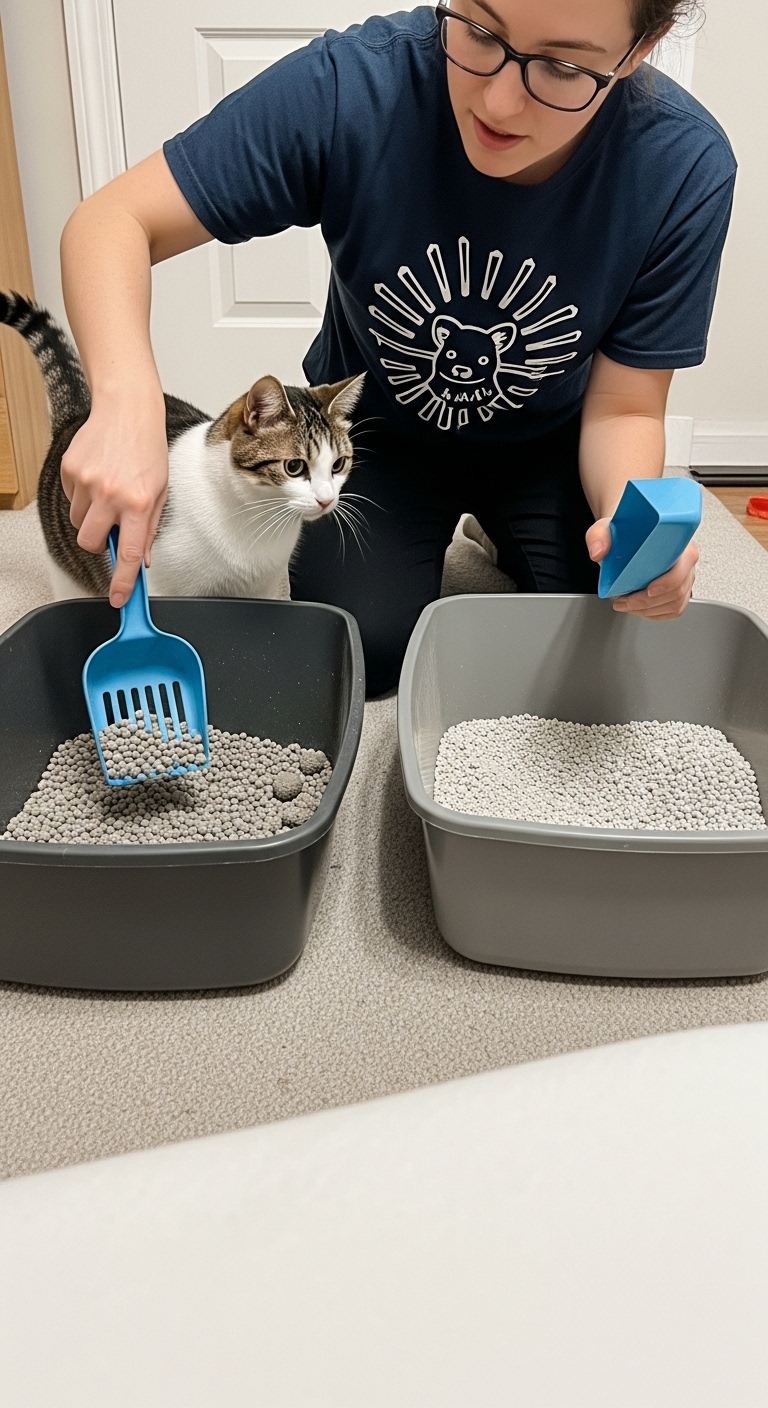
The right litter can make a noticeable difference in your cat’s comfort and your cleaning routine. Whether you choose clumping or non clumping, the key is to pay attention to your cat’s habits and adjust as needed.
Frequently Asked Questions
- → What is the main difference between clumping and non-clumping cat litter?
Clumping litter forms solid clumps when wet, making it easy to remove waste with a scoop. Non-clumping litter absorbs moisture without clumping, often requiring full tray changes.
- → Which type of litter is better for odor control?
Clumping litter generally offers superior odor control because it traps waste in solid clumps, reducing lingering smells. Non-clumping litter may require more frequent full changes to manage odors.
- → Is clumping litter bad for the environment?
Many clumping litters are made from clay, which is non-biodegradable and strip-mined. However, some eco-friendly clumping options use plant-based materials like corn or wheat, which are more sustainable.
- → Can non-clumping litter be used for multiple cats?
Non-clumping litter can work for multiple cats but may require more frequent full tray changes to maintain cleanliness and odor control. It’s best suited for households with fewer cats or those who prefer low-dust options.
- → How do I transition my cat from one litter type to another?
Introduce the new litter gradually by mixing it with the old litter over 7–10 days. Place the new litter box next to the old one and reward your cat for using it. Monitor for signs of stress or avoidance.
- → Which litter is better for cats with respiratory issues?
Non-clumping, dust-free litter is often recommended for cats with respiratory sensitivities, as it reduces airborne particles. Look for low-dust or plant-based options to minimize irritation.
- → Does clumping litter cost more than non-clumping?
Clumping litter tends to be slightly more expensive due to its convenience and odor-control benefits. However, prices vary by brand and material, so compare options to find the best value.