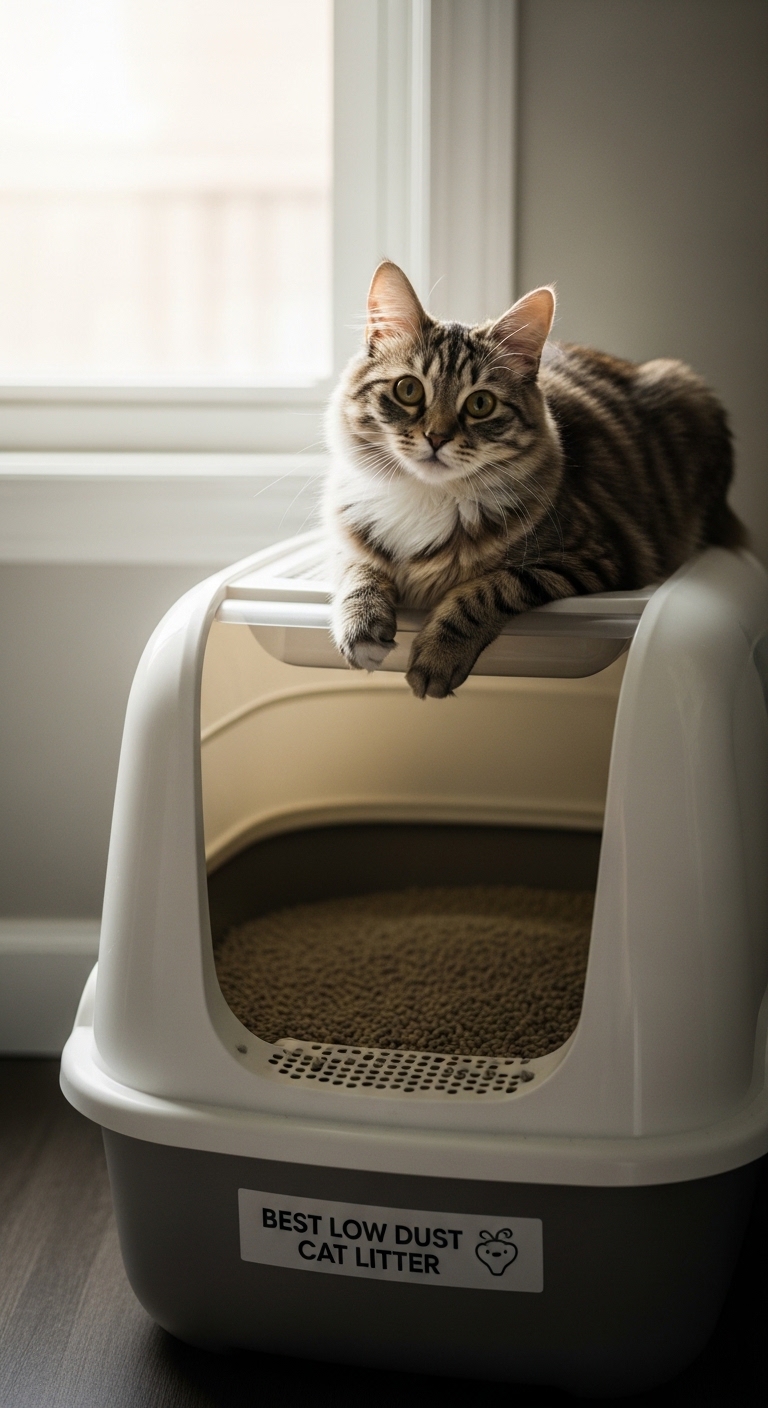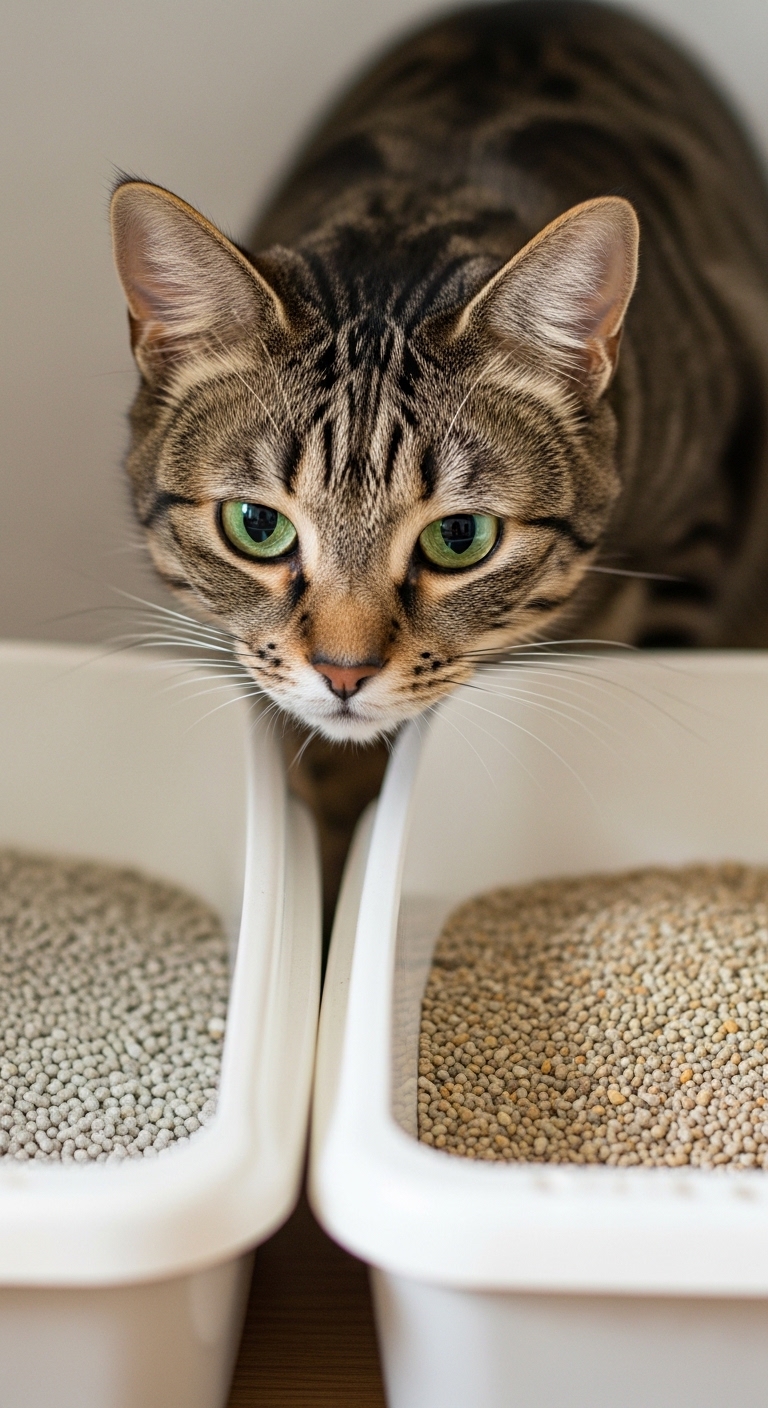
Choosing the right cat litter for an automatic litter box can save you time, reduce odors, and keep your home cleaner. These boxes work best with specific types of litter that clump well, flow smoothly, and don’t create dust. The wrong litter can jam the mechanism, leave residue, or even harm your cat’s paws. With so many options, it’s easy to feel overwhelmed, but picking the right one makes a noticeable difference in daily life.
I’ve seen friends struggle with litter that clumps too hard or dusts too much, only to realize later that their automatic box wasn’t designed for it. A little research upfront prevents frustration down the road.
Key Things to Understand
- Clumping ability: matters more than you think because automatic boxes rely on quick, clean clumps to function properly
- Low dust formulas: are essential to protect both your cat’s respiratory health and the box’s sensors
- Pellet size: affects how well the litter moves through the system without jamming
- Scented litters: can sometimes irritate cats, so unscented options are often safer
- Biodegradable options: are great for the environment but may not work in all automatic boxes
What to Look For
Pay attention to how the litter flows when you pour it into the box. If it feels gritty or sticks together too much, it might not move smoothly through the system. Watch your cat’s reaction too—if they hesitate to step in or kick litter out aggressively, the texture might be bothering them. Check the manufacturer’s guidelines for your specific box model, as some require certain granule sizes or shapes to work correctly. Also, notice how much dust escapes when you pour it. A little dust is normal, but if it clouds the air or coats surfaces nearby, it could be a sign of poor quality.
Many people assume all clumping litters work the same, but automatic boxes have stricter requirements. I once used a popular clumping litter that worked fine in a regular box but jammed the automatic one within days. The lesson? Always double-check compatibility. Also, don’t overlook how the litter feels under your cat’s paws—if it’s too rough or slippery, they might avoid the box entirely.
Choosing the Right Product
Not all automatic litter boxes are created equal, and neither are the litters designed for them. Look for litters labeled as "automatic box compatible" or "low dust." These are formulated to flow freely and clump quickly without leaving residue. Avoid litters with large chunks or heavy additives, as they can get stuck in the rake or sensors. If your box has a specific recommendation, start there—it’s the safest bet.
Safety and Comfort
Your cat’s comfort should come first. Some litters contain crystals or silica that can be harsh on paws, especially for kittens or older cats with joint issues. Stick to softer, natural options if your cat seems sensitive. Also, ensure the litter isn’t too deep—most automatic boxes work best with a shallow layer to prevent jams. If you notice your cat avoiding the box, it might be due to discomfort rather than dislike of the litter itself.
Cleaning and Hygiene
Even the best litter won’t keep the box clean if you don’t maintain it properly. Scoop waste daily, especially in automatic boxes where clumps can harden quickly. Every few weeks, empty the entire box, wipe it down with a mild cleaner, and refill with fresh litter. Some litters break down faster than others, so check the manufacturer’s advice on how often to replace it completely. Neglecting this step can lead to lingering odors or even bacterial growth.
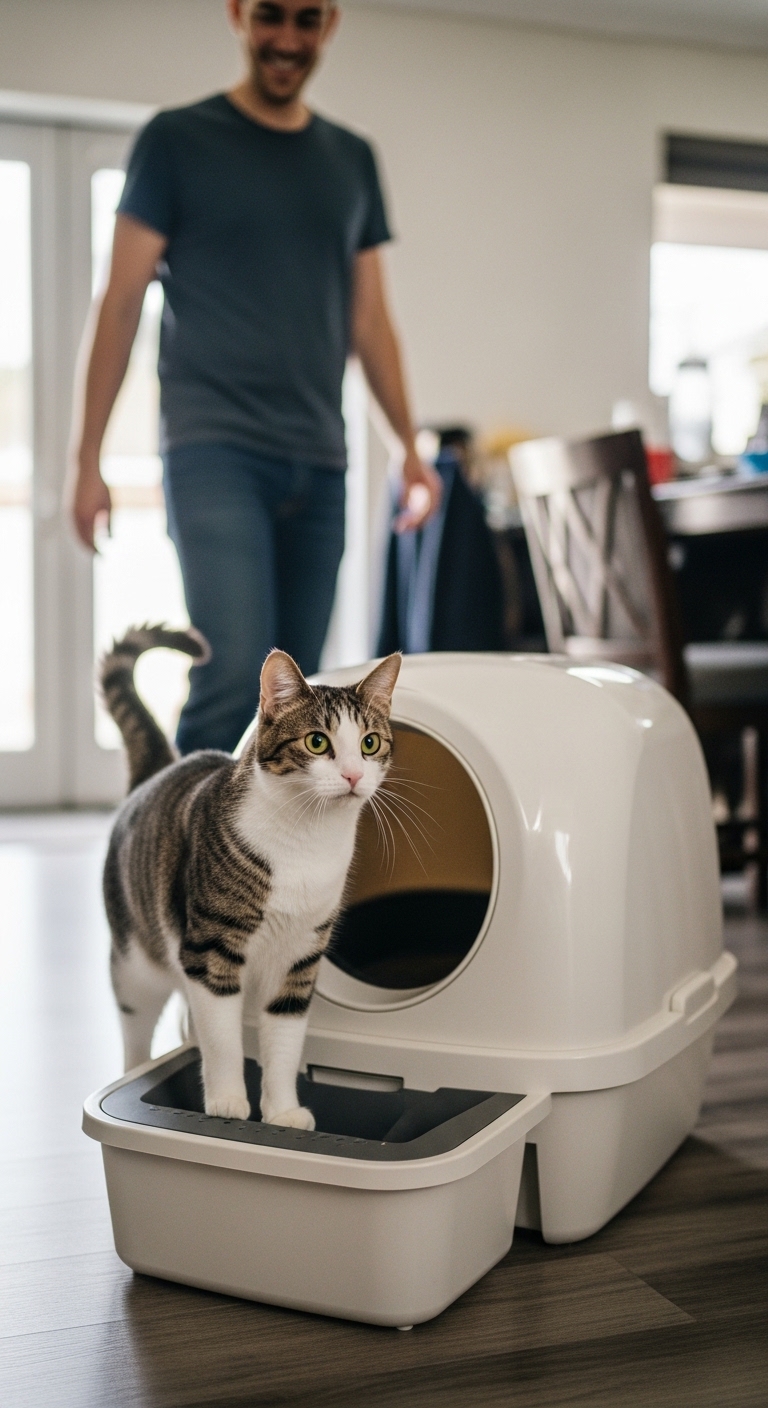
Choosing the right litter for your automatic box ensures a cleaner home and a happier cat.
Frequently Asked Questions
- → What type of cat litter works best with automatic litter boxes?
Automatic litter boxes typically work best with clumping, low-dust, and fine-grained litters. Crystal litters are also popular due to their excellent odor control and minimal maintenance. Always check your box’s manual for specific recommendations.
- → How often should I replace the litter in an automatic box?
Most automatic litter boxes require a full litter change every 2-4 weeks, depending on usage and the type of litter. Some systems have sensors to alert you when it’s time to refill or replace the litter completely.
- → Can I use scented cat litter in an automatic box?
Scented litters can sometimes cause issues with automatic boxes, as the fragrances may interfere with the system’s sensors or leave residue. Unscented or lightly scented options are generally safer for optimal performance.
- → Why does my automatic litter box track litter everywhere?
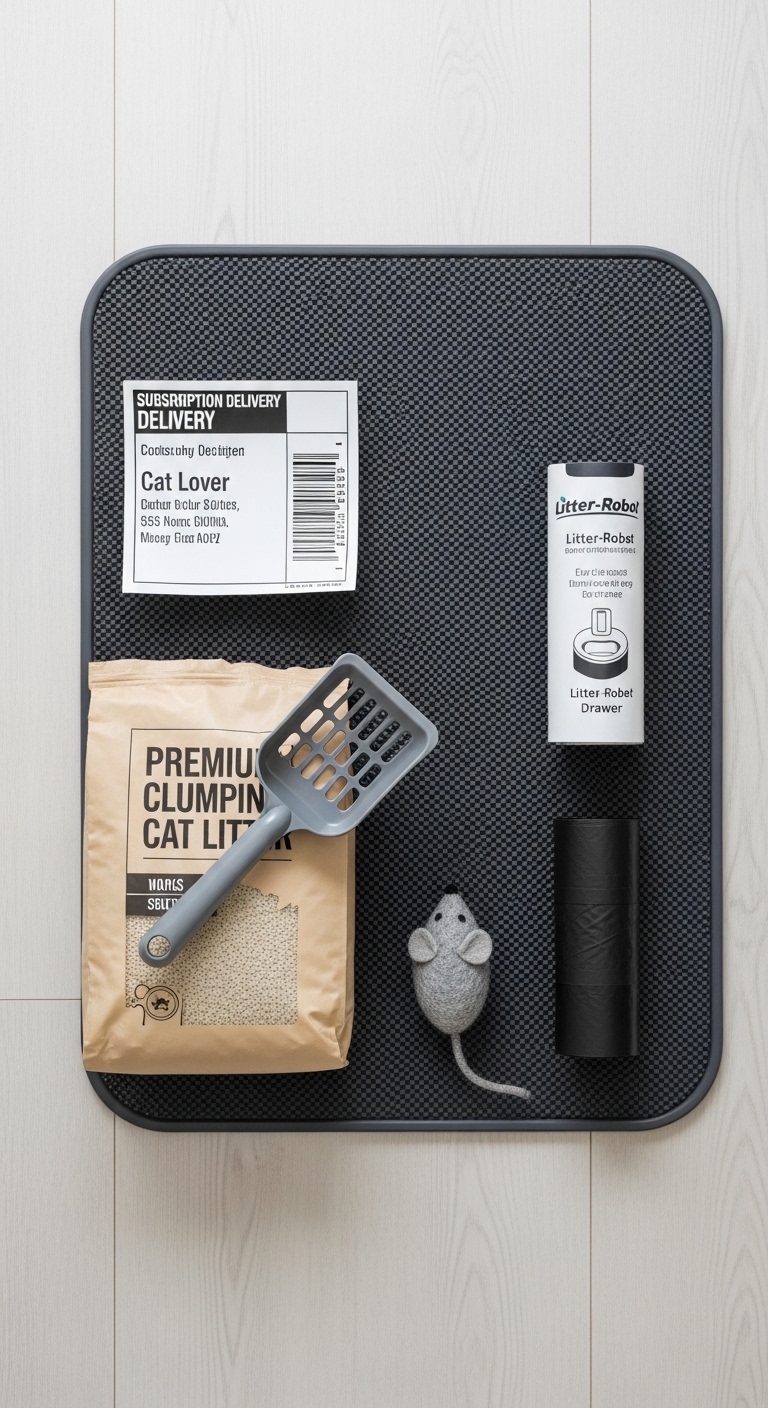
Litter tracking is common with fine or lightweight litters. To minimize this, choose a litter with larger granules or a heavier formulation. Placing a litter mat around the box can also help catch stray particles.
- → Are biodegradable litters safe for automatic litter boxes?
Many biodegradable litters are compatible with automatic boxes, but their performance varies. Some may clump differently or break down too quickly, causing issues with the system. Always test a small batch first to ensure it works well with your box.
- → How do I clean an automatic litter box?
Most automatic boxes require regular cleaning of the waste receptacle and sensors. Use mild soap and water to wipe down surfaces, avoiding harsh chemicals that could deter your cat. Follow the manufacturer’s guidelines for deep cleaning intervals.