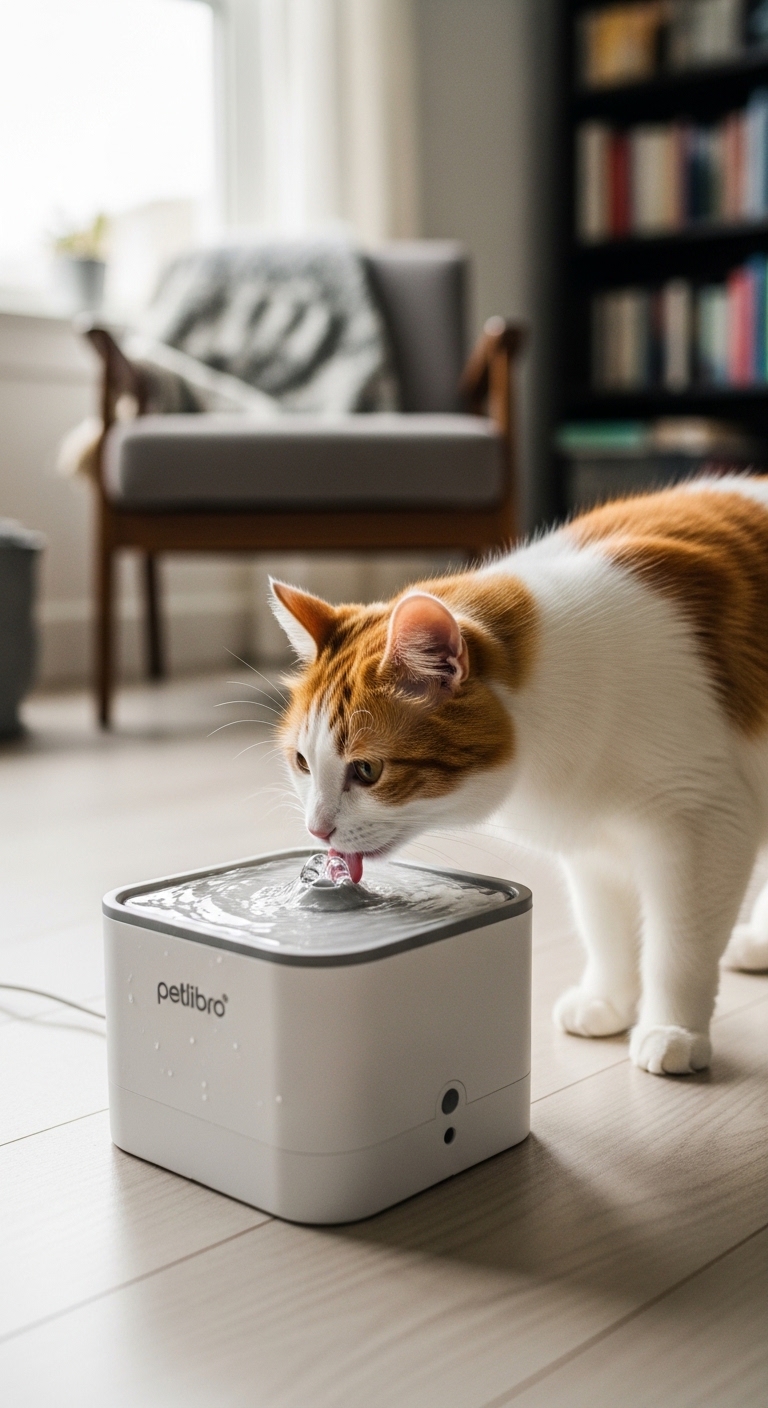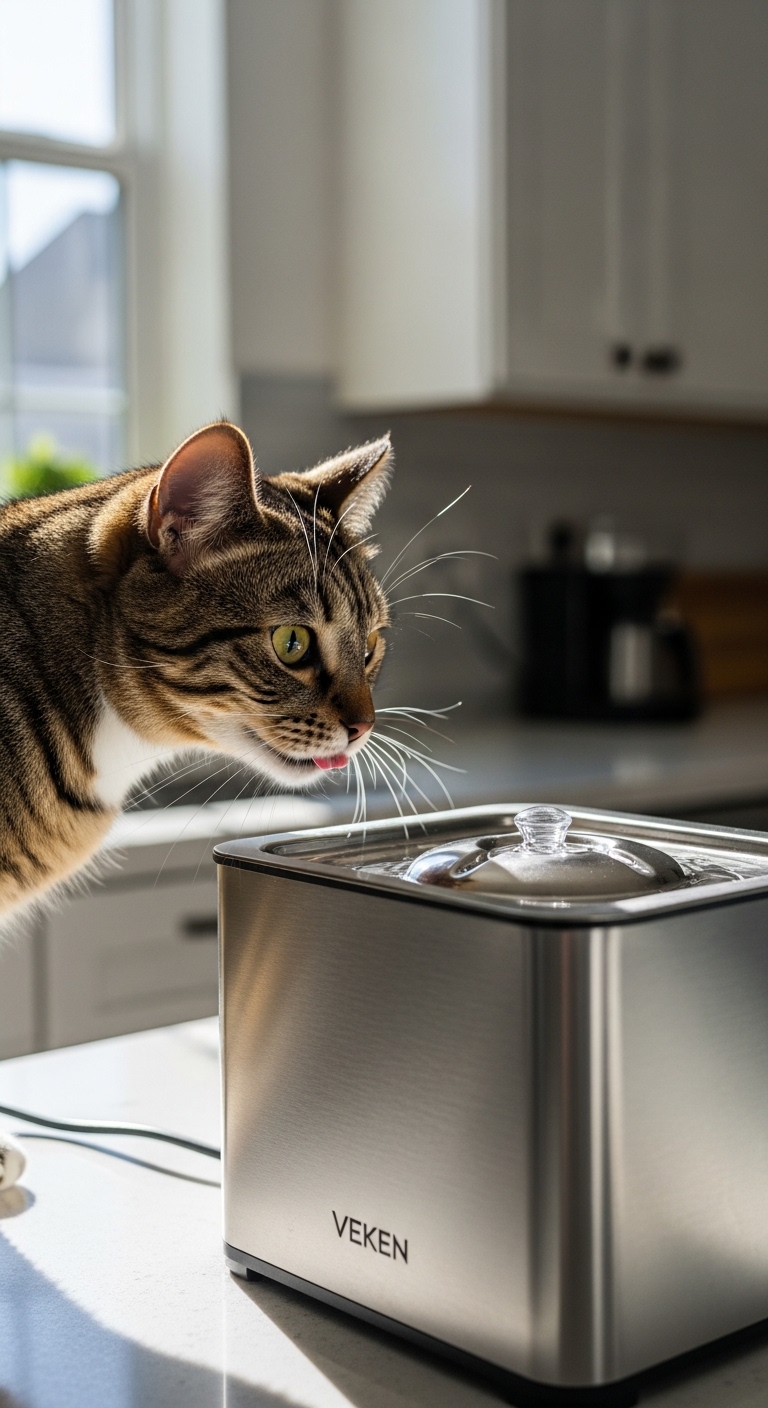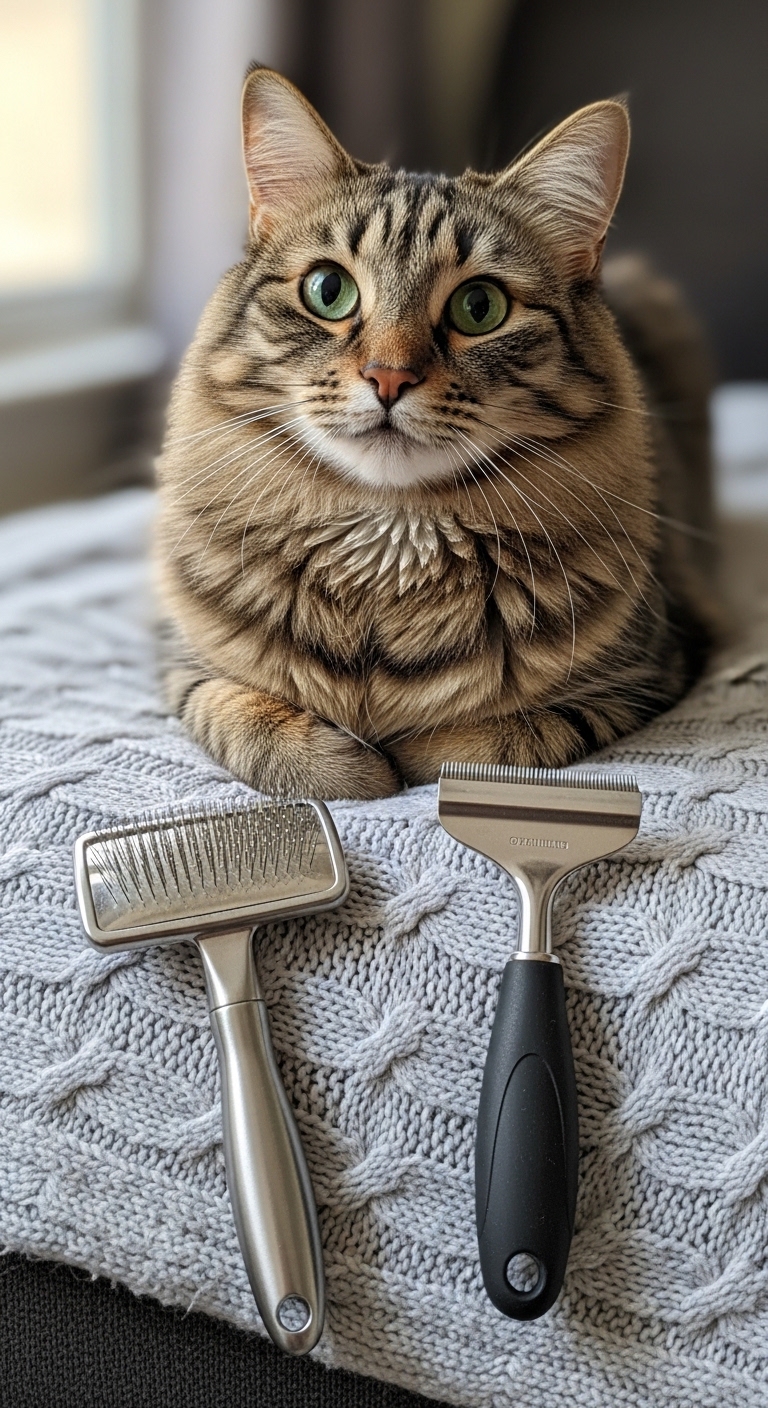
Cat water fountains and bowls might seem like minor details in your home, but they play a bigger role in your cat’s health than you’d expect. Many owners don’t realize how much their cat’s hydration habits affect energy levels, kidney function, and even coat quality. A stagnant bowl can quickly become a breeding ground for bacteria, while a fountain encourages fresh, circulating water that cats often prefer. Small changes here can make a noticeable difference in their daily routine.
I’ve seen cats ignore a clean bowl for days, only to drink happily from a fountain within hours. It’s not just about the water moving—it’s about how the sound and movement appeal to their natural instincts.
Key Things to Understand
- A cat’s water needs change with age, diet, and health conditions: like kidney disease
- Stagnant water in bowls grows bacteria quickly: which can lead to urinary issues
- Fountains mimic natural water sources: encouraging cats to drink more
- Not all fountains are equal: some are too loud or have filters that need frequent changing
- Cats prefer running water: because it’s fresher and cooler than still water in a bowl
What to Look For
Pay attention to how often your cat drinks throughout the day. If you notice them lapping from the sink, shower, or even puddles, it’s a sign they’re not getting enough from their bowl. A healthy cat should drink about 3.5 to 4.5 ounces of water per 5 pounds of body weight daily, but this increases with dry food diets. Watch for changes in their litter box habits too—smaller, drier clumps can indicate dehydration.
Check the water temperature in both bowls and fountains. Cats prefer cool, fresh water, so if the fountain’s water feels warm to the touch, it’s time for a refill or cleaning. The material of the bowl or fountain matters as well. Stainless steel and ceramic are easier to clean and less likely to harbor bacteria compared to plastic, which can scratch and trap grime over time.
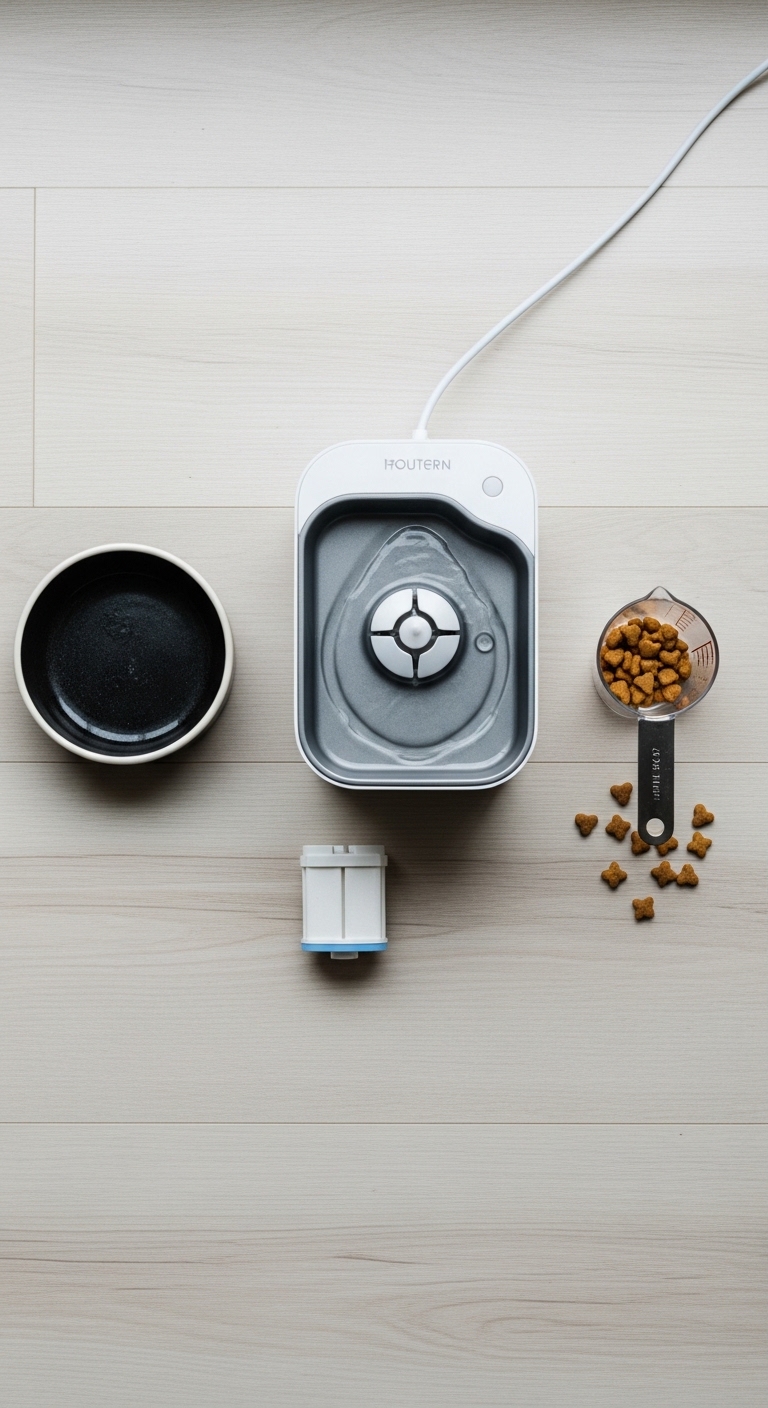
I once had a client whose cat developed a urinary blockage because the water bowl hadn’t been cleaned in weeks. The owner didn’t realize how quickly bacteria could grow in warm, still water. A simple routine of daily cleaning and weekly deep cleaning would have prevented it. Also, if your cat suddenly stops drinking, it could signal an underlying health issue—don’t wait to check with your vet.
Daily care habits
Make it a habit to refresh your cat’s water at least twice a day, even if the bowl isn’t empty. This ensures they always have access to clean, cool water. If you’re using a fountain, check the filter weekly and replace it as recommended. Some cats are sensitive to tap water, so if your cat seems reluctant to drink, try filtered or bottled water in their fountain.
Choosing the right product
Look for a fountain with a quiet pump—cats are easily startled by loud noises. The flow rate should be gentle enough for your cat to drink comfortably without getting overwhelmed. Consider the size of the reservoir too. A larger fountain means fewer refills, but it also takes up more space. For multi-cat households, opt for a model with a bigger capacity to ensure everyone gets enough water.
Safety and comfort
Place the water source in a quiet, low-traffic area where your cat feels safe. Avoid placing it near their litter box or food bowl, as cats prefer these areas separate. If you have other pets, ensure the fountain is in a spot where they won’t disturb your cat while drinking. Some cats are territorial, so having multiple water sources around the house can encourage better hydration.
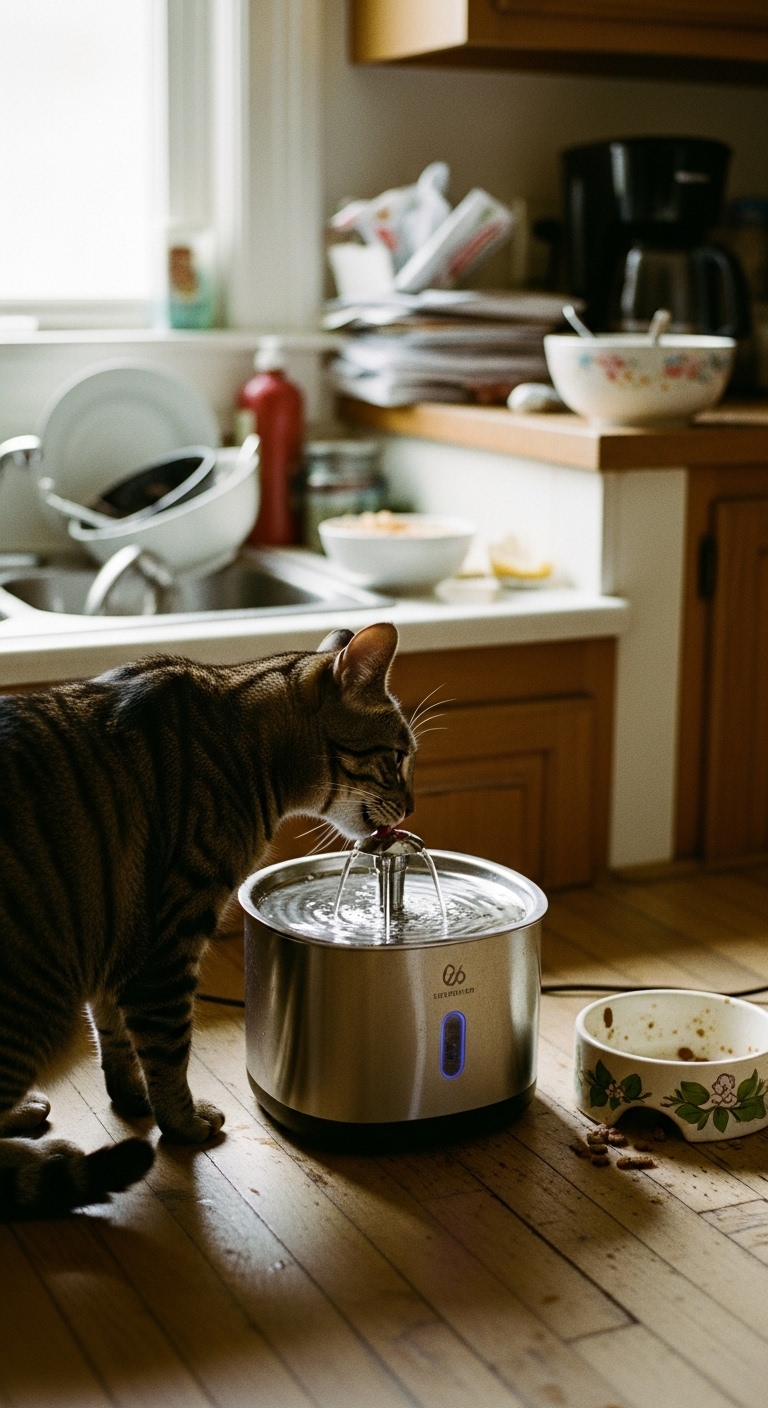
Small adjustments to your cat’s water routine can lead to better hydration and long-term health benefits.
Frequently Asked Questions
- → Why should I choose a cat water fountain over a regular bowl?
A cat water fountain provides fresh, circulating water that attracts your pet to drink more often. This helps prevent dehydration and supports kidney health by reducing the risk of urinary tract issues.
- → Are cat water fountains noisy?
Most modern cat water fountains operate quietly, with noise levels comparable to a soft hum. Look for models with low decibel ratings to ensure minimal disturbance in your home.
- → How often should I clean a cat water fountain?
Clean your cat water fountain every 1-2 weeks to prevent bacterial growth. Use mild soap and warm water, and follow the manufacturer's instructions for disassembly and maintenance.
- → Can a water fountain help with my cat's hydration?
Yes! Cats are naturally drawn to running water, and a fountain can encourage them to drink up to 50% more water than a traditional bowl, improving hydration and overall health.
- → What features should I look for in a cat water fountain?
Consider factors like water capacity, filtration system, noise level, and ease of cleaning. Multi-level fountains are great for multi-cat households, while compact designs work well for small spaces.
- → Do cat water fountains use a lot of electricity?
No, most cat water fountains use minimal electricity, similar to a small nightlight. They are energy-efficient and designed to run continuously without significantly impacting your power bill.