Finding the right cat litter can feel like a never-ending search, especially when dust seems to settle on every surface in your home. Dusty litter isn’t just annoying—it can trigger allergies, irritate your cat’s respiratory system, and leave your floors looking like a construction site. For pet owners who value cleanliness and their cat’s comfort, switching to a low-dust option makes a noticeable difference in daily life. It’s one of those small changes that quietly improves your home’s air quality and keeps your cat happier without much extra effort.
I remember when I first switched my cat to a low-dust litter, the difference was immediate. The sneezing stopped, and my floors stayed dust-free for days. It’s one of those changes that feels small but makes daily life noticeably smoother.
Key Things to Understand
- Clumping ability matters just as much as dust levels: look for litters that form tight clumps for easy scooping
- Natural ingredients like pine, wheat, or corn: often produce less dust than clay-based options
- Scented litters can mask odors but may irritate some cats’ noses: so unscented is usually safer
- Dust levels aren’t always labeled clearly: so check reviews or third-party tests for real-world feedback
- Some low-dust litters absorb moisture differently: so you might need to adjust how often you scoop
What to Look For
When shopping for low-dust cat litter, pay attention to how the product feels in your hands. A fine, granular texture usually means less dust compared to coarse or chunky varieties. The packaging can also be a clue—brands that emphasize “low dust” or “dust-free” on the front are more likely to deliver on that promise. Still, don’t rely solely on marketing. Check the ingredient list for natural materials like pine pellets or recycled paper, which tend to produce fewer airborne particles than traditional clay.
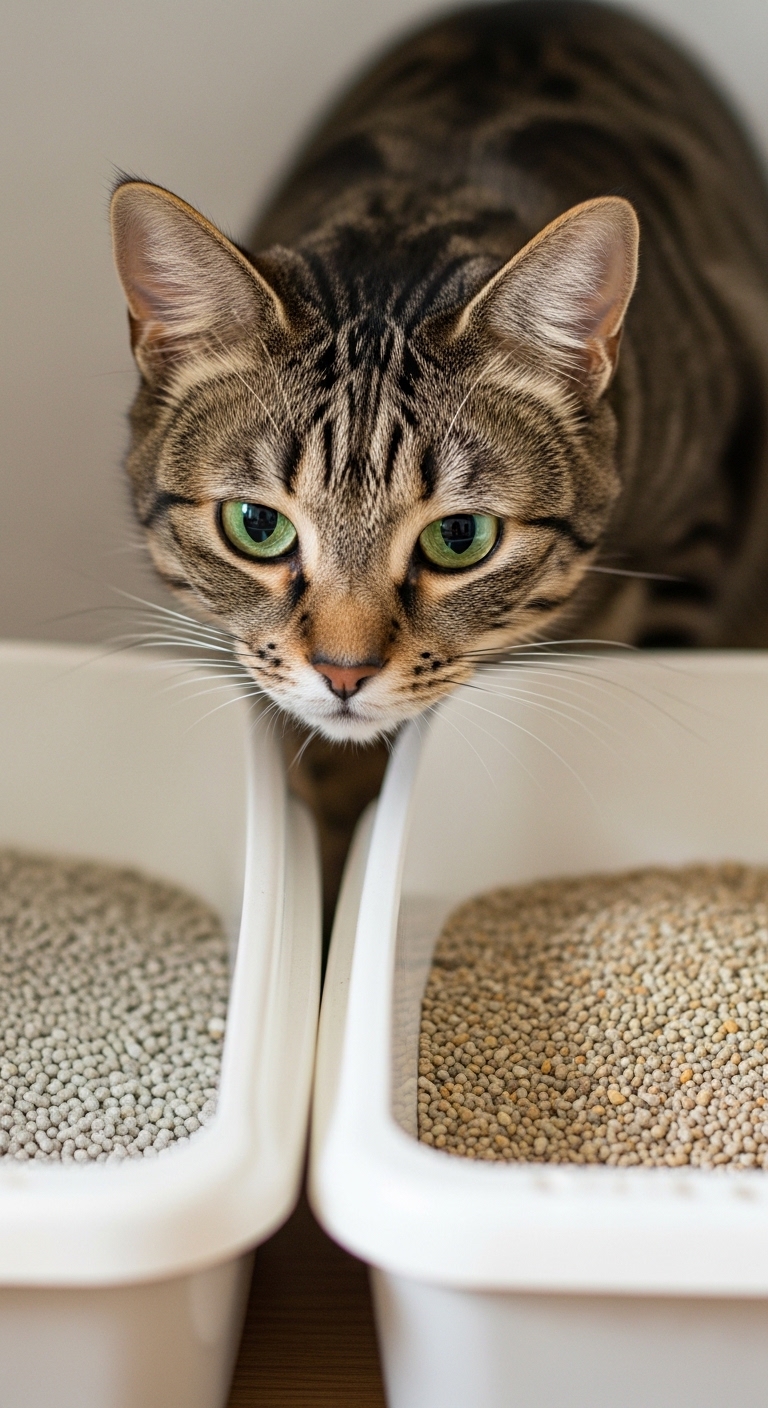
Another thing to notice is how the litter behaves when your cat uses it. A good low-dust litter should clump quickly and firmly when wet, making it easy to scoop without leaving behind crumbly residue. If you see a lot of loose particles after your cat digs, the litter might not be holding together well, even if it claims to be low-dust. Also, watch your cat’s reaction. Some cats are sensitive to texture changes, so if they avoid the litter box after the switch, they might not like the new feel under their paws.
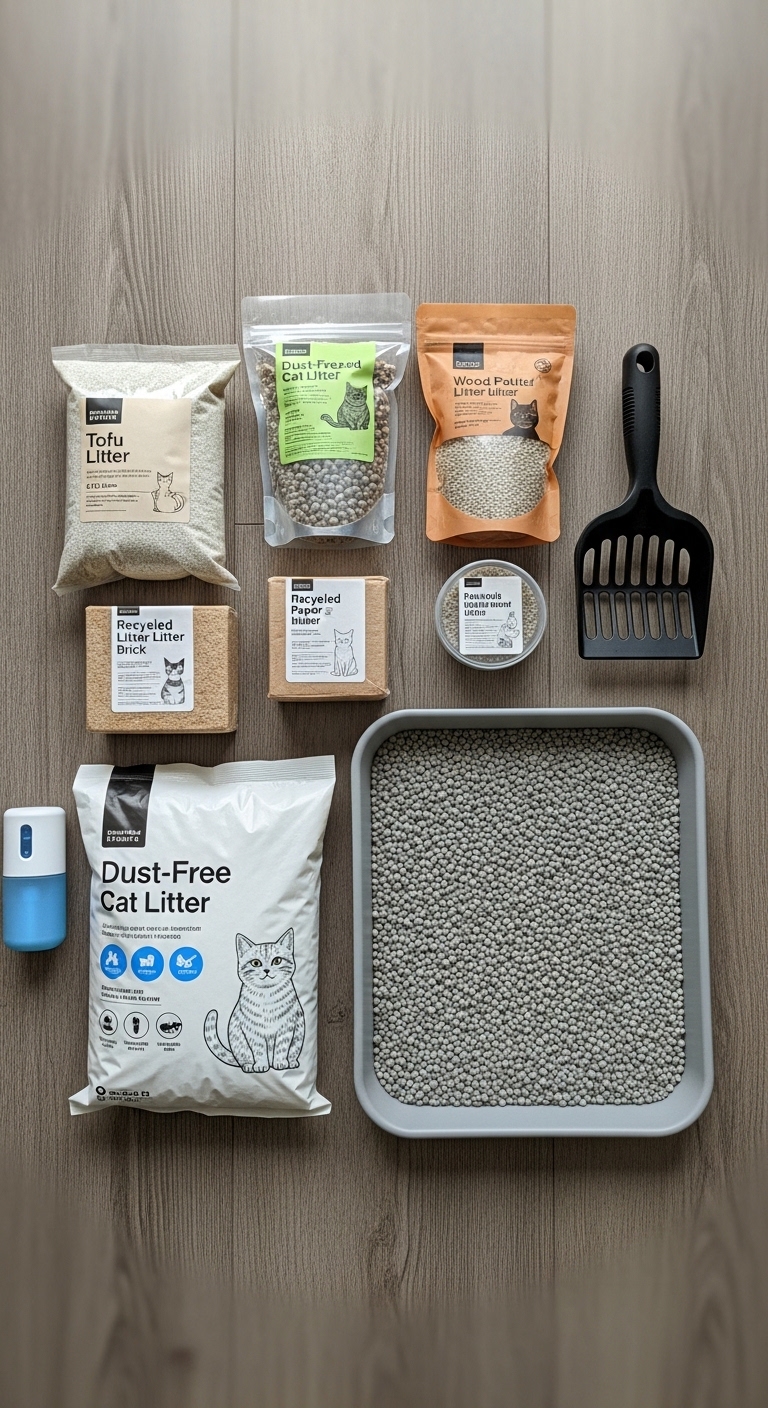
I once stuck with a low-dust litter that worked great for months, only to find the dust levels suddenly spiked. Turns out, the manufacturer had changed their formula without updating the packaging. That’s why it’s smart to keep an eye on consistency—if something feels off, trust your instincts and try a different brand.
Daily care habits
Scoop the litter box at least once a day, even with low-dust litter. While these litters reduce airborne particles, they still need regular maintenance to control odors and keep your cat comfortable. If you notice clumps breaking apart easily, it might be a sign the litter is losing its clumping strength and needs replacing.
Choosing the right product
Start by considering your cat’s preferences. Some cats dislike the texture of pine or wheat-based litters, while others don’t mind. If your cat is particular, try a small bag first before committing to a larger purchase. Also, think about your own needs—if you have multiple cats, a litter with strong odor control might be worth the slight trade-off in dust levels.
Safety and comfort
Low-dust litters are generally safer for cats with respiratory issues, but always introduce new litters slowly. Mix a small amount with your current litter over several days to let your cat adjust. If you see excessive sneezing or coughing, discontinue use and consult your vet.
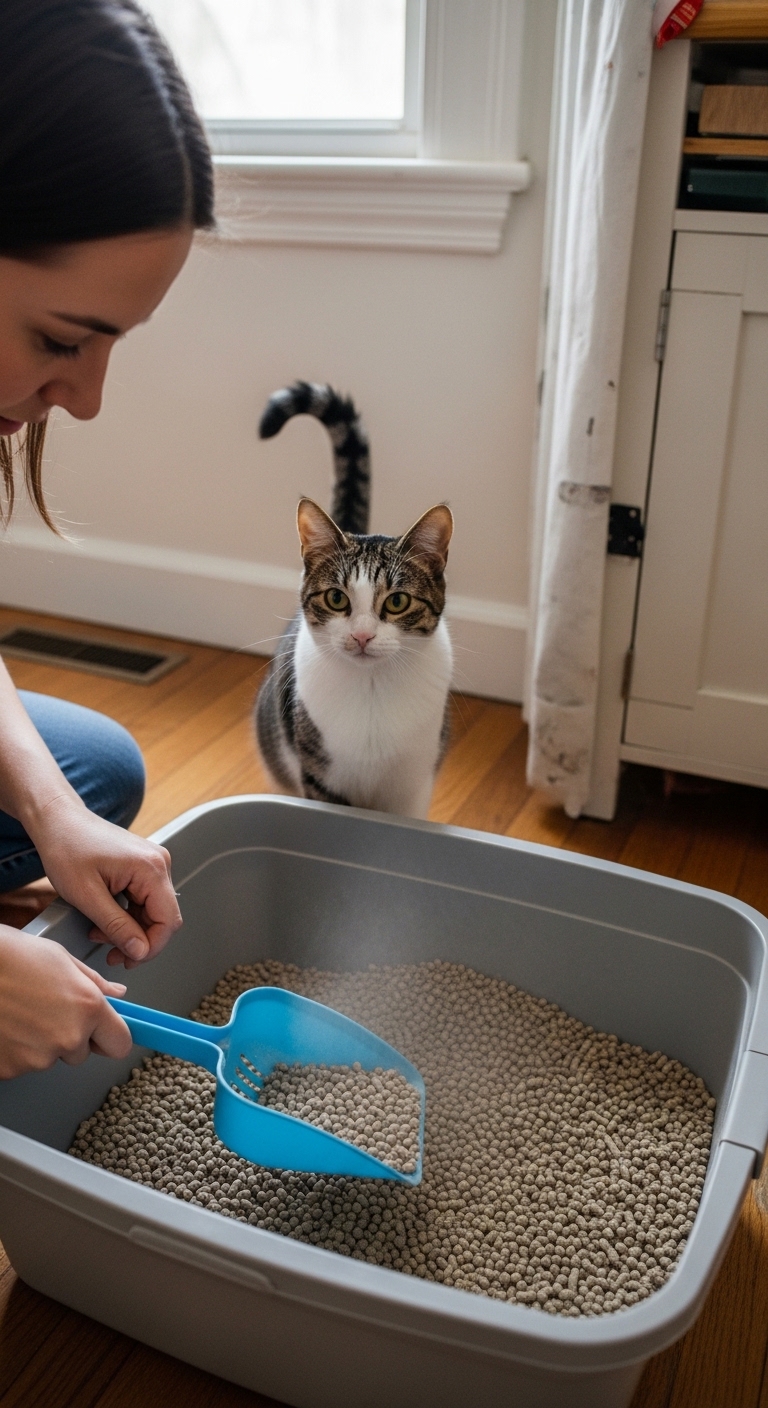
Switching to low-dust litter is a simple upgrade that benefits both you and your cat. Less dust means a cleaner home and a healthier environment for your feline friend.
Frequently Asked Questions
- → What makes cat litter low-dust?
Low-dust litters are formulated with finer, more tightly bound particles that release fewer airborne particles during use. They often use clay or plant-based materials processed to reduce dust.
- → Do low-dust litters clump as well as regular litters?
Yes, many low-dust litters offer excellent clumping performance. Look for brands that specify strong clumping or use sodium bentonite clay, which is known for its clumping ability.
- → Are low-dust litters safe for cats with respiratory issues?
Low-dust litters can be gentler on cats with asthma or allergies, but always consult your vet before switching. Some cats may still be sensitive to certain ingredients.
- → How often should I change low-dust cat litter?
Replace litter every 2-4 weeks, depending on usage and odor control. Scoop waste daily to maintain freshness and hygiene for your cat.
- → Can I mix low-dust litter with my current brand?
Yes, you can gradually transition by mixing small amounts of the new litter with your old brand over 7-10 days. This helps your cat adjust without stress.
- → Do low-dust litters cost more than regular litters?
Prices vary, but many affordable options are available. Consider bulk purchases or subscription services to save long-term without compromising quality.