Slicker brushes and deshedding tools both promise to keep your cat’s coat smooth and reduce fur around your home, but they work in different ways. If you’ve ever struggled with mats, loose hair, or a cat that hates grooming, choosing the right tool can make all the difference. The wrong brush can leave your cat stressed or even cause skin irritation, while the right one can turn grooming from a battle into a quick bonding moment. Whether you’re dealing with a long-haired Maine Coon or a short-haired tabby, understanding these tools helps you care for your cat’s coat without unnecessary hassle.
If you’ve ever wondered why your cat bolts the moment you pull out the brush, it might be because the wrong tool is causing discomfort. A slicker brush with too-tight bristles can feel like sandpaper to a sensitive cat, while a deshedding tool used incorrectly can pull too hard on loose fur.
Key Things to Understand
- A slicker brush: has fine, bent wires close together, designed to remove loose fur and prevent mats in long-haired cats.
- Deshedding tools: have a single row of sharp, fine teeth that cut through the undercoat to reduce shedding.
- Best uses: Slicker brushes work best for daily maintenance and detangling, while deshedding tools are better for heavy shedding seasons.
- Short-haired cats: Using a slicker brush on them can irritate their skin if the bristles are too stiff.
- Sensitive skin: Deshedding tools should never be used on cats with sensitive skin or open wounds.
- Monitor reactions: Always check your cat’s reaction during grooming—if they flinch or pull away, the tool might be causing discomfort.
What to Look For
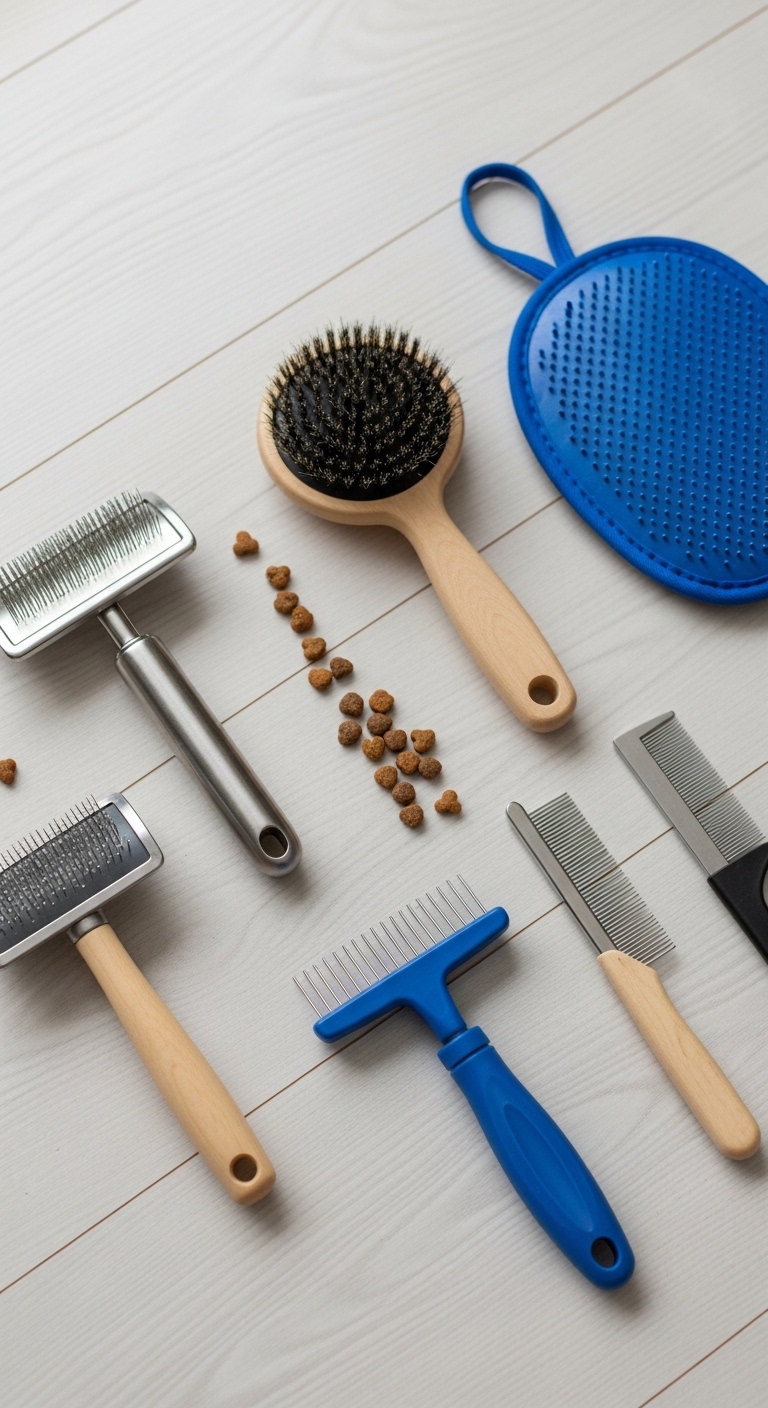
When choosing a slicker brush, look for one with flexible, rounded-tip bristles to avoid scratching your cat’s skin. The brush should glide smoothly through the coat without tugging, especially around sensitive areas like the belly and armpits. If you notice your cat’s fur catching or pulling, the bristles might be too stiff or the brush too small for their size. For deshedding tools, pay attention to the blade’s sharpness and the handle’s grip. A dull blade will pull on fur instead of slicing through it cleanly, which can be painful. The tool should have a comfortable, non-slip handle so you can control the pressure—too much force can irritate your cat’s skin. Watch how your cat reacts during the first few uses; if they seem more agitated than usual, it might be a sign to switch tools or adjust your technique.
Many cat owners assume that more brushing equals better results, but that’s not always true. Over-brushing with a slicker brush can create micro-abrasions on the skin, leading to irritation or even infection. I once saw a cat owner use a deshedding tool daily on a hairless breed, thinking it would reduce shedding—only to cause redness and discomfort. Always match the tool to your cat’s coat and skin type, and monitor their reaction closely.
Daily care habits
Incorporate grooming into your cat’s routine early to make it a habit they tolerate. Start with short sessions, just a few minutes at a time, and gradually increase as your cat gets comfortable. Use treats or gentle praise to create positive associations—many cats will start to see grooming as a reward rather than a chore. If your cat has a thick coat, daily brushing with a slicker brush can prevent mats from forming, while deshedding tools can be used a few times a week during shedding seasons. Pay attention to areas prone to tangles, like behind the ears and under the legs, and always brush in the direction of hair growth to avoid pulling.
Choosing the right product
The best brush for your cat depends on their coat length and shedding level. For long-haired breeds like Persians or Maine Coons, a slicker brush with medium-length bristles works well for daily upkeep, while a deshedding tool can tackle heavy shedding during seasonal changes. Short-haired cats, like Siamese or British Shorthairs, usually do fine with a softer slicker brush or even a rubber grooming glove to remove loose fur. If your cat is sensitive to touch, look for brushes labeled as gentle or designed for sensitive skin. Avoid tools with metal parts that can rust or break, as these can cause injury. Reading reviews from other cat owners can also give you insight into how well a brush works for similar breeds.
Safety and comfort
Always inspect your cat’s skin before and after grooming. Look for redness, bumps, or signs of irritation, especially if you’re using a new tool. If your cat has open wounds, rashes, or a history of skin issues, consult your vet before grooming. When using a deshedding tool, apply light pressure—let the tool do the work rather than forcing it through the coat. If your cat has a double coat, avoid shaving or over-trimming, as this can disrupt their natural temperature regulation. After grooming, reward your cat with a treat or playtime to reinforce positive associations. If your cat seems unusually stressed or aggressive during grooming, take a break and try again later or switch to a different tool.
Cleaning and hygiene
Brushes and deshedding tools need regular cleaning to stay effective and hygienic. After each use, remove loose fur from the brush with a comb or your fingers, then rinse it under warm water. For slicker brushes, you can use a mild soap or pet-safe shampoo to remove trapped oils and dirt. Deshedding tools should be wiped down with a damp cloth and dried thoroughly to prevent rust. Store brushes in a dry place, away from direct sunlight, to keep the bristles or blades in good condition. If you notice a strong odor coming from the brush, it’s a sign that it needs a deeper clean. Keeping your grooming tools clean also prevents bacteria from transferring to your cat’s skin.
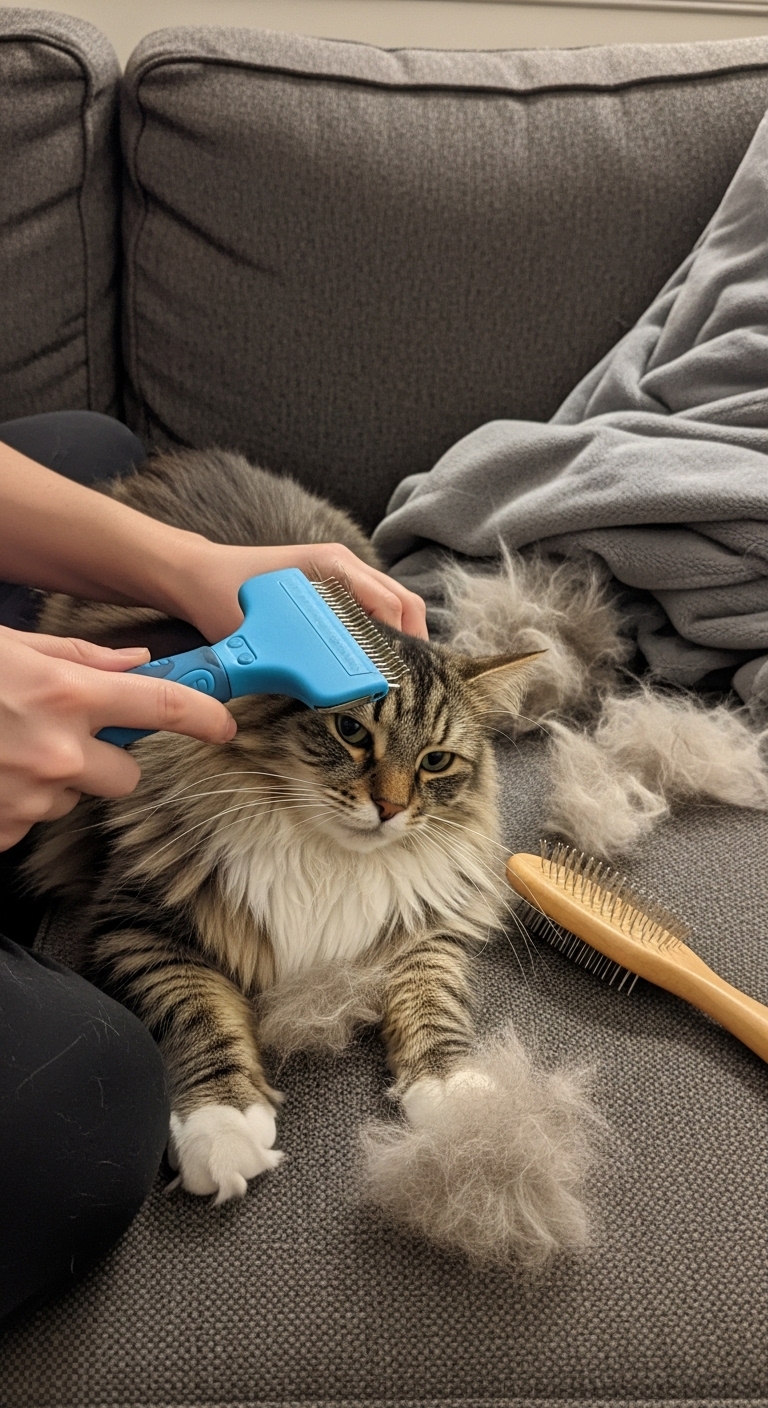
The right grooming tool can transform a stressful chore into a simple part of your routine. Whether you’re dealing with a fluffy Persian or a sleek Russian Blue, matching the tool to your cat’s needs makes all the difference.
Frequently Asked Questions
- → What’s the main difference between a slicker brush and a deshedding tool?
A slicker brush has fine, bent wires that gently detangle fur and remove loose hair, ideal for daily grooming. A deshedding tool has a specialized blade or edge that cuts through the undercoat to remove excess fur before it sheds, making it more effective for heavy shedding.
- → Which tool is better for long-haired cats?
Deshedding tools are generally better for long-haired cats, especially during shedding seasons, as they target the dense undercoat. However, a slicker brush can be used regularly to prevent tangles and keep the coat smooth between deshedding sessions.
- → Can I use a deshedding tool on a short-haired cat?
Yes, but with caution. Short-haired cats have less undercoat, so a deshedding tool may not be as effective. A slicker brush is usually sufficient for their grooming needs. Always check your cat’s comfort and skin condition when using any grooming tool.
- → How often should I groom my cat with these tools?
For slicker brushes, daily or every other day grooming works well for long-haired cats. Deshedding tools can be used weekly or during heavy shedding seasons. Always observe your cat’s reaction and adjust frequency based on their coat and comfort level.
- → Do these tools help reduce hairballs in cats?
Yes! Regular grooming with either tool helps remove loose fur before your cat ingests it while self-grooming, reducing the formation of hairballs. Deshedding tools are particularly effective at minimizing fur ingestion during peak shedding periods.
- → Are there any risks associated with using these grooming tools?
Overuse or incorrect technique can irritate your cat’s skin or cause discomfort. Always use gentle pressure and choose the right tool for your cat’s coat type. If your cat has sensitive skin or open wounds, consult a vet before grooming.